Have you ever noticed those tiny, unwelcome guests munching on your beloved houseplants? It's a common problem that many plant lovers face. These little critters can wreak havoc if left unchecked, turning your vibrant greens into a sorry sight. But don't worry, tackling these pests isn't as daunting as it seems.
This article will walk you through identifying the most common houseplant insects, show you how to prevent them from invading your space, and offer practical tips on eliminating them if they've already made themselves at home. So, grab your gardening gloves, and let's get started!
Identifying Common Houseplant Insects
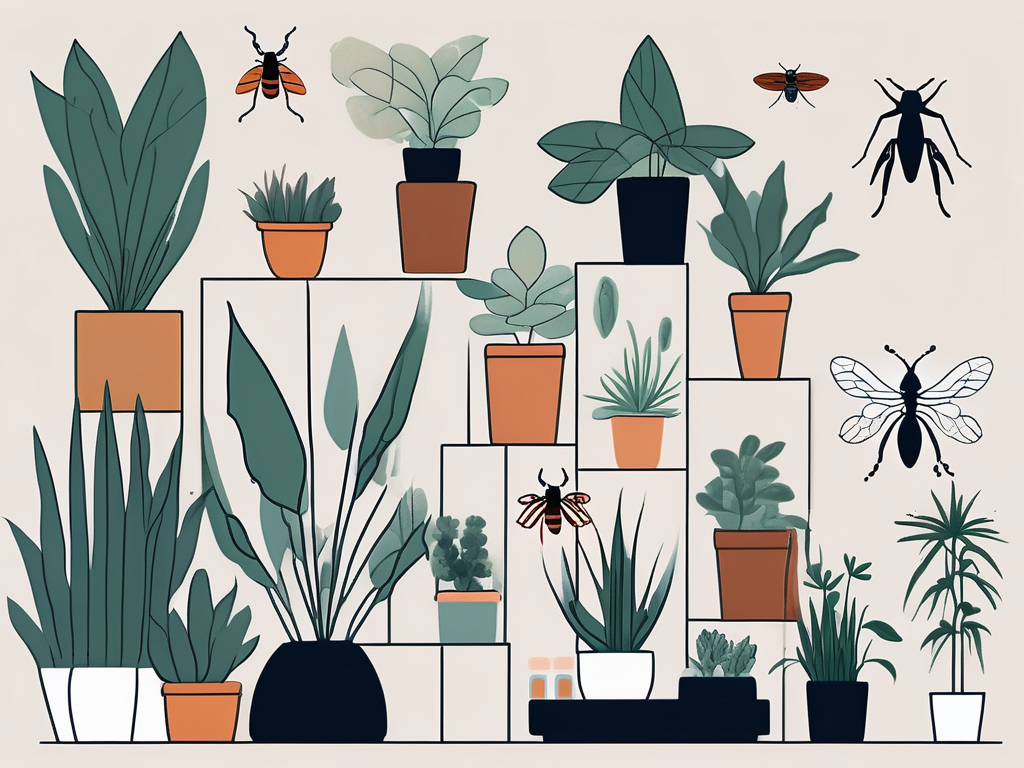
The first step in dealing with a pest problem is knowing what you're up against. Different insects require different treatments, so proper identification is crucial. Here are some of the most common culprits you might encounter:
- Aphids: These small, soft-bodied insects can be green, black, red, or white. They usually gather on the undersides of leaves, sucking the sap and causing the foliage to curl and yellow.
- Spider Mites: If your plant starts looking dusty or speckled, check for these tiny pests. They are often found in dry conditions and can be spotted by the fine webbing they leave behind.
- Mealybugs: These are easy to spot due to their cotton-like waxy coating. They tend to cluster in leaf axils and on stems, sucking the sap and causing leaves to yellow and drop.
- Fungus Gnats: These look like tiny black flies buzzing around the soil. While the adults are more of an annoyance, their larvae can damage roots and stunt plant growth.
- Scale Insects: These pests attach themselves to leaves and stems, appearing as small, brown, or gray bumps. Like aphids, they suck sap and can weaken the plant over time.
Each of these insects has its own set of characteristics, so closely inspecting your plants is key to proper identification. A magnifying glass can be handy for spotting the smaller ones!
Preventing Insect Infestations
As the saying goes, "An ounce of prevention is worth a pound of cure." By taking some proactive steps, you can often avoid a full-blown infestation. Here are some preventive measures to consider:
- Inspect New Plants: Before introducing a new plant to your collection, check it thoroughly for signs of pests. It's a good practice to quarantine new plants for a couple of weeks to ensure they're pest-free.
- Maintain Humidity: Many pests, like spider mites, thrive in dry conditions. Keeping a humid environment can deter them. Consider misting your plants or using a humidity tray.
- Keep Your Plants Clean: Wiping the leaves with a damp cloth or giving them a gentle shower can remove dust and potential pests. Clean plants are less inviting to insects.
- Avoid Overwatering: Fungus gnats love damp soil. Letting the top inch of the soil dry out between waterings can help keep them at bay.
- Use Quality Soil: Always use fresh, high-quality potting mix to reduce the risk of introducing pests through contaminated soil.
By incorporating these habits into your routine, you'll create a less hospitable environment for pests and keep your plants healthier overall.
Natural Remedies for Pest Control
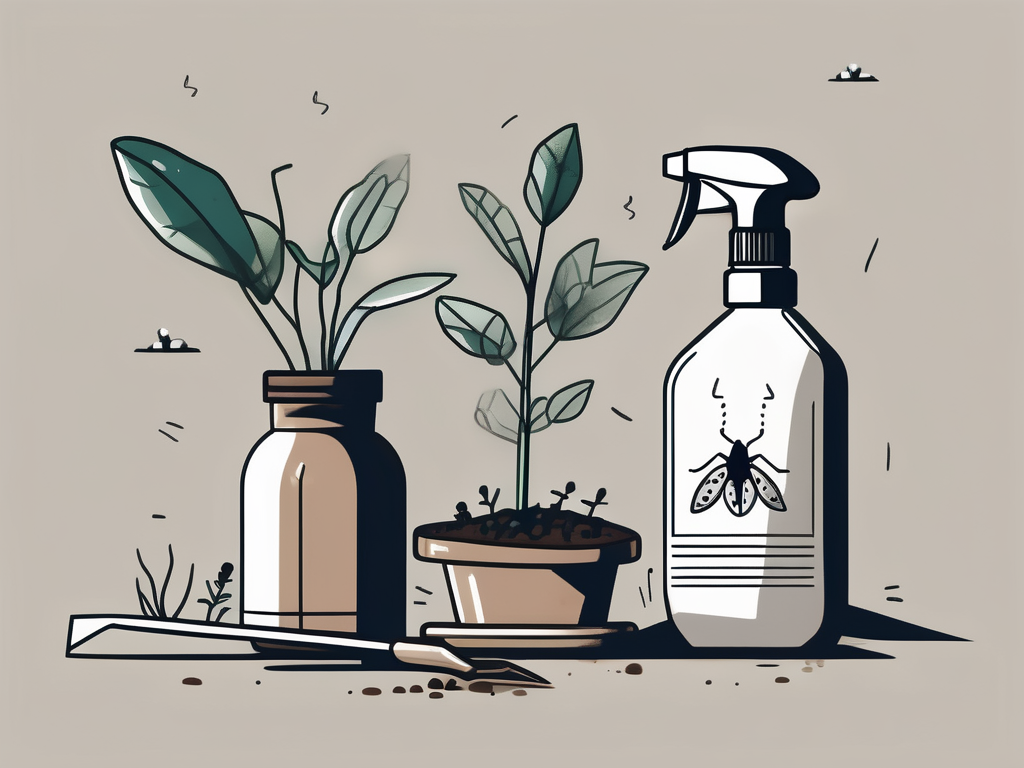
If you've spotted some unwanted visitors on your plants, natural remedies can be an effective first line of defense. Here are a few tried-and-true methods:
- Neem Oil: This natural insecticide can be sprayed directly onto the affected areas. It's particularly effective against aphids, spider mites, and mealybugs.
- Insecticidal Soap: Safe for most houseplants, this soap can be sprayed to suffocate soft-bodied insects like aphids and spider mites.
- Essential Oils: Oils like peppermint or rosemary can deter insects. Mix a few drops with water and spray on your plants.
- Sticky Traps: Yellow sticky traps can be used to catch flying insects like fungus gnats, reducing their numbers effectively.
These methods are not only eco-friendly but also safe for use around children and pets. Consistency is key, so applying these treatments regularly will yield the best results.
Using Chemical Solutions Safely
Sometimes, natural remedies might not be enough, especially for a severe infestation. In such cases, chemical treatments can be considered, but they should be used with caution:
- Choose the Right Product: Look for a pesticide labeled for use on houseplants and for the specific pest you're dealing with.
- Follow Instructions: Always read and follow the manufacturer's instructions carefully to ensure safe application.
- Apply in a Well-Ventilated Area: To avoid inhaling fumes, apply pesticides outdoors or in a well-ventilated space.
- Protect Yourself: Wear gloves and a mask to protect your skin and lungs from chemical exposure.
While effective, chemical treatments should be a last resort and used sparingly to minimize harm to beneficial insects and the environment.
Creating an Unwelcoming Environment for Pests
Beyond direct treatments, altering your plant's environment can make it less attractive to pests. Here are a few strategies to consider:
- Rotate Your Plants: Regularly moving your plants can disrupt the life cycle of pests, preventing them from settling in comfortably.
- Encourage Beneficial Insects: Introducing predator insects like ladybugs can naturally control pests without harming your plants.
- Use Companion Plants: Some plants, like basil or marigold, can repel pests when planted alongside your houseplants.
These strategies focus on creating an environment that's unfavorable to pests, reducing the likelihood of infestations.
Monitoring Plant Health
Regular monitoring is critical to catching pest problems early. Here’s how you can keep an eye on your plants:
- Check Leaves and Soil: Inspect the leaves and soil surface for signs of pests whenever you water your plants.
- Look for Symptoms: Be on the lookout for symptoms like yellowing leaves, sticky residue, or webbing, which can indicate a pest problem.
- Use Magnification: A magnifying glass can help spot tiny pests that are hard to see with the naked eye.
By regularly checking your plants, you can catch issues before they become severe, making treatment easier and more effective.
Dealing with Severe Infestations
Sometimes, despite your best efforts, a pest infestation can get out of hand. When this happens, more drastic measures might be necessary:
- Isolation: Move the affected plant away from others to prevent the infestation from spreading.
- Pruning: Remove heavily infested leaves or stems to reduce the pest population and limit damage.
- Repotting: In cases of root pests, repotting the plant with fresh soil can help eliminate the problem.
These steps can help manage a severe infestation, giving your plant a better chance of recovery.
Restoring Plant Health After an Infestation
Once you've dealt with the pests, it's time to focus on helping your plant bounce back. Here's what you can do:
- Fertilize Carefully: Use a balanced fertilizer to provide your plant with the nutrients it needs to recover.
- Ensure Proper Light: Make sure your plant is getting adequate light for healthy growth.
- Water Wisely: Avoid over or under-watering, which can stress your plant and hinder recovery.
With some TLC, your plant will be back to its vibrant self in no time!
Final Thoughts
Pest problems can be a real headache for plant lovers, but with the right knowledge and tools, they can be managed effectively. By identifying the pests, taking preventive measures, and using natural or chemical treatments when necessary, you can protect your green friends and keep them thriving.
At Cafe Planta, we're passionate about helping you care for your plants. Whether you're looking for new additions to your collection or need advice, we're here to support you. Feel free to email us or reach out on Instagram. We believe plants have a special way of bringing us closer to nature and each other, and we're excited to share that journey with you!