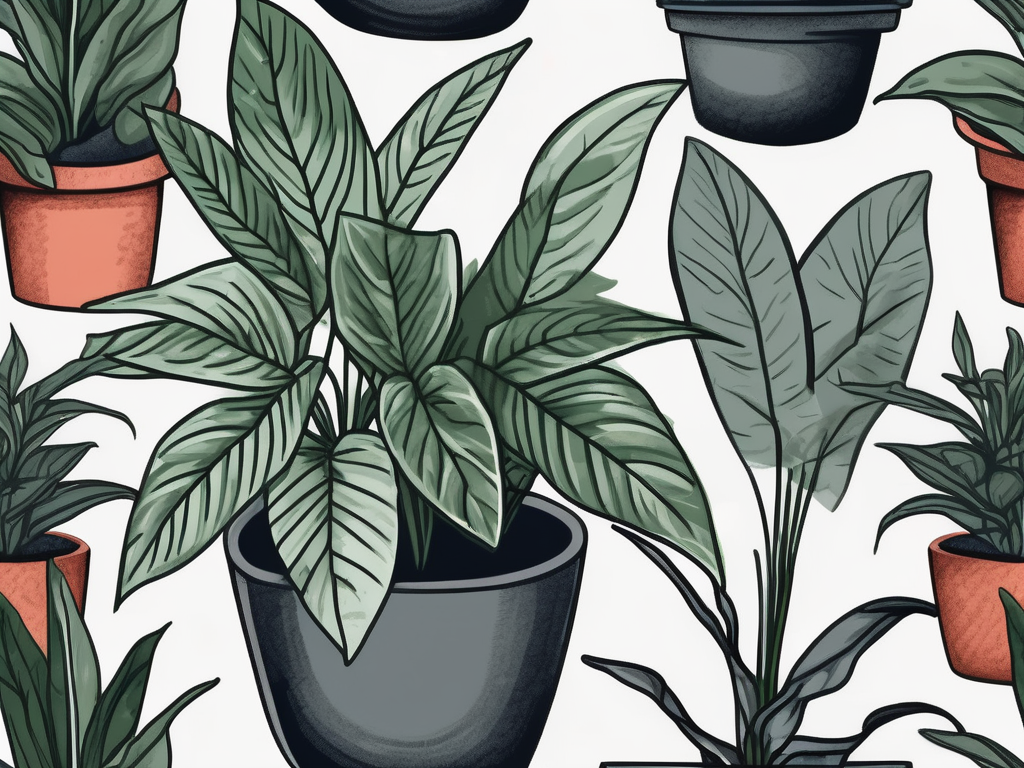
Monstera Obliqua is one of those plants that intrigues and mystifies. Known for its delicate, fenestrated leaves, it’s often on the wish list of many plant lovers. But have you ever considered growing this elusive beauty from seeds? It might sound daunting, but with the right information, you can embark on this rewarding journey.
In this article, we’ll cover everything you need to know about Monstera Obliqua seeds, from selecting quality seeds to germination, planting, and ongoing care. Whether you're a seasoned plant parent or a curious beginner, you'll find practical tips and insights to help you nurture these rare plants successfully.
Understanding Monstera Obliqua
Before we dig into the details of growing Monstera Obliqua from seeds, let’s talk a bit about the plant itself. It’s not an exaggeration to say that Monstera Obliqua is one of the rarest and most coveted plants among collectors. With its paper-thin leaves and extreme fenestration, it’s easy to see why people are drawn to it.
However, Monstera Obliqua is often confused with its cousin, Monstera Adansonii. While they share similar characteristics, Obliqua is much rarer and generally more fragile. Knowing what you're getting into can help set realistic expectations and prepare you for the care level required.
Interestingly enough, this plant is native to the rainforests of Central and South America, where it grows as an epiphyte. This means it often lives on other plants, drawing moisture and nutrients from the air and rain. This natural habitat provides clues to the kind of environment you’ll need to replicate at home to keep your Monstera Obliqua happy.
Choosing Quality Seeds
The journey to growing Monstera Obliqua begins with selecting high-quality seeds. While it may seem straightforward, finding genuine Monstera Obliqua seeds can be a bit tricky. Due to the plant's rarity, there are many sellers who may not provide authentic seeds, so be cautious.
Here are some tips to help you choose the right seeds:
- Research Sellers: Look for reputable sellers with positive reviews and verified sources. Online plant forums and communities can be a great resource for recommendations.
- Check Authenticity: Ask the seller about the seed’s origin, and if possible, request pictures or documentation that proves authenticity.
- Look for Freshness: Seeds should be fresh for the best chance at germination. If they've been stored for too long, their viability decreases significantly.
Once you’ve got your seeds, you're ready to begin the germination process. Remember, patience is key here, as good things often take time.
Preparing for Germination
Germinating Monstera Obliqua seeds requires a bit of preparation, but don’t worry, it’s not rocket science. The goal is to create an environment similar to its natural habitat—warm, humid, and slightly shaded.
Here’s a step-by-step guide to get started:
- Soak the Seeds: Begin by soaking the seeds in warm water for about 24 hours. This helps to soften the seed coat and kick-start the germination process.
- Prepare the Medium: Use a well-draining mix. A combination of sphagnum moss and perlite or vermiculite can work wonders, providing both moisture retention and aeration.
- Set Up the Environment: Place the medium in a shallow container with drainage holes. A seedling tray or any shallow container should work. Keep the setup in a warm place, ideally between 70-80°F (21-27°C).
Now that you’ve set the stage, it’s time to plant those seeds and watch the magic unfold.
Germinating the Seeds
With your seeds soaked and medium prepared, it’s time for the actual planting. This stage is all about patience and care, as Monstera Obliqua seeds can take anywhere from a few weeks to a couple of months to germinate.
Follow these steps for successful germination:
- Plant the Seeds: Gently press each seed into the medium, ensuring it’s covered lightly. You don’t want them buried too deep, just enough to keep them moist and secure.
- Maintain Humidity: Cover the container with a clear plastic lid or a plastic wrap to create a mini greenhouse effect. This retains moisture and warmth, crucial for germination.
- Monitor Conditions: Keep the medium consistently moist but not waterlogged. Mist the setup if it starts to dry out, but avoid overwatering.
Once the seeds sprout, usually within a few weeks, you’ll see tiny shoots emerging. It’s an exciting moment, marking the beginning of your Monstera Obliqua’s journey. Remember to keep monitoring the humidity and temperature, as these are vital for young seedlings.
Transplanting Seedlings
Once your Monstera Obliqua seedlings have developed a few leaves and seem strong enough, it’s time to think about transplanting them into individual pots. This step is crucial for providing each plant the space and nutrients it needs to grow.
Here’s how to do it:
- Choose the Right Pot: Select small pots with good drainage. At this stage, 3-4 inch pots should suffice. Ensure they have drainage holes to prevent waterlogging.
- Prepare the Soil: Use a well-draining soil mix. A combination of peat, perlite, and a bit of orchid bark mimics their natural epiphytic conditions.
- Transplant Carefully: Gently remove the seedlings from the germination tray, taking care not to damage the delicate roots. Plant them in the prepared pots and water lightly.
Place the pots in a warm, humid spot with indirect light. Continue to keep the soil moist but not soggy. As your Monstera grows, you can gradually acclimate it to brighter conditions, similar to its natural habitat.
Ongoing Care for Monstera Obliqua
With your Monstera Obliqua now in its own pot, ongoing care becomes essential to ensure it thrives. While it might seem like a lot to take in, breaking it down into daily, weekly, and monthly tasks can make it more manageable.
Here’s a basic care routine:
- Watering: Water when the top inch of soil feels dry. In spring and summer, this might be weekly, while in winter, every two weeks might suffice.
- Humidity: Keep humidity levels high, around 60-80%. Use a humidifier or pebble tray to maintain this, especially during dryer months.
- Light: Provide bright, indirect light. Direct sunlight can scorch the leaves, while low light can stunt growth.
Regularly check for signs of pests or disease, as these can quickly affect your plant’s health. With the right care, your Monstera Obliqua can become a stunning focal point in your home.
Fertilizing Your Monstera
Feeding your Monstera Obliqua the right nutrients is vital for its growth and health. Since it's an epiphyte, it doesn’t require heavy feeding, but regular, balanced fertilization can support its needs.
Consider these fertilizing tips:
- Type of Fertilizer: Use a balanced, water-soluble fertilizer diluted to half-strength. Look for one designed for houseplants, with equal parts nitrogen, phosphorus, and potassium.
- Frequency: Fertilize every 4-6 weeks during the growing season (spring and summer). Reduce feeding in fall and winter, when the plant’s growth slows.
- Application: Apply fertilizer to moist soil to prevent root burn. Avoid getting it on the leaves, as this can cause damage.
Remember, over-fertilizing can be more harmful than under-fertilizing. When in doubt, less is more. Monitor your plant’s response and adjust as needed.
Dealing with Common Issues
Even with the best care, Monstera Obliqua can sometimes run into issues. Whether it’s pests, diseases, or environmental stress, being proactive can help mitigate these challenges.
Here are some common issues and how to address them:
- Pests: Common pests include spider mites, mealybugs, and aphids. Use insecticidal soap or neem oil as a gentle yet effective treatment.
- Yellowing Leaves: Often a sign of overwatering or poor drainage. Check your watering routine and ensure pots have adequate drainage.
- Leaf Browning: Could be due to low humidity, direct sunlight, or nutrient burn. Adjust humidity levels and light exposure, and check your fertilizing routine.
Regularly inspecting your plant can help catch these issues early, preventing more serious damage.
Creating a Plant-Friendly Environment
Monstera Obliqua, like many houseplants, thrives best in an environment that mimics its natural habitat. Creating a space that meets its needs can significantly improve its growth and vitality.
Consider these environmental factors:
- Temperature: Keep your home between 65-85°F (18-29°C). Avoid placing the plant near drafts or heating vents, which can cause stress.
- Air Flow: Ensure good air circulation to prevent mold and mildew. A small fan can help circulate air in stagnant areas.
- Grouping Plants: If you have multiple plants, group them together. This naturally raises humidity levels and creates a mini ecosystem.
With the right setup, your Monstera Obliqua can grow into a happy, healthy plant that adds a touch of the tropics to your home.
Final Thoughts
Growing Monstera Obliqua from seeds is a journey that requires patience, attention, and a bit of trial and error. From choosing the right seeds to ongoing care, each step is an opportunity to learn and connect with nature in your own home.
At Cafe Planta, we're passionate about helping you succeed in your plant journey. Whether you're seeking unique houseplants or need advice on care, we're here to support you. Feel free to email us or reach out on Instagram. We believe in the power of plants to bring joy and connection to our lives. Let’s grow together!