Rex Begonias are like the rock stars of the plant world, with their vibrant colors and fascinating leaf patterns. If you're a plant lover who's been thinking about adding more of these beauties to your home, propagation is a fantastic option. Not only is it a cost-effective way to grow your collection, but it's also a rewarding process that allows you to witness new life sprout from a simple cutting.
In this post, we'll walk through the steps of propagating Rex Begonia cuttings. From selecting the healthiest leaves to ensuring your new plantlets thrive, we've got you covered with practical tips and insights. So grab your gardening gloves, and let's get started!
Selecting the Right Leaf for Propagation
Getting off to a good start with propagation means choosing the right leaf. It might seem like any leaf will do, but there's a bit of strategy involved. You'll want to look for a leaf that's healthy and vibrant—avoid those that are yellowing, damaged, or showing signs of disease. A healthy leaf will have a better chance of developing roots and ultimately growing into a strong plant.
When selecting a leaf, consider the following:
- Size: Larger leaves tend to have more stored energy, which can help sustain the cutting as it develops roots. However, make sure the leaf is not so large that it wilts easily.
- Color: Look for leaves with bright, consistent coloring. They should be free of spots or blemishes, which might indicate disease or pest issues.
- Stiffness: A leaf should be firm, not floppy or wilted. This indicates that the plant is well-hydrated and healthy.
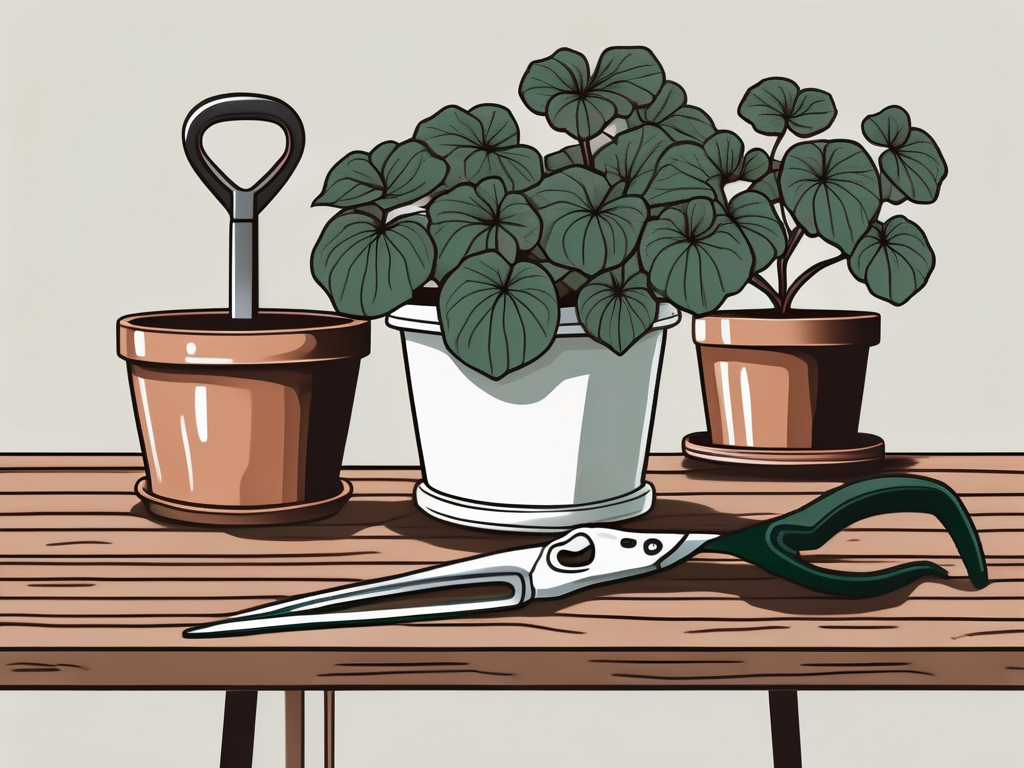
Once you've found the perfect leaf, it's time to make your cut. Use a sharp, clean pair of scissors or a knife to cut the leaf cleanly from the plant. Aim to include a small portion of the petiole (the stalk that attaches the leaf to the stem) as this is where the new roots will emerge.
Preparing the Leaf for Planting
Now that you've got your perfect leaf, it's time to prepare it for planting. This step is all about setting the stage for successful root development. You want to create the ideal conditions for your leaf cutting to thrive.
Start by trimming the leaf. You'll want to cut the leaf into smaller sections, each with a piece of the main vein. This technique is known as leaf cutting, and it helps each section focus its energy on developing roots. Use a clean, sharp tool to make the cuts, and handle the leaf gently to avoid bruising.
Here's a step-by-step approach to preparing your leaf:
- Cut at the Veins: Make sure each section has a piece of the main vein. This is where roots will most likely develop, so it's crucial for each piece to have a vein.
- Drying Time: After cutting, let the sections dry for a few hours. This helps seal the cut edges and reduces the risk of rot when you plant them.
- Dust with Rooting Hormone: Although optional, dusting the cut edges with a rooting hormone can encourage faster root development. It's like giving your plant a little boost of encouragement!
With your cuttings ready to go, it's time to think about the next step: planting them in the right medium.
Choosing the Right Potting Medium
Rex Begonias have specific needs when it comes to their growing environment, and this includes the potting medium. You'll want something that retains moisture while providing good drainage—sounds like a bit of a balancing act, right? But fear not, there's a simple recipe that works wonders for these lovely plants.
Here's a basic potting mix that you can use:
- Peat Moss: This is the moisture-retaining component. It helps keep the soil damp without becoming waterlogged.
- Perlite or Vermiculite: Both of these options improve drainage and aeration. They prevent the soil from compacting, which can suffocate roots.
- Sand or Grit: A small amount can further enhance drainage, especially if you're using a container with limited drainage holes.
Mix these ingredients in equal parts to create a well-balanced medium. You can also add a bit of compost for some extra nutrients, but make sure it's well-rotted to avoid overwhelming the young roots with too much richness.
Once your potting mix is ready, fill small pots or trays with the mixture. Lightly moisten it, but be careful not to make it soggy. You're aiming for a damp, crumbly texture that will support root growth without encouraging rot.
Planting the Cuttings
With your potting medium prepared, it’s time to plant your Rex Begonia cuttings. This step is where the real magic begins, as you're setting the stage for new growth. And while planting might sound straightforward, there's a little finesse involved to give your cuttings the best start possible.
Here's how to plant your cuttings:
- Position the Cuttings: Place each leaf section on top of the potting mix, with the vein side down. You want the veins to be in contact with the soil, as this is where roots will emerge.
- Secure the Cuttings: Use small stakes or toothpicks to hold the leaf sections in place. This helps prevent them from shifting as you water and allows the cut edges to stay in contact with the soil.
- Press Lightly: Gently press down on the leaf sections to make sure they're touching the soil. You don't need to bury them, just ensure good contact for rooting.
Once your cuttings are in place, give them a light misting with water. This helps settle the soil around the cuttings and provides the initial moisture they need to start rooting. Place your pots or trays in a bright, indirect light location, and keep an eye on the moisture levels to ensure the soil stays consistently damp.
Creating the Perfect Environment
Now that your cuttings are planted, creating the right environment is crucial for their development. Rex Begonia cuttings thrive in conditions that mimic their natural habitat—think warmth, humidity, and light. But don't worry if you're not living in a tropical paradise, you can easily recreate these conditions at home.
Here are some tips for setting up the perfect environment:
- Humidity: Begonias love humidity, so consider placing a clear plastic cover or a humidity dome over your cuttings. This traps moisture, creating a mini-greenhouse effect. Just remember to vent it occasionally to prevent mold.
- Temperature: Keep your cuttings in a warm spot, ideally between 70-75°F (21-24°C). If your home is cooler, a heating mat can provide the extra warmth needed to encourage rooting.
- Light: Bright, indirect light is best. Direct sunlight can scorch the cuttings, while too little light might slow their growth. A sunny windowsill with filtered light is usually perfect.
By maintaining these conditions, you're giving your Rex Begonia cuttings the best chance to develop strong roots and grow into healthy plants. Patience is key here, as rooting can take several weeks. Keep an eye on your cuttings for signs of growth and adjust the environment as needed.
Caring for Your New Plantlets
Once your cuttings have developed roots, you'll notice new growth starting to appear. This is an exciting time, as your patience is finally paying off! Now, the focus shifts to caring for these new plantlets, ensuring they grow into beautiful, thriving Rex Begonias.
Here's how to care for your new plantlets:
- Watering: Keep the soil consistently moist, but not soggy. As the plantlets grow, they’ll need a bit more water to support their development. Check the soil regularly and water when the top inch feels dry.
- Feeding: Once the plantlets are established, you can start feeding them with a balanced, water-soluble fertilizer. Dilute it to half-strength and apply every 4-6 weeks during the growing season.
- Transplanting: When the plantlets outgrow their initial containers, it's time to move them to larger pots. Choose containers with good drainage, and use the same potting mix you started with.
As your Rex Begonias grow, continue to provide the right environment—plenty of indirect light, warmth, and humidity. Regularly check for pests and disease, and prune as needed to maintain their shape and encourage bushy growth.
Common Challenges and How to Overcome Them
Like any gardening endeavor, propagating Rex Begonias can come with its fair share of challenges. From wilting leaves to slow root development, it's important to know how to troubleshoot these issues so you can keep your new plants on track.
Here are some common challenges and their solutions:
- Wilting Leaves: If your cuttings start to wilt, it might be a sign of too much or too little water. Check the soil moisture and adjust your watering schedule accordingly. Ensure the potting mix drains well to prevent waterlogging.
- Slow Root Growth: If roots aren't developing as quickly as you'd like, check the temperature and humidity levels. Make sure your cuttings are warm enough and have plenty of humidity. A heating mat or humidity dome can help speed things up.
- Pests: Keep an eye out for common pests like aphids or spider mites. If you spot any, isolate the affected plants and treat them with insecticidal soap or neem oil. Regularly inspect your plants to catch any infestations early.
Remember, patience is part of the process. Not every cutting will take, and that's okay. By learning from these challenges, you'll become an even more skilled plant parent.
Integrating Rex Begonia into Your Home Decor
Rex Begonias are not only fabulous to grow, but they also make stunning additions to your home decor. With their dramatic leaves and vibrant colors, they can add a touch of nature's artistry to any room. But how do you style them in a way that complements your space?
Here are some ideas for incorporating Rex Begonias into your home:
- Pair with Neutral Tones: Let the begonia’s colors pop by placing them against a neutral backdrop. White or beige walls and furniture allow their vibrant hues to shine.
- Use Decorative Pots: Choose pots that complement the colors of your begonias. Whether it's a sleek, modern pot or a rustic ceramic one, the right container can enhance the plant’s visual appeal.
- Create a Plant Shelf: Group your begonias with other houseplants on a dedicated shelf. Vary the heights and leaf shapes to create an interesting and dynamic display.
Whether in a living room, kitchen, or bathroom, Rex Begonias can bring life and color to your space. They’re perfect for creating a focal point or adding a touch of nature to a cozy nook.
Sharing Your Propagation Journey
One of the joys of propagating plants is sharing your journey with others. Whether it's sharing tips with fellow plant lovers or giving away a propagated cutting as a gift, there are many ways to spread the love of Rex Begonias.
Consider these ways to share your propagation experience:
- Social Media: Document your propagation journey on social media. Share photos and updates, and connect with other plant people who can offer advice or celebrate your successes with you.
- Plant Swaps: Join a local plant swap group. It's a great way to exchange cuttings, learn new techniques, and make new plant-loving friends.
- Gifts: Give a propagated plant as a gift. It's a thoughtful and personal present that can bring joy and life to someone else's home.
Sharing your experience not only enriches your own journey but also helps build a community of plant lovers who can support and inspire each other.
Final Thoughts
Propagating Rex Begonias is a delightful way to expand your plant collection while engaging in a rewarding hobby. By selecting the right leaf, providing the ideal environment, and caring for your new plantlets, you’ll soon have a thriving collection of these stunning plants.
At Cafe Planta, we’re passionate about helping you care for your plants. Whether you’re looking for unique houseplants or need advice on plant care, we’re here to support you. Feel free to email us or send a message on Instagram. We believe in the power of plants to bring joy and connection, and we’re excited to share this journey with you!