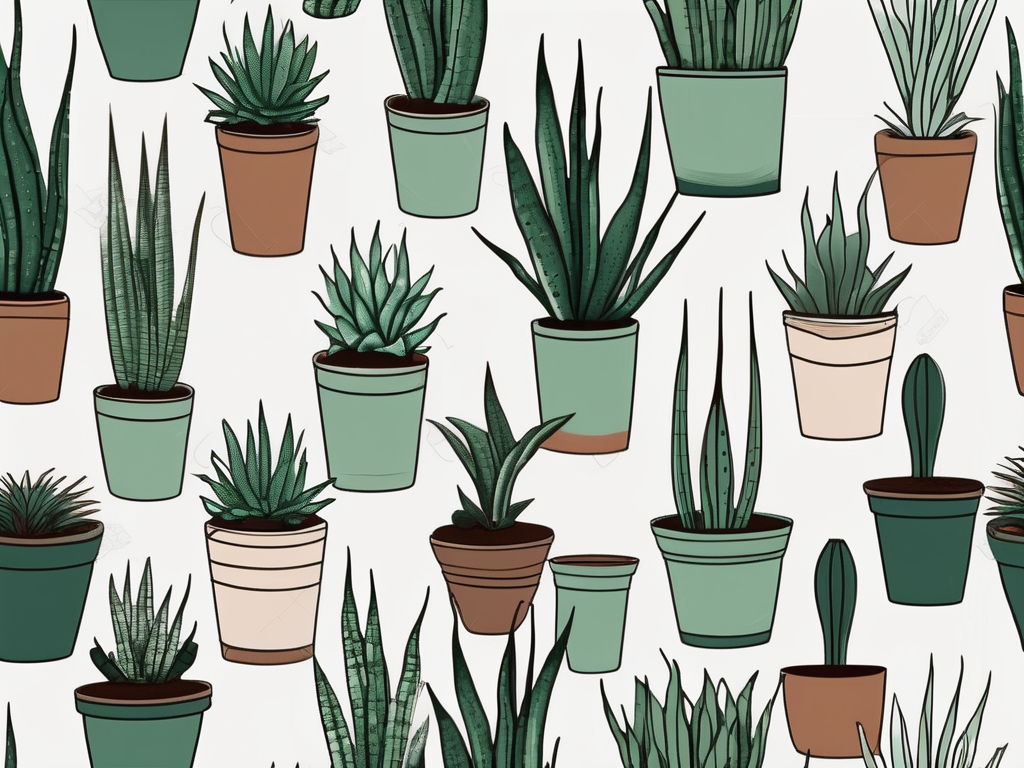
Sansevierias, also known as snake plants or mother-in-law's tongues, have a well-deserved reputation for being some of the most resilient and low-maintenance houseplants around. These beauties are not only easy to care for but also add a touch of elegance to any room. However, like all plants, they do need a little TLC from time to time, and repotting is one of those necessary chores to keep them thriving.
In this guide, we'll walk you through the why, when, and how of repotting your beloved sansevieria. Whether you're a seasoned plant parent or just starting your green journey, these insights will help ensure your plant remains healthy and happy.
Why Repotting Is Important for Sansevierias
First things first—why should you repot your sansevieria at all? It might seem like an unnecessary task, especially since these plants are known for their ability to tolerate neglect. However, regular repotting is crucial for a few reasons:
- Root Bound Issues: Over time, as your sansevieria grows, its roots can become cramped in the pot, leading to what’s known as being "root bound." This can restrict growth and stress the plant.
- Nutrient Depletion: The soil loses nutrients over time, and repotting helps replenish these nutrients, ensuring your plant gets what it needs to grow.
- Soil Refresh: Soil can become compacted and less aerated, which affects water drainage. Repotting introduces fresh, aerated soil, promoting better root health.
In essence, repotting is like giving your sansevieria a fresh start, allowing it to stretch out and soak up all the nutrients it needs to thrive.
When to Repot Your Sansevieria
Timing is key when it comes to repotting. Most sansevierias only need to be repotted every two to three years. However, if you notice any of the following signs, it might be time to give your plant a new home:
- The roots are growing out of the drainage holes.
- The plant is top-heavy and falls over easily.
- Growth has significantly slowed down.
- The soil seems to dry out much faster than usual.
Typically, the best time to repot is during the growing season, which is in spring or early summer. This allows the plant to recover quickly and establish itself in its new pot.
Choosing the Right Pot and Soil
Now that you know when and why to repot, let's talk about the essentials: pot and soil. Believe it or not, the type of pot and soil you choose can make a big difference in your sansevieria's health.
Picking the Pot
- Size Matters: Choose a pot that's one size larger than the current one. Too big, and the soil will retain too much moisture, risking root rot.
- Material: Terracotta pots are often recommended because they allow for better air circulation. However, ceramic or plastic pots can also work as long as they have good drainage holes.
- Drainage: Always ensure the pot has at least one drainage hole to prevent water from pooling at the bottom.
Selecting the Soil
- Well-Draining Mix: Sansevierias prefer a well-draining potting mix. A cactus or succulent mix works well, but you can also create your own by mixing regular potting soil with sand or perlite.
- Avoid Moisture Retainers: Steer clear of soils that contain moisture-retaining crystals, as sansevierias don’t like to sit in wet soil.
Choosing the right pot and soil sets the foundation for a healthy plant, ensuring it can continue to grow and thrive in its new environment.
Steps to Repot Your Sansevieria
Alright, it’s time for the main event—actually repotting your sansevieria. Here's a step-by-step guide to make the process as smooth as possible:
Gather Your Materials
- A new pot with drainage holes
- Fresh potting mix suitable for succulents
- A towel or sheet to catch any stray soil
- Scissors or pruning shears (just in case)
Step-by-Step Process
- Prep the Pot: Fill the bottom of your new pot with a layer of fresh soil. This creates a base for your plant to sit on.
- Remove the Plant: Gently turn your current pot on its side and coax the plant out. You might need to tap the sides to loosen the soil. Be careful not to damage the roots.
- Inspect the Roots: Check the roots for any signs of rot or disease. Healthy roots should be white or light tan. Trim away any dark or mushy roots with your scissors.
- Position the Plant: Place your sansevieria in the new pot. The goal is to have it sit at the same level as it was in the old pot.
- Add Soil: Fill in around the plant with fresh soil, gently pressing it down to eliminate air pockets. Be sure not to bury the leaves.
- Water Lightly: Give the plant a small amount of water to help settle the soil, but avoid overwatering.
And there you have it! Your sansevieria is now ready to continue its journey in its new home. Easy, right?
Caring for Your Sansevieria After Repotting
Post-repotting care is just as important as the repotting process itself. Here are some tips to help your plant adjust:
- Watering: After the initial watering, wait a week or two before watering again to let the roots settle and avoid overwatering.
- Lighting: Keep your plant in a spot with indirect light. Too much direct sunlight can shock the newly repotted plant.
- Monitoring: Watch for any signs of stress, like wilting or yellow leaves, and adjust the care as needed.
With a little bit of patience and attention, your sansevieria will bounce back and continue to flourish.
Common Repotting Mistakes and How to Avoid Them
Even with the best intentions, things can go awry. Here are some common mistakes plant lovers make when repotting and how you can avoid them:
- Overwatering: One of the most frequent issues is giving your plant too much water after repotting. Remember, sansevierias prefer to dry out between waterings.
- Ignoring Drainage: Using a pot without drainage holes can lead to soggy soil and root rot. Always prioritize good drainage.
- Wrong Soil Type: Using regular potting soil can hold too much moisture. Stick to a well-draining mix to keep your plant happy.
Being aware of these pitfalls can make all the difference in ensuring a successful repotting experience.
Benefits of Repotting Your Sansevieria
While repotting might seem like a chore, there are plenty of benefits that make it worthwhile:
- Growth Boost: Fresh soil means more nutrients, which can help your plant grow faster and stronger.
- Healthier Roots: Repotting allows you to check the root health and address any issues promptly.
- Aesthetics: A new pot can give your plant a fresh look and complement your interior design.
Overall, repotting is an essential part of keeping your sansevieria healthy and beautiful, ensuring it continues to be a stylish and vibrant addition to your home.
Creating a Stylish Display with Your Repotted Sansevieria
Now that your sansevieria has a new pot, why not use this opportunity to spruce up your plant display? Here are some ideas to enhance your indoor garden:
- Pair with Other Plants: Sansevierias look great alongside other succulents or leafy greens. Mixing plant types adds variety and texture to your space.
- Use Decorative Pots: Choose pots with interesting textures or colors to add personality to your plant corner.
- Height Variation: Place your sansevieria on a plant stand or shelf to create layers and visual interest.
A little creativity can go a long way in making your plant corner a stunning focal point in your home.
Troubleshooting Post-Repotting Issues
Sometimes, despite our best efforts, things don't go as planned. Here are some common issues you might encounter after repotting and how to address them:
- Wilting or Yellow Leaves: This could be a sign of overwatering or inadequate light. Adjust your watering schedule and ensure the plant is receiving enough indirect sunlight.
- Slow Growth: If your plant seems sluggish, it might need more time to adjust. Make sure it's getting enough nutrients and consider using a gentle, balanced fertilizer.
- Root Rot: If you notice a rotten smell or mushy roots, you may have waterlogged soil. Repot again with fresh, well-draining soil and reduce watering.
By keeping an eye on your plant and addressing issues early, you can ensure your sansevieria stays healthy and vibrant.
Final Thoughts
Repotting your sansevieria doesn't have to be a daunting task. By understanding the why and how, choosing the right materials, and following a few simple steps, you can give your plant the best chance to thrive. Whether you're a seasoned plant lover or just getting started, taking the time to repot your sansevieria will pay off in the long run.
At Cafe Planta, we're passionate about helping you care for your plants. We offer a wide range of houseplants, accessories, and plant-themed apparel. If you ever have questions or need advice, feel free to email us or reach out on Instagram. Let's grow our love for plants together!