There's something incredibly satisfying about nurturing a plant and watching it thrive, isn't there? One plant that many find both rewarding and challenging is the Ficus Microcarpa. This lovely tree, often mistaken for a bonsai, stands out with its glossy leaves and intriguing trunk. However, like many houseplants, it needs some special care now and then, especially when it comes to repotting.
Today, we're going to chat about how to successfully repot your Ficus Microcarpa. We'll cover everything from when to repot, to choosing the right soil, and even tips to help your plant adjust to its new home. So grab a cup of tea, settle in, and let's get into it!
When to Know It's Time to Repot
Recognizing when your Ficus Microcarpa needs repotting can sometimes be tricky. These plants aren't particularly vocal about their needs, but they do give you some signs if you pay attention. Here are a few indicators that it's time for a repot:
- Roots Peeking Out: If you notice roots growing out of the drainage holes, it's a clear signal that your plant has outgrown its current pot.
- Stunted Growth: Is your Ficus not growing as vigorously as it used to? While this could be due to other factors like light or water, a cramped root system is often the culprit.
- Wilting Leaves: Even with proper watering, if the leaves are wilting, it might be because the roots don't have enough space to access nutrients.
Typically, you should consider repotting every couple of years. However, younger plants may need more frequent attention as they grow rapidly.
Choosing the Right Pot
Once you've decided it's time to repot, the next step is choosing a new pot. You might be tempted to go for a much larger pot to avoid repotting soon, but that's not always the best strategy. A pot that's too large can hold onto excess water, leading to root rot.
Instead, aim for a pot that's about 1-2 inches larger in diameter than the current one. This gives the roots enough room to grow without overwhelming them. Make sure the pot has good drainage holes to prevent water from sitting at the bottom.
As for the material, terracotta pots are a popular choice for Ficus Microcarpa. They allow the soil to breathe, which can help prevent overwatering issues. However, if you're going for a specific aesthetic, just ensure whatever pot you choose has good drainage.
Preparing Your Ficus for Repotting
Before diving into the repotting process, a little prep work can go a long way. Start by watering your Ficus a day or two before you plan to repot. This helps reduce stress on the plant and makes it easier to remove from its current pot.
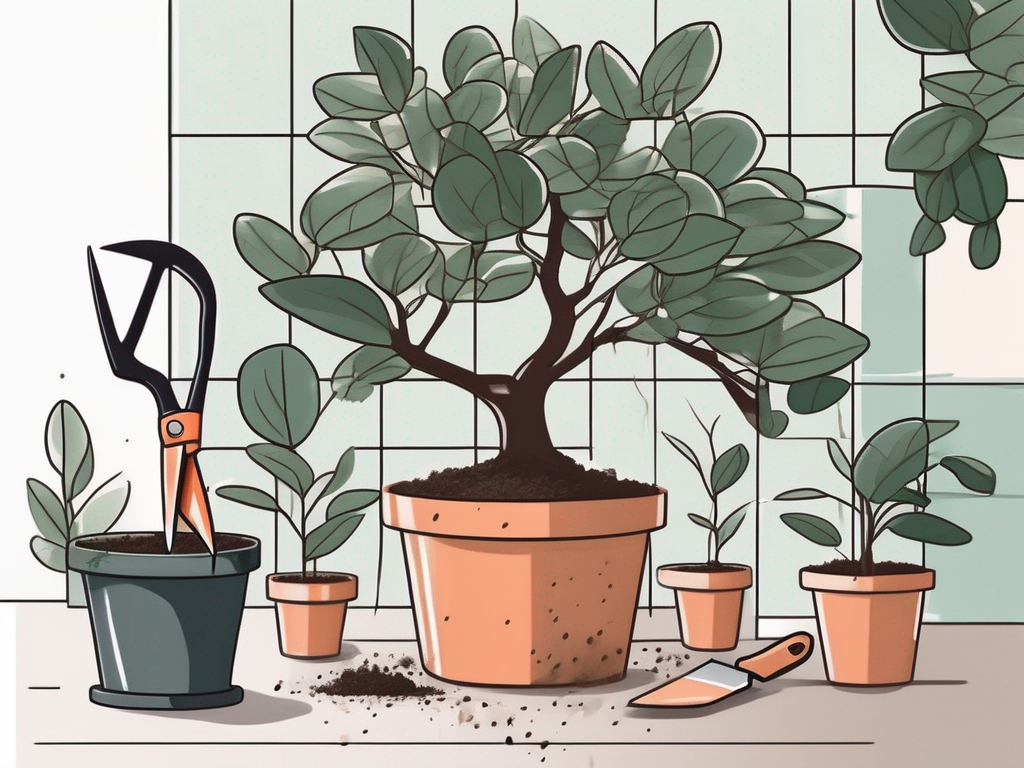
Next, gather your tools. You'll need:
- Potting soil (more on that in the next section)
- A clean pair of gardening gloves
- Pruning shears or scissors
- Your new pot
Having everything ready beforehand makes the process smoother and more enjoyable.
Picking the Perfect Soil Mix
The right soil mix can make or break your Ficus Microcarpa's transition to its new home. These plants prefer well-draining soil, so a standard potting mix may not be ideal on its own.
A good mix for Ficus Microcarpa often includes:
- Peat Moss or Coco Coir: These components help retain moisture without becoming soggy.
- Pine Bark: This adds structure and improves drainage.
- Perlite or Vermiculite: These help aerate the soil, preventing compaction.
You can either purchase a pre-mixed bonsai soil or create your own blend. Just remember, the goal is to provide enough drainage while retaining some moisture for the roots.
The Repotting Process
Here comes the exciting part—actually repotting your Ficus Microcarpa! Here's a step-by-step guide to ensure everything goes smoothly:
- Remove the Plant: Gently tip the pot on its side and slide the plant out. If it's stuck, you can tap the sides of the pot or use a knife to carefully loosen the edges.
- Trim the Roots: Once out, examine the roots. Trim away any that are dead, damaged, or excessively long. This encourages new growth and helps the plant settle into its new pot.
- Prepare the Pot: Add a layer of your soil mix to the bottom of the new pot.
- Position and Fill: Place your Ficus in the center of the pot. Fill around it with soil, pressing gently to eliminate air pockets. Make sure the plant is at the same depth it was in its previous pot.
- Water Thoroughly: Once potted, give your Ficus a good watering to help settle the soil.
And just like that, your Ficus Microcarpa has a new home!
Post-Repotting Care
After all that effort, you'll want to ensure your Ficus Microcarpa settles in well. Here's how you can help:
- Light: Place the plant in bright, indirect light. Too much direct sunlight can scorch the leaves, while too little can stunt its growth.
- Watering: Be cautious not to overwater after repotting. Allow the top inch of soil to dry out between waterings.
- Humidity: Ficus Microcarpa enjoys a bit of humidity. Consider misting the leaves or placing a humidity tray nearby.
It's normal for your plant to experience some shock after repotting. You might notice a few yellow leaves or slower growth. Give it some time to adjust, and avoid fertilizing for at least a month to let the roots settle.
Common Pitfalls and How to Avoid Them
Even with the best intentions, things can sometimes go awry. Here's a look at some common pitfalls and how to dodge them:
- Overwatering: This is probably the most common mistake. Make sure your new pot has excellent drainage, and don't water until the soil feels dry.
- Wrong Soil Mix: Remember, too much water retention can be harmful. Stick to a mix that offers good drainage.
- Too Much Sun: While Ficus Microcarpa loves light, direct sun can be too harsh. A spot with bright, indirect light is perfect.
By keeping these tips in mind, you'll greatly increase your chances of a successful repotting experience.
Why Repotting Matters
You might wonder why repotting is such a big deal in the first place. Well, just like you wouldn't want to live in a closet, your plant doesn't want to be cramped either. Repotting provides room for the roots to breathe and grow, which in turn supports healthy foliage and overall plant vitality.
Moreover, refreshing the soil gives your Ficus access to new nutrients, helping it maintain its lush appearance. It's a bit like giving your plant a spa day—new pot, new soil, and a little trim to keep it looking fabulous.
Repotting as a Design Opportunity
Repotting isn't just about plant health; it's also a chance to play with aesthetics in your home. Consider how the new pot complements your decor. Perhaps you want something sleek and modern, or maybe a rustic terracotta pot that adds warmth to your space.
Additionally, think about the placement of your plant. Does your Ficus Microcarpa have a prime spot where it can be the center of attention? Or could it pair nicely with other plants to create a lush indoor garden feel?
Remember, plants are a fantastic way to express your style and bring a bit of nature indoors. So have fun with it!
Final Thoughts
Repotting your Ficus Microcarpa might seem like a big task, but with a little patience and these tips, you'll have it thriving in no time. Remember to listen to your plant, choose the right pot and soil, and give it the love it deserves.
At Cafe Planta, we believe in the power of plants to transform spaces and lives. Whether you're looking for a new plant friend or need advice on plant care, feel free to email or DM us on Instagram. We're here to help you grow your indoor jungle and connect with nature in meaningful ways.