Philodendron Pink Princess has become a darling among plant lovers, thanks to its striking pink variegation and easy-going nature. If you're looking to expand your collection or share the love by gifting a friend, propagating this beauty in water is a fantastic option. It's an enjoyable and rewarding experience that lets you witness the magic of roots developing right before your eyes.
We'll take a journey through the step-by-step process of propagating the Philodendron Pink Princess in water. From gathering the right tools to caring for your new plant babies, we've got you covered. So, grab a cup of tea, sit back, and let's get started!
Understanding Your Philodendron Pink Princess
Before diving into the propagation process, it's important to get acquainted with the Philodendron Pink Princess. This plant is known for its unique pink and green leaves, which can bring a pop of color to any space. But what makes it so special is its variegation, a result of a genetic mutation that leads to the beautiful mix of pink and green. The plant grows best in bright, indirect light, which helps maintain its colorful leaves.
When choosing a mother plant for propagation, look for one that's healthy and well-established. A plant with multiple leaves and a robust stem is ideal, as it can handle the stress of propagation better than a weaker specimen. Plus, the healthier your starting plant, the more likely your cuttings will be successful. Keep in mind that patience is key, as it can take some time for your Pink Princess to establish itself after propagation.
Gathering Your Supplies
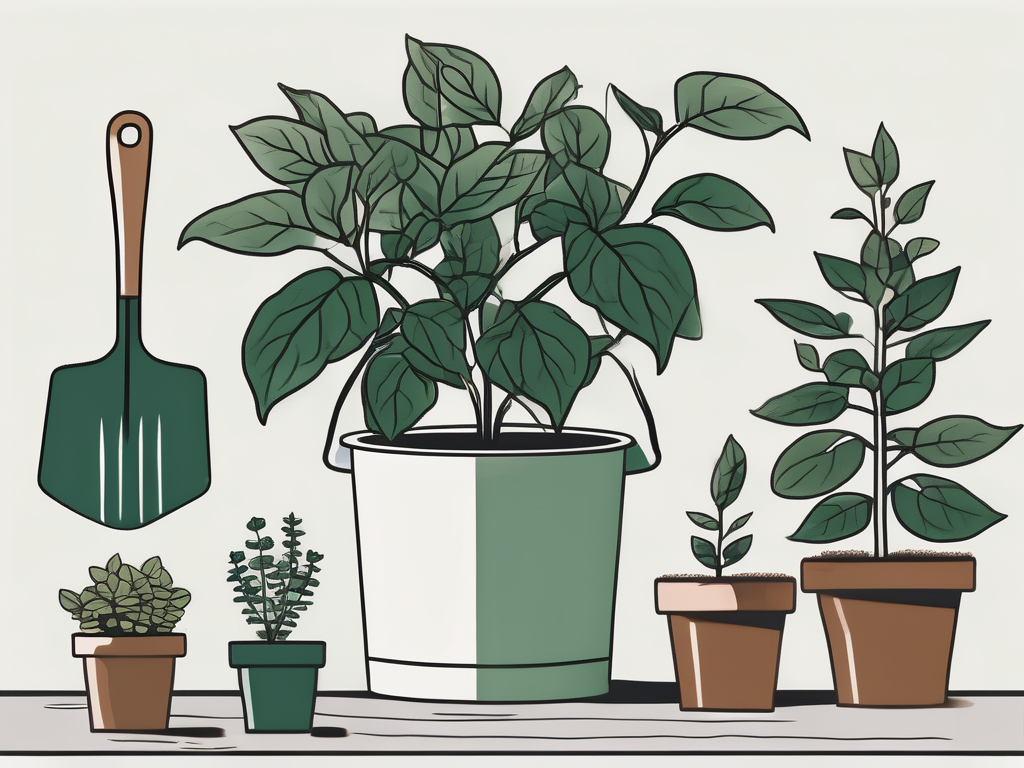
Now that you know a bit more about the Philodendron Pink Princess, it's time to gather your supplies. Here's a handy list of what you'll need:
- Sharp scissors or pruning shears: A clean, sharp tool ensures a clean cut and reduces the risk of infection.
- Clean glass or jar: Choose a container that allows you to see the roots developing. It's also easier to monitor water levels and cleanliness.
- Filtered or distilled water: Tap water can contain chemicals that might harm your plant, so opt for filtered or distilled water for the best results.
- Optional: Rooting hormone: While not strictly necessary, rooting hormone can speed up the rooting process and increase success rates.
Once you've gathered your supplies, you're ready to move on to the next step. Remember that having everything prepared before you start will make the process smoother and more enjoyable.
Making the Perfect Cut
With your tools at the ready, it's time to make the cut. Look for a healthy stem with at least two or three leaves and a node, which is the small bump where roots will eventually grow. The node is essential for successful propagation, so be sure not to skip this step!
Using your sharp scissors or pruning shears, make a clean cut just below the node. It's important to sterilize your tools before making the cut to prevent introducing any bacteria or pathogens to your plant. You can do this by wiping the blades with rubbing alcohol or a mild bleach solution.
Once you've made your cut, remove any leaves that are too close to the node. This will help ensure the node has room to grow roots without any obstruction. If you're using rooting hormone, dip the cut end into the powder or gel, making sure to cover the node completely.
Getting Your Cuttings into Water
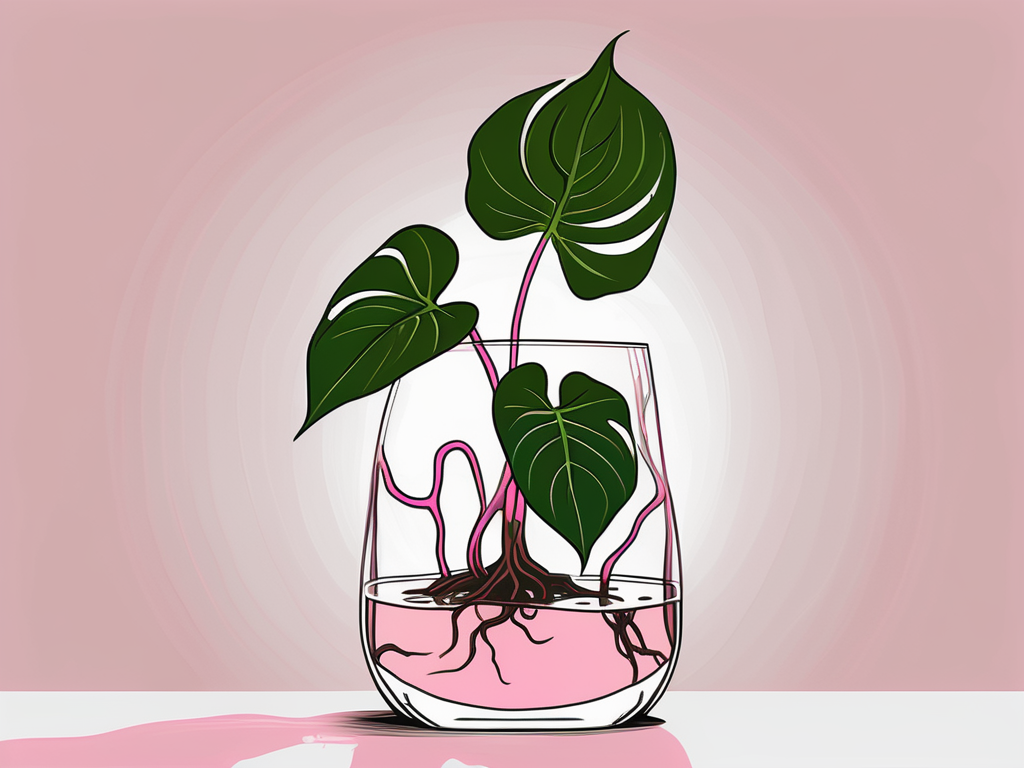
Now that you've got your cuttings, it's time to get them into the water. Fill your glass or jar with filtered or distilled water, making sure there's enough to cover the node but not the leaves. If the leaves are submerged, they could rot, which isn't ideal for your new plant baby.
Place your cutting in the water, ensuring the node is fully submerged. You can use a small piece of plastic wrap or a rubber band to hold the cutting in place if needed. Just be gentle, as you don't want to damage the delicate stem.
Find a cozy spot with bright, indirect light for your cuttings. Avoid direct sunlight, as it can cause the water to heat up, potentially harming your plant. A windowsill with filtered light or a spot near a bright window works well.
Monitoring and Maintaining Water Quality
Once your cuttings are in their new aquatic home, it's important to maintain the water quality. Change the water every few days or at least once a week to prevent bacterial growth and ensure your plant has access to fresh, oxygen-rich water.
Keep an eye on the water levels, as it can evaporate over time. Top up the water as needed to ensure the node stays submerged. If you notice any algae growth, give the container a good rinse and replace the water with fresh, clean water.
As you monitor your cuttings, be patient. Root growth can take anywhere from a few weeks to a couple of months, depending on factors like light and temperature. You might start to see small roots developing after a couple of weeks, but don't be discouraged if it takes a bit longer. Every plant is unique, and some may take their time to get going.
Transferring to Soil
Once your cuttings have developed a good root system, usually when the roots are about 2-3 inches long, it's time to transfer them to soil. Choose a well-draining potting mix, as Philodendrons are prone to root rot if the soil retains too much moisture. A mix with perlite or orchid bark can help improve drainage.
Find a pot with drainage holes to ensure excess water can escape. Fill the pot with your potting mix, leaving enough room for your cutting's roots to spread out comfortably. Gently place the cutting in the soil, making sure the roots are well-covered, and the plant is stable.
Water the plant thoroughly after transferring it to soil, allowing the water to drain out completely. This helps the roots settle into their new home and ensures they have access to much-needed moisture. Place your newly potted Pink Princess in a spot with bright, indirect light, similar to where it was during water propagation.
Ongoing Care for Your New Plant
Now that your Philodendron Pink Princess is happily potted in soil, it's time to focus on ongoing care. Philodendrons are pretty low-maintenance, but there are a few things to keep in mind to keep your plant thriving:
- Watering: Allow the top inch of soil to dry out before watering again. Overwatering can lead to root rot, so it's better to err on the side of caution.
- Light: Keep your Pink Princess in bright, indirect light to maintain its vibrant variegation. Too little light can cause the pink to fade, while too much direct sunlight can scorch the leaves.
- Humidity: Philodendrons love humidity, so consider placing your plant near a humidifier or misting it occasionally. Alternatively, you can place a pebble tray filled with water beneath the plant to boost humidity levels.
- Feeding: During the growing season (spring and summer), feed your Philodendron with a balanced liquid fertilizer every 4-6 weeks. This will help promote healthy growth and maintain its striking appearance.
Keep an eye out for any signs of pests or diseases, such as yellowing leaves or webbing. If you notice any issues, address them promptly to prevent them from spreading to other plants in your collection.
Embracing Trial and Error
Propagation can feel a bit like an experiment, and that's perfectly okay! Not every cutting will take, and sometimes things don't go as planned. But that's all part of the learning process, and each attempt brings you closer to understanding your plant's needs.
If a cutting doesn't root or starts to look unhealthy, don't be discouraged. Try again with a different cutting or adjust your approach. Perhaps a different part of the plant will yield better results, or maybe a slight change in lighting or temperature will make all the difference.
Remember, even seasoned plant parents encounter hiccups along the way. The important thing is to stay curious and keep experimenting. With time and practice, you'll become more attuned to what your Philodendron Pink Princess needs to thrive.
Sharing the Love
Once you've successfully propagated your Philodendron Pink Princess, why not share the love with fellow plant lovers? Gifting a new plant baby to a friend or family member is a wonderful way to spread joy and introduce others to the world of plants.
Package your new plant in a cute pot or container, and include a small care guide with tips on how to keep it happy and healthy. This thoughtful gesture can help new plant parents feel confident in their ability to care for their new green companion.
And who knows? Your gift might just spark a love for plants in someone new, creating a ripple effect of plant appreciation and care. It's a beautiful way to connect with others and share your passion for plants.
Creating a Plant Sanctuary
As you continue to propagate and grow your collection, consider how your plants can enhance your living space. A home filled with thriving plants can feel like a sanctuary, offering a sense of calm and connection to nature.
Think about how you can incorporate your Philodendron Pink Princess and other plants into your home decor. Perhaps a cluster of plants on a windowsill or a hanging planter in the corner can create a cozy, inviting atmosphere. Use plants to add texture, color, and interest to your home, and let them inspire your interior design style.
Don't be afraid to experiment with different arrangements and placements. Whether your style is minimalist or more eclectic, there's a way to incorporate plants that reflects your personality and makes your space uniquely yours.
Final Thoughts
Propagating the Philodendron Pink Princess in water is a delightful journey that offers a chance to connect with your plants and expand your collection. By understanding your plant's needs, making careful cuts, and nurturing new growth, you'll soon have a thriving new addition to your plant family.
At Cafe Planta, we believe in the power of plants to bring people together. If you have any questions about plant care or want to explore our selection of houseplants and plant-themed apparel, please feel free to email us or send a DM on Instagram. We're excited to help you on your plant journey!