Repotting a Pink Panther plant might seem like a big task at first, but it’s actually a rewarding experience that can help your plant thrive. With its distinctive pink and green leaves, this plant is a vibrant addition to any home, and giving it the proper space to grow will keep it looking its best.
Throughout this guide, we’ll walk you through each step of the repotting process. From choosing the right pot and soil to actually moving your plant, we’ve got all the bases covered. So, grab your gardening gloves, and let's get started on giving your Pink Panther plant the home it deserves.
Understanding Your Pink Panther Plant’s Needs
The Pink Panther plant, also known as Callisia repens, is a trailing succulent that’s loved for its striking pink and green foliage. This plant is relatively low-maintenance, but like any plant, it has specific needs that must be met to ensure it stays healthy.
Firstly, let’s talk about light. These plants thrive in bright, indirect light. Too much direct sunlight can scorch their leaves, while too little light can dull their vibrant colors. If you notice your plant’s colors fading, it might be time to consider its lighting situation.
Watering is another critical aspect. Pink Panther plants prefer their soil to dry out a bit between waterings. Overwatering can lead to root rot, a common issue that can severely affect your plant's health. On the flip side, if your plant's leaves start to look shriveled, it might be thirsty.
Lastly, these plants appreciate a well-draining soil mix. A combination of potting soil, perlite, and sand usually works well. This mix ensures that excess water drains away quickly, preventing the roots from sitting in water.
Signs It’s Time to Repot
How do you know when your Pink Panther plant needs repotting? There are a few telltale signs to watch out for, and recognizing them early can make a big difference in your plant’s health.
One of the most obvious indicators is root bound. If you notice roots poking out from the drainage holes of the pot, it’s a clear sign that your plant needs more space. A root-bound plant can’t absorb nutrients effectively, leading to stunted growth.
Another sign is the overall health of the plant. If your plant isn’t thriving despite proper care, it could be that the soil has become compacted or depleted of nutrients. Repotting provides fresh soil, which can rejuvenate your plant.
Additionally, if you find that you’re watering your plant more frequently than usual, it might be because the roots have taken up all the space, leaving little room for water to be retained. A larger pot allows for a better balance of root and soil.
Choosing the Right Pot
When it comes to selecting a new pot for your Pink Panther plant, size and material are the two main factors to consider. The new pot should be about 1-2 inches larger in diameter than the current one. This gives the roots room to grow without overwhelming them with too much space.
Material-wise, terracotta pots are a popular choice because they’re porous, allowing air and moisture to pass through and keeping the soil from becoming waterlogged. However, they do dry out faster, so you’ll need to monitor the soil moisture more closely.
Plastic pots, on the other hand, retain moisture longer and are lighter, making them easier to move around. They’re also generally more affordable. If you choose plastic, make sure it has adequate drainage holes to prevent water from sitting at the bottom.
Ultimately, the choice of pot depends on your personal preference and the conditions in your home. Just remember, proper drainage is essential, no matter which type of pot you choose.
Gathering Your Supplies
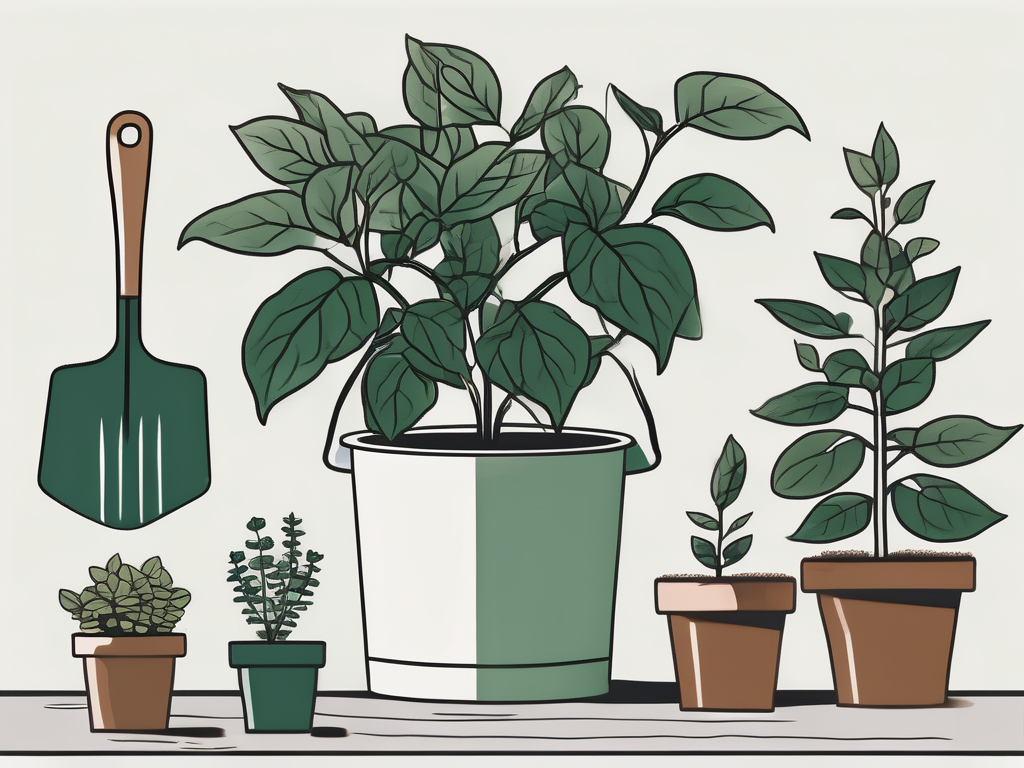
Before you start the repotting process, it’s important to gather all the necessary supplies. Having everything on hand will make the process smoother and less stressful for both you and your plant.
Here’s a list of what you’ll need:
- New pot: As discussed, choose one that’s 1-2 inches larger in diameter.
- Potting mix: A well-draining mix, such as a combination of potting soil, perlite, and sand.
- Watering can: To water your plant after repotting.
- Gardening gloves: These will protect your hands from dirt and any sharp edges.
- Pruning shears: In case you need to trim any dead or damaged roots.
- Tarp or newspaper: To protect your work surface from soil spills.
Once you’ve gathered your supplies, you’re ready to move on to the next step: preparing the new pot.
Preparing the New Pot
Preparing your new pot is a crucial step that sets the stage for a successful repotting. Start by ensuring that the pot has adequate drainage. If your pot doesn’t already have holes, you might need to drill some. Proper drainage prevents water from accumulating at the bottom, which can lead to root rot.
Next, cover the drainage holes with a small piece of mesh or a coffee filter. This prevents soil from washing out while still allowing water to escape. You don’t want to lose all that precious soil you just added!
Once the drainage is sorted, add a layer of your potting mix to the bottom of the pot. This layer should be thick enough to allow the plant to sit at the same level as it did in its old pot. Too deep, and you risk burying the stem, which can lead to rot. Too shallow, and the roots might be exposed.
With the pot prepared, you’re now ready to transition your plant to its new home. Remember to handle your Pink Panther plant with care during this next step.
Removing the Plant from Its Current Pot
This part can be a bit nerve-wracking, but with some patience and gentle handling, you’ll have your Pink Panther plant out of its old pot in no time. Start by gently squeezing the sides of the pot to loosen the soil. If the plant is in a plastic pot, this step should be fairly easy.
If the plant doesn’t slide out easily, you can try gently tapping the bottom of the pot while supporting the plant with your other hand. Be careful not to pull on the stems, as they can break easily.
Once the plant is free, inspect the roots. Healthy roots should be white or light tan and firm to the touch. If you notice any dark, mushy areas, these are likely signs of root rot. Use your pruning shears to trim away any damaged roots.
After trimming, gently loosen the remaining roots. This helps them spread out in their new pot. Be careful not to damage the root system, as this can set your plant back.
Repotting Your Pink Panther Plant
Now comes the exciting part—placing your Pink Panther plant in its new pot! Start by holding the plant in the center of the pot. Make sure it’s sitting at the same depth as it was in the old pot. This ensures that the stem is not buried, which could lead to rot.
With the plant in place, begin adding the potting mix around the roots. Use your fingers to gently press the soil down, ensuring there are no air pockets. Be careful not to pack the soil too tightly, as this can restrict root growth.
Once the plant is secure, give it a good drink of water. This helps the soil settle and ensures the roots have the moisture they need to adjust to their new environment.
After watering, it’s a good idea to let the plant rest in a spot with indirect light for a few days. This gives it time to recover from the move without the added stress of direct sunlight.
Aftercare Tips for a Happy Plant
Your plant is now repotted and ready to continue its journey in your home. However, the work doesn’t stop here. Proper aftercare is crucial to ensure your Pink Panther plant thrives in its new pot.
First up, monitor your plant’s watering needs. The fresh soil might retain water differently than the old mix, so keep an eye on moisture levels. A good rule of thumb is to water when the top inch of soil feels dry.
Next, consider fertilizing your plant. After a month or so, you can start using a balanced liquid fertilizer once a month during the growing season. This provides your plant with the nutrients it needs to maintain its vibrant color and healthy growth.
Finally, continue to provide your plant with plenty of bright, indirect light. If you notice the leaves losing their pink hue, it might be a sign that the plant needs more light.
With these aftercare tips, your Pink Panther plant should continue to flourish and add a pop of color to your home.
Final Thoughts
Repotting your Pink Panther plant might seem like a lot of steps, but taking the time to do it right will pay off in the long run. By understanding your plant’s needs and providing it with the right environment, you’re setting it up for success.
At Cafe Planta, we’re passionate about helping you care for your houseplants. Whether you’re looking for a new addition to your collection or need some expert advice, we’re here to help. Feel free to email us or send us a message on Instagram. We believe that plants have the power to bring people together, and we’re excited to share our love of plants with you!