Have you ever found yourself staring at a vibrant, colorful plant display, unsure if you're looking at an African Violet or a Cyclamen? These two popular houseplants are often admired for their striking flowers and lush foliage, but they have distinct differences that can confuse even experienced plant lovers.
In this article, we'll explore the differences between African Violets and Cyclamens, covering everything from their origins and care requirements to their unique characteristics. By the end, you'll be well-equipped to identify and nurture these beautiful plants in your home.
Origins and Natural Habitat
Understanding where a plant comes from can offer valuable insights into its care needs. African Violets and Cyclamens hail from different parts of the world and thrive in varying conditions.
African Violets: These charming plants originate from the tropical rainforests of East Africa, particularly in Tanzania and Kenya. In their native habitat, African Violets grow in the shaded, humid environment of forest floors. This setting provides them with the warm temperatures and filtered light they prefer.
Cyclamens: On the other hand, Cyclamens are native to the Mediterranean region, including parts of Europe and the Middle East. They are accustomed to cooler climates, often thriving in woodland and rocky areas. Cyclamens experience a natural dormancy period during the hot, dry summers, bursting into bloom with the arrival of cooler, wetter weather in fall and winter.
Understanding these origins helps you mimic the natural conditions each plant prefers, ensuring they stay healthy and vibrant in your care.
Appearance and Flowering
When it comes to appearance, African Violets and Cyclamens have distinct characteristics that set them apart. Let's take a closer look at what makes each one unique.
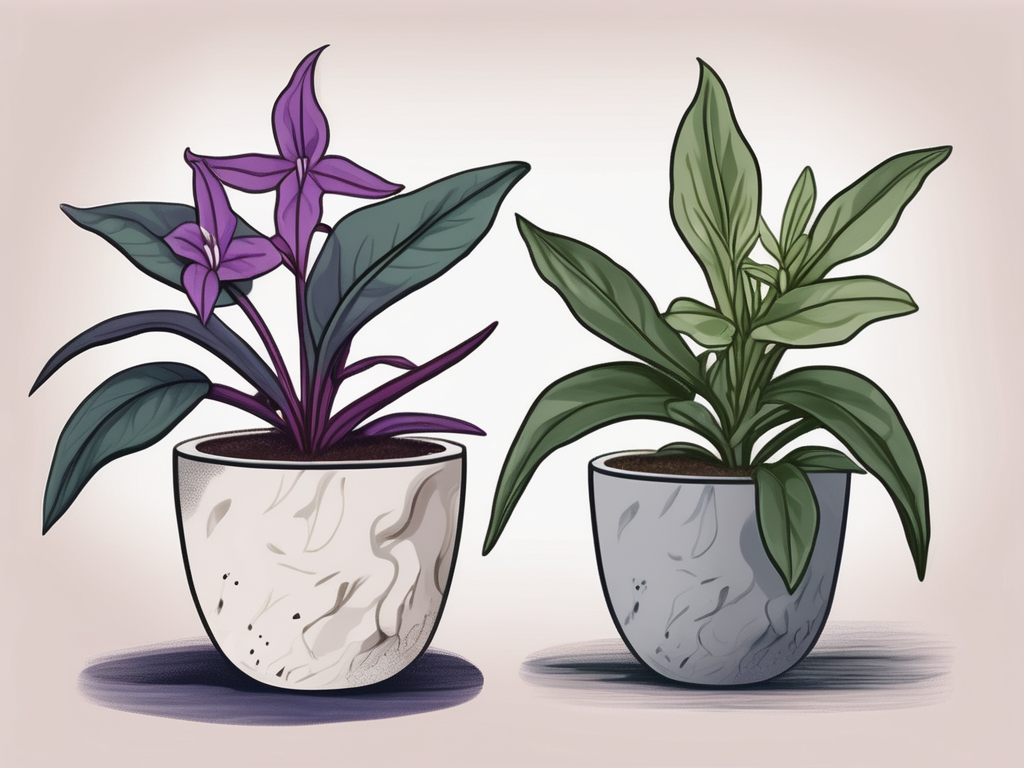
African Violets: These plants are known for their fuzzy, velvety leaves that often sport a rosette shape. Their flowers are small but abundant, typically appearing in shades of purple, pink, white, or blue. African Violets bloom throughout the year, providing a constant splash of color when cared for correctly.
Cyclamens: Cyclamens are celebrated for their elegant, butterfly-like flowers that rise above heart-shaped, marbled leaves. The flowers are usually found in shades of pink, red, white, or purple. Unlike African Violets, Cyclamens bloom primarily in the fall and winter, making them a popular choice for adding color during the colder months.
If you're drawn to plants with continuous blooms, African Violets might be your go-to. But if you prefer seasonal surprises, Cyclamens offer a delightful winter display.
Light Requirements
Both African Violets and Cyclamens require specific lighting conditions to thrive, but their needs differ slightly due to their origins.
African Violets: These plants prefer bright, indirect light. Direct sunlight can scorch their delicate leaves, so it's best to place them near a north or east-facing window. If you notice your African Violet leaning toward the light, try rotating the pot every week to encourage even growth.
Cyclamens: Cyclamens enjoy bright, indirect light as well, but they can tolerate slightly less light than African Violets. A location with filtered light, such as a west or south-facing window with a sheer curtain, is ideal. Too much direct sunlight can cause their leaves to yellow and become less vibrant.
By paying attention to the light preferences of your plants, you can ensure they stay healthy and continue to produce beautiful blooms.
Watering and Humidity
Watering habits can make or break the health of your houseplants. African Violets and Cyclamens have different watering needs, so it's essential to understand how to keep them happy.
African Violets: These plants thrive in consistent moisture but dislike being waterlogged. It's best to water them from the bottom by placing the pot in a saucer filled with water and allowing the plant to soak up what it needs. This method prevents water from settling on the leaves, which can cause rot. African Violets also appreciate higher humidity, so consider placing them on a humidity tray or grouping them with other humidity-loving plants.
Cyclamens: Cyclamens prefer to be watered from the bottom as well, but they need a bit more drying out between waterings compared to African Violets. Allow the soil to dry out slightly before watering again, and be cautious not to wet the crown of the plant. During their dormancy period, reduce watering significantly to let them rest.
By adjusting your watering routine to fit each plant's needs, you can keep them thriving and prevent common issues like root rot or leaf yellowing.
Soil and Potting
The right soil and potting setup can make a big difference in the health of your African Violets and Cyclamens. Let's explore what each plant prefers.
African Violets: These plants require a well-draining potting mix that's slightly acidic. You can purchase a commercial African Violet mix or create your own by combining equal parts peat moss, perlite, and vermiculite. Make sure to use a pot with drainage holes to prevent water from accumulating at the bottom.
Cyclamens: Cyclamens also appreciate well-draining soil but prefer a slightly different mix. A combination of potting soil, perlite, and sand works well, allowing excess moisture to escape easily. When potting Cyclamens, plant the corm (the bulb-like structure) with the top just above the soil surface to prevent rot.
By providing the right soil environment, you can support robust root systems and vibrant growth for both African Violets and Cyclamens.
Common Pests and Problems
Like all houseplants, African Violets and Cyclamens can face challenges from pests and diseases. Here's how to identify and address some common issues.
African Violets: These plants are susceptible to pests like aphids, mealybugs, and thrips. Regularly inspect your plants for signs of infestation, such as sticky residue or discolored leaves. If you spot pests, gently clean the leaves with a damp cloth or use insecticidal soap. African Violets are also prone to root rot if overwatered, so ensure proper drainage and avoid wetting the leaves.
Cyclamens: Cyclamens can fall victim to pests like spider mites and aphids. Keep an eye out for webbing or tiny insects on the leaves. Address infestations with insecticidal soap or neem oil. Cyclamens are also sensitive to overwatering, leading to crown rot. Ensure the soil is well-draining and avoid watering the crown.
By staying vigilant and addressing issues promptly, you can keep your African Violets and Cyclamens healthy and thriving.
Temperature Preferences
Temperature plays a crucial role in the well-being of African Violets and Cyclamens. Understanding their preferences can help you create an ideal environment for each.
African Violets: These plants prefer temperatures between 65°F and 75°F (18°C to 24°C) and can be sensitive to drafts or sudden temperature changes. Keep them away from cold windows or heating vents to maintain a stable environment.
Cyclamens: Cyclamens thrive in cooler temperatures, ideally between 50°F and 65°F (10°C to 18°C). They perform best in a cool, well-ventilated room and tend to suffer in excessively warm conditions. If your home is warmer, consider placing Cyclamens in a north-facing room or near a window with good air circulation.
By tailoring the temperature to suit each plant's needs, you can support healthy growth and vibrant blooms.
Decorative Uses in Interior Design
Both African Violets and Cyclamens can add a splash of color and elegance to your home decor. Let's explore some creative ways to incorporate these plants into your living spaces.
African Violets: Their compact size and continuous blooms make African Violets perfect for small spaces, like windowsills or tabletops. Consider placing them in decorative pots that complement your interior style. Grouping a few African Violets together can create a stunning focal point, especially if you mix different flower colors.
Cyclamens: With their striking flowers and unique foliage, Cyclamens are ideal for adding interest to larger spaces, like living rooms or entryways. Use them as centerpieces on dining tables or as accents on mantels. Cyclamens pair well with other winter-flowering plants, creating a cohesive seasonal display.
By incorporating African Violets and Cyclamens into your home decor, you can enjoy their beauty while enhancing the overall aesthetic of your living spaces.
Propagation and Growth
If you're interested in expanding your plant collection, both African Violets and Cyclamens can be propagated, albeit through different methods.
African Violets: These plants are relatively easy to propagate using leaf cuttings. Simply take a healthy leaf from the parent plant and cut the stem to about an inch in length. Place the stem in water or directly into a small pot of moist soil. Within a few weeks, roots and new plantlets should begin to form.
Cyclamens: Propagating Cyclamens is a bit more challenging, as they don't propagate well from leaf cuttings. Instead, you can propagate by dividing the corms. Wait until the plant is dormant, then gently separate the corms into smaller sections, ensuring each has a portion of the root system. Plant the divisions in well-draining soil and water sparingly until new growth appears.
Propagation can be a rewarding way to multiply your favorite plants and share them with friends or family.
Final Thoughts
African Violets and Cyclamens each have their unique charm and care needs. By understanding their differences—from origins and appearance to light and watering requirements—you can create a thriving, colorful plant collection in your home.
At Cafe Planta, we love sharing our passion for plants with you. Whether you're looking for advice on plant care or searching for the perfect addition to your collection, we're here to help. Feel free to email us or reach out on Instagram. Let's connect and explore the wonderful world of plants together.