Ever find yourself standing in a nursery, captivated by the vibrant blossoms of African Violets and Kalanchoes, only to leave wondering what exactly sets these beautiful plants apart? You're not alone. These two popular houseplants have more differences than meets the eye, and understanding them can help you choose the right one for your indoor garden.
In this article, we'll explore the distinct characteristics of African Violets and Kalanchoes, covering everything from their unique appearances and care needs, to how they fit into your home's interior design. By the end, you'll feel more confident in picking the perfect plant companion to brighten your space.
Appearance and Origins
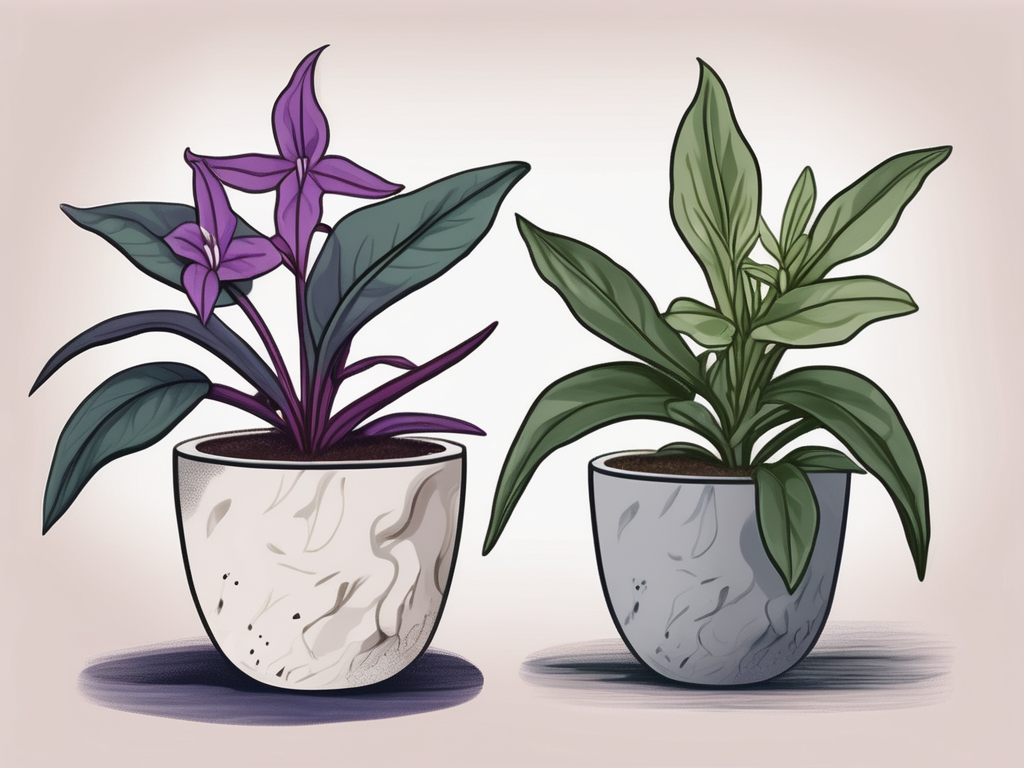
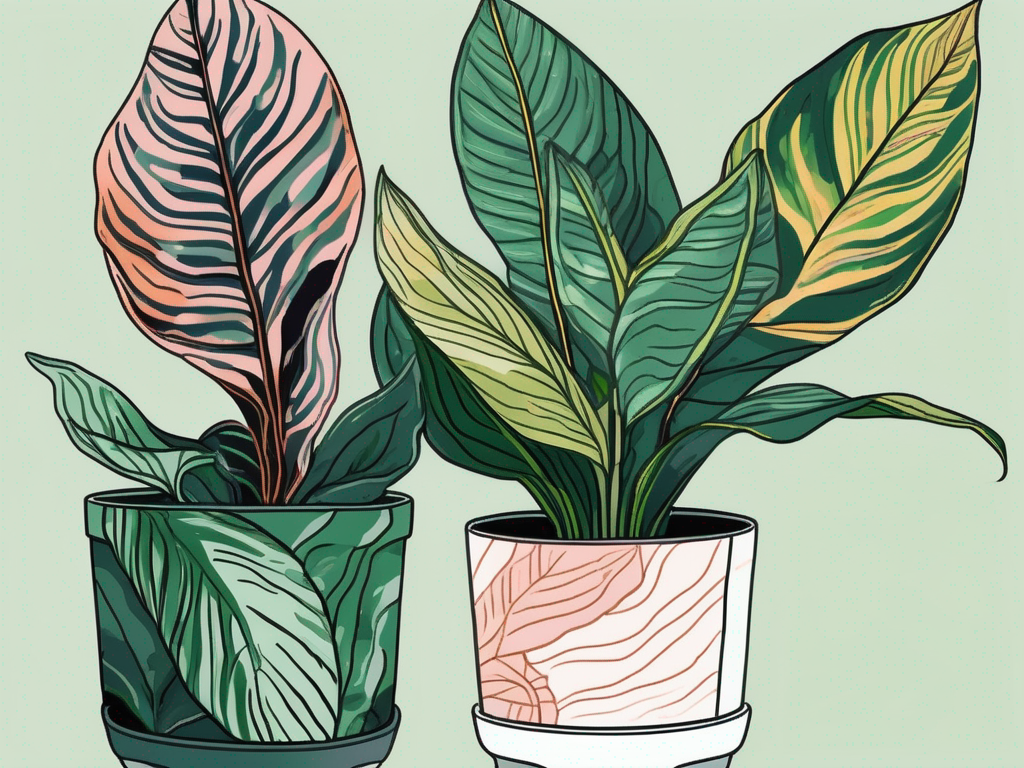
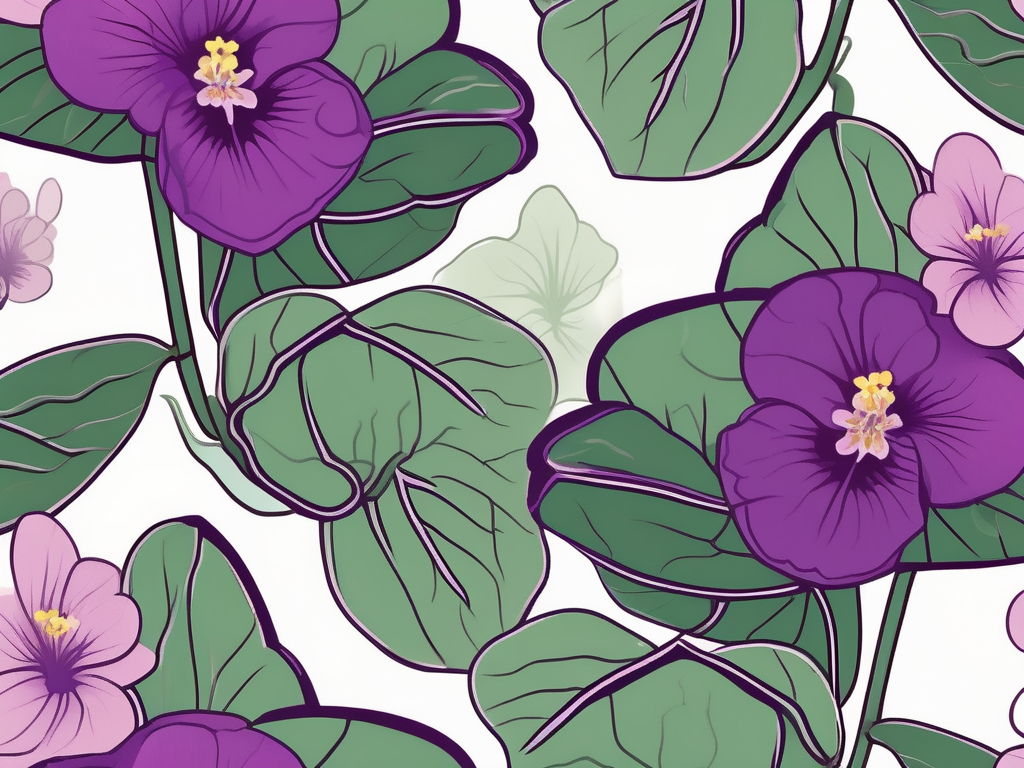
Let's start with the most obvious difference: how these two plants look and where they come from. African Violets, scientifically known as Saintpaulia, are native to the tropical rainforests of Tanzania and Kenya. They're famous for their delicate, velvety leaves and small, eye-catching blooms that come in a range of colors, including purple, pink, and white. Their compact size makes them a favorite for windowsills and small spaces.
On the other hand, Kalanchoes, part of the Crassulaceae family, hail from Madagascar and other parts of Africa. These succulents are known for their fleshy leaves and long-lasting blooms that come in vibrant shades of red, yellow, pink, and orange. Kalanchoes tend to be a bit larger and more robust than African Violets, with some varieties growing up to 18 inches tall.
In terms of display, African Violets often steal the spotlight with their charming, soft appearance, while Kalanchoes add a bold splash of color and texture to any room. Choosing between them often comes down to personal preference and the aesthetic you're aiming for in your home.
Light Requirements
One of the key factors in keeping any houseplant happy is providing the right amount of sunlight. African Violets thrive in bright, indirect light. Direct sunlight can scorch their leaves, so a north or east-facing window is usually ideal. If your home lacks natural light, fear not—African Violets do quite well under fluorescent lights, making them great for office spaces too.
Kalanchoes, being succulents, prefer bright, direct sunlight. A south-facing window is perfect for them, as they soak up the sun's rays and flourish. However, if your Kalanchoe starts looking leggy or its blooms fade, it might be a sign that it's not getting enough light. Simply move it to a sunnier spot, and it should perk up in no time.
Balancing light for these plants can be a fun little challenge. African Violets are perfect if you have a spot that's bright but not sun-drenched, while Kalanchoes are your go-to for those sunny windows that might be too intense for other houseplants.
Watering Needs
When it comes to watering, African Violets and Kalanchoes have different needs, which can influence which plant might be easier for you to care for. African Violets prefer consistent moisture, but they're also sensitive to overwatering. It's best to water them from the bottom, allowing them to soak up water through the pot's drainage holes. This avoids getting their leaves wet, which can lead to rot.
For African Violets, follow this simple routine:
- Water when the soil feels dry to the touch.
- Use room-temperature water to avoid shocking the roots.
- Ensure the pot has good drainage to prevent waterlogging.
Kalanchoes, being succulents, prefer to dry out between waterings. They're more drought-tolerant and can handle a bit of neglect, making them a great choice for busy plant parents or those who might forget a watering or two. The key is to let the soil dry out completely before giving them a thorough soaking.
For Kalanchoes, keep these tips in mind:
- Water thoroughly, then let the soil dry out completely.
- Avoid letting the plant sit in water, as this can cause root rot.
- In winter, reduce watering as the plant's growth slows down.
By understanding these watering preferences, you can ensure your African Violets and Kalanchoes remain healthy and vibrant, each with their own unique charm.
Temperature and Humidity
Temperature and humidity play a crucial role in plant health, especially for tropical plants like African Violets. They thrive in temperatures between 65°F and 75°F, similar to the average home environment. However, they do appreciate a bit more humidity. If your home is particularly dry, consider placing a small humidifier nearby or setting the pot on a tray of wet pebbles to boost the moisture in the air.
Kalanchoes, being more resilient, adapt well to a range of temperatures, ideally between 60°F and 85°F. They don't require high humidity, which makes them ideal for drier homes. That said, they do appreciate a warm spot, especially during the colder months.
If you're looking for a plant that's easygoing and can adapt to varying indoor climates, Kalanchoes are a solid choice. African Violets, while a bit more particular, reward you with their stunning blooms if you keep them cozy and slightly humid.
Soil and Potting
Choosing the right soil and pot is another important aspect of plant care that can make or break your indoor garden success. African Violets prefer a light, well-aerated soil mix designed specifically for them. These mixes usually contain peat moss, vermiculite, and perlite, which ensure proper drainage and air circulation around the roots.
Here's a quick soil mix guide for African Violets:
- 1 part peat moss
- 1 part vermiculite
- 1 part perlite
As for potting, African Violets do well in shallow pots with good drainage, as they have a shallow root system.
Kalanchoes, on the other hand, thrive in a gritty, well-draining soil mix, much like other succulents. A cactus or succulent potting mix works perfectly. If you're mixing your own, aim for a combination that includes sand or grit to improve drainage.
Consider this mix for Kalanchoes:
- 2 parts cactus mix
- 1 part perlite or pumice
- 1 part sand or grit
Kalanchoes appreciate being in pots with drainage holes to prevent water from pooling at the bottom. Both plants will benefit from repotting every year or two, depending on their growth.
Fertilizing and Feeding
Fertilizing your plants is like giving them a little extra love, and both African Violets and Kalanchoes enjoy occasional feedings to stay healthy and bloom beautifully. African Violets benefit from a balanced, water-soluble fertilizer that's high in phosphorus, which promotes blooming. During the growing season, typically spring through fall, you can feed them every 4-6 weeks.
For African Violets, follow these fertilizing tips:
- Use a fertilizer specifically for African Violets or a balanced 20-20-20 formula.
- Feed lightly, as too much fertilizer can damage the roots.
- Reduce feeding in the winter when growth naturally slows down.
Kalanchoes don't require as much feeding. A diluted, balanced fertilizer applied once during the growing season is usually sufficient. However, if you're aiming for abundant blooms, you can feed them a bit more frequently, about once a month, during spring and summer.
For Kalanchoes, consider these feeding guidelines:
- Use a general-purpose houseplant fertilizer diluted to half-strength.
- Feed sparingly to avoid salt buildup in the soil.
- Skip fertilizing in the fall and winter as the plant's growth slows.
By understanding and adjusting the feeding routine for each plant, you can encourage healthier growth and more vibrant blooms, making your indoor garden even more spectacular.
Dealing with Pests and Diseases
Even the most diligent plant parents encounter pests and diseases from time to time. African Violets can be prone to pests like aphids, mites, and mealybugs. The key is to catch these invaders early. Regularly inspect your plants, and if you spot any pests, treat them with a gentle insecticidal soap or neem oil.
African Violets can also suffer from fungal issues, like powdery mildew or root rot. Ensuring good air circulation and avoiding overhead watering can help prevent these problems. If you notice signs of fungal disease, such as white powder on the leaves or wilting, address it promptly with a fungicide.
Kalanchoes are generally more resistant to pests, but they can occasionally attract aphids or spider mites. Like with African Violets, regular checks and early treatment with insecticidal soap are effective measures. Kalanchoes can also develop root rot if overwatered, so maintaining proper watering habits is crucial.
By staying vigilant and taking quick action, you can keep your African Violets and Kalanchoes healthy and thriving, free from pesky pests and diseases.
Incorporating into Interior Design
Both African Violets and Kalanchoes can add a splash of color and life to your home, but how you incorporate them into your design can depend on the look you're going for. African Violets, with their soft, velvety texture and compact size, are perfect for adding a touch of elegance to a windowsill or a small tabletop arrangement. Pair them with complementary pots and place them in groups for a more dramatic effect.
Kalanchoes, with their striking blooms and succulent nature, make a bold statement in any room. They're great for adding height and color to a plant shelf or as a centerpiece on a dining table. Consider using contrasting pots or decorative planters to enhance their appeal.
Here are a few ideas for showcasing these plants:
- For African Violets: Use decorative saucers or trays to group several plants together, highlighting their varied colors.
- For Kalanchoes: Place them in modern, minimalist pots to draw attention to their vibrant blooms.
- Mix and match both plants with other houseplants for a diverse and dynamic plant display.
Whether you're aiming for a cozy, cottage-style interior or a sleek, contemporary look, both African Violets and Kalanchoes offer versatility and beauty to enhance your home.
Choosing the Right Plant for You
So, how do you decide between the two? It often comes down to your personal preferences, lifestyle, and the specific conditions of your home. If you love a plant that offers a soft, classic charm and you're willing to pamper it a bit, African Violets might be your perfect match. They're ideal for plant lovers who enjoy a hands-on approach and have a knack for creating the right environment.
On the other hand, if you prefer a low-maintenance, hardy plant that still offers a pop of color, Kalanchoes are a fantastic choice. They're great for those who might travel frequently or prefer a more laid-back plant care routine.
Consider these points when choosing:
- Time and Attention: African Violets require more consistent care, while Kalanchoes are more forgiving.
- Light Availability: African Violets thrive in indirect light, whereas Kalanchoes love bright, direct sun.
- Interior Style: African Violets add a soft, traditional touch, while Kalanchoes bring bold color and texture.
Ultimately, whether you choose African Violets, Kalanchoes, or both, embracing their unique needs and characteristics can lead to a thriving indoor garden that reflects your personality and style.
Final Thoughts
So there you have it—a close look at the differences between African Violets and Kalanchoes, from their origins to their care needs. Whether you're drawn to the delicate beauty of African Violets or the vibrant resilience of Kalanchoes, each plant brings its unique charm to your home.
At Cafe Planta, we're passionate about helping you find the right plants for your space. We offer a wide range of houseplants, care accessories, and even plant-themed apparel for those who love to connect with nature. If you have any questions or need advice, feel free to email us or send a message on Instagram. Let's create a beautiful, thriving plant collection together!