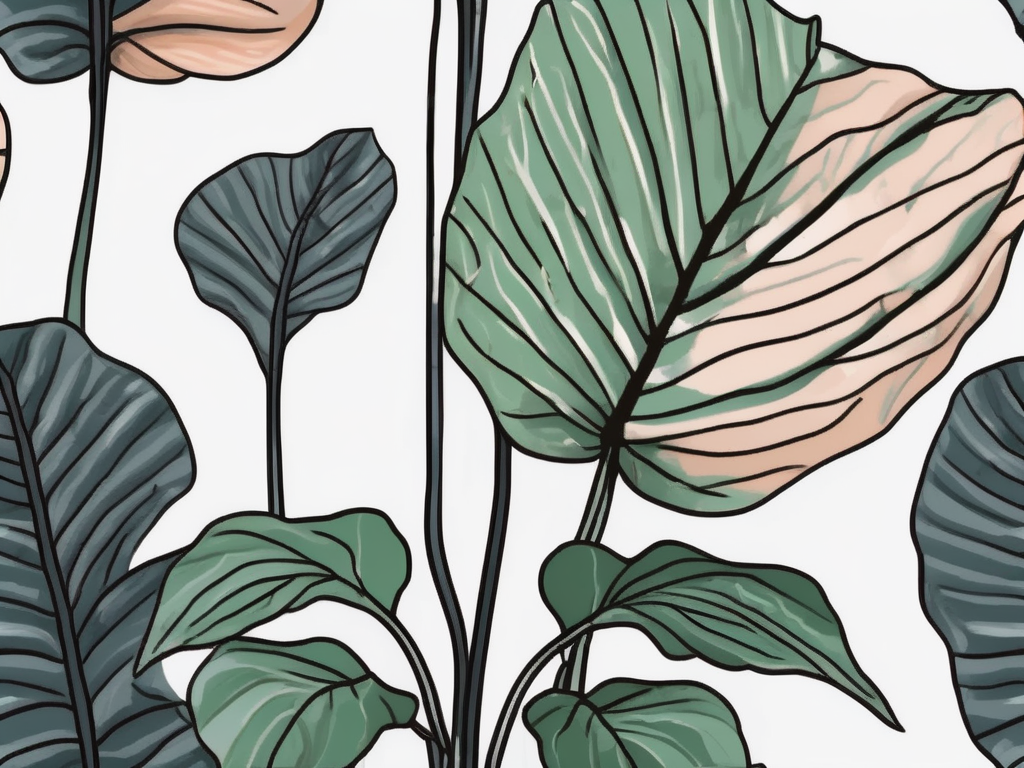
Alocasia Polly and Elephant Ear are two plant names that often get thrown around in the same conversations, leaving many folks scratching their heads, wondering if they’re talking about the same plant or two different ones. While they might look like long-lost cousins with their dramatic foliage, these two plants have unique characteristics that set them apart.
If you’ve ever pondered over which one to bring home or how to care for each, you’re in the right place. We'll untangle the differences between Alocasia Polly and the broader category of Elephant Ear plants, covering their characteristics, care needs, and how to make them shine in your home.
Getting to Know Alocasia Polly
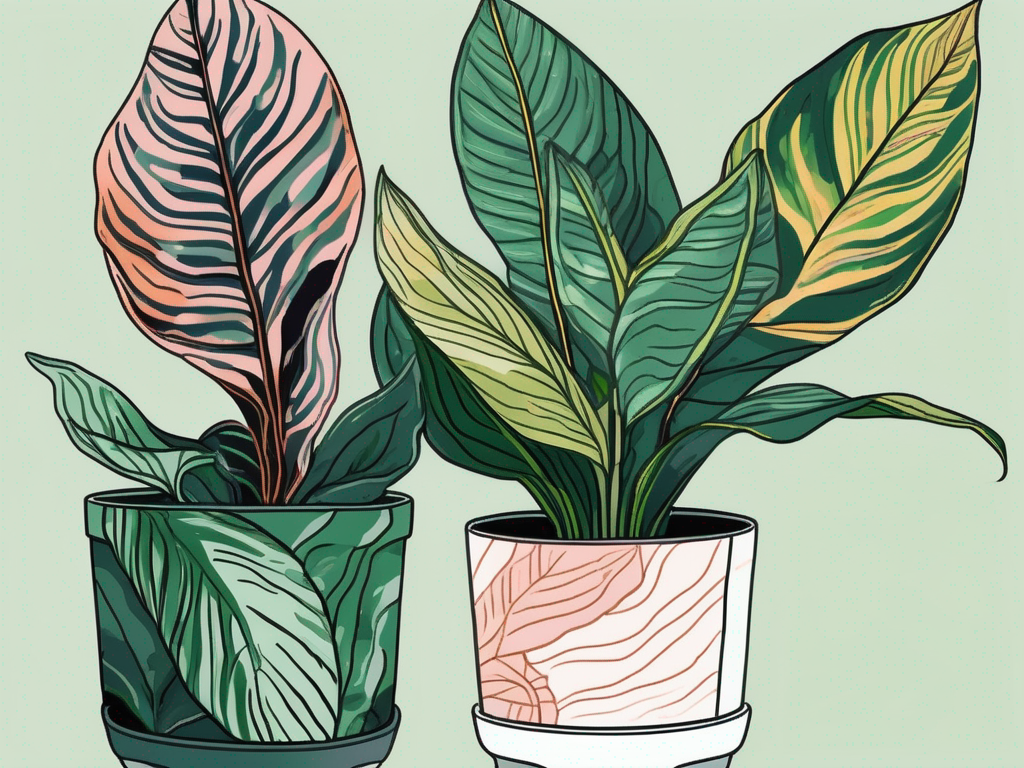
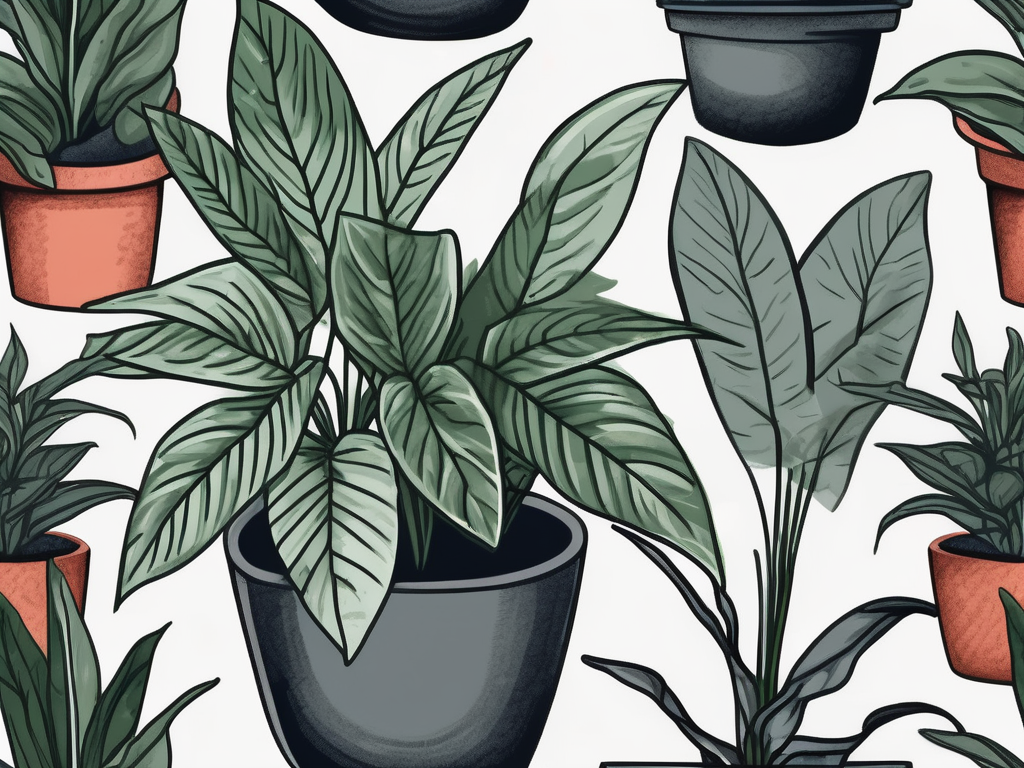
Let’s start with Alocasia Polly, the diva of houseplants with its striking appearance. Sometimes called African Mask or Amazon Taro, Alocasia Polly boasts large, arrow-shaped leaves with bold vein patterns that contrast beautifully with their deep green color. Despite its exotic look, it’s actually a hybrid variety, specifically bred for indoor use, which explains its popularity among plant lovers.
Alocasia Polly is part of the Alocasia genus, which includes about 79 species. These plants are native to subtropical Asia and Eastern Australia, but Polly itself is a man-made hybrid. The plant stands out for its glossy, dark leaves and thick stems, adding an exotic touch to any room. But beware, this plant's beauty comes with a price—it can be a bit finicky about its environment.
For those who enjoy a challenge, Alocasia Polly is perfect. It thrives in bright, indirect light, and it’s quite particular about its humidity levels. A humidifier or regular misting might become your new best friend. It prefers temperatures between 65°F to 80°F (18°C to 27°C), making it a bit of a diva when it comes to cold drafts. Keep it away from windows in winter to prevent leaf damage.
What Exactly Is an Elephant Ear Plant?
The term "Elephant Ear" is more of an umbrella term that covers a few different genera of plants, including Alocasia, Colocasia, and Xanthosoma. These plants are prized for their large, lush leaves that resemble—you guessed it—elephant ears. They’re typically grown outdoors in warmer climates but can also do well indoors if you have enough space and the right conditions.
While Alocasia Polly falls under the Elephant Ear category, it’s just one of many types. Colocasia, for instance, is another popular Elephant Ear variety, commonly known as Taro. Unlike Alocasia, which prefers to stay fairly dry, Colocasia loves moisture and can even thrive in wet, swampy conditions.
The Elephant Ear plants are generally hardy and can grow quite large, making them great for creating a tropical atmosphere either inside your home or in your garden. They are often used as statement pieces due to their size and leaf shape, which can range from heart to shield-shaped, depending on the specific variety.
Spotting the Differences in Appearance
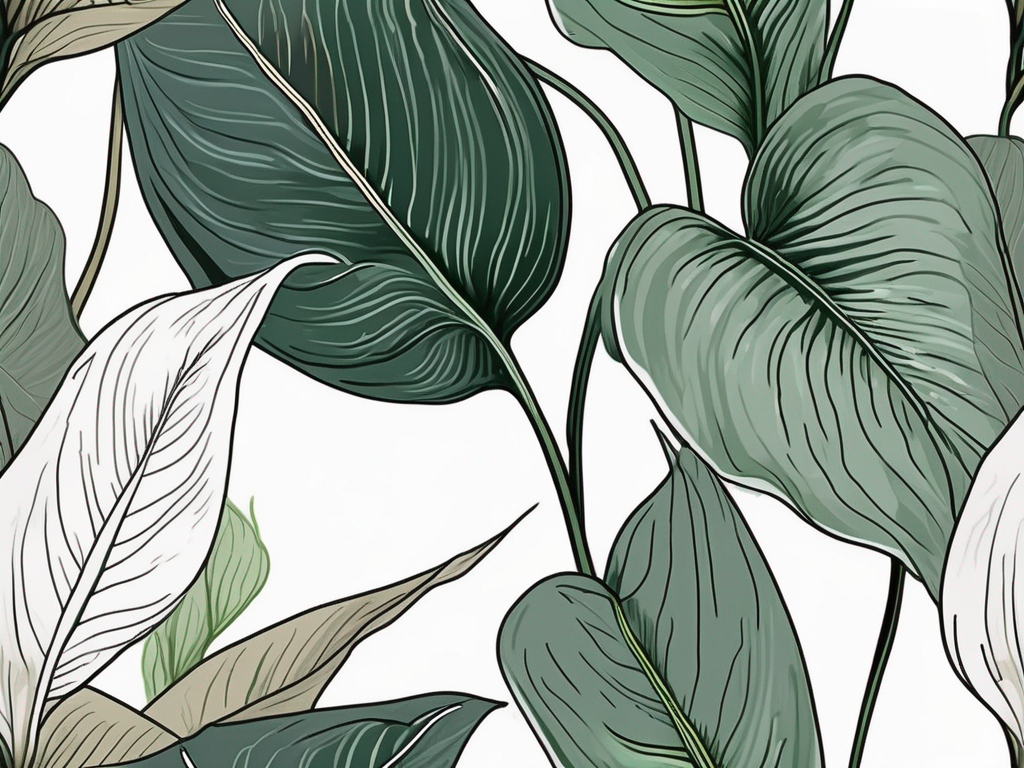
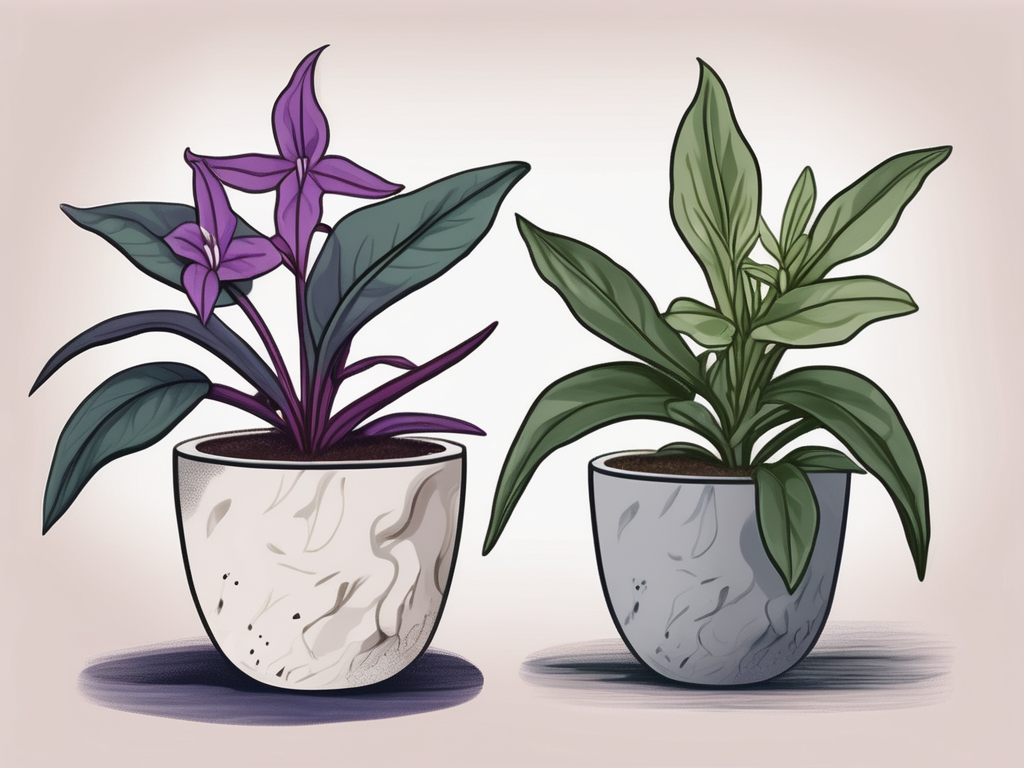
At first glance, Alocasia Polly and other Elephant Ear plants might look similar, but a closer look reveals some key differences. Alocasia Polly has a more defined, angular shape to its leaves with prominent white veins that make it stand out. Its leaves are typically smaller and more rigid compared to other Elephant Ear varieties.
On the other hand, Colocasia—another Elephant Ear—has softer, more heart-shaped leaves that tend to droop. The veins on Colocasia are less pronounced, and the plant generally has a more relaxed, laid-back appearance. The color of Colocasia leaves can vary, with some varieties showing shades of purple or even black.
Size is another factor. Alocasia Polly is more compact, making it suitable for indoor spaces where you might not have room for a plant that could eventually resemble a small shrub. In contrast, other Elephant Ear plants can grow several feet tall and wide, demanding more space and often a spot outdoors.
Light and Location: A Tale of Two Plants
When it comes to light, Alocasia Polly and other Elephant Ear plants have different preferences. Alocasia Polly loves bright, indirect light. Direct sunlight can scorch its leaves, while too little light can cause them to become dull and droopy. It’s a bit like Goldilocks—it needs its light conditions just right.
Elephant Ear plants like Colocasia are a bit more forgiving. They can handle a range of lighting conditions, from partial shade to full sun, particularly when grown outdoors. However, when indoors, they still prefer indirect light to prevent leaf burn.
- Alocasia Polly: Bright, indirect light. Avoid direct sun.
- Colocasia (Elephant Ear): Partial shade to full sun outdoors. Indoors, indirect light is best.
Both types should be kept away from drafts and sudden temperature changes. Alocasia Polly, in particular, dislikes cold air and will sulk if placed too close to an air conditioner or a drafty window.
Watering Needs and Humidity
Watering Alocasia Polly can be a bit of a balancing act. It likes its soil to be consistently moist but not waterlogged. Overwatering can lead to root rot, a common issue with this plant. To find the sweet spot, wait for the top inch of soil to dry out before watering again.
Humidity is another story. Alocasia Polly thrives in high humidity environments, making it a great candidate for bathrooms or kitchens where humidity levels are naturally higher. If the air in your home is dry, consider using a humidifier or placing a pebble tray with water near the plant to boost humidity.
Elephant Ear plants like Colocasia, on the other hand, love moisture. They can tolerate much wetter soils and even grow in waterlogged conditions. This makes them easier to care for if you tend to overwater your plants, but they still appreciate high humidity.
Soil and Fertilizer Requirements
Choosing the right soil is crucial for both Alocasia Polly and Elephant Ear plants. Alocasia Polly prefers a well-draining potting mix, often with added perlite or bark to facilitate air circulation around the roots. This prevents the soil from becoming compacted and waterlogged.
Fertilizing Alocasia Polly should be done with care. During the growing season, from spring to early fall, use a balanced liquid fertilizer every two weeks. In the winter, cut back on feeding as the plant’s growth slows down.
With Colocasia and other Elephant Ear plants, you can use a rich, loamy soil. These plants are heavy feeders and will benefit from regular fertilization during their active growing season. A slow-release granular fertilizer can be a good option to ensure they get a steady supply of nutrients.
Designing with Alocasia Polly and Elephant Ear
Incorporating these plants into your home or garden can create a stunning visual impact. Alocasia Polly, with its compact size and striking foliage, works well as a focal point in a room. Consider placing it on a plant stand to elevate its status and allow its leaves to cascade gracefully.
For outdoor spaces, Elephant Ear plants can be used to create a tropical paradise. They pair beautifully with other large-leaved plants or serve as a backdrop for colorful flowering plants. Indoors, they can act as living sculptures, adding texture and scale to a room.
Pest and Disease Management
Both Alocasia Polly and Elephant Ear plants can fall prey to pests like spider mites, aphids, and scale. Regularly inspect your plants for signs of infestation, such as discolored leaves or webbing, and treat them with insecticidal soap or neem oil as needed.
Fungal issues are another concern, especially with Alocasia Polly, which doesn’t appreciate being too wet. Ensure good air circulation around the plant and avoid getting the leaves wet when watering.
Root rot is a risk for both types if overwatered, so always check that your pots have drainage holes and that the soil is appropriate for each plant’s needs.
Final Thoughts
Alocasia Polly and Elephant Ear plants each bring their own unique charm to a space. While they share some similarities, understanding their differences can help you decide which plant is best for your home and lifestyle.
At Cafe Planta, we’re passionate about helping you care for your plants, whether you’re a seasoned plant parent or just starting out. If you have any questions about plant care, feel free to email us or reach out on Instagram. We believe that plants have the power to bring people together, and we’re excited to help you create a thriving plant collection in your home.