Imagine this: you're a plant lover who's also got a furry feline friend. You've probably wondered at some point, "Are my houseplants safe for my cat?" One plant that often comes into question is the Money Tree. Known for its braided trunk and lush, green leaves, it's a popular addition to many homes. But the big question is: Is it safe for your whiskered buddy?
In this article, we'll explore whether Money Trees are toxic to cats and dive into other essential aspects you should consider when bringing this plant into your home. We'll also share some practical care tips, discuss how to create a pet-safe environment, and offer some alternative plant options that are equally appealing but cat-friendly.
Understanding the Money Tree
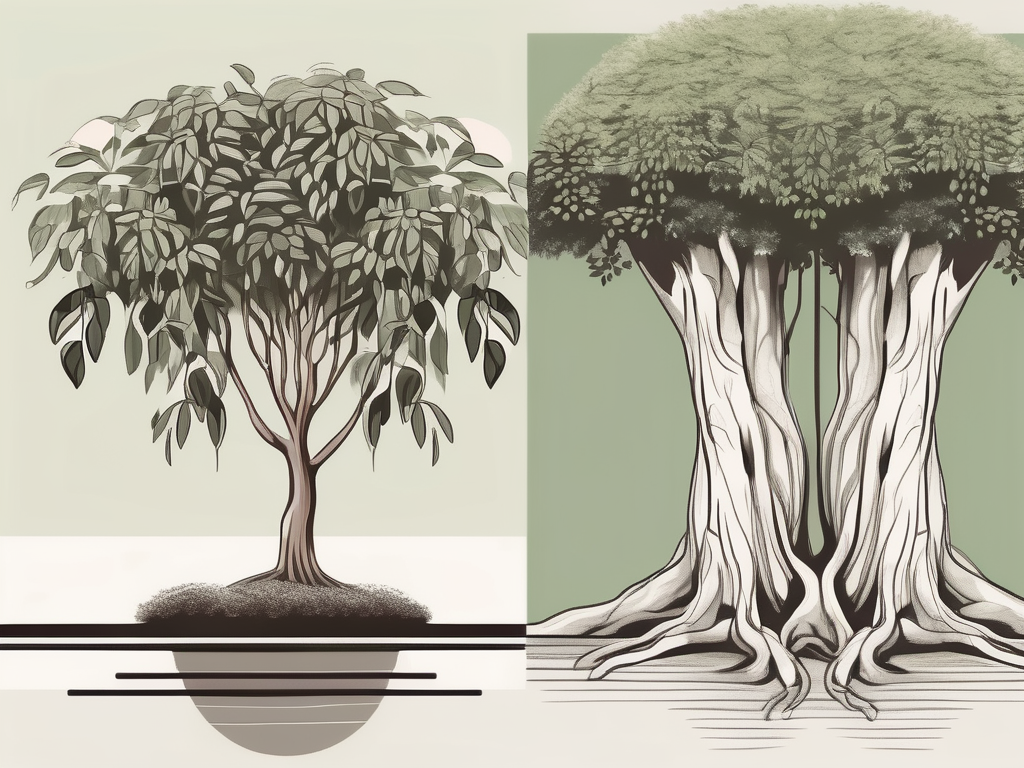
Let's start with the basics. The Money Tree, or Pachira aquatica, is a tropical plant native to Central and South America. It's famous for its ability to thrive indoors and its reputation for bringing good luck and prosperity. The plant features glossy, palmate leaves and, when cultivated indoors, a distinctive braided trunk that adds a touch of elegance to any space.
The Money Tree isn't just about good looks and luck. It's also a resilient plant that can adapt to varying light conditions, from bright indirect sunlight to lower light environments. This adaptability makes it a favorite among plant people, especially those who might not have a green thumb but still want some greenery in their lives.
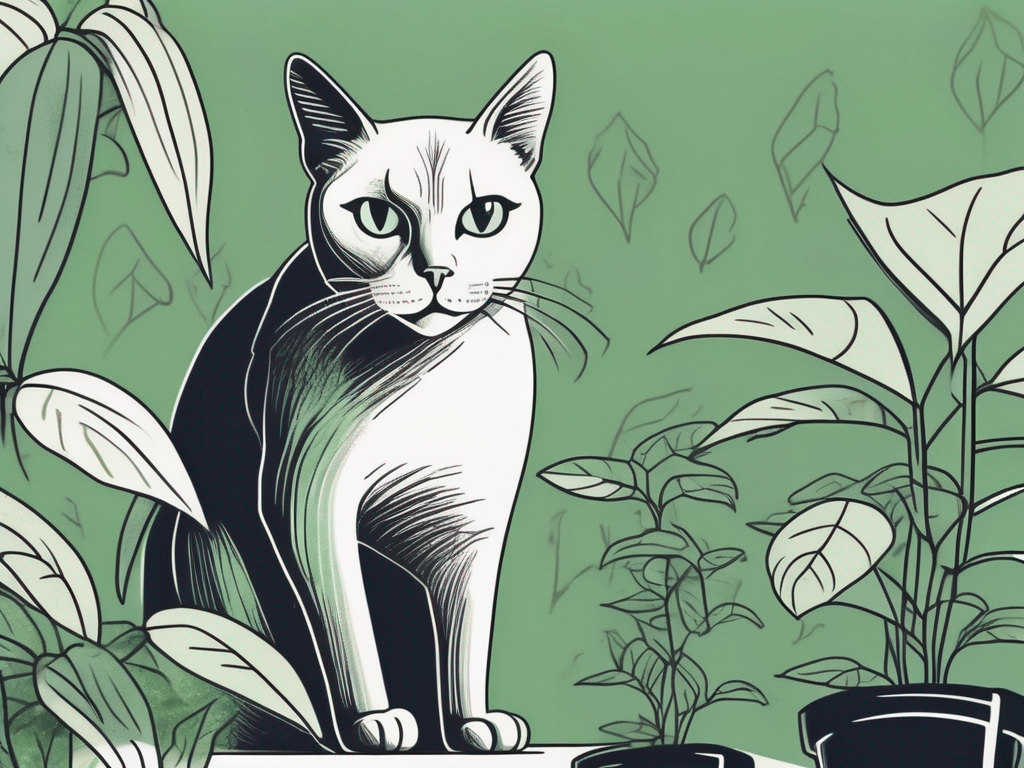
But what about your cat? As much as you love your Money Tree, your feline friend's safety is your top priority. Let's take a closer look at whether this plant poses any risks to your pet.
Are Money Trees Toxic to Cats?
Good news for cat owners! The Money Tree is considered non-toxic to cats. According to the ASPCA, Pachira aquatica is not listed among plants harmful to cats. This means that if your curious kitty takes a nibble of a leaf, it shouldn't cause any serious health issues.
However, it's important to remember that "non-toxic" doesn't mean "completely safe." While the Money Tree might not be toxic, ingesting large amounts of any plant can lead to an upset stomach in cats. Symptoms like vomiting or diarrhea could occur, although these are generally mild and resolve on their own.
To play it safe, it's always a good idea to keep an eye on your cat and prevent frequent munching on your Money Tree. This can be challenging, especially if you have a particularly curious kitty, but there are ways to keep both your plant and your pet happy and healthy.
Creating a Cat-Friendly Plant Space
Now that you know the Money Tree isn't toxic to cats, let's talk about how to create a harmonious environment for both your plants and your feline friend. Because let's face it, cats are notorious for knocking things over, digging in pots, and sampling leaves.
Here are some tips to help you create a cat-friendly plant space:
- Placement is key: Place your Money Tree in an area that's less accessible to your cat. Use high shelves, hanging planters, or plant stands to keep plants out of reach.
- Distractions work wonders: Provide your cat with plenty of toys and scratching posts to keep them entertained and less interested in your plants.
- Use deterrents: Some cats dislike citrus scents. Placing citrus peels or spraying a citrus-scented solution on the soil can help deter them from getting too close.
- Train your cat: Gently discourage your cat from interacting with your plants by using a firm "no" or redirecting their attention to something more appropriate.
By being proactive, you can create a space where both your Money Tree and your cat can coexist peacefully. It might take some trial and error, but with a little patience, you'll find what works best for your home.
Caring for Your Money Tree
Now that you've got the pet situation under control, let's talk about how to care for your Money Tree. This plant is relatively low-maintenance, making it a great choice for busy plant parents. Here's what you need to know to keep your Money Tree thriving:
- Light: Money Trees prefer bright, indirect light. Too much direct sunlight can scorch the leaves, while too little can slow growth. If you notice your plant getting leggy, it might be time to move it to a brighter spot.
- Water: Allow the top inch of soil to dry out between waterings to prevent overwatering, which can lead to root rot. Water thoroughly, letting excess water drain away.
- Humidity: A little humidity goes a long way. If your home is particularly dry, consider misting your plant or placing a humidifier nearby.
- Soil and repotting: Use a well-draining potting mix and repot your Money Tree every two to three years or when it becomes root-bound.
With these care tips, your Money Tree should continue to flourish. And remember, a healthy plant is less likely to be a target for curious cats, as it's less vulnerable to damage.
Dealing with Common Plant Issues
Even with the best care, plants can sometimes face issues. The Money Tree is no exception. Here are some common problems and how to tackle them:
- Yellowing leaves: This could be a sign of overwatering. Check your watering schedule and make sure your pot has proper drainage.
- Brown tips: Low humidity or too much direct sunlight could be the culprit. Increase humidity and adjust the light conditions as needed.
- Pests: Money Trees can attract pests like spider mites or aphids. A gentle spray of water or insecticidal soap can help keep them at bay.
By staying vigilant and addressing issues early, you'll help ensure your Money Tree stays healthy and vibrant.
Alternative Cat-Friendly Plants
If you're still worried about your cat and plants, you might consider exploring other cat-friendly options. Here are a few plants that are safe for cats and can add beauty to your home:
- Spider Plant: With its arching leaves and easy care requirements, the spider plant is a classic choice.
- Bamboo Palm: This plant can add a tropical feel to your space and thrives in low-light environments.
- Boston Fern: Known for its lush fronds, the Boston Fern is non-toxic and loves a humid environment.
These plants not only look great but also provide peace of mind for cat owners. They can be a great addition to your plant collection if you're looking to mix things up a bit.
Understanding Cat Behavior Around Plants
It's always helpful to understand why cats are drawn to plants in the first place. Cats are naturally curious creatures, and plants can pique their interest for several reasons:
- Taste and texture: Some cats enjoy the taste or texture of certain leaves, especially if they're crunchy or fragrant.
- Playfulness: Dangling leaves and branches can seem like enticing toys to playful kitties.
- Exploration: Cats love to explore their environment, and plants can be part of that environment.
By recognizing these behaviors, you can better anticipate your cat's actions and take steps to ensure their safety and the well-being of your plants.
Creating a Balanced Home Environment
Balancing the needs of your plants and pets can be a bit like walking a tightrope. But with some thoughtful planning, you can create a home environment where both flourish. Consider the following:
- Observation: Spend time observing how your cat interacts with your plants. This can help you identify potential trouble spots.
- Adjustment: Be willing to adjust your plant placement and care routines as needed to suit both your cat's behavior and your plant's needs.
- Harmony: Aim for harmony in your home by considering the needs and preferences of all its inhabitants, furry and leafy alike.
With these strategies, you can enjoy the beauty of your plants while ensuring your cat stays safe and happy.
Final Thoughts
In the end, having a Money Tree in a home with cats isn't just possible—it's manageable and rewarding. By understanding the nature of Money Trees and their relationship with your feline friends, you can enjoy a vibrant indoor garden without worry.
At Cafe Planta, we love helping plant lovers find the perfect plants for their homes. If you have questions about plant care or need advice, don't hesitate to reach out. You can email us or send a message on Instagram. We're here to support you on your plant journey!