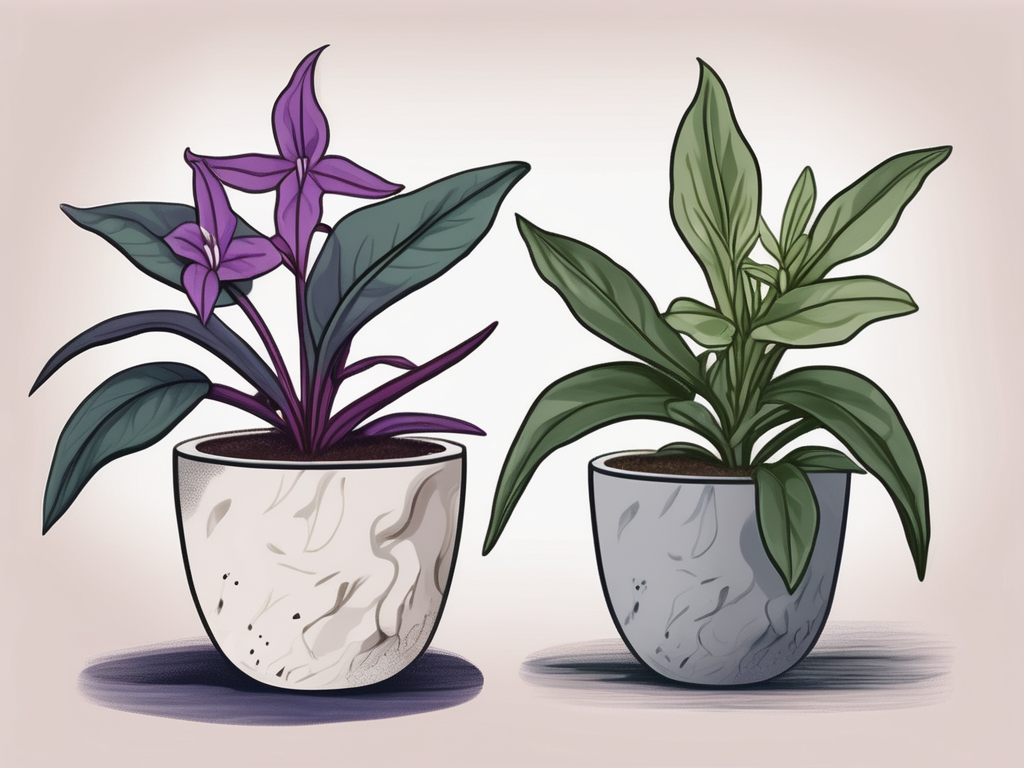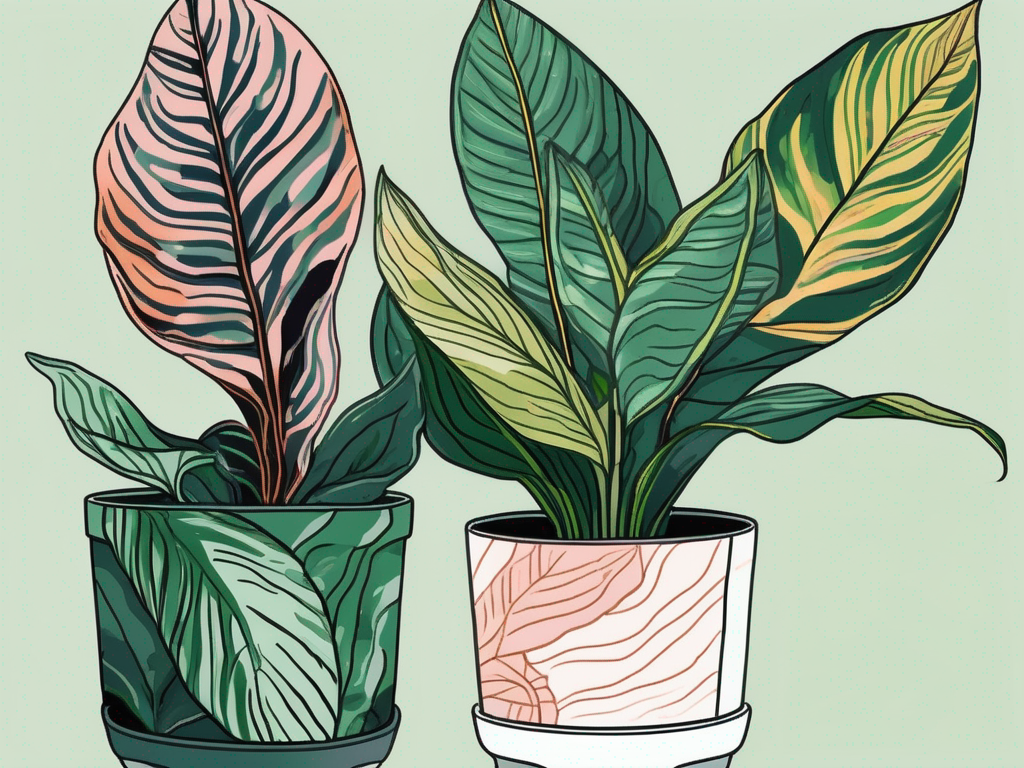
When it comes to selecting houseplants, the Arrowhead Plant and Pothos often stand out as popular choices for both beginners and seasoned plant people alike. Their lush foliage and easy-going nature make them ideal for adding a touch of green to your home.
But what sets these two apart, and how can you decide which one is the right fit for your indoor garden? Let's embark on a journey to explore their differences, covering everything from appearance and care to their role in interior design.
The Look: Identifying Arrowhead Plant and Pothos
First things first, let's talk about how these two plants look. Understanding their visual differences is crucial for distinguishing one from the other, especially if you’re shopping for a specific aesthetic.
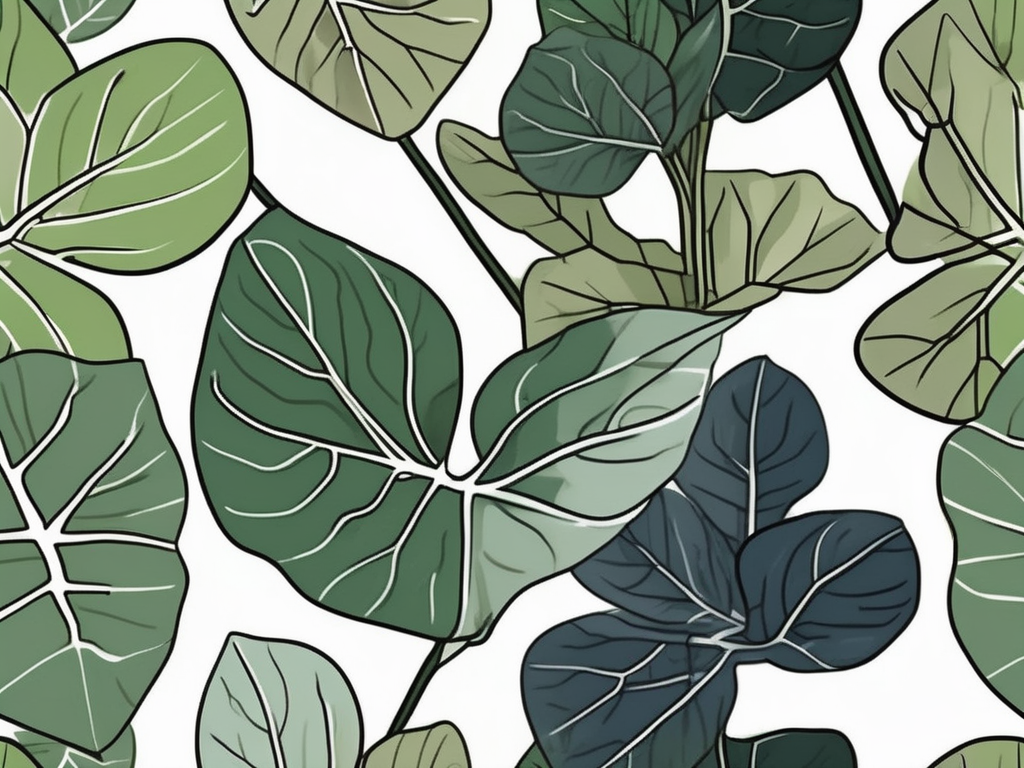
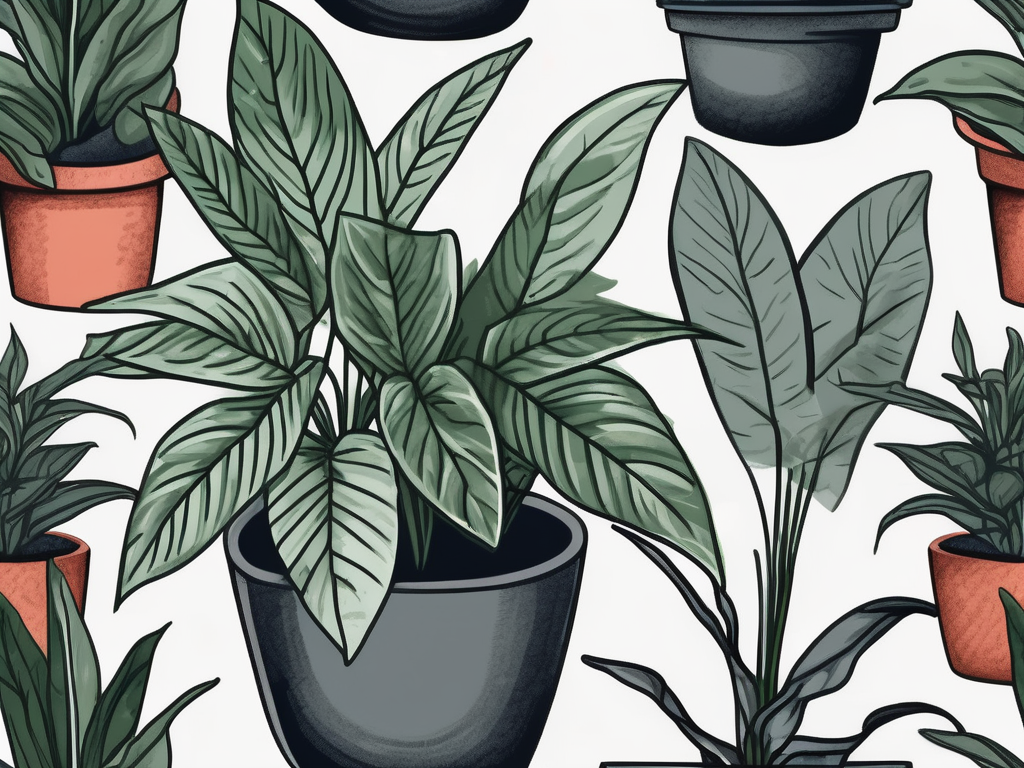
The Arrowhead Plant, or Syngonium podophyllum, gets its name from its arrow-shaped leaves. As these plants mature, their leaves can change shape, often developing more lobes. The foliage color varies from green to variegated shades of white, cream, or even pink. This shape-shifting nature makes them an interesting choice for plant lovers who enjoy a bit of evolution in their greenery.
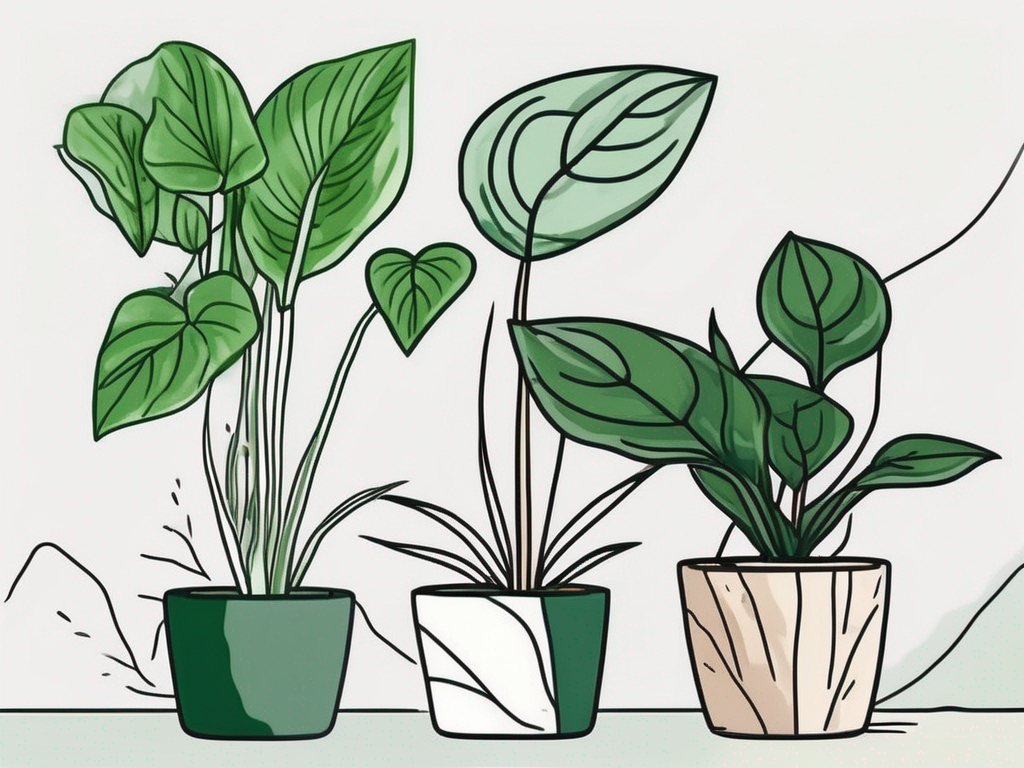
On the flip side, Pothos, or Epipremnum aureum, is known for its heart-shaped leaves that are often variegated with yellow, white, or even a bluish tint. The leaves are usually more streamlined compared to the Arrowhead Plant, providing a more uniform appearance. Pothos are particularly recognizable for their trailing vines, which can grow impressively long, making them perfect for hanging baskets or draping over shelves.
So, when picking between the two, consider how you want your plant to look as it grows. Do you prefer the changing leaf shapes of the Arrowhead Plant or the consistent trailing beauty of the Pothos?
Care Requirements: What They Need
Both the Arrowhead Plant and Pothos are known for being low maintenance, but they do have some differences in their care needs. Let’s break it down so you can make the best choice for your lifestyle.
Light: Both plants enjoy bright, indirect light, but they can tolerate low-light conditions. However, Arrowhead Plants might lose their variegation in very low light, while Pothos can start to look leggy. If you want vibrant leaves, aim for a spot with good, indirect sunlight.
Water: Arrowhead Plants prefer slightly more moisture, so water them when the top inch of soil feels dry. Be careful not to overwater, as they don’t like soggy roots. Pothos, on the other hand, are more drought-tolerant. It’s better to underwater than overwater them. Allow the soil to dry out between waterings, especially in low-light conditions.
Humidity: Arrowhead Plants thrive in higher humidity, mimicking their tropical origins. If your home is dry, consider placing a humidifier nearby or setting the plant on a tray with water and pebbles. Pothos are more forgiving and can handle a range of humidity levels, which is great for those with less time to manage humidity levels.
In summary, if you’re a bit forgetful with watering, Pothos might be a safer bet. But if you love pampering your plants, an Arrowhead Plant could be your new best friend.
Growth Patterns: Climbing and Trailing
Growth habits are another area where these plants differ significantly. Understanding this can help you decide where to place them in your home.
Arrowhead Plants start as upright growers but can become more vine-like as they mature. If left to their own devices, they’ll climb if given support, like a trellis or moss pole. This can create a striking, vertical display that draws the eye upwards.
Pothos, however, are natural trailers. Their vines cascade downwards, making them perfect for hanging baskets or shelves. They can also climb if encouraged, but they generally excel in creating a lush, flowing display. This trailing nature is fantastic for adding depth and life to a room, especially in spaces where you want to soften the edges.
So, if you’re looking to fill vertical space, an Arrowhead Plant might be the go-to. For a draping, cascading effect, Pothos would be a better fit.
Potting and Soil Needs
Now, onto the nitty-gritty of potting and soil. Both plants have different preferences that can affect their health and growth.
Arrowhead Plant: These plants prefer a well-draining potting mix. A standard houseplant soil works well, but you can add perlite or sand to improve drainage. Repotting every couple of years will help manage root growth, as they can get a bit cramped in smaller pots.
Pothos: Pothos are not particularly picky about soil, but they do best in a well-draining mix as well. Adding some perlite can ensure excess water drains away, preventing root rot. They’re quite tolerant of being root-bound, so you don’t need to repot them frequently.
In terms of containers, make sure both plants have pots with drainage holes. This helps to avoid waterlogging, which can be detrimental to their health.
Dealing with Pests and Problems
No plant is completely immune to pests and problems, and the Arrowhead Plant and Pothos are no exceptions. Let’s look at what you might encounter and how to deal with it.
Common Pests: Spider mites and aphids are common foes. These pests can be managed by wiping leaves with a damp cloth or using insecticidal soap. Consistent monitoring and cleaning can prevent infestations from taking hold.