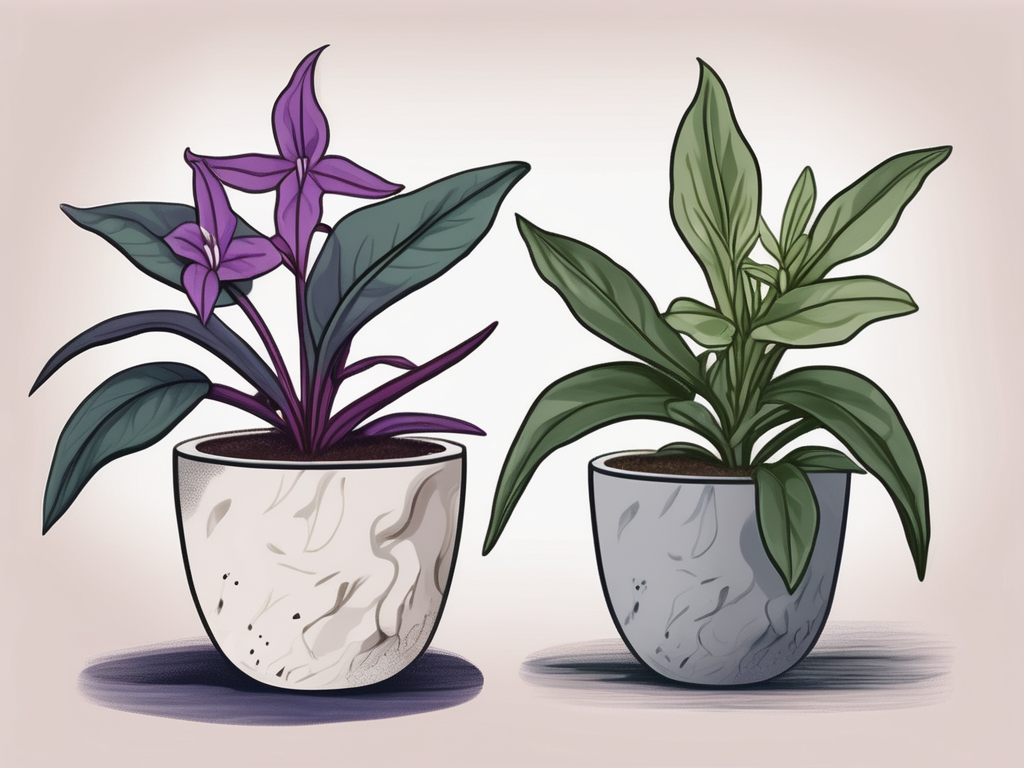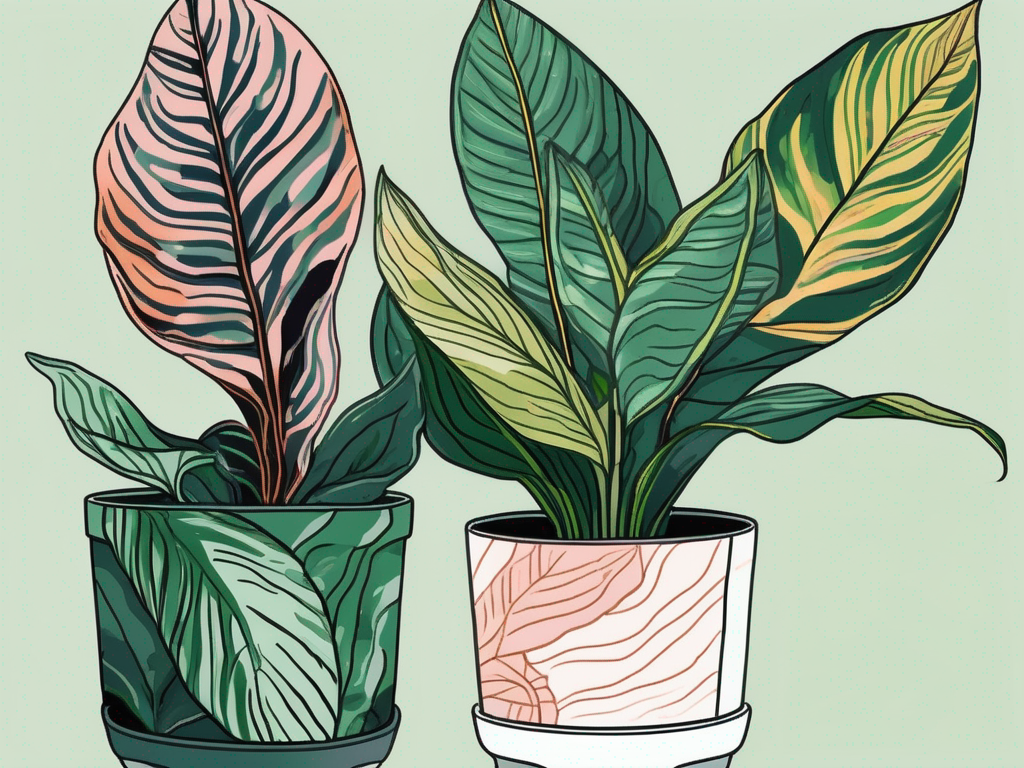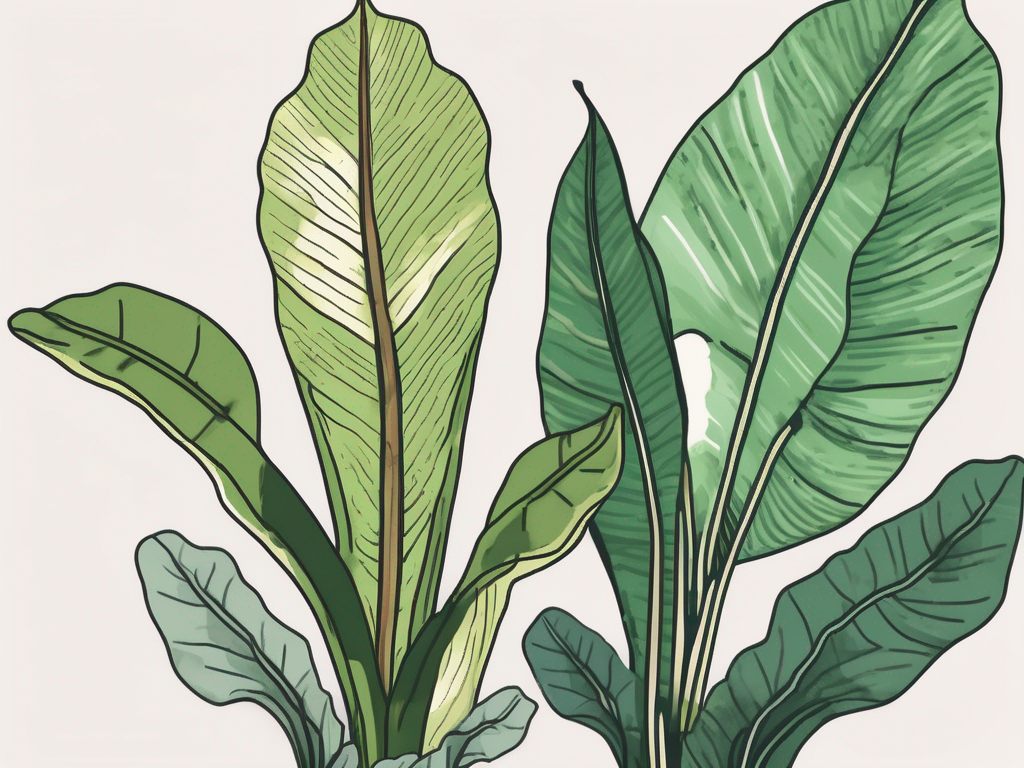
Choosing the right plant for your home can be both exciting and a little overwhelming, especially when faced with options that seem similar at first glance. Two such plants that often get mixed up are the banana plant and the elephant ear. Both are known for their large, striking leaves, but they’re quite distinct in their own ways.
In this article, we’ll unpack the differences between these two popular plants, covering everything from their origins and appearances to their care requirements and how they fit into your home decor. By the end, you’ll feel confident in choosing the one that’s right for you—or maybe even both!
Origin and Background
Let’s kick things off with a little history lesson. The banana plant, belonging to the genus Musa, hails from Southeast Asia and is actually more of a giant herb than a tree. That’s right! What many people think of as a banana “tree” is technically a herbaceous plant. Its pseudostems, which look like trunks, are made up of tightly packed leaf bases.
On the flip side, elephant ears are part of the Araceae family, and they come from tropical regions of Asia, as well as parts of Central and South America. This group includes several genera, like Colocasia and Alocasia. The name “elephant ear” is derived from the shape and size of their leaves, which resemble—you guessed it—elephant ears!
So, while these plants might seem similar at first glance, they have distinct origins and classifications, which influence how they grow and the conditions they thrive in. Understanding these differences can help you make a more informed choice about which plant suits your living space better.
Appearance and Aesthetic Appeal
One of the main reasons people are drawn to banana plants and elephant ears is their visual impact. Both have large, lush leaves that can transform the look of any room. However, there are key differences in their appearance that might sway your preference.
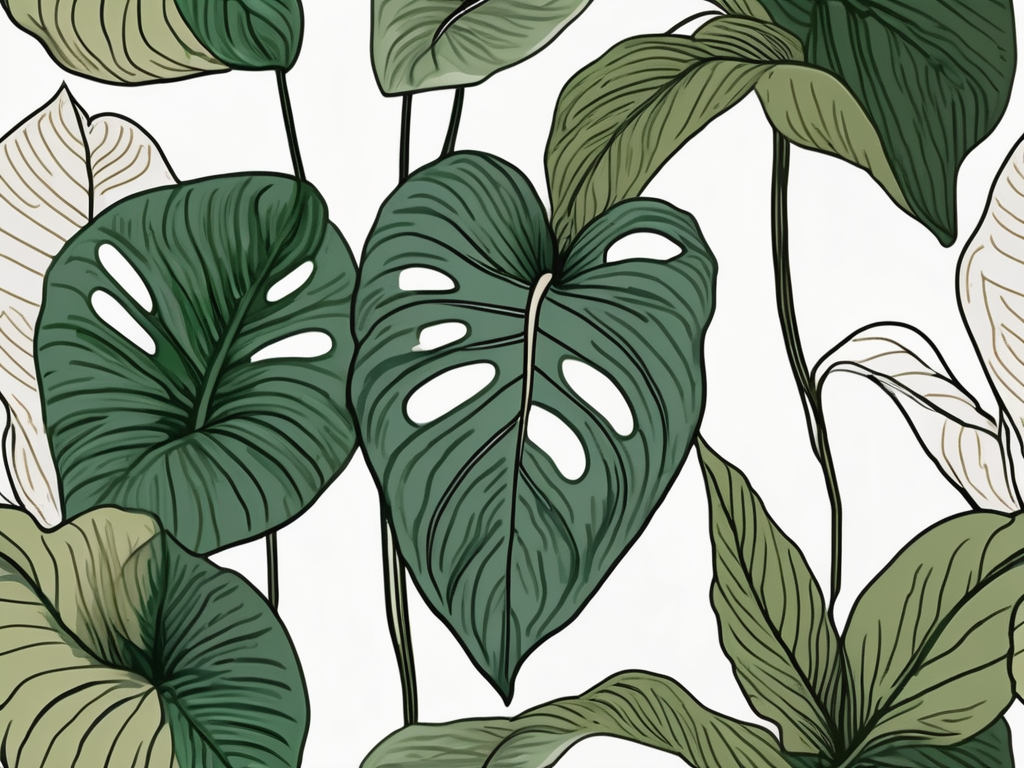
Banana plants boast long, smooth leaves that can reach impressive lengths, often with a glossy finish. They can add a touch of tropical flair to your home, evoking images of sunny beaches and island getaways. The leaves may tear over time, creating a unique, natural look that many plant lovers appreciate.
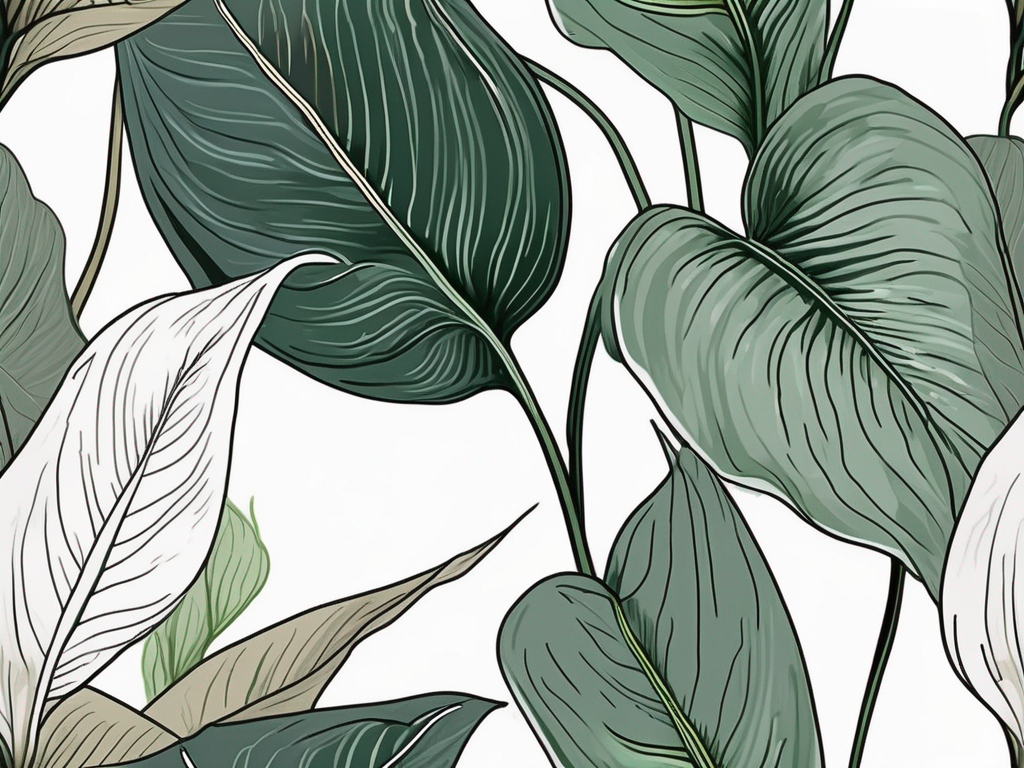
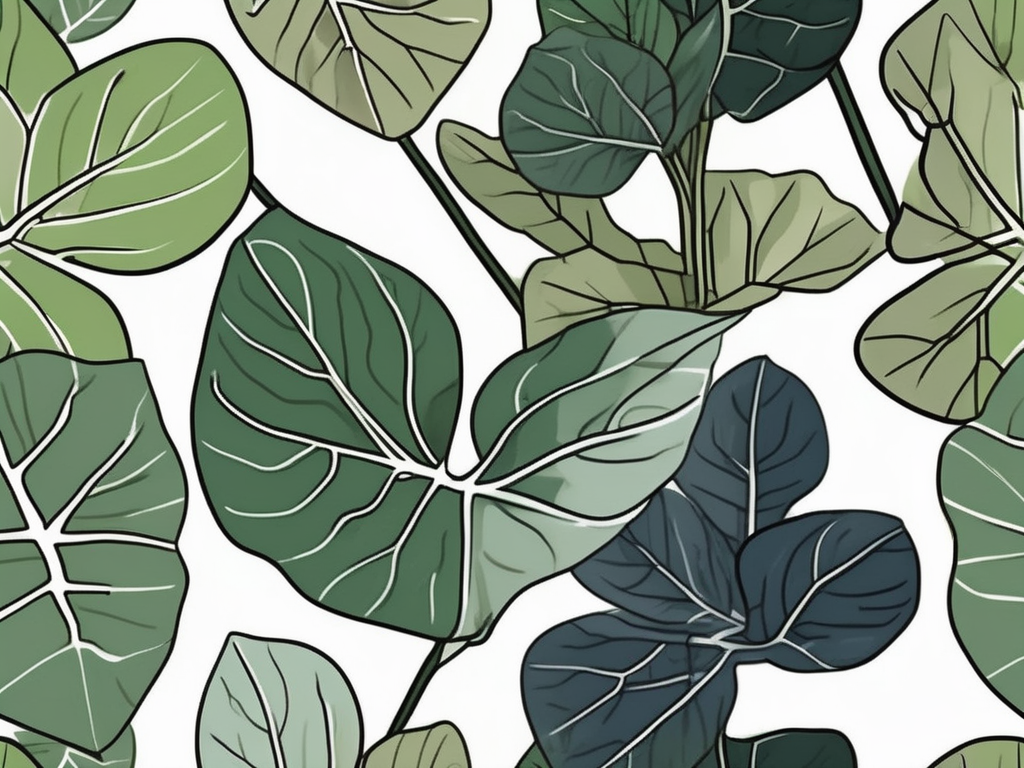
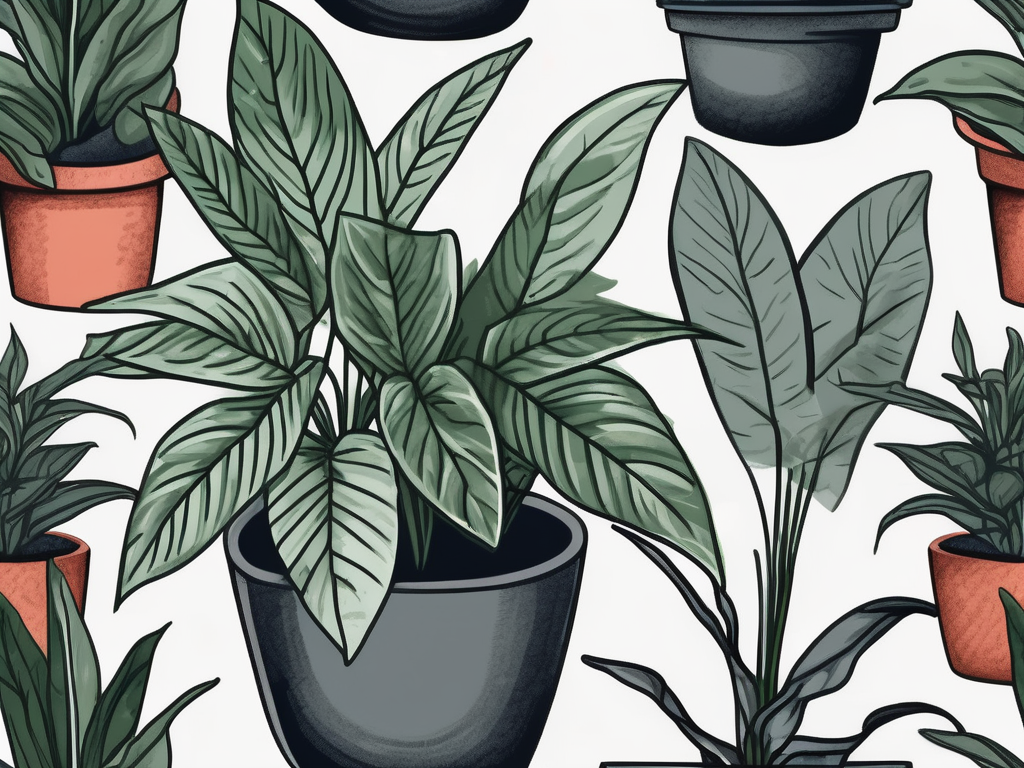
Elephant ears, on the other hand, are known for their bold and dramatic foliage. Their leaves are often heart-shaped or arrowhead-like, with a more pronounced texture than banana leaves. Some varieties even have striking colors or variegations, such as deep purples or bright greens with contrasting veins, making them a true showstopper in any space.
Both plants offer a bold statement, but their differences in leaf shape and texture can help you decide which fits your personal style and the vibe you’re going for in your home.
Growth Habit and Size
When considering a new plant for your home, it’s important to think about its growth habit and how much space it will need. Both banana plants and elephant ears can grow quite large, but they do so in different ways.
Banana plants can reach heights of up to 20 feet in ideal outdoor conditions. Indoors, they usually grow to about 6 to 10 feet, depending on the variety and care. They tend to grow straight up, which can be a great way to add vertical interest to a room without taking up too much floor space.
Elephant ears vary significantly in size, depending on the species and growing conditions. Some indoor varieties stay relatively compact, around 2 to 4 feet tall, while others can reach heights of up to 8 feet. Their leaves can span several feet across, so they require more lateral space than banana plants.
Consider your available space and the plant’s growth potential when deciding between the two. Banana plants might be better for tall, narrow spaces, while elephant ears could be perfect for filling out a corner or creating a natural partition in a larger room.
Light and Temperature Requirements
To keep your plants happy and healthy, you’ll want to provide them with the right light and temperature conditions. Both banana plants and elephant ears thrive in warm, humid environments, but they have slightly different needs when it comes to sunlight.
Banana plants love bright, indirect light. They can handle some direct sunlight, especially in the morning or late afternoon, but too much direct sun can scorch their leaves. They also prefer temperatures between 60°F and 80°F, making them a great choice for most indoor environments.
Elephant ears are a bit more adaptable when it comes to light. They can tolerate lower light conditions, but they’ll grow best with bright, indirect light. Direct sunlight can cause their leaves to burn, so it’s best to keep them out of the sun’s harshest rays. Like banana plants, they thrive in warm temperatures, ideally between 65°F and 80°F.
If you’re considering both plants, think about the lighting conditions in your home and whether you can provide the right environment for them to flourish.
Water and Humidity Needs
Watering and humidity are crucial factors in keeping your plants healthy. Both banana plants and elephant ears enjoy a good amount of moisture, but they have different preferences when it comes to watering and humidity.
Banana plants like their soil to be consistently moist, but they don’t want to sit in water. It’s important to have well-draining soil and a pot with drainage holes to prevent root rot. During the growing season, you may need to water them every few days, depending on your home’s humidity and temperature.
Elephant ears also appreciate consistently moist soil, but they can be a bit more forgiving if you miss a watering or two. However, they do love humidity, so if your home is on the drier side, consider using a humidifier or pebble tray to increase the moisture around your plant.
Regular misting can help both plants, especially if the air in your home is dry. Just make sure not to overdo it, as too much moisture on the leaves can lead to fungal issues.
Soil and Fertilization
The right soil and fertilization routine can make a big difference in your plant’s growth and overall health. While both banana plants and elephant ears enjoy rich, fertile soil, there are some nuances to consider.
Banana plants prefer a well-draining potting mix that retains some moisture, often with a mix of peat, perlite, and compost. Fertilizing every four to six weeks during the growing season with a balanced, water-soluble fertilizer can help them thrive.
Elephant ears also enjoy rich, well-draining soil, but they can benefit from a slightly heavier mix that holds onto moisture a bit more. You might consider adding some loam or clay to their soil mix. Fertilize them every two to four weeks during the growing season with a high-nitrogen fertilizer to support their leafy growth.
Remember, too much fertilizer can do more harm than good, so always follow the package instructions and monitor your plant’s response.
Pest and Disease Management
Like most plants, banana plants and elephant ears can be susceptible to pests and diseases. Knowing what to look out for can help you catch issues early and keep your plants in top shape.
Common pests that can bother banana plants include spider mites, aphids, and mealybugs. Regularly inspect your plant for signs of these critters, like webbing or sticky residue, and treat them with insecticidal soap or neem oil as needed.
Elephant ears can also attract pests like spider mites and aphids. Additionally, they can be prone to fungal issues if their leaves stay too wet for extended periods. Ensure proper air circulation around your plant and avoid getting water on the leaves when you can.
Regular cleaning of the leaves and keeping the plant area tidy can help prevent pest infestations. If you notice any signs of trouble, act quickly to address the issue before it spreads.
Decorating with Banana Plants and Elephant Ears
Now, let’s talk about how these plants can add to your home’s decor. Both banana plants and elephant ears can make a big impact, but they offer different vibes.
Banana plants bring a tropical, laid-back feel to a room. They’re perfect for creating a beachy or island-inspired space. Consider pairing them with natural materials like rattan or bamboo furniture for a cohesive look.
Elephant ears, with their bold and dramatic leaves, can add a touch of drama and elegance to any space. They work well in modern, contemporary settings, especially when paired with sleek, minimalist furniture. Their striking foliage can also complement bohemian or eclectic decor styles.
Whether you choose a banana plant, an elephant ear, or both, they can serve as stunning focal points in your home, adding life and color to your living space.
Choosing the Right Plant for Your Space
Deciding between a banana plant and an elephant ear ultimately comes down to your personal preferences and the conditions you can provide in your home.
If you’re looking for a tall, vertical plant that evokes a tropical atmosphere, a banana plant might be your best bet. They’re great for bright, sunny spaces and can add a sense of height to your room.
On the other hand, if you want a plant with dramatic, eye-catching foliage that can fill out a space, an elephant ear could be the way to go. They’re versatile in terms of lighting and can thrive in a variety of settings.
Consider your available space, the light conditions, and the overall style you’re aiming for when making your decision. And remember, you don’t have to choose just one—if you have the space and the right environment, why not enjoy both?
Final Thoughts
Both banana plants and elephant ears can add a unique touch to your home with their impressive foliage and vibrant presence. While they share some similarities, their differences in growth habit, care requirements, and aesthetic appeal can help you decide which one is the perfect fit for your space.
At Cafe Planta, we love helping you find the right plants for your home and offering advice to keep them thriving. Whether you're shopping for new additions or need help with plant care tips, feel free to reach out to us via email or connect with us on Instagram. We’re excited to be part of your plant journey and look forward to seeing the beautiful spaces you create!