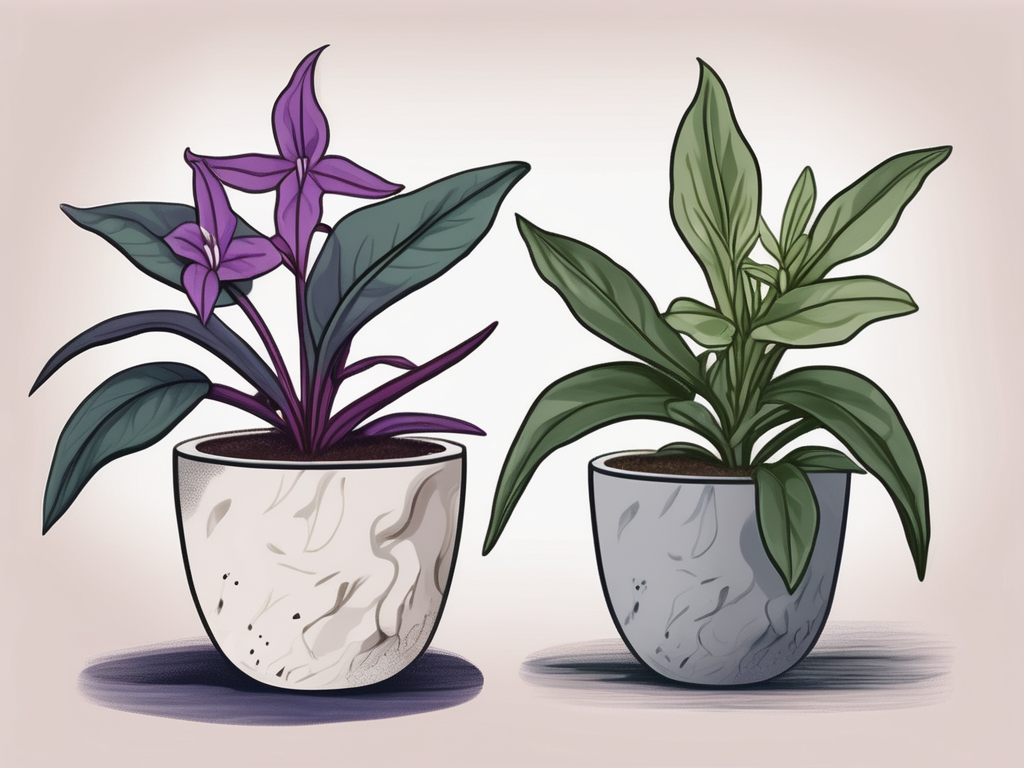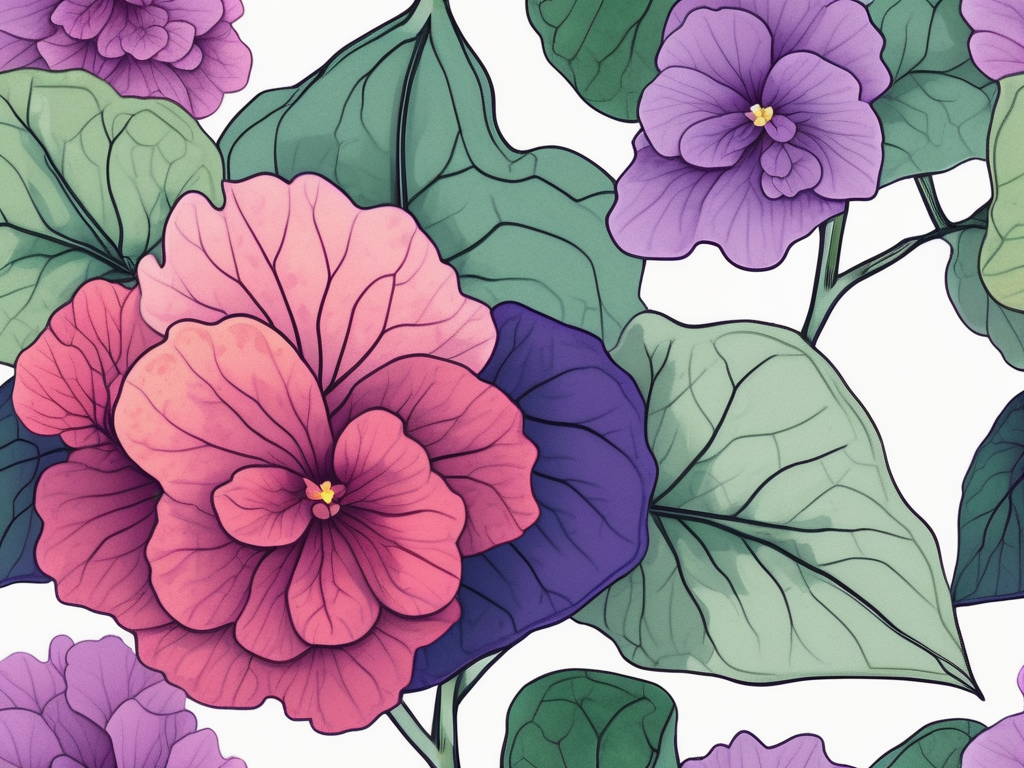
When it comes to houseplants, few can match the charm and versatility of Begonias and African Violets. These two plant varieties are often favorites, and it's easy to see why. They both offer vibrant colors and unique leaf shapes, making them delightful additions to any indoor garden. But how do they stack up against each other, and what are the key differences?
In this article, we’ll take a closer look at what makes Begonias and African Violets stand out. We'll explore their distinct characteristics, care requirements, and how they can fit into your home decor. Whether you're a seasoned plant parent or just starting your collection, understanding these differences can help you choose the right plant for your space.
Origins and Background
Before we get into the specifics of caring for these plants, it's helpful to learn a bit about their origins. Begonias are a large family of plants with over 1,800 species, native to tropical and subtropical regions around the world. They're named after Michel Bégon, a French governor in the 17th century who was an enthusiastic supporter of botanical exploration.
On the other hand, African Violets, known scientifically as Saintpaulia, originate from the cloud forests of Tanzania and Kenya. They were discovered in the late 19th century by Baron Walter von Saint Paul, after whom they were named. Despite their name, African Violets aren't actually related to true violets but were named for their violet-like appearance.
Understanding where these plants come from can provide insight into their growing requirements. Both Begonias and African Violets have adapted to thrive in environments with consistent humidity and filtered light, which we'll discuss in more detail later.
Appearance and Varieties
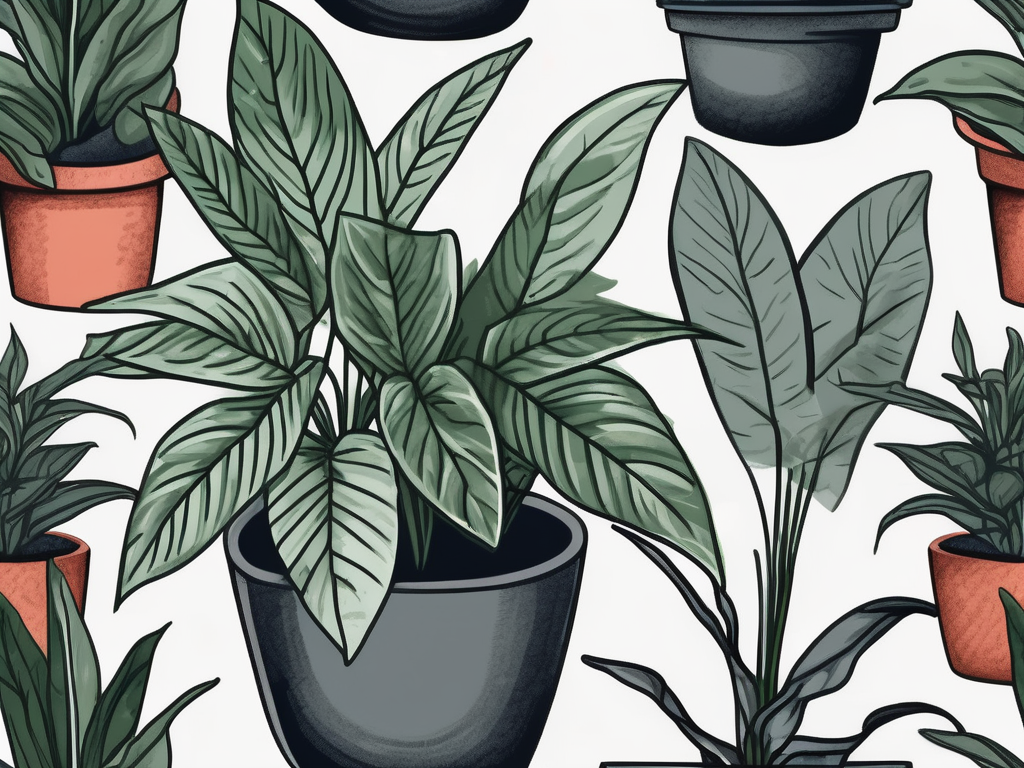
One of the most striking differences between Begonias and African Violets is their appearance. Begonias are known for their diverse range of leaf shapes, colors, and patterns. From the bold, asymmetrical leaves of the Rex Begonia to the delicate, trailing stems of the Angel Wing Begonia, there's a Begonia for every aesthetic.
In contrast, African Violets have a more consistent look, with their round, velvety leaves and charming rosettes. Their flowers come in a variety of colors, including purple, pink, white, and even bi-colored blooms. African Violets are often bred to produce double or even ruffled flowers, adding to their appeal.
Both Begonias and African Violets offer a wide range of cultivars. When selecting a plant, consider the overall look you want in your space. Do you prefer the bold, varied foliage of Begonias, or the classic, soft look of African Violets? Your choice can greatly influence the mood of your indoor garden.
Light Requirements
Light is a crucial factor for both Begonias and African Violets, but they have slightly different needs. Begonias generally prefer bright, indirect light. They can tolerate some direct sunlight, especially morning sun, but too much can scorch their leaves. If you're growing Begonias indoors, placing them near a north or east-facing window can provide just the right amount of light.
African Violets, however, thrive in moderate to bright indirect light. Direct sunlight can be too harsh, causing leaf burn. These plants do well under fluorescent lights, making them perfect for areas of your home that might not get natural sunlight. A spot with filtered light, like a windowsill with a sheer curtain, can work wonders.
Remember, light needs can vary slightly based on the specific variety. Always keep an eye on your plant's leaves. If they look pale or leggy, it's a sign they might need more light. Conversely, if they look scorched or faded, move them to a spot with less direct exposure.
Watering Needs
Watering is where many plant parents face challenges, and Begonias and African Violets have their unique demands. Begonias like their soil to dry out slightly between waterings. Overwatering can lead to root rot, a common issue with these plants. It's best to water them when the top inch of soil feels dry to the touch.
African Violets are a bit more particular with their watering. They prefer to stay consistently moist but not soggy. It's crucial to water them from the bottom or use a self-watering pot to prevent water from splashing onto their leaves, which can cause spots or rot. Using room-temperature water is also recommended to avoid shocking the plant.
Timing is everything with watering. It's often best to water in the morning, allowing the soil to dry throughout the day. This routine helps prevent fungal issues and keeps your plants healthy and happy.
Soil and Potting
The right soil mix can make all the difference for Begonias and African Violets. Begonias prefer well-drained soil that retains some moisture. A mix of peat, perlite, and potting soil usually works well. Ensuring good drainage is vital, so consider using a pot with drainage holes to prevent waterlogging.
African Violets need a light, fluffy soil mix that allows for good airflow. A specific African Violet potting mix is often the best choice, as it's formulated to provide the right balance of nutrients and drainage. These plants also appreciate being slightly root-bound, so don't rush to repot them unless necessary.
When potting or repotting, handle your plants with care. Gently remove them from their old pots, being mindful of their roots, and place them in their new homes with fresh soil. This process can be a bit messy, but it's an opportunity to check the plant's health and ensure it's set up for success.
Temperature and Humidity
Begonias and African Violets both enjoy warm, humid environments, much like their native habitats. Begonias thrive in temperatures between 60-75°F (16-24°C). They can tolerate slightly cooler conditions but are sensitive to frost and cold drafts.
African Violets prefer a consistent temperature range of 65-75°F (18-24°C). They are sensitive to sudden temperature changes, so it's important to keep them away from cold windows or heat sources like radiators.
Humidity is another important factor. Both plants appreciate higher humidity levels, around 50-60%. You can increase humidity by placing a tray of water near the plants, using a humidifier, or grouping plants together. However, be mindful of not letting the leaves stay wet, as this can lead to fungal issues.
Common Pests and Problems
Like all houseplants, Begonias and African Violets can fall victim to pests and diseases. Common pests include spider mites, aphids, and mealybugs. Regularly inspecting your plants and keeping them clean can help prevent infestations. If pests do appear, you can often remove them with a gentle spray of water or a diluted mixture of water and dish soap.
Fungal issues like powdery mildew or root rot can also be a problem, particularly for Begonias. Ensuring good air circulation and avoiding overwatering are key preventative measures. If you notice any signs of disease, such as discolored leaves or wilting, addressing the problem quickly can save your plant.
For African Violets, leaf spots are a common issue, often caused by water sitting on the leaves. Watering from the bottom and ensuring good air circulation can help prevent this. Keeping an eye on your plants and responding to issues promptly will help keep them healthy.
Decorating with Begonias and African Violets
Both Begonias and African Violets can be stunning additions to your home decor. Begonias, with their varied foliage and bright blooms, make excellent statement plants. They can be used as centerpieces on tables or placed in hanging baskets to showcase their trailing varieties.
African Violets, with their compact size and colorful flowers, are perfect for windowsills, shelves, or small tables. Their soft look adds a touch of elegance to any room. Grouping several African Violets together can create a charming display of color and texture.
When decorating, consider the style and mood you want to create. Begonias can add a bold, dramatic flair, while African Violets offer a more delicate, classic touch. Play around with different pots and arrangements to find what suits your space and personal style best.
Choosing the Right Plant for You
When deciding between Begonias and African Violets, consider your lifestyle and the environment you can provide. Begonias, with their diverse forms and relatively easy care, might be a great choice if you enjoy variety and have a bright spot to offer.
African Violets are ideal if you prefer a more uniform look and have a location with consistent, indirect light. Their compact size makes them suitable for smaller spaces, and their care requirements are manageable with a bit of attention to detail.
Ultimately, the right plant for you is one that fits your home and brings you joy. Whether you choose Begonias, African Violets, or both, you're sure to have a beautiful addition to your indoor garden.
Final Thoughts
Choosing between Begonias and African Violets comes down to personal preference and the specific conditions you can provide. Both plants offer unique beauty and charm, making them excellent choices for any plant lover. Understanding their needs will help you enjoy their vibrant colors and lush foliage.
At Cafe Planta, we're passionate about helping you care for your plants. Whether you need advice or are looking for the perfect plant accessory, we're here to help. Feel free to email us or send a DM on Instagram. We believe plants bring people together, and we're excited to be part of your plant journey.