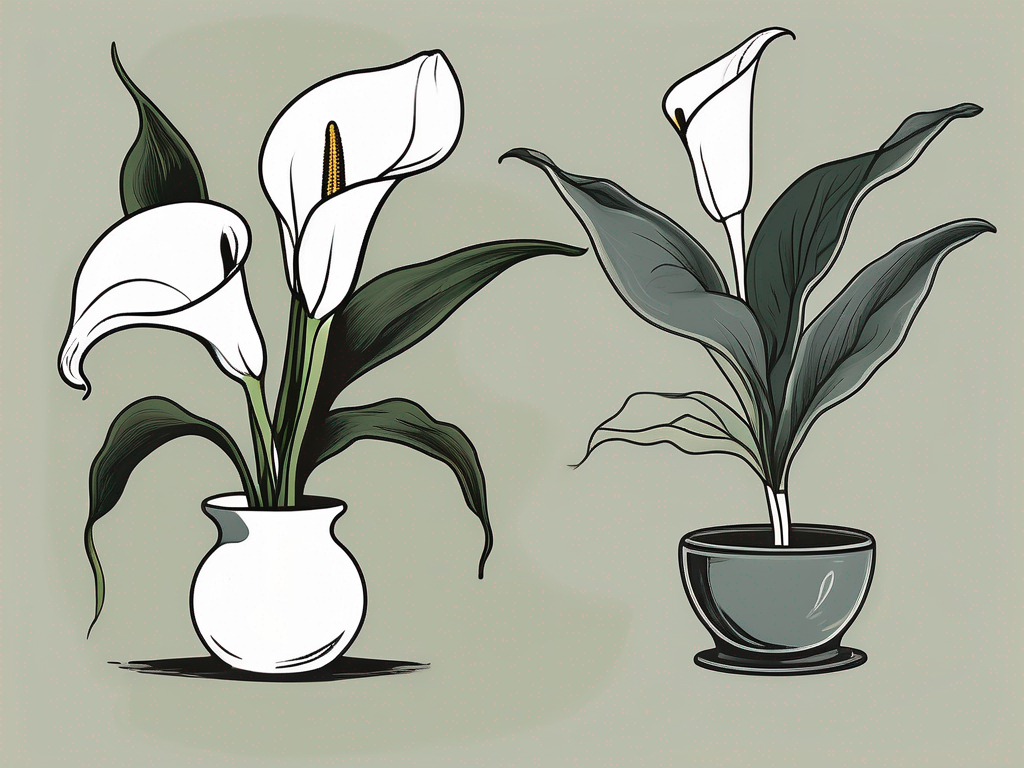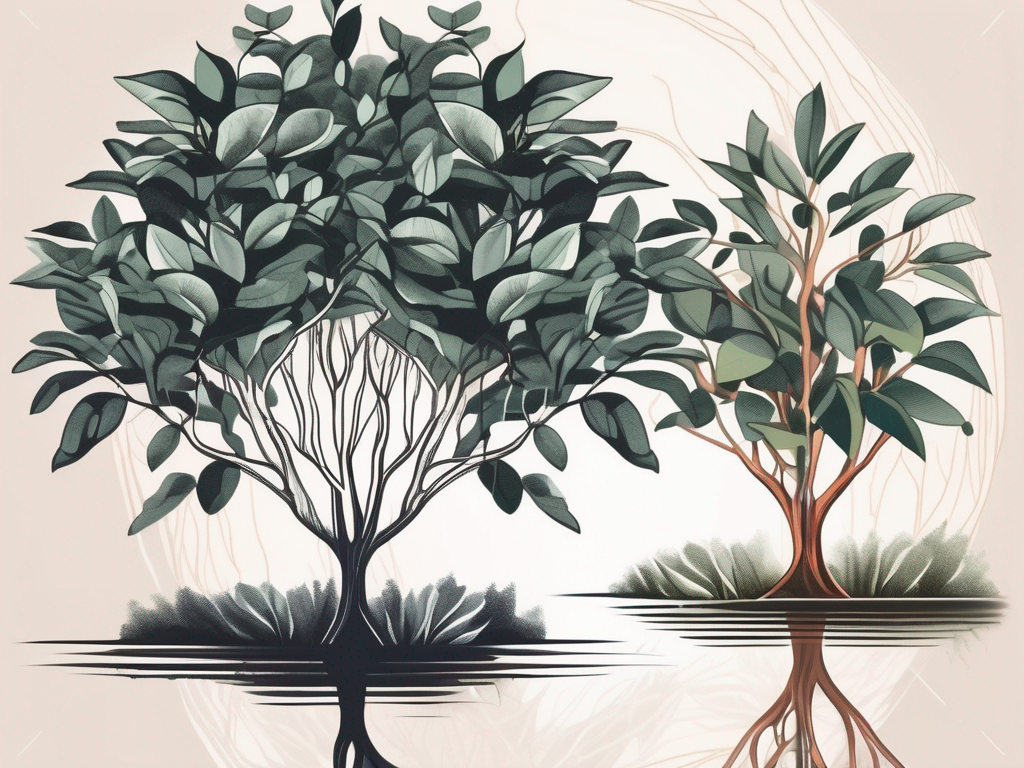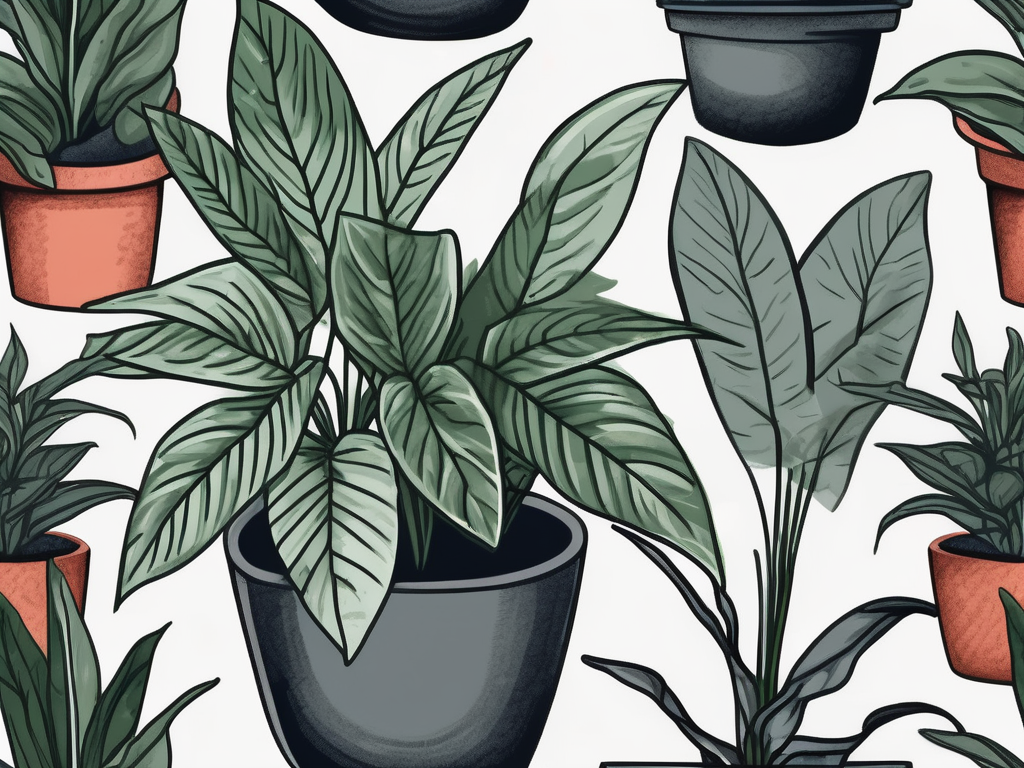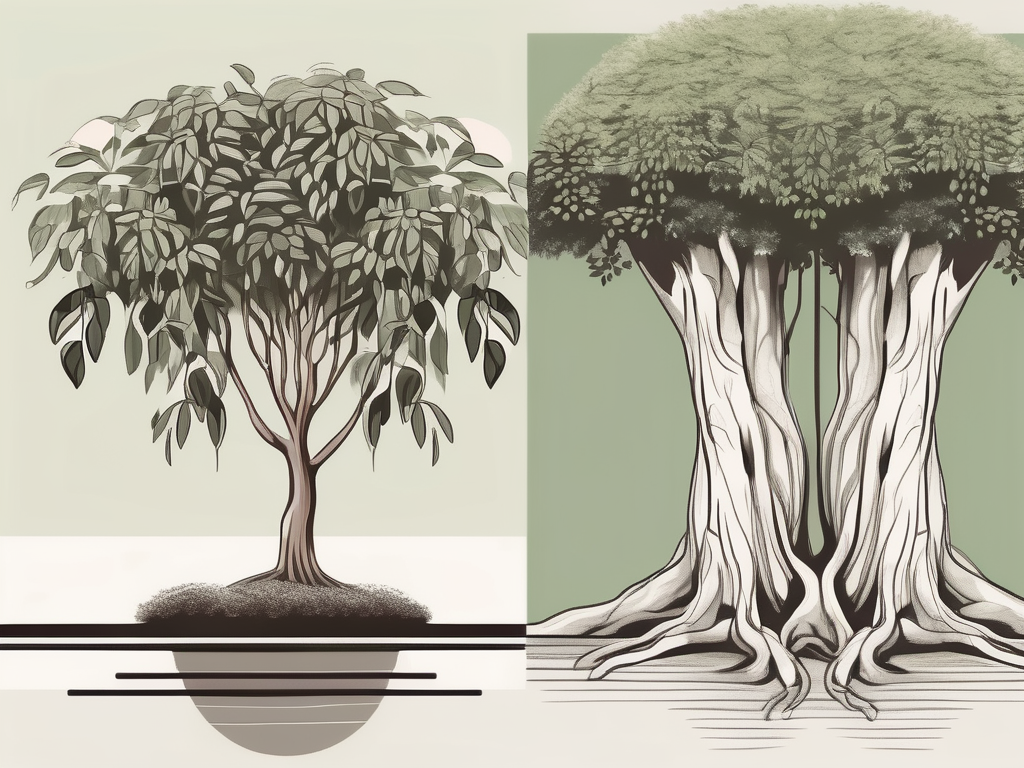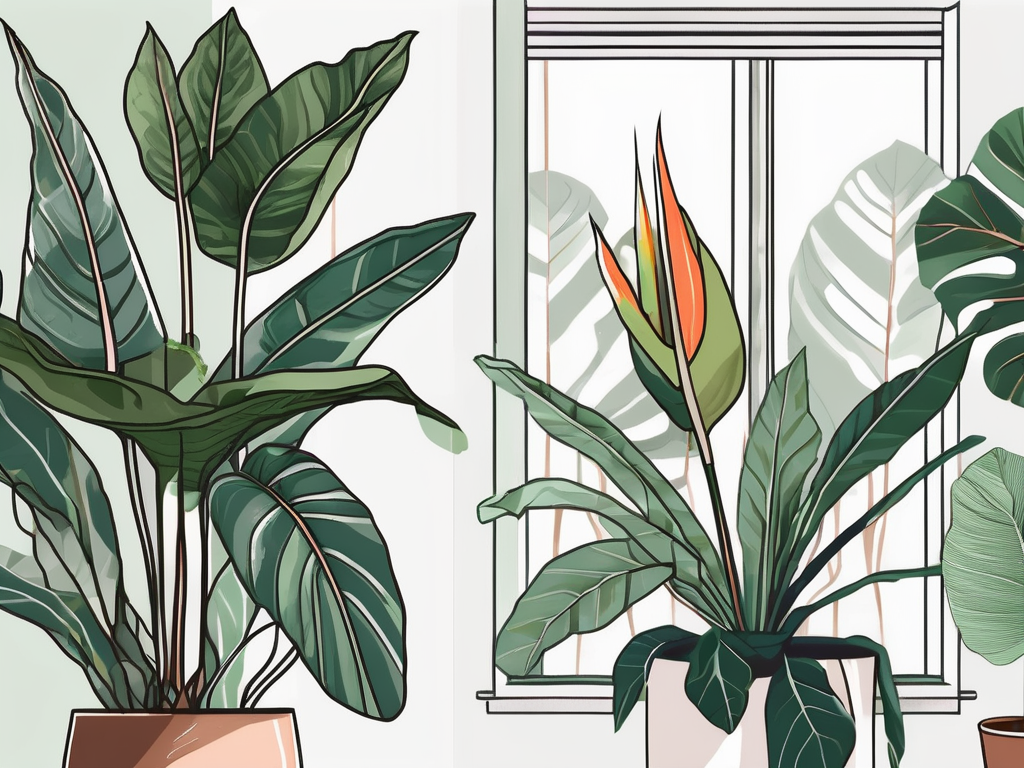
Houseplants have a magical way of transforming our spaces into lush, green havens. But choosing the right plant for your home can sometimes feel like a daunting task, especially when faced with popular choices like the Bird of Paradise and the Fiddle Leaf Fig. Both are stunning, but they have distinct needs and characteristics that make them unique.
In this article, we'll look at the differences between the Bird of Paradise and the Fiddle Leaf Fig. From their care requirements to their impact on interior design, we'll cover everything you need to know to help you decide which of these beauties is the right fit for your home.
Appearance and Aesthetic Appeal
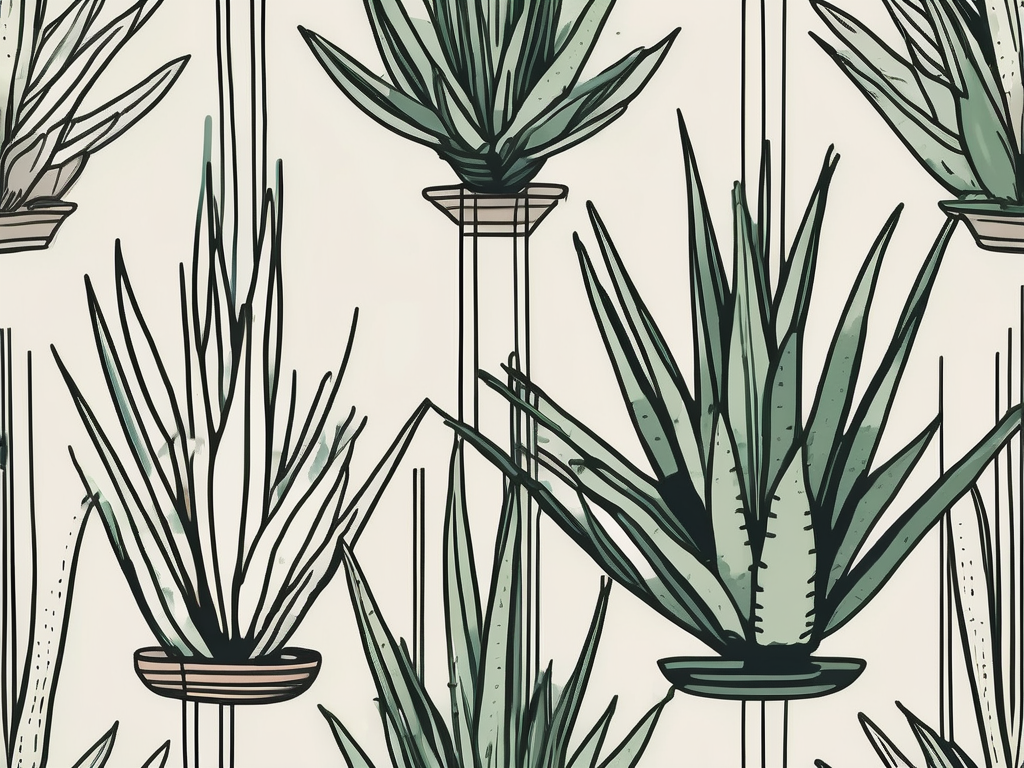
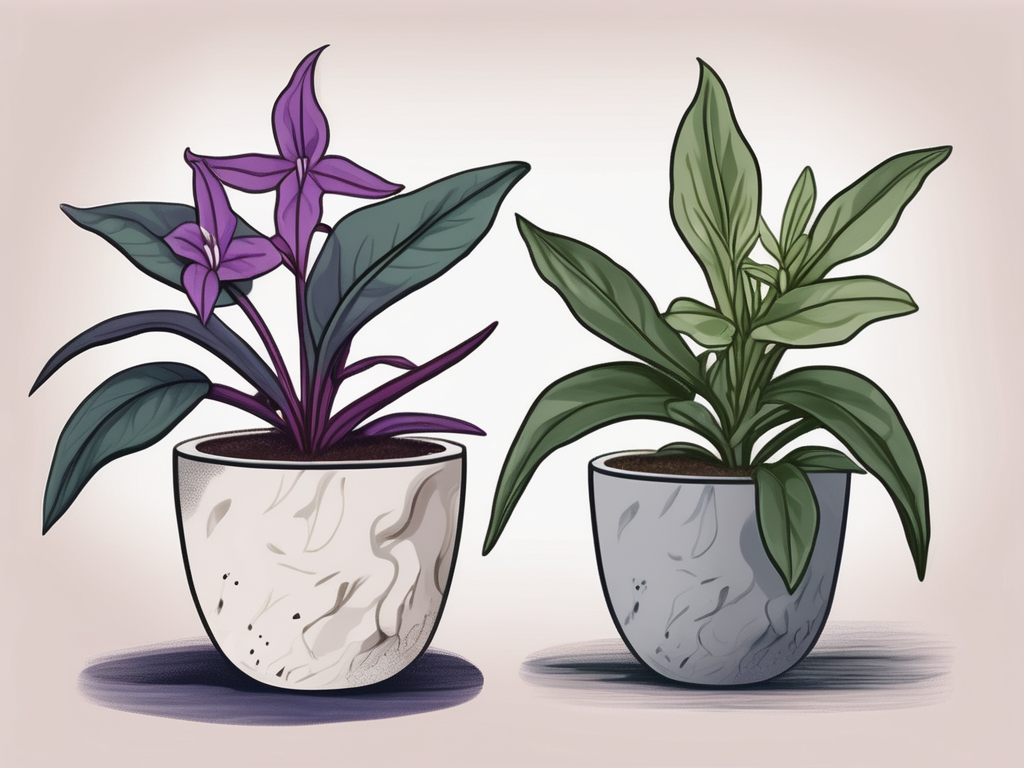
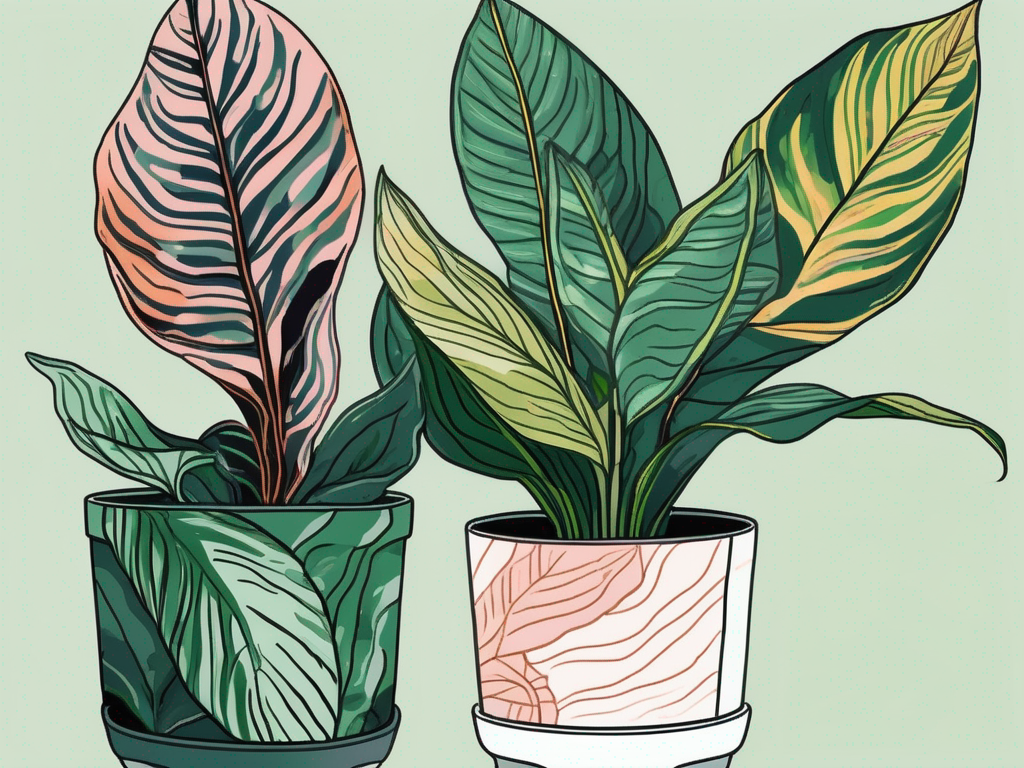
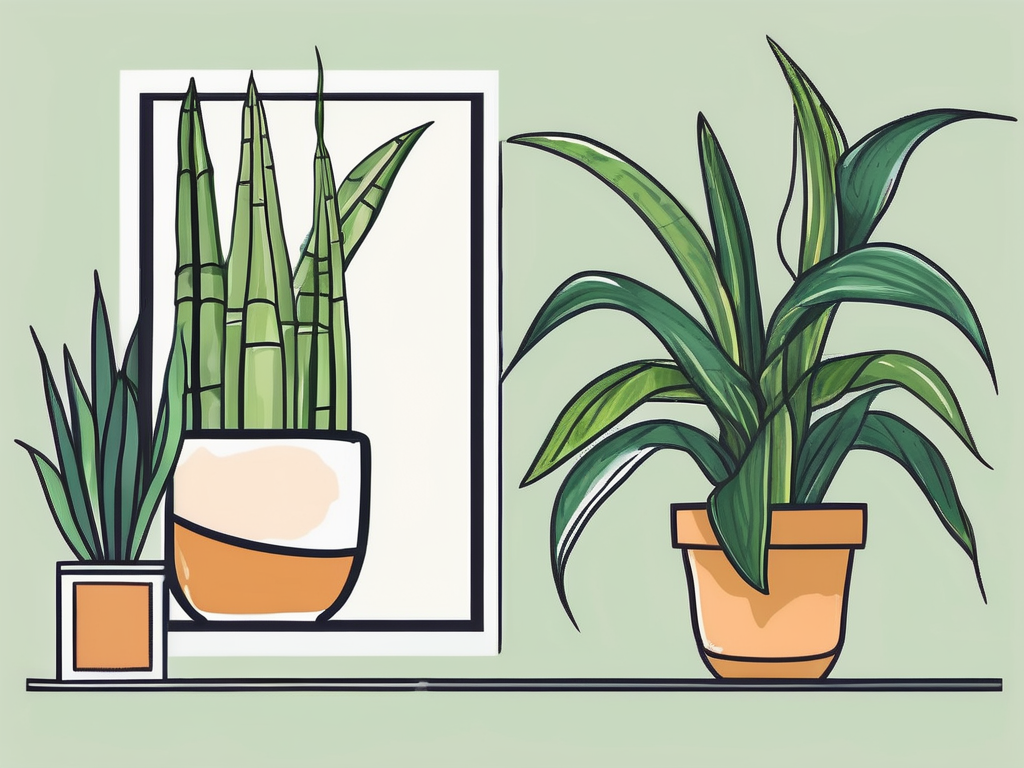
First impressions matter, and these two plants are nothing short of show-stoppers in the looks department. Let's start with the Bird of Paradise. Known for its dramatic, tropical flair, this plant features large, banana-like leaves that can bring a touch of the exotic to any room. When it blooms, it produces striking flowers that resemble a bird in flight, hence its name. These flowers can be orange, blue, or white, adding a splash of color to your space.
On the other hand, the Fiddle Leaf Fig is famous for its large, violin-shaped leaves that have a glossy finish. This plant offers a more sculptural, artistic presence, often seen as a statement piece in modern interiors. Its tall, elegant form can add height and drama to a room without overwhelming the space with too much color. While it doesn't flower like the Bird of Paradise, its rich green leaves provide a lush backdrop that complements a variety of interior styles.
So, which one should you choose based on looks alone? If you want a vibrant, tropical vibe, the Bird of Paradise might be your best bet. However, if you're leaning towards a minimalist or contemporary aesthetic, the Fiddle Leaf Fig could be your perfect match.
Light Requirements
Understanding the light needs of these plants is crucial for keeping them happy and healthy. The Bird of Paradise thrives in bright, indirect light. It can handle some direct sunlight, especially if you want it to bloom, but be cautious of too much direct exposure, as it can scorch the leaves. If your home has a sunny corner or a well-lit room, this plant will likely thrive there.
In contrast, the Fiddle Leaf Fig prefers bright, filtered light. It can tolerate some direct morning sun, but too much intense sunlight can cause its leaves to burn. If the light is too dim, the plant may become leggy as it stretches towards the light, leading to uneven growth. A north-facing window or a spot with sheer curtains could be ideal for this plant.
In summary, both plants love light, but the Bird of Paradise tends to be a bit more forgiving of direct sunlight compared to the Fiddle Leaf Fig. Assess your home's lighting situation to determine which plant will feel most at home.
Watering Needs
Next, let's talk about watering. The Bird of Paradise enjoys a moderate watering schedule. It prefers its soil to dry out slightly between waterings, especially during the cooler months. Overwatering can lead to root rot, which is a common issue with this plant. A good rule of thumb is to water when the top inch of soil feels dry to the touch.
The Fiddle Leaf Fig, on the other hand, can be a bit more finicky about its watering needs. It prefers consistent moisture, but like the Bird of Paradise, it doesn't like to sit in water. Allow the top inch or two of soil to dry out before watering again. Overwatering is a frequent mistake with Fiddle Leaf Figs, so it's better to err on the side of caution.
To summarize, both plants require attentive watering but have slightly different tolerances. The Bird of Paradise can handle a bit of drying out, while the Fiddle Leaf Fig likes a more consistent approach. Keep an eye on the soil and adjust as needed.
Soil and Potting Tips
Choosing the right soil and pot is another factor that can influence the health of your plant. The Bird of Paradise isn't too picky about soil, but a well-draining potting mix is essential to prevent soggy roots. A mix designed for tropical plants or a standard potting soil with added perlite or sand works well. Ensure your pot has drainage holes to allow excess water to escape.
The Fiddle Leaf Fig also thrives in a well-draining soil mix. A high-quality potting soil mixed with perlite or bark will provide the necessary aeration. When potting, choose a container that allows some room for growth but isn't too large, as this can lead to overwatering issues. Like the Bird of Paradise, drainage holes are crucial to prevent water from pooling at the bottom.
In essence, both plants appreciate well-draining soil and a pot that allows for healthy root development. Make sure you choose the right mix and pot size to keep your green friends thriving.
Temperature and Humidity Preferences
Temperature and humidity play a significant role in the well-being of houseplants. The Bird of Paradise loves warmth and humidity, making it perfect for a steamy bathroom or a well-heated room. It prefers temperatures between 65°F and 70°F (18°C to 21°C) and appreciates a boost in humidity, especially in drier months. Consider a humidifier or a pebble tray to keep the air moist.
The Fiddle Leaf Fig also enjoys warm temperatures but can be a bit more sensitive to drafts and sudden temperature changes. It thrives in temperatures between 60°F and 75°F (15°C to 24°C) and appreciates moderate humidity levels. While it doesn't require as much humidity as the Bird of Paradise, a little extra moisture in the air can help prevent leaf browning.
In summary, both plants favor warmth, but the Bird of Paradise craves more humidity than the Fiddle Leaf Fig. Consider your home's climate and make adjustments to create a comfortable environment for your chosen plant.
Growth Patterns and Size
When it comes to growth, the Bird of Paradise can reach impressive heights. Indoors, it can grow up to 6 feet tall or more, with leaves stretching out several feet in length. Its growth is relatively fast, especially when given optimal light and care, so be prepared for it to take up some space.
The Fiddle Leaf Fig also grows tall, but it tends to be slower in its growth rate compared to the Bird of Paradise. It can reach heights of up to 10 feet indoors, depending on the conditions. Its growth pattern is more upright, making it suitable for tight spaces where you want to add vertical interest without taking up too much horizontal space.
If you're considering size and growth patterns, think about how much space you have and how quickly you want your plant to reach its full potential. The Bird of Paradise might be better for those who want dramatic, fast-growing foliage, while the Fiddle Leaf Fig is great for those who prefer a more controlled, steady growth.
Pest and Disease Management
No plant is immune to pests and diseases, but knowing what to expect can help you keep your plants healthy. The Bird of Paradise is generally a hardy plant, but it can fall victim to common pests like spider mites, aphids, and mealybugs. Regularly inspect the leaves and clean them with a damp cloth to keep these pests at bay.
Fiddle Leaf Figs, with their large leaves, can also attract pests like spider mites, scale, and aphids. Additionally, they are prone to root rot if overwatered, so ensuring proper drainage and keeping a close eye on watering is crucial. Regular cleaning of the leaves can help prevent pest infestations.
Both plants benefit from regular inspections and maintenance to prevent and manage any pest or disease issues. Keep your eyes peeled for any signs of trouble and address them promptly to maintain your plant's health.
Design and Placement Ideas
When it comes to integrating these plants into your home decor, both offer unique possibilities. The Bird of Paradise, with its bold foliage and potential blooms, is perfect for creating a tropical oasis. Place it in a sunny corner or near a window where it can soak up light and add a vibrant touch to the room. Its large leaves can complement bohemian or eclectic styles beautifully.
The Fiddle Leaf Fig's architectural form makes it a favorite for modern and minimalist spaces. Its tall, slender shape can add height and drama to a room without cluttering it. Consider placing it in a sleek pot that matches your decor, and use it as a focal point in a living room or office. Its neutral green color pairs well with a variety of color palettes.
Ultimately, the choice between these plants may come down to your personal style and the vibe you want to create in your home. Both can serve as stunning focal points or complement your existing decor seamlessly.
Cost and Availability
Finally, let's talk about cost and availability. Both the Bird of Paradise and the Fiddle Leaf Fig are popular houseplants, so you should be able to find them at most plant nurseries or online retailers. Prices can vary based on the size and maturity of the plant, as well as your location.
The Bird of Paradise is often more affordable as a young plant, but larger, blooming specimens can be pricey. Fiddle Leaf Figs can also range in price, with larger trees being more expensive due to their slower growth rate.
When budgeting for your plant purchase, consider not just the initial cost, but also the investment in care supplies like pots, soil, and pest control products. Both plants are well worth the investment for the beauty and life they bring to your home.
Final Thoughts
To wrap things up, both the Bird of Paradise and the Fiddle Leaf Fig bring something special to a home. Depending on your aesthetic preferences, light conditions, and care commitment, either plant can thrive and become a cherished part of your indoor jungle.
At Cafe Planta, we believe in the joy and connection that plants bring to our lives. Whether you're looking for your next plant companion or need some advice, we're here to help. Feel free to reach out via email or follow us on Instagram for more plant love and tips. Let's grow together!