Houseplants have an incredible way of transforming our living spaces, bringing a touch of nature indoors. Two striking options that often catch the eye are the Bird of Paradise and the Monstera. Both plants are popular, yet they offer distinctly different aesthetics and care requirements. So, how do you choose between these two beauties?
In this article, we’ll look at the key differences between the Bird of Paradise and the Monstera, cover their care needs, and share tips on how to incorporate them into your home's design. Whether you're a seasoned plant parent or just starting out, these insights will help you make an informed decision.
Bird of Paradise: An Overview
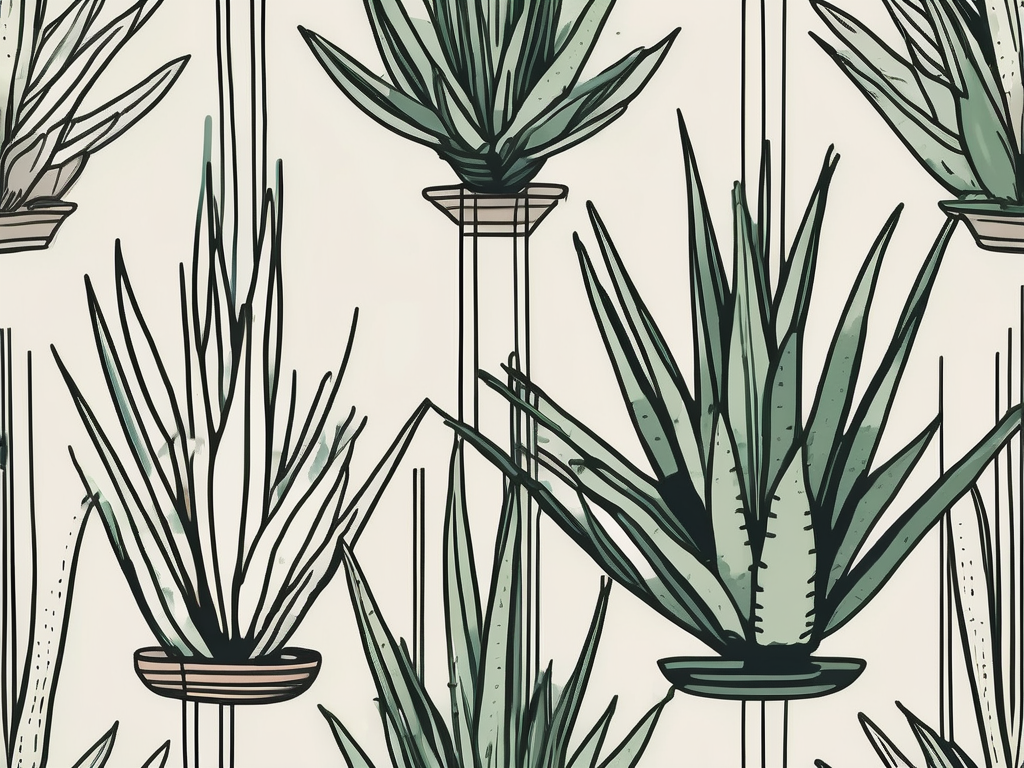
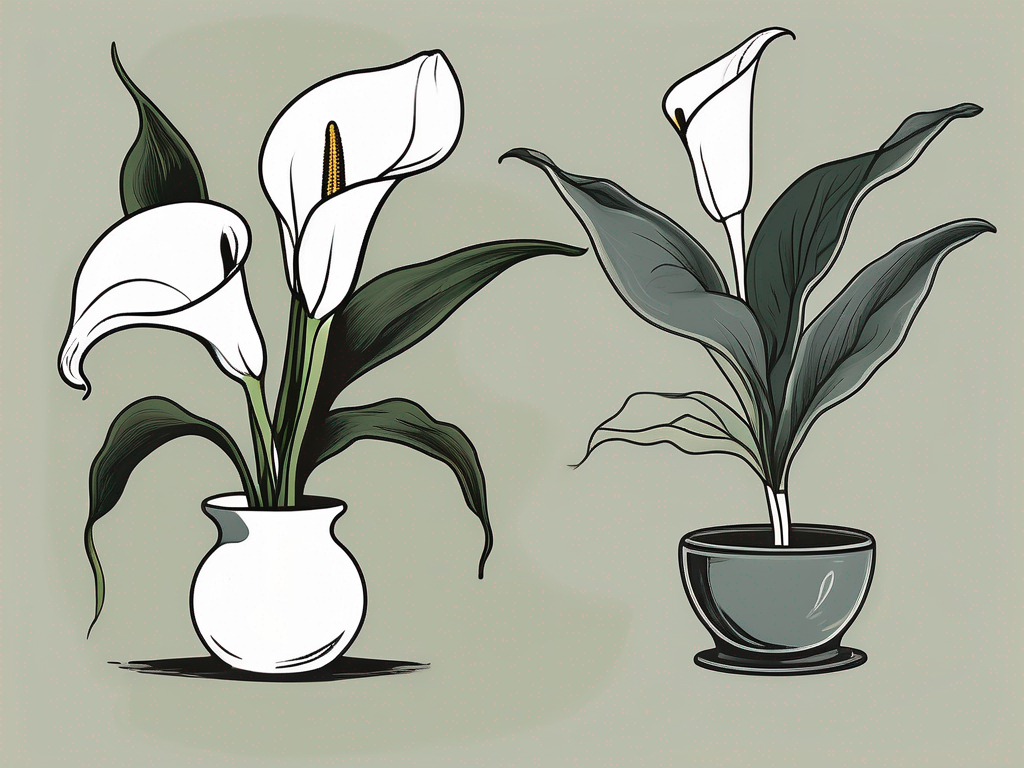
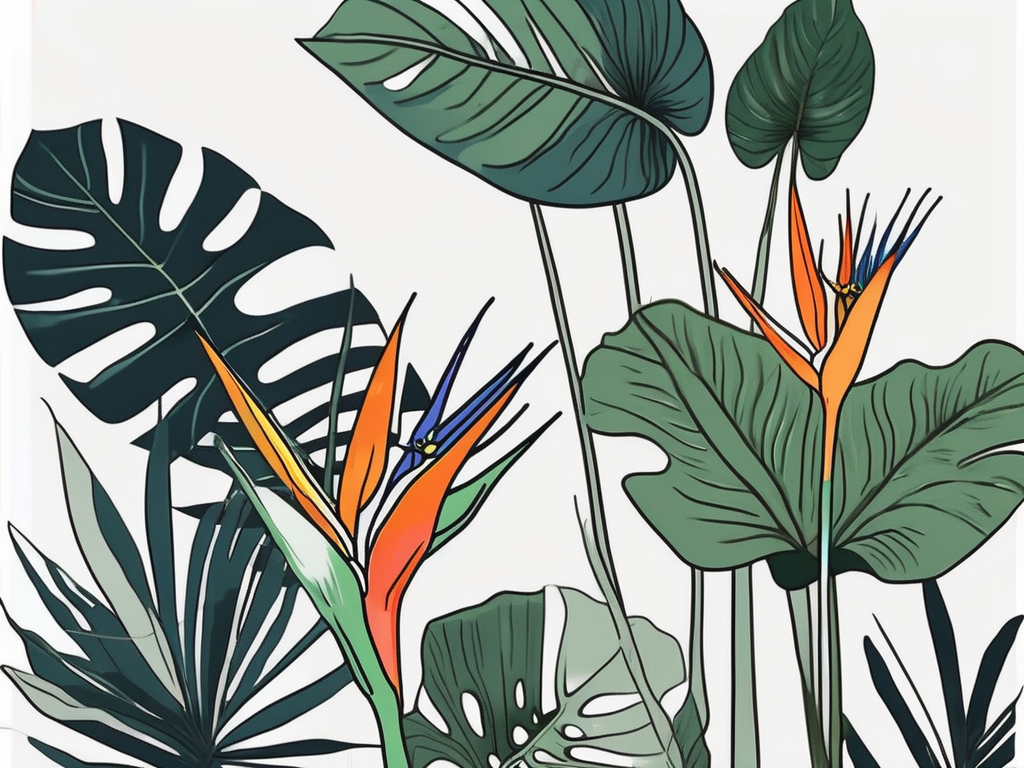
The Bird of Paradise, or Strelitzia, is known for its vibrant flowers resembling a bird in flight. Its lush, banana-like leaves add a tropical feel to any space, making it a favorite among plant lovers. While it's primarily grown for its ornamental value, the plant can also make a bold statement with its height, sometimes reaching up to six feet indoors.
Native to South Africa, the Bird of Paradise thrives in warm climates and requires plenty of sunlight. If you have a bright spot in your home, this plant could be a perfect addition. However, patience is key when it comes to flowering, as it can take several years for indoor plants to bloom.
Care Requirements
When it comes to care, the Bird of Paradise isn't overly demanding, but it does have some specific needs:
- Light: Prefers bright, indirect sunlight. Direct sunlight for a few hours can also be beneficial.
- Water: Allow the top inch of soil to dry out between waterings. Overwatering can lead to root rot.
- Humidity: Enjoys higher humidity levels. You can mist the leaves or use a humidifier to keep it happy.
- Temperature: Prefers temperatures between 65°F and 80°F. Protect it from cold drafts.
Monstera: An Overview
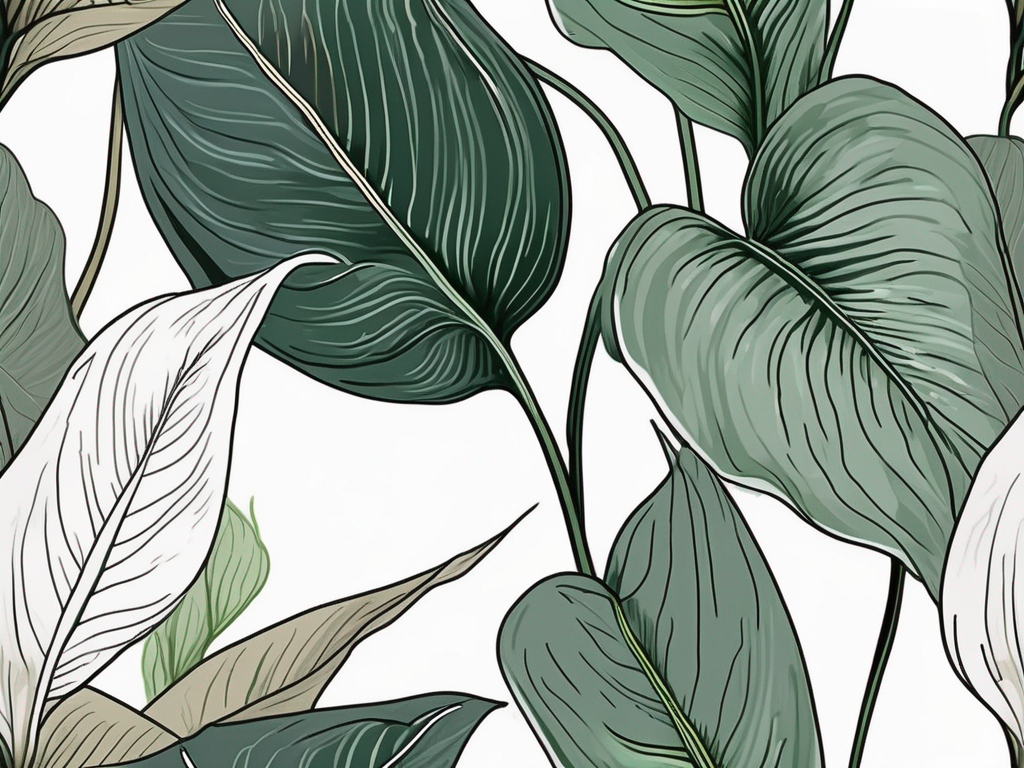
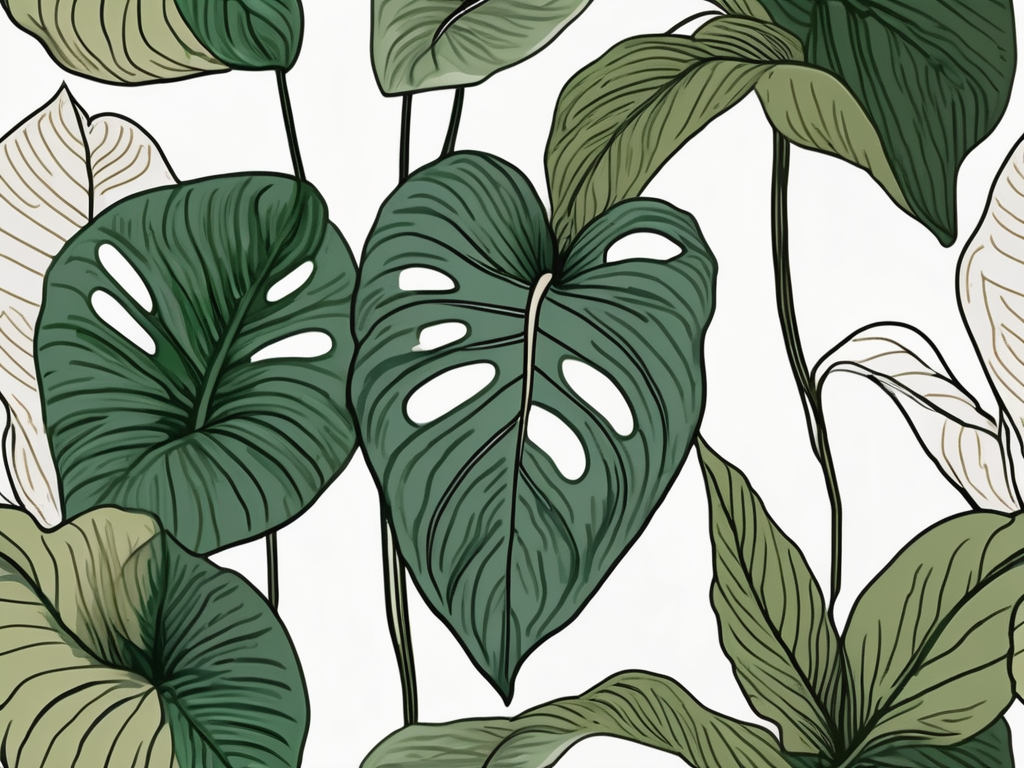
The Monstera, often called the Swiss Cheese Plant, is famous for its large, glossy leaves with unique holes and splits. This plant brings a touch of the exotic to any room, and its easygoing nature makes it a favorite among plant parents. Originating from the tropical forests of Central America, the Monstera can add a dramatic flair to your home decor.
One of the appealing aspects of the Monstera is its adaptability. It can thrive in a variety of light conditions, though it prefers indirect light. With its climbing nature, it can be trained to grow on a support, adding vertical interest to your plant collection.
Care Requirements
Monsteras are relatively low-maintenance, making them a great choice for beginners:
- Light: Prefers bright, indirect light but can tolerate low light. Avoid direct sunlight, as it can scorch the leaves.
- Water: Water when the top 2 inches of soil are dry. Monsteras are more forgiving of underwatering than overwatering.
- Humidity: Thrives in high humidity but can adapt to average home humidity levels. Consider occasional misting.
- Temperature: Likes temperatures between 65°F and 85°F. Keep away from cold drafts.
Key Differences in Appearance
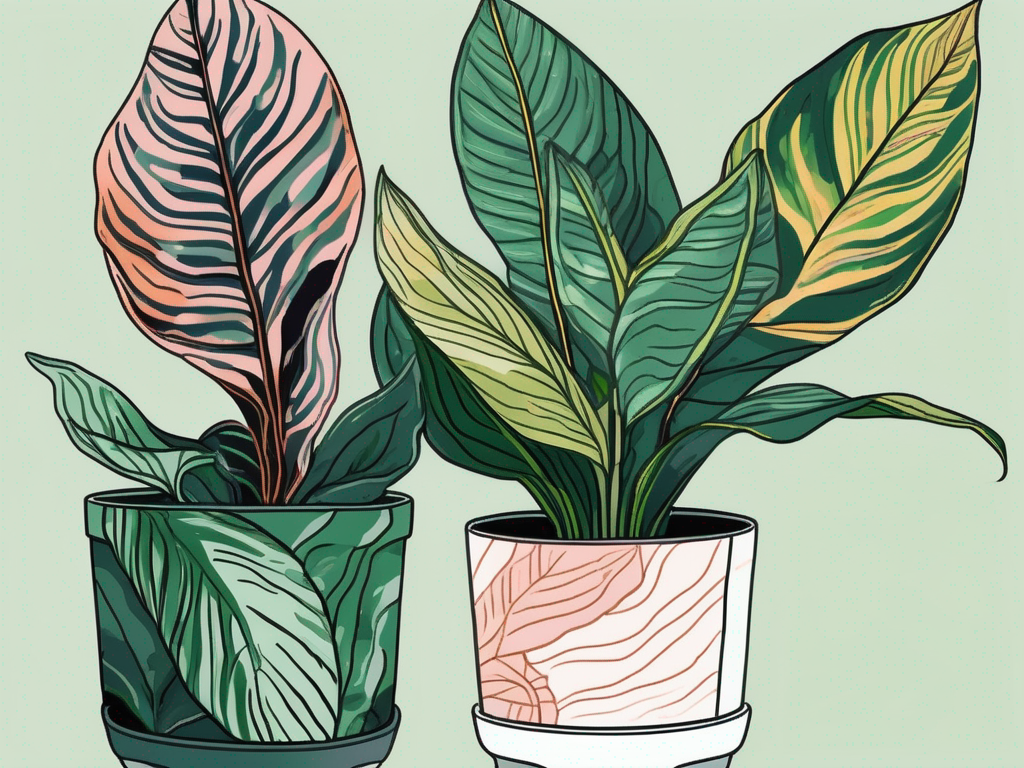
At first glance, you’ll notice that the Bird of Paradise and Monstera offer quite different visual experiences. The Bird of Paradise boasts long, arching leaves that are more akin to those of a banana plant, giving it a structured, upright appearance. This makes it a natural choice for adding height and drama to a space.
On the other hand, the Monstera’s signature feature is its split and perforated leaves, which give it an airy, artistic look. Its climbing habit means it can be trained to grow upwards on stakes or allowed to cascade down, making it versatile for different spaces. This feature also provides a more relaxed, jungle-like vibe to your interiors.
Indoor Placement and Design Tips
When deciding where to place these plants in your home, consider their growth habits and light requirements. The Bird of Paradise can serve as a stunning focal point in a bright corner or near a sunny window. Its tall, elegant stance makes it ideal for filling vertical space in a room.
Meanwhile, the Monstera is perfect for spots where it can climb or spread. It works well in living rooms or bedrooms, where its sprawling leaves can create a cozy, inviting atmosphere. You can also use it as a centerpiece on a large table or stand, where its leaves can be admired from all angles.
Design Ideas
- Bird of Paradise: Use as a statement piece in minimalist or modern decor. Its bold leaves complement sleek furniture and simple color schemes.
- Monstera: Pair with bohemian or eclectic styles. Its lush foliage adds texture and depth to layered, colorful interiors.
Potting and Soil Considerations
Both the Bird of Paradise and Monstera benefit from well-draining soil, but there are some nuances to consider. For the Bird of Paradise, a potting mix that retains some moisture yet drains well is ideal. A combination of regular potting soil with sand or perlite can work wonders.
The Monstera, being more tolerant of different soil types, thrives in a peat-based potting mix that ensures adequate drainage. Mixing in some perlite or orchid bark can help prevent the soil from becoming too compacted, promoting healthy root growth.
When repotting, choose a container with drainage holes to prevent water from accumulating at the bottom, which can lead to root rot in both plants.
Pest and Disease Management
All houseplants can encounter pests and diseases at some point, and the Bird of Paradise and Monstera are no exceptions. However, both are relatively resilient if cared for properly.
Common pests include spider mites, aphids, and mealybugs. Regularly inspecting your plants and wiping the leaves with a damp cloth can help keep these pests at bay. If an infestation occurs, neem oil or insecticidal soap can be effective treatments.
Overwatering is a common issue that can lead to root rot, especially in the Bird of Paradise. Ensure your plants have a chance to dry out slightly between waterings, and use a pot with good drainage to mitigate this risk.
Propagation Techniques
Propagation is a fun and rewarding way to expand your plant collection. The Bird of Paradise is typically propagated through division. This involves separating the root ball into smaller sections, each with its own roots and leaves, which can then be potted individually.
The Monstera, however, is a bit more straightforward. It can be propagated via stem cuttings. Simply cut a piece of stem with at least one node (the spot where leaves and roots grow) and place it in water or directly into soil. With proper care, roots will develop, and you'll have a new plant to enjoy.
Cost and Availability
Both the Bird of Paradise and Monstera are widely available in nurseries and plant shops, but prices can vary based on size and maturity. The Bird of Paradise is often slightly more expensive, especially for larger specimens, due to its slower growth rate and long flowering period.
Monstera plants tend to be more budget-friendly, especially when purchasing smaller or younger plants. Their popularity means they're often available in various sizes, making them accessible for different budgets.
Final Thoughts
Choosing between the Bird of Paradise and Monstera depends on your personal style and the environment you can provide. Both offer unique beauty and can be wonderful additions to your home. With a little care and attention, these plants will thrive and bring joy to your indoor space.
At Cafe Planta, we're passionate about helping you find the perfect plants for your home. If you have any questions or need advice, feel free to email us or send a message on Instagram. We believe plants connect us to nature and each other, and we're excited to share that with you.