Choosing between bromeliads and orchids for your indoor jungle? You're not alone. These two plant types bring unique beauty and character to any space, but they have some distinct differences that might make one more suitable for your home than the other.
In this post, we'll break down the differences between bromeliads and orchids, covering everything from their care requirements to their aesthetic appeal. Whether you're a seasoned plant parent or just getting started, you'll find useful insights to help you decide which plant to bring home next.
Origins and Natural Habitat
Understanding where these plants come from can give us a clue about their needs. Bromeliads are native to the tropical Americas, thriving in environments ranging from rainforests to deserts. They can often be found clinging to trees in the wild, absorbing moisture from the air.
Orchids, on the other hand, have a more global distribution. They are found on every continent except Antarctica. However, their heartland is the tropics, where they grow as epiphytes, just like bromeliads. This means they grow on other plants, not in the soil. This adaptation allows them to access light and air high in the canopy.
Both plant groups are epiphytic, meaning they don't require soil to thrive. This might sound strange to some, but it actually makes them pretty low-maintenance in terms of potting needs. You won't need to worry about heavy pots or soil changes with these guys.
Appearance and Variety
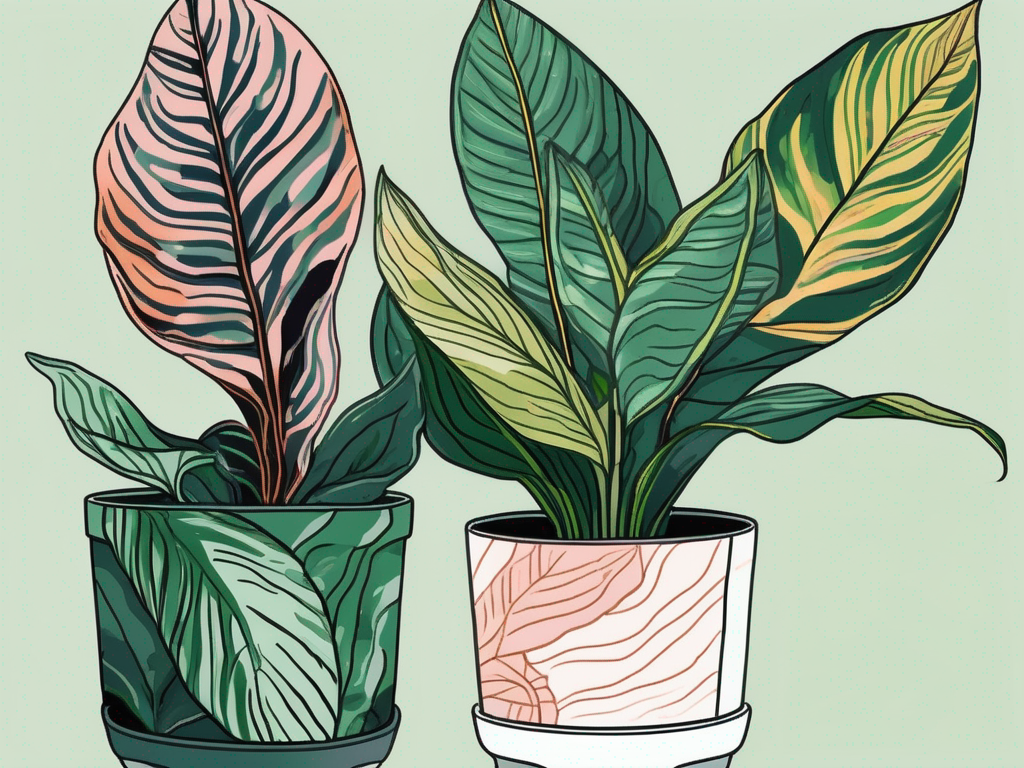
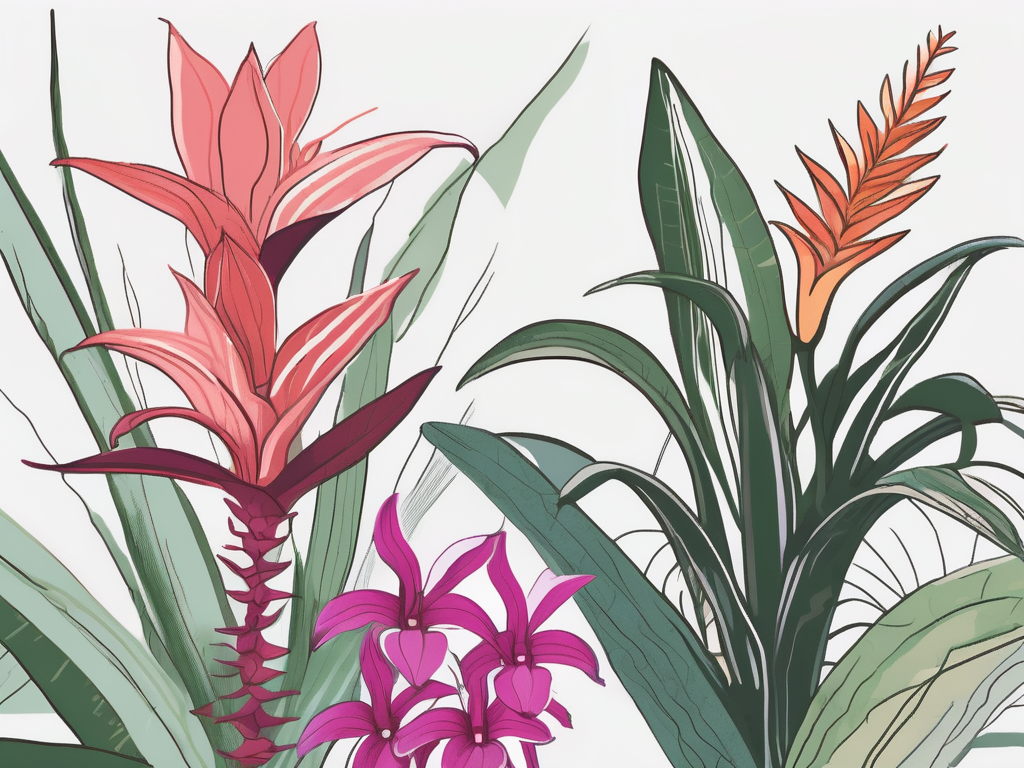
When it comes to looks, bromeliads and orchids each bring their own flair to the table. Bromeliads are known for their striking rosettes of leaves, which can come in a wide array of colors and patterns. The leaves often form a central cup that holds water, mimicking their natural habitat.
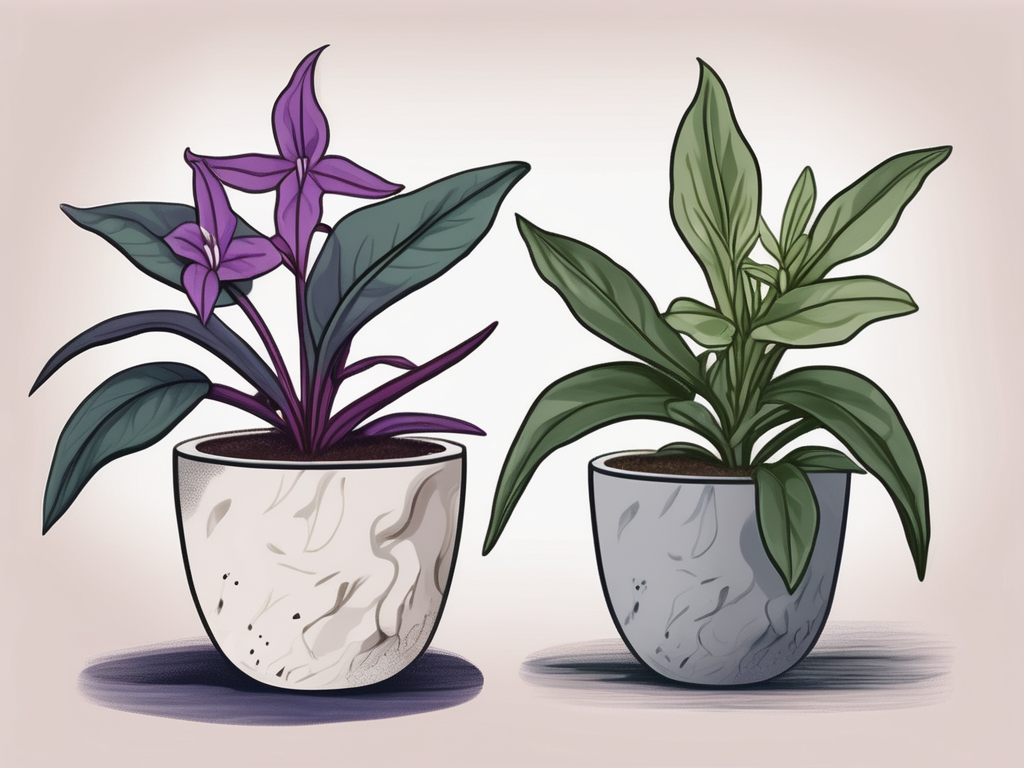
Orchids, meanwhile, are famous for their intricate blooms. With over 25,000 species, the variety in orchids is mind-boggling. Their flowers can be simple and delicate or flamboyant and exotic, with colors spanning the rainbow. Each species has its own unique charm, making them highly desirable for collectors.
If you're looking for bold foliage, bromeliads are your go-to. If it's the flowers you're after, orchids offer a dazzling display. Both plants can add a touch of the exotic to your home, but the choice really depends on what kind of aesthetic you're aiming for.
Care Requirements
Now, let's talk about keeping these beauties alive and thriving. Bromeliads are often praised for their resilience and ease of care. They don't need much water, especially if you keep their central cup filled. A bright spot with indirect sunlight is ideal, but they'll tolerate lower light conditions too.
Orchids, however, can be a bit more demanding. They prefer bright, indirect light and require careful watering to prevent root rot. The classic "water once a week" advice often applies, but it's essential to adjust based on your home's humidity and temperature.
- Humidity: Both bromeliads and orchids love humidity. If your home is dry, consider a humidity tray or a room humidifier.
- Temperature: These plants thrive in warm conditions. Keep them away from drafts and cold windows in the winter.
- Feeding: While bromeliads don't need much fertilization, orchids benefit from regular feeding during their growing season.
In summary, bromeliads are generally lower maintenance, while orchids require a bit more attention. But don't let that scare you off—many plant lovers find the challenge of growing orchids to be a rewarding experience.
Potting and Soil
Given their epiphytic nature, neither bromeliads nor orchids require traditional soil. Bromeliads can be planted in a loose, well-draining mix that mimics their natural habitat. Some people even attach them to pieces of bark or hang them in air plant holders.
Orchids typically grow best in a specialized orchid mix. This usually consists of bark, perlite, and sphagnum moss. The mix should allow for excellent drainage while providing some stability for the roots.
When potting either plant, ensure that the container allows for good air circulation. Over-potting can lead to stagnant moisture, which is a big no-no for these air-loving plants.
Dealing with Pests and Diseases
Like all plants, bromeliads and orchids can fall victim to pests and diseases. For bromeliads, the most common issues are scale and mealybugs. These pests can often be removed manually or treated with insecticidal soap.
Orchids are susceptible to a few more pests, including spider mites and aphids. Additionally, they can suffer from fungal issues if kept too wet. Ensuring proper air circulation and not overwatering can help prevent these problems.
If you spot trouble, quick action is key. Isolate the plant, clean the affected areas, and treat with the appropriate product. Regularly inspecting your plants can help catch any issues before they become severe.
Designing with Bromeliads and Orchids
Incorporating these plants into your home decor can be a fun and rewarding experience. Bromeliads, with their bold foliage, can serve as a centerpiece in a plant display. Their varied colors and textures make them versatile for different design styles, from modern to bohemian.
Orchids, with their elegant blooms, are often used as statement pieces. They can brighten up a dull corner or add sophistication to a dining room table. Consider displaying them in a group for a lush, tropical vibe.
Both plants can also work well in hanging displays or terrariums. Just remember to consider their light and humidity needs when choosing a spot for them in your home.
Choosing the Right Plant for Your Space
Deciding between a bromeliad and an orchid depends largely on your space and lifestyle. If you prefer low-maintenance plants that can tolerate a bit of neglect, a bromeliad might be your best bet. They’re forgiving and adaptable, making them great for beginners.
Orchids are a bit more high-maintenance but offer rewards in the form of stunning blooms. If you enjoy the process of plant care and are willing to put in a bit of extra effort, you'll likely find growing orchids to be a fulfilling endeavor.
Consider your home's lighting, humidity, and your personal schedule when making your decision. Both plants can thrive indoors with the right care, so it really comes down to personal preference.
Common Misconceptions
There are a few myths about bromeliads and orchids that can deter potential plant parents. One is that orchids are incredibly difficult to grow. While they do have specific needs, they're not impossible to care for. With a little patience and attention, most people can successfully grow orchids.
Another misconception is that bromeliads only flower once and then die. While it's true that the mother plant will eventually fade, it often produces pups—small offshoots that can be potted up to grow into new plants.
Understanding these plants' life cycles and needs will help you avoid frustration and enjoy their beauty for years to come.
Final Thoughts
In our quest to understand bromeliads and orchids, we've explored their origins, appearance, care requirements, and more. Each plant has its own unique charm and challenges, making them both worthy additions to your indoor garden.
At Cafe Planta, we’re passionate about helping you bring these beautiful plants into your home. Whether you're looking for a new plant friend or need advice on caring for your existing collection, we're here to help. Feel free to reach out via Instagram or email. We believe in the power of plants to connect us with nature and each other, and we're excited to share this journey with you.