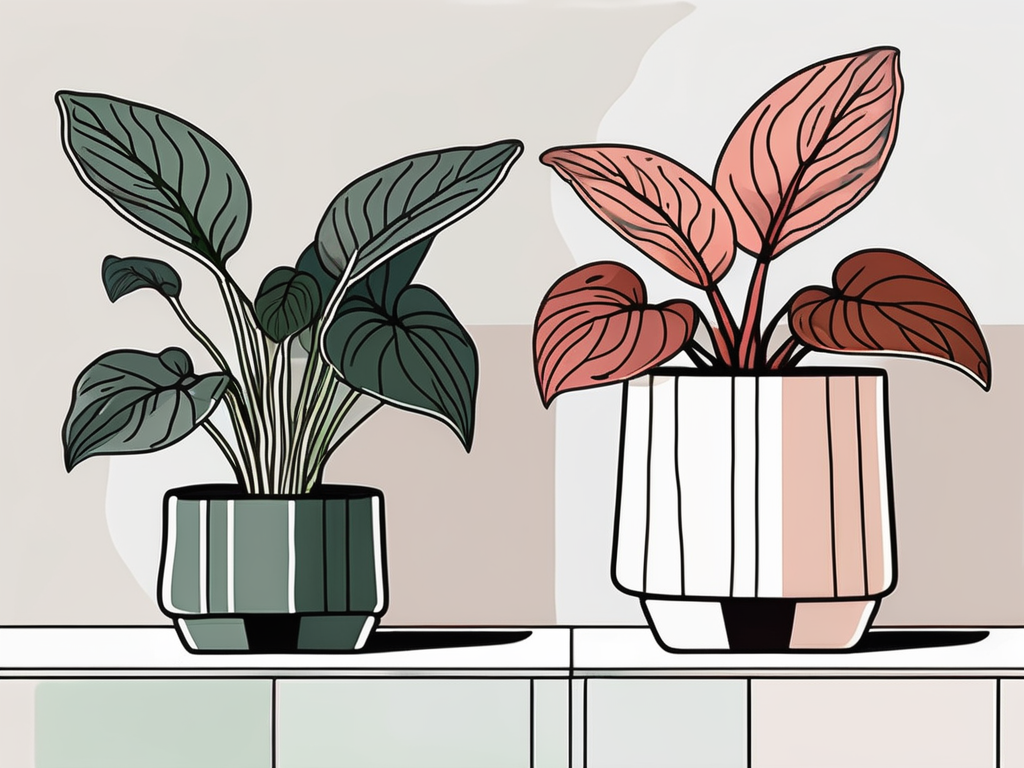
If you've ever found yourself gazing at the beautiful foliage of a Caladium or a Calathea, you're certainly not alone. Both of these plants boast stunning leaves that can add a splash of color and intrigue to any room. But, while they might seem similar at first glance, they have quite a few differences that make each unique in the plant world.
This article will walk you through the distinct characteristics of Caladiums and Calatheas, from their appearance and care requirements to their role in interior design. Along the way, we'll share practical tips and insights to help you decide which plant might be the best fit for your space.
Appearance: Recognizing the Differences
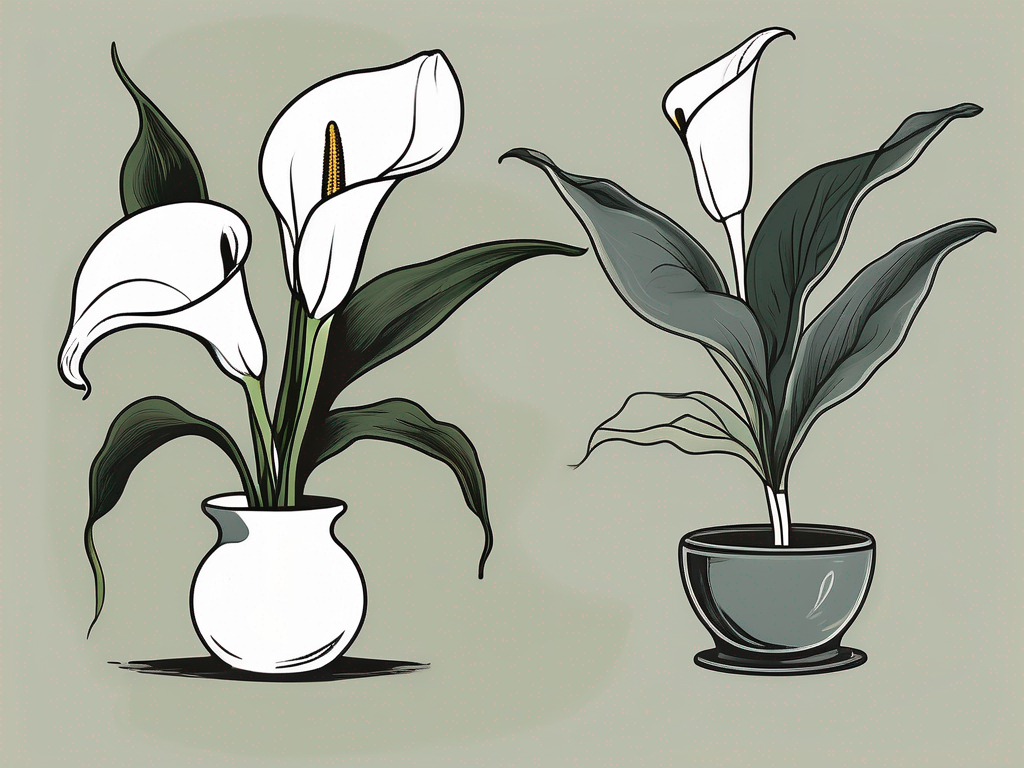
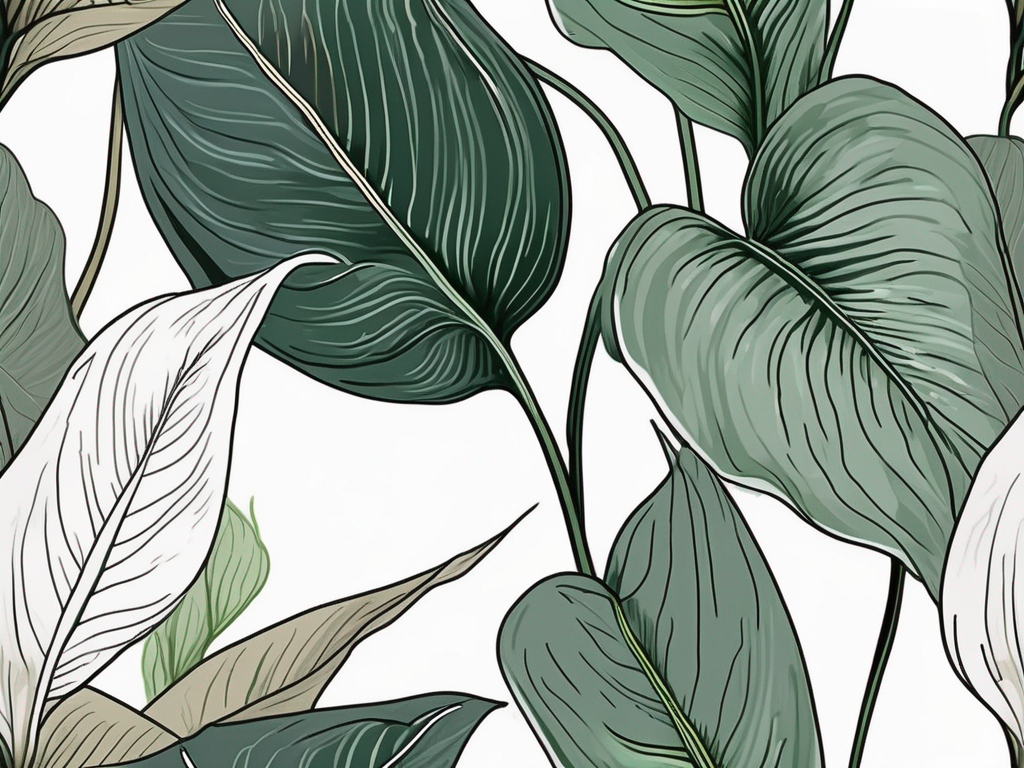
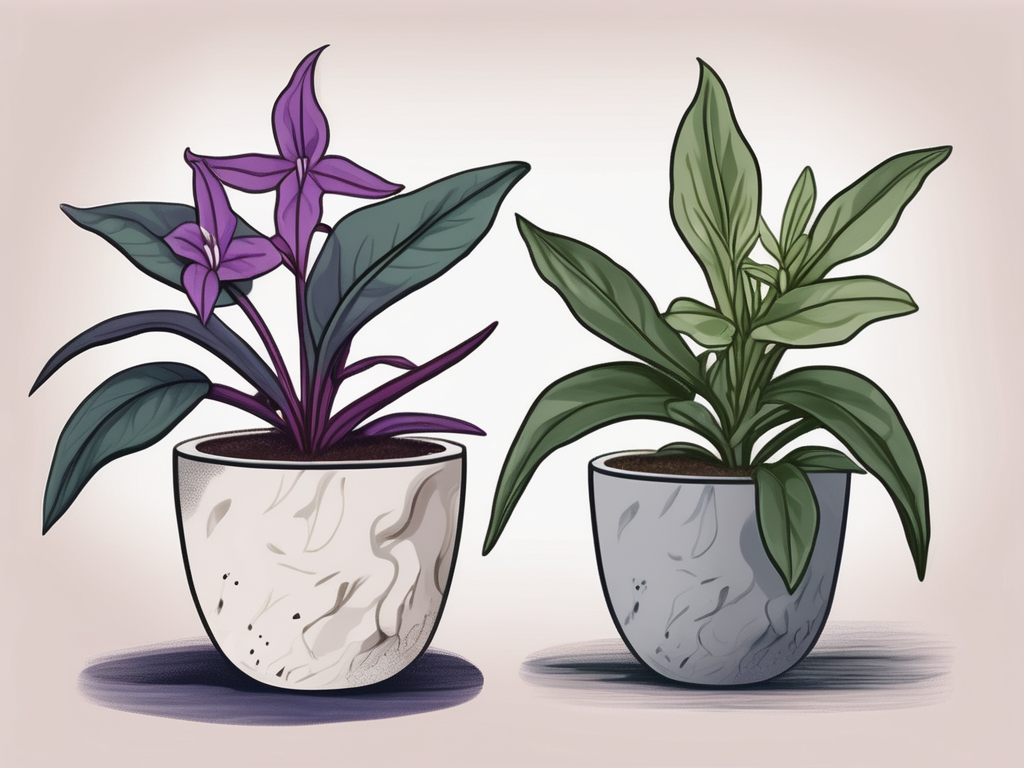
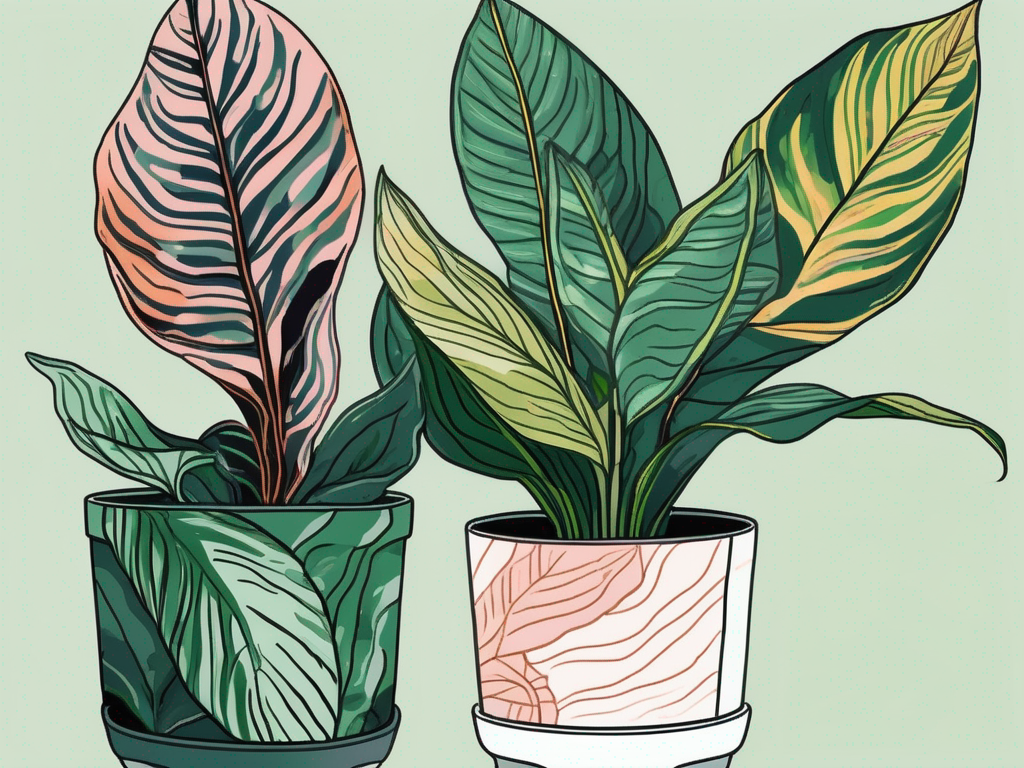
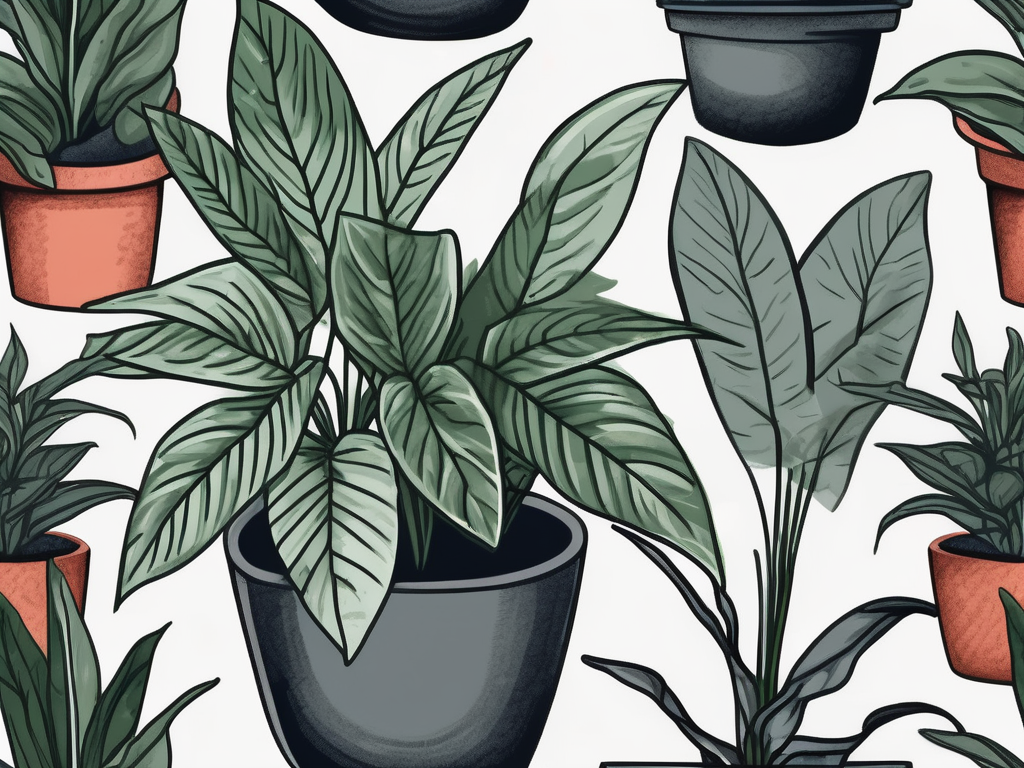
At first blush, you might think Caladiums and Calatheas are siblings in the plant family, given their vibrant leaves. But take a closer look, and you'll notice some telling differences. Caladiums are known for their heart-shaped leaves, which come in an array of colors—from whites and greens to reds and pinks. Their leaves are often veined with contrasting colors, giving them a striking appearance that can brighten any room.
On the other hand, Calatheas boast elliptical leaves with intricate patterns and a more subtle color palette. Think purples, greens, and whites, often with a velvety texture. The undersides of their leaves can be just as striking, often displaying a deep purple hue. Calatheas are like the painters of the plant world, with each leaf looking like a work of art.
When deciding between the two, consider the visual impact you want in your space. Caladiums are bold and colorful, ideal for making a statement. Calatheas, with their detailed patterns, are perfect for adding a touch of elegance and sophistication.
Care Requirements: Sunlight and Watering
Now, let's talk about keeping these beauties happy and healthy. Caladiums and Calatheas have different care needs, so it's important to know what you're getting into before bringing one home.
Caladiums thrive in bright, indirect light. They're originally from tropical regions, so they love warmth but need protection from direct sunlight, which can scorch their leaves. When it comes to watering, Caladiums have a bit of a Goldilocks complex—they need just the right amount. Keep the soil consistently moist, but be careful not to overwater, as they can be prone to root rot.
Calatheas, meanwhile, prefer low to medium indirect light. They're great for those spots in your home that don't get a lot of sun. Watering Calatheas requires a bit of attention; they like their soil to be moist but not soggy. These plants are sensitive to water quality, so if possible, use distilled or rainwater to prevent leaf spots.
Understanding these basic care requirements is key to ensuring your plant thrives and continues to add beauty to your living space.
Humidity and Temperature Preferences
Both Caladiums and Calatheas hail from tropical climates, so they have a penchant for humidity and warmth. However, there are some nuances to keep in mind.
Caladiums prefer high humidity and temperatures between 65°F and 80°F. If the air in your home is dry, especially during winter, consider using a humidifier or placing a tray of water near the plant to increase humidity levels. These plants also appreciate a little misting now and then.
Calatheas are similar in their love for humidity and warmth but are slightly more forgiving about temperature fluctuations. They can thrive in temperatures between 60°F and 75°F. To keep a Calathea happy, you might want to place it in a bathroom or kitchen where humidity is naturally higher. Like Caladiums, they also enjoy misting.
Creating the right environment for these plants can make all the difference in their health and vibrancy. It's like bringing a bit of the tropics into your home.
Soil and Potting Needs
Another important aspect of plant care is the soil and potting situation. Both Caladiums and Calatheas have specific preferences that you'll want to cater to for the best results.
Caladiums need well-draining soil that retains some moisture. A mix of potting soil with perlite or sand can work wonders. When potting, choose a container with drainage holes to prevent water from pooling at the bottom, which can lead to root issues.
Calatheas prefer a potting mix that's rich in organic matter and drains well. You can create a suitable mix by combining potting soil with peat moss and perlite. Since Calatheas are sensitive to overwatering, using a pot with good drainage is crucial. Re-potting every couple of years will help ensure they don't become root-bound.
Taking the time to create the right soil environment is like setting the stage for these plants to flourish. It's a bit like giving them a cozy home where they can truly thrive.
Pest Management
Even the most diligent plant parents can encounter pests. Caladiums and Calatheas have their own set of common intruders, which are manageable with the right approach.
Caladiums can sometimes attract mealybugs, spider mites, and aphids. Regularly checking the leaves for any signs of these pests is a good habit. If you spot them, a gentle spray of water can dislodge many critters, or you can use insecticidal soap for more persistent infestations.
Calatheas are not immune to pests, either. They can fall victim to spider mites and aphids. Keeping humidity levels up can help deter these pests, as they tend to thrive in dry conditions. If you notice pests, wiping the leaves with a damp cloth or using neem oil can be effective solutions.
Regularly inspecting your plants and acting quickly at the first sign of trouble can keep your leafy friends healthy and happy.
Fungal Issues and Leaf Problems
Fungal issues can sometimes plague Caladiums and Calatheas, especially if their care requirements aren't met. Recognizing early signs can help you nip these problems in the bud.
Caladiums can experience leaf spot and blight if kept too wet or in too humid an environment. Make sure to water the soil directly and avoid getting the leaves wet. Improving air circulation around the plant can also help prevent fungal problems.
Calatheas, with their delicate leaves, can suffer from brown leaf tips or edges, often due to low humidity or poor water quality. Ensuring they're in a humid environment and using filtered or distilled water can prevent these issues. Fungus gnats can also be a problem if the soil is too moist; letting the top layer of soil dry out between waterings can help.
Monitoring your plants and adjusting their care as needed can keep fungal issues at bay and ensure your plants remain vibrant and healthy.
Role in Interior Design
Both Caladiums and Calatheas can be show-stoppers in your home decor, but they offer different vibes and aesthetics.
Caladiums, with their bold and bright colors, are perfect for spaces that need a pop of color. They can serve as focal points in a room, drawing the eye and adding life to a space. They're great for windowsills, tables, or as part of a larger plant display.
Calatheas bring a touch of elegance and sophistication with their intricate leaf patterns and subtle hues. They're ideal for creating a calming and serene atmosphere, making them perfect for bedrooms or living areas. Their ability to thrive in low light also makes them versatile for various spots around your home.
Incorporating these plants into your home can add both beauty and a sense of nature, helping you create a space that's both inviting and unique.
Choosing the Right Plant for Your Space
Deciding between a Caladium and a Calathea can be tough, but considering your home's environment and your personal preferences can guide you to the right choice.
If your space has bright, indirect light and you're looking for something colorful and bold, a Caladium might be your best bet. They're great for plant lovers who enjoy a bit of drama and flair in their decor.
If, on the other hand, your home offers lower light and you prefer a more subtle and refined look, a Calathea could be the perfect fit. They're excellent for those who appreciate the artistry of nature and want to create a peaceful, contemplative space.
Ultimately, the right plant for you is one that you'll enjoy nurturing and that complements your personal style and living environment.
Final Thoughts
Caladiums and Calatheas each bring their own special charm to a home, with distinct appearances and care needs. By understanding these differences, you can choose the one that best fits your lifestyle and space. Whether you opt for the vibrant Caladium or the elegant Calathea, either can be a stunning addition to your plant collection.
At Cafe Planta, we love connecting plant people with the perfect greenery for their homes. If you have any questions, feel free to email us or reach out on Instagram. We're here to help you embrace your plant journey, whether you're new to plants or a seasoned green thumb, and we look forward to sharing our passion with you. Happy planting!