When it comes to adding vibrant greenery and a touch of nature to your living space, Calathea and Aglaonema are two popular choices among plant lovers. Both boast stunning foliage and have unique care requirements, making them favorites for indoor plant collections. But what sets them apart?
In this article, we'll explore the differences between Calathea and Aglaonema, covering everything from their appearance and growth habits to their care needs. By the end, you'll have a clearer picture of which might be the best fit for your home and lifestyle.
Appearance: Spotting the Differences
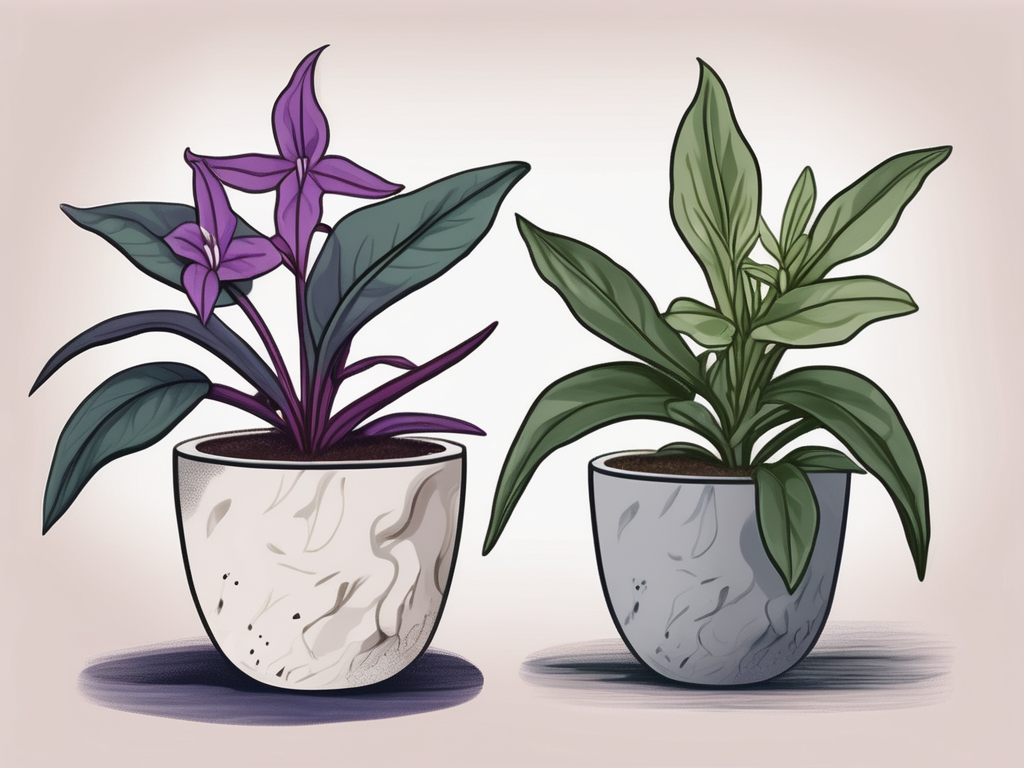
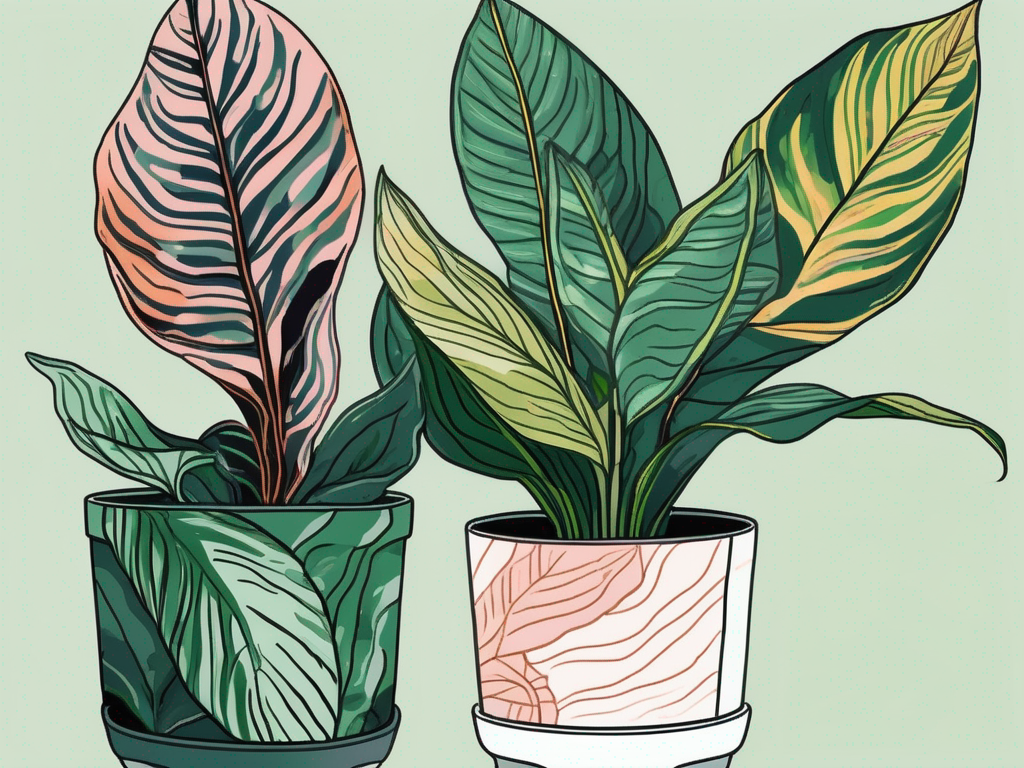
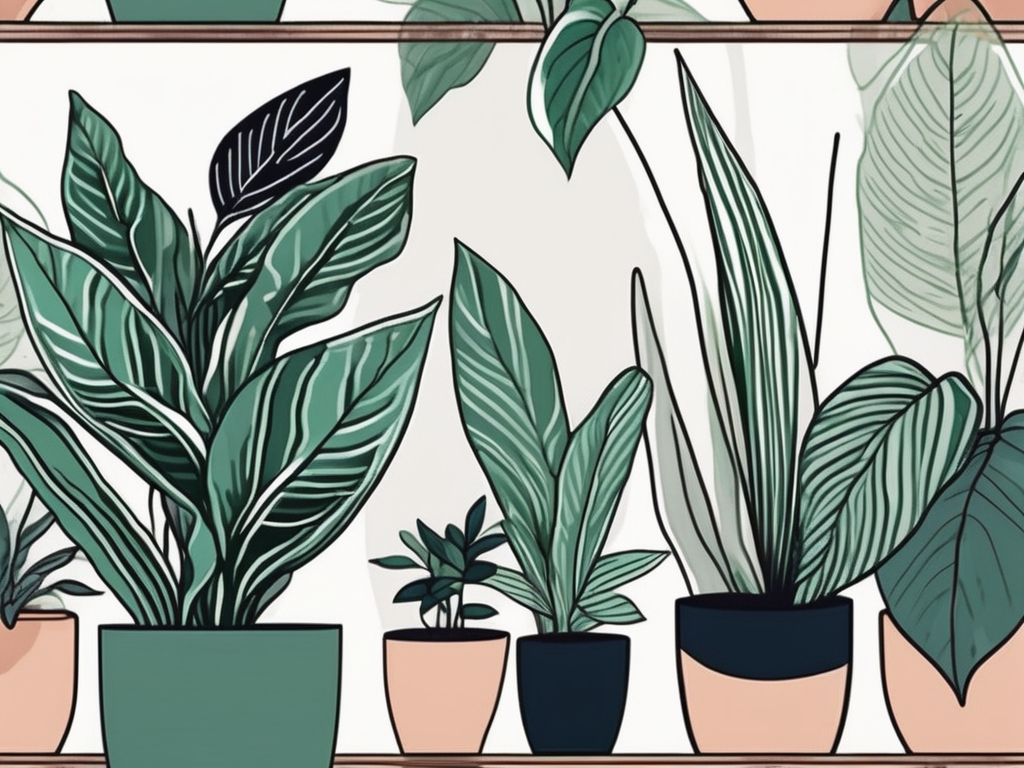
First things first, let's talk about looks. Calatheas are often celebrated for their striking leaf patterns and vibrant colors. Their foliage can display a range of hues, from deep greens to purples, with intricate patterns that look almost painted on. This makes Calatheas a real showstopper in any room.
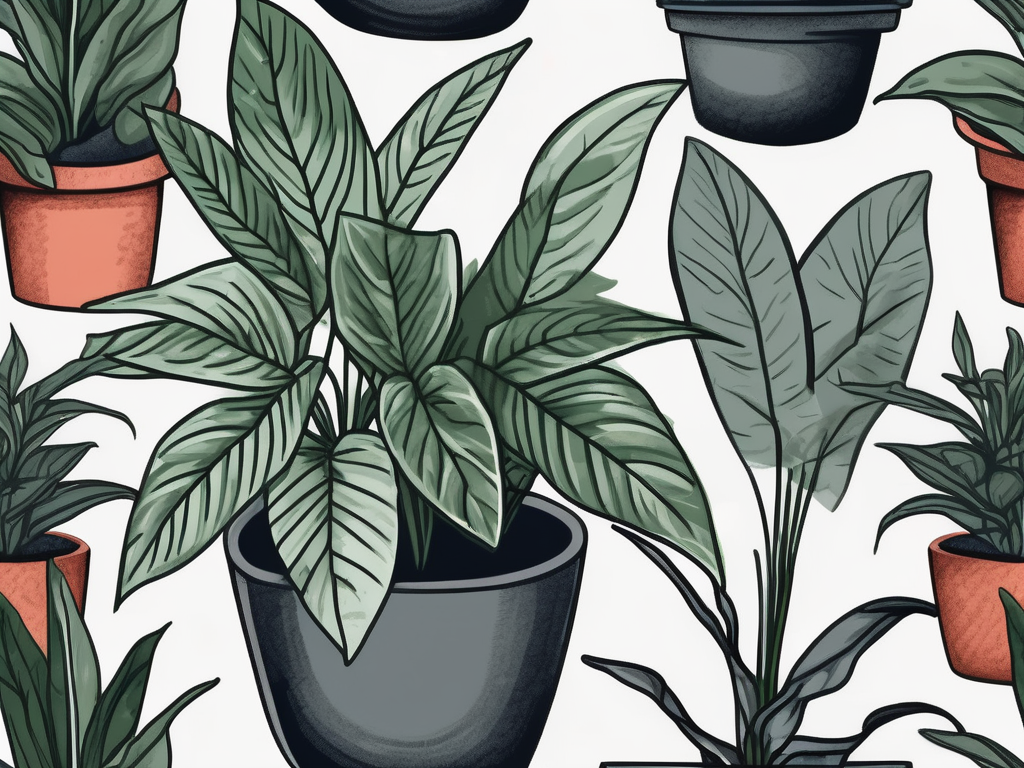
On the other hand, Aglaonemas, also known as Chinese Evergreens, offer a different kind of beauty. Their leaves are typically broader and come in various shades of green, often accented with silver, white, or red markings. Aglaonemas tend to have a more subtle elegance compared to the bold and flashy Calatheas.
While both plants can certainly add aesthetic value to your space, your choice might depend on whether you prefer the dramatic flair of a Calathea or the understated grace of an Aglaonema.
Growth Habits: How They Develop
Understanding how these plants grow can help you decide which will thrive best in your home environment. Calatheas are known for their bushy growth and can reach heights of about two feet indoors. They have a habit of closing their leaves at night and opening them in the morning, a phenomenon known as "nyctinasty." This quirky behavior can add an interesting dynamic to your plant collection.
Aglaonemas, in contrast, are slower growers and are generally more compact. They can grow up to three feet tall, but their growth is often more upright and less bushy than Calatheas. This makes them a great choice if you're looking for a plant that won't take up too much space but still offers a lush look.
If you're the kind of person who enjoys watching your plants move and grow visibly, Calathea may be the more exciting option. However, if you prefer a more low-maintenance and compact plant, Aglaonema might be the way to go.
Light Requirements: Finding the Right Spot
Both Calathea and Aglaonema have specific light preferences, which can make or break their happiness in your home. Calatheas love bright, indirect light. Direct sunlight can scorch their leaves, so it's best to place them in a spot where they receive filtered light or in a room with plenty of natural light but away from windowsills.
Aglaonemas, however, are more forgiving when it comes to light conditions. They can tolerate lower light levels, making them ideal for offices or rooms with limited sunlight. While they do appreciate some natural light, they're often quite content in artificial lighting environments as well.
If your home is blessed with bright, indirect light, a Calathea could thrive there. Conversely, if your space is a bit dimmer, Aglaonema might be the better choice, given its adaptable nature.
Watering Needs: Keeping Them Hydrated
When it comes to watering, Calatheas can be a bit finicky. They prefer consistently moist soil but are sensitive to overwatering, which can lead to root rot. It's crucial to let the top inch of soil dry out before watering again, and using distilled or rainwater can help prevent mineral buildup that can harm Calathea leaves.
Aglaonemas, on the other hand, are more tolerant of occasional lapses in watering. They prefer their soil to dry out a bit between waterings, making them more forgiving if you accidentally forget a watering session or two. However, like Calatheas, they don't appreciate soggy soil, so ensuring proper drainage is key.
If you're someone who tends to overwater, you might find Aglaonema more forgiving. But if you're up for the challenge and enjoy a more hands-on approach, Calathea's watering needs might suit you just fine.
Humidity Preferences: Creating the Perfect Atmosphere
Calatheas originate from tropical rainforests, so they thrive in high humidity environments. If your home has dry air, especially in winter months, you might need to use a humidifier or mist your Calathea regularly to keep its leaves looking lush.
Aglaonemas, while also enjoying some humidity, are generally less demanding in this regard. They can tolerate average household humidity levels, which makes them somewhat easier to care for in drier climates.
If maintaining high humidity sounds like a hassle, Aglaonema might be the more practical choice. But if you love the idea of creating a mini rainforest environment in your home, a Calathea might just be your plant soulmate.
Soil Preferences: Getting the Right Mix
Both Calathea and Aglaonema prefer well-draining soil, but there are slight differences in their ideal potting mix. Calatheas benefit from a soil mix that retains moisture while still allowing for proper drainage. A mix of potting soil, peat, and perlite often works well for them.
Aglaonemas, on the other hand, are less particular and can thrive in standard potting soil. Adding some perlite or sand can improve drainage, which is always a good idea to prevent overwatering issues.
In general, having a well-draining soil mix is crucial for both plants, but if you're looking for less fuss, Aglaonema might have the edge in this department.
Common Pests and Issues: What to Watch For
No plant is entirely pest-proof, and Calathea and Aglaonema have their fair share of unwanted visitors. Calatheas can attract spider mites, especially in dry conditions, so keeping humidity levels up can help deter these pests. Regularly wiping down leaves and checking for signs of infestation is a good practice.
Aglaonemas are generally more resistant to pests, but they can occasionally suffer from mealybugs or aphids. A gentle wash with soapy water or an insecticidal soap can usually take care of these intruders.
In terms of disease, both plants can suffer from root rot if overwatered, so it’s important to monitor their water needs closely. Calatheas are also prone to leaf browning due to low humidity or water quality issues, so using distilled water and maintaining humidity can help prevent this.
Overall, if you're not keen on battling pests, Aglaonema might give you fewer headaches. But with proper care, both plants can thrive without too much trouble.
Temperature Tolerance: Keeping Them Cozy
Both Calathea and Aglaonema prefer warm temperatures, but there are nuances to consider. Calatheas thrive in temperatures ranging from 65°F to 80°F (18°C to 27°C). They don't appreciate drafts or sudden temperature changes, so keeping them away from windows or air conditioning vents is wise.
Aglaonemas enjoy similar temperature ranges but are slightly more tolerant of cooler conditions. They can handle temperatures as low as 60°F (16°C) without too much fuss, which can make them a bit more versatile in terms of placement.
If your home experiences significant temperature fluctuations, Aglaonema might be the sturdier option. But if you can provide a stable, warm environment, Calathea could flourish beautifully.
Uses in Interior Design: Styling Your Space
When it comes to incorporating these plants into your interior design, the sky's the limit. Calatheas, with their colorful and patterned leaves, make excellent focal points. They can be used to add a pop of color to neutral spaces or to complement an existing color scheme. Calatheas are also great for creating a tropical or bohemian vibe.
Aglaonemas, with their versatile and subtle beauty, are perfect for adding greenery without overpowering a room. They work well in modern or minimalist designs, providing a touch of nature without clashing with other elements.
Both plants can be displayed in various ways, from chic pots on shelves to elegant floor-standing planters. The choice ultimately depends on your personal style and how you want to integrate nature into your space.
Final Thoughts
Calathea and Aglaonema each have their own charms and challenges, from the dramatic leaf patterns of Calatheas to the resilient nature of Aglaonemas. Your choice will depend on your personal preferences, available light, and how much care you're willing to invest.
At Cafe Planta, we offer a wide selection of houseplants, including both Calathea and Aglaonema, along with all the care accessories you might need. Whether you're a seasoned plant parent or just starting your plant journey, we're here to help. Feel free to email us with any questions or connect with us on Instagram. Let's grow together!