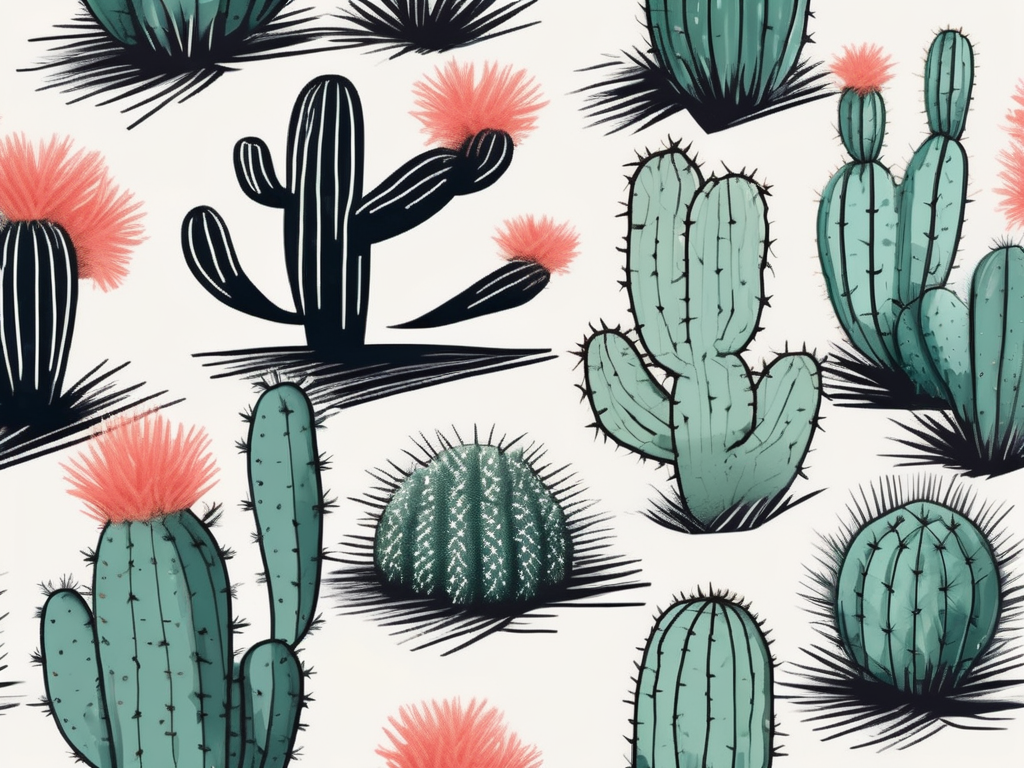
Coral cacti, with their quirky, brain-like appearance, have captured the hearts of many plant lovers. These unique plants, technically a grafted combination of two different species, are both fascinating to look at and relatively easy to care for. However, like all plants, they can fall victim to certain diseases. Understanding these common ailments can help you keep your coral cactus healthy and thriving.
In this article, we'll explore some of the most common diseases affecting coral cacti, how to identify them, and what you can do to treat and prevent them. We'll also touch on the importance of proper care techniques to keep your coral cactus in peak condition.
Understanding the Coral Cactus
Before diving into the diseases, let's take a moment to understand what a coral cactus actually is. Despite its name, the coral cactus isn't a cactus at all—it's a euphorbia. Specifically, it's a grafted plant where the top part, known as the crest, is Euphorbia lactea, and the base is usually a hardy rootstock like Euphorbia neriifolia.
This grafting gives the coral cactus its distinctive appearance, which is why it's so popular in homes and offices. However, the plant's unique structure can also make it susceptible to certain diseases. The grafting process, while creating a visually appealing plant, can introduce vulnerabilities that might not affect the individual species.
Understanding the structure of your coral cactus is the first step in identifying problems and finding solutions. Once you know what you're dealing with, it's much easier to spot when something's not quite right.
Recognizing Root Rot
Root rot is arguably one of the most common issues that affects coral cacti. It's caused by overwatering or poorly draining soil, which leads to the roots sitting in water for extended periods. This damp environment is a breeding ground for fungal infections, which can quickly spread and damage the plant.
Signs of root rot include yellowing leaves, mushy roots, and a soft, brown base. If you suspect root rot, act fast. Remove the plant from its pot and examine the roots. Trim away any that are brown or mushy, leaving only the healthy, white ones.
To prevent root rot, always use a well-draining soil mix. You can make your own by mixing regular potting soil with sand or perlite. Also, ensure your pot has adequate drainage holes. And remember, it's better to underwater than overwater. Let the soil dry out completely between waterings to keep your coral cactus healthy.
Dealing with Powdery Mildew
Powdery mildew is another common affliction for coral cacti. This fungal disease appears as a white, powdery substance on the leaves and stems. It thrives in warm, humid conditions and can spread quickly if not addressed.
To treat powdery mildew, start by isolating the affected plant to prevent it from spreading to others. You can then wipe the leaves with a damp cloth to remove as much of the mildew as possible. For a more thorough treatment, mix a solution of water and baking soda (1 teaspoon per quart of water) and spray it onto the plant.
Prevention is key when it comes to powdery mildew. Ensure your coral cactus is in a well-ventilated area with plenty of air circulation. Avoid overhead watering, which can create the humidity the fungus loves. Finally, keep your plant's environment clean and free from debris, which can harbor the spores.
Managing Leaf Spot
Leaf spot is a broad term for a variety of fungal and bacterial infections that cause spots on the leaves of your coral cactus. These spots can be brown, black, or yellow and may have a distinct border.
If you notice leaf spots, start by removing any affected leaves to prevent the spread of the disease. You can also treat the plant with a fungicide, but make sure to read the instructions carefully and follow them to the letter.
To prevent leaf spot, maintain good plant hygiene. This includes removing fallen leaves and debris from the soil surface and ensuring proper watering techniques. Avoid getting water on the leaves, as this can encourage fungal growth. It's also helpful to check your plant regularly, as early detection is often the key to successful treatment.
Addressing Graft Failure
Given that coral cacti are grafted plants, they're susceptible to graft failure. This occurs when the grafted joint between the crest and the rootstock doesn't take, or it weakens over time. Signs of graft failure include a separation at the graft joint, wilting, or discoloration of the crest.
If you suspect graft failure, there's unfortunately not much you can do to save the plant. However, you can try regrafting the healthy crest onto a new rootstock. This process can be tricky and might require some practice, but it's worth a shot if you want to preserve the unique look of your coral cactus.
To prevent graft failure, ensure your plant is not placed in a location with extreme temperature fluctuations or direct, harsh sunlight, both of which can stress the graft joint. Additionally, handle your plant gently to avoid any physical damage to the graft.
Preventing Pest Infestations
Coral cacti are not immune to pest infestations, with mealybugs and spider mites being the most common culprits. Mealybugs appear as small, cotton-like clusters on the plant, while spider mites create fine webs.
If you spot these pests, act quickly. Remove them manually with a damp cloth or a cotton swab dipped in alcohol. You can also use insecticidal soap or neem oil to treat the plant, following the manufacturer's instructions for safe application.
To prevent pests, keep your plant healthy and stress-free, as healthy plants are less susceptible to infestations. Regularly inspect your coral cactus for any signs of pests and maintain a clean environment by removing any dead leaves or debris.
Understanding Sunburn and Heat Stress
While coral cacti do love bright light, too much direct sunlight can lead to sunburn and heat stress. Signs of this include brown, crispy patches on the crest and wilting.
If you notice these symptoms, move your plant to a spot with indirect sunlight. You can also use a sheer curtain to filter the light. To prevent sunburn, gradually acclimate your coral cactus to brighter conditions if it's been in low light for an extended period.
Remember, more light doesn't always mean better growth. Finding the right balance is crucial to keep your coral cactus looking its best.
Dealing with Nutrient Deficiencies
Your coral cactus might also suffer from nutrient deficiencies, particularly if it's been in the same soil for a long time. Common deficiencies include nitrogen, phosphorus, and potassium, which can cause yellowing leaves, stunted growth, and poor overall health.
To address nutrient deficiencies, start by repotting your coral cactus in fresh soil. You can also use a balanced, water-soluble fertilizer during the growing season. Be careful not to over-fertilize, as this can do more harm than good.
Keep in mind that your plant's nutrient needs may vary depending on factors like light conditions and growth stage. Observing your plant regularly can help you determine when it needs a nutrient boost.
Ensuring Proper Environmental Conditions
Finally, ensuring your coral cactus has the right environmental conditions is essential for preventing diseases. This includes maintaining the right temperature, humidity, and light levels.
Coral cacti prefer temperatures between 60-85°F (15-29°C) and do well in moderate humidity levels. Avoid placing them near drafts or heat sources, which can stress the plant. Bright, indirect light is ideal, though they can tolerate some direct sunlight if introduced gradually.
By providing the right conditions, you'll help your coral cactus stay healthy and resist diseases. Regularly monitoring your plant and making adjustments as needed can go a long way in preventing problems.
Final Thoughts
Keeping your coral cactus healthy involves understanding the common diseases that can affect it and knowing how to prevent and treat them. By recognizing the signs of root rot, powdery mildew, leaf spot, and other issues, you can take proactive steps to ensure your plant thrives.
At Cafe Planta, we understand the joy that comes from nurturing plants, and we're here to support you on your plant journey. If you need any advice or have questions, feel free to email us or reach out via Instagram. We're excited to help you grow your plant collection and connect with nature in a meaningful way.