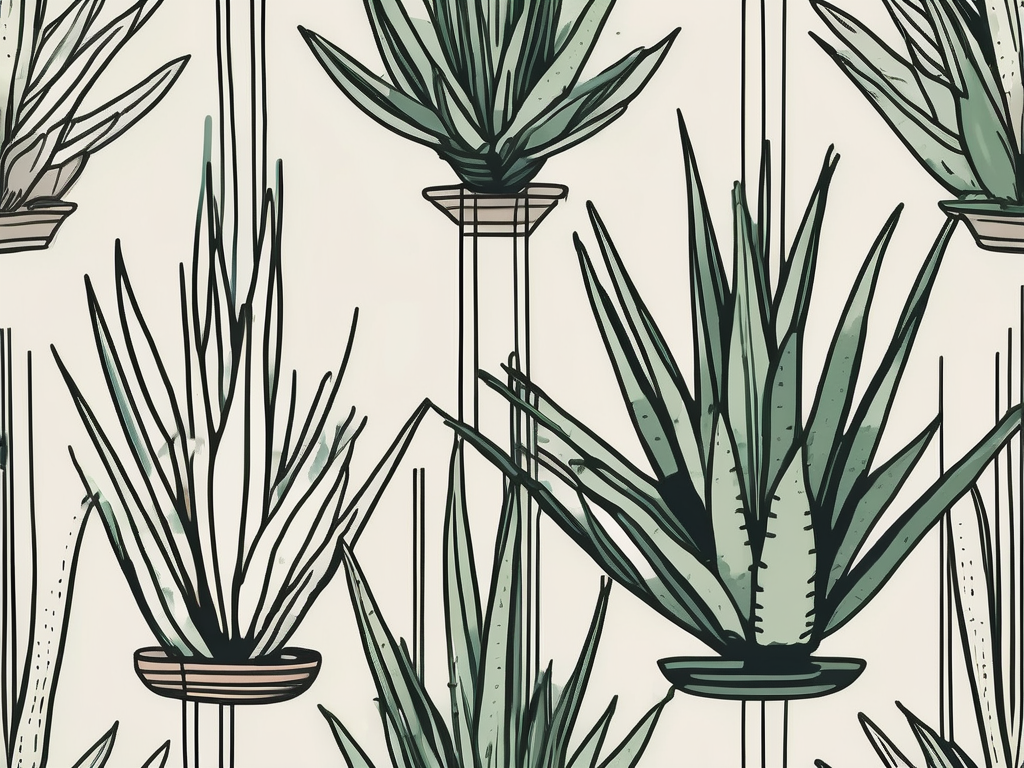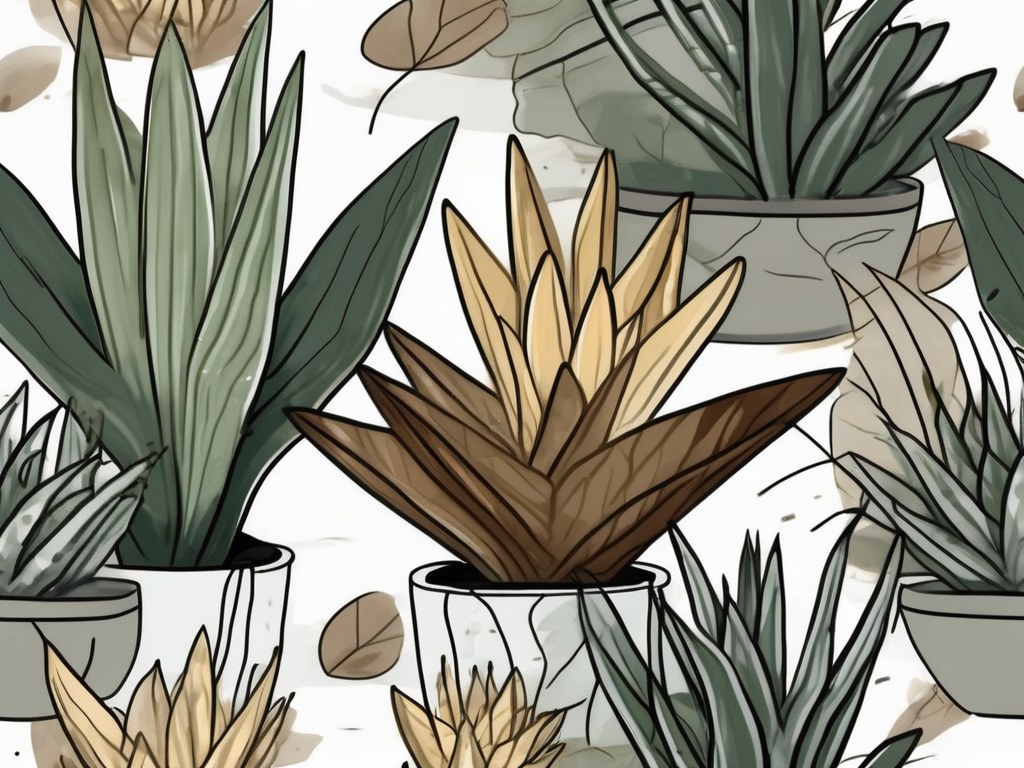
Haworthia plants are like the little gems of the succulent world. They're compact, hardy, and their architectural forms make them a favorite among plant lovers. However, just like any other plant, they can fall prey to diseases that might make you want to pull your hair out. But don't worry! In this article, we're going to dive into the common diseases that can affect your Haworthia plants and how to tackle them without losing your cool.
We'll cover everything from identifying symptoms to practical solutions for keeping your Haworthias healthy and thriving. Whether you're a seasoned plant parent or just getting started, there's something here for everyone. So grab your favorite plant care tools, and let's get into it!
Identifying Common Diseases
To keep your Haworthia plants happy, it's crucial to know what you're up against. Many diseases share similar symptoms, making it tricky to pinpoint the exact problem. But with a keen eye and a bit of patience, you can become a plant detective in no time!
Some of the most common diseases affecting Haworthia include root rot, leaf spot, and powdery mildew. Each of these comes with its own set of symptoms:
- Root Rot: This is often caused by overwatering. You might notice your plant wilting or yellowing despite a moist potting mix.
- Leaf Spot: These are unsightly spots that can appear on the leaves. They might be brown, yellow, or black.
- Powdery Mildew: It looks like a dusting of flour on the leaves, typically appearing in humid conditions.
Understanding the symptoms is half the battle. Once you know what you're dealing with, you can take steps to address the issue. But remember, plants can't talk (unfortunately), so you'll need to keep a watchful eye on them!
Root Rot: The Silent Killer
Root rot is a sneaky disease that can creep up on you, especially if you love your plants a little too much and water them too often. It starts at the roots, which begin to decay due to excess moisture. Unfortunately, by the time you see evidence above ground, the damage is often done.
To prevent root rot, it's essential to use a well-draining soil mix specifically designed for succulents. This allows excess water to flow through easily, keeping the roots dry. Also, make sure your pot has drainage holes. Without them, water can pool at the bottom, creating a soggy swamp for your plant's roots.
If you suspect root rot, carefully remove the plant from its pot and inspect the roots. Healthy roots are firm and white, while rotting roots are mushy and brown. If you find rot, trim away the affected roots with sterilized scissors, let the plant dry out for a day or two, and then repot it in fresh soil. Cross your fingers and hope for the best!
Leaf Spot: The Unsightly Intruder
Leaf spot can be an eyesore, turning your beautiful Haworthia into something resembling a spotted leopard. It's usually caused by fungal or bacterial infections and can be exacerbated by high humidity and poor air circulation.
To prevent leaf spot, ensure your plants have plenty of space to breathe. Crowded conditions can trap moisture, creating a perfect breeding ground for disease. Also, try to water your plants at the base rather than from above, as wet leaves are more susceptible to infection.
If you notice leaf spots, isolate the affected plant to prevent the spread. Remove any damaged leaves and consider using a fungicide if the problem persists. While it might not make your plant look perfect overnight, it will help stop the infection in its tracks.
Powdery Mildew: The Dusty Dilemma
Powdery mildew is a common problem for Haworthias, especially in humid climates. It appears as a white, powdery coating on the leaves, giving your plant a ghostly appearance. While it might look harmless, it can weaken your plant if left untreated.
To combat powdery mildew, increase air circulation around your plants. A gentle fan can work wonders in keeping the air moving and reducing humidity. You can also use a homemade remedy of water mixed with a bit of baking soda and dish soap as a spray to help control the mildew.
Regularly check your plants for signs of powdery mildew, especially during humid months. Early detection is key to preventing a full-blown outbreak. And remember, a little vigilance goes a long way in keeping your plant family happy and healthy.
Pest Problems: The Unwanted Guests
While not exactly a disease, pests can cause diseases or exacerbate existing ones. Common pests that like to call Haworthia home include mealybugs, spider mites, and aphids. These tiny invaders can suck the life out of your plants, quite literally!
Mealybugs are particularly notorious for hiding in the nooks and crannies of your plant. They look like tiny, white cotton balls and can be quite stubborn. Spider mites, on the other hand, are nearly invisible but leave telltale webbing. Aphids are small, usually green, and love to cluster on new growth.
To tackle pest issues, start by manually removing them with a cotton swab dipped in rubbing alcohol. For larger infestations, consider using insecticidal soap or neem oil. Just be sure to follow the instructions on the label to avoid harming your plants.
Keeping your plants clean and dust-free can also deter pests, as can introducing beneficial insects like ladybugs to your garden. It's all about finding the right balance and keeping those pesky critters at bay!
Soil and Watering: The Balancing Act
The health of your Haworthia plants hinges on the balance of soil and water. Too much of either can lead to problems, as can too little. It's a delicate dance, but once you get the hang of it, your plants will thrive.
Haworthias prefer a gritty, well-draining soil mix. You can create your own by mixing equal parts potting soil, perlite, and coarse sand. This blend allows for excellent drainage while providing enough nutrients for your plants to grow.
When it comes to watering, the rule of thumb is to let the soil dry out completely between waterings. Stick your finger into the soil about an inch deep—if it feels dry, it's time to water. If it's still damp, give it a few more days. Remember, overwatering is the leading cause of root rot, so err on the side of caution.
Adjust your watering schedule based on the season. Haworthias need less water during the winter months when they're dormant, and more during the growing season. Pay attention to your plants and adjust as needed!
Lighting Conditions: The Sunlight Spectrum
Haworthias are pretty adaptable when it comes to light conditions, but they do have their preferences. Too much direct sunlight can scorch their leaves, while too little can cause them to stretch out in search of more light.
These plants thrive in bright, indirect light. A north or east-facing window is ideal, where they can soak up the morning sun without getting fried. If you notice your plant's leaves turning red or brown, it might be getting too much sun. On the flip side, if it's growing tall and leggy, it might need more light.
If you don't have the perfect spot, don't worry! Grow lights can be a great alternative, especially in the darker months. Just be sure to choose one that's suitable for succulents, and keep it on for about 12-14 hours a day.
With the right lighting conditions, your Haworthias will remain compact, vibrant, and healthy. It's all about finding that sweet spot where they can thrive.
Propagation: Growing Your Collection
Once you've mastered the care of your Haworthias, you might find yourself wanting more. The good news is these plants are relatively easy to propagate, allowing you to expand your collection or share with friends.
There are a few methods you can use to propagate Haworthias:
- Offsets: These are small clones that grow at the base of the parent plant. Simply separate them and pot them up individually.
- Leaf Cuttings: Gently twist off a healthy leaf, let it callous over, and plant it in well-draining soil. With a bit of patience, it'll sprout roots.
- Seed: While less common, you can grow Haworthias from seed. Just be prepared for a longer journey, as it takes time for them to mature.
Propagation is a fun and rewarding way to connect with your plants. Plus, it's a great way to learn more about their growth habits and care requirements.
Preventive Care: The Best Defense
The best way to combat diseases is to prevent them from happening in the first place. With a few simple practices, you can keep your Haworthias healthy and happy.
First and foremost, ensure good air circulation around your plants. This helps prevent mold and mildew and keeps pests at bay. Regularly clean your plant's leaves with a damp cloth to remove dust and debris. This not only keeps them looking fresh but also helps them photosynthesize more efficiently.
Keep an eye on your watering habits. Overwatering is a common mistake, but it's one that can be easily avoided with a bit of attention. And don't forget to regularly inspect your plants for signs of disease or pests. Early detection is key to preventing major issues.
By taking a proactive approach, you'll be well-equipped to handle any challenges that come your way. And your Haworthias will thank you for it!
Final Thoughts
Taking care of Haworthia plants might seem daunting at first, but with a little knowledge and effort, you can keep them thriving. From identifying common diseases to practicing preventive care, you're now equipped to handle anything that comes your way. Remember, patience and observation are your best tools in plant care.
At Cafe Planta, we're passionate about helping you succeed with your plant collection. Whether you're looking for unique plants or need advice, we're here to support you. Feel free to reach out to us via email or our Instagram, and let's grow together! We believe that plants have the power to bring people together and inspire us to connect with nature and each other.