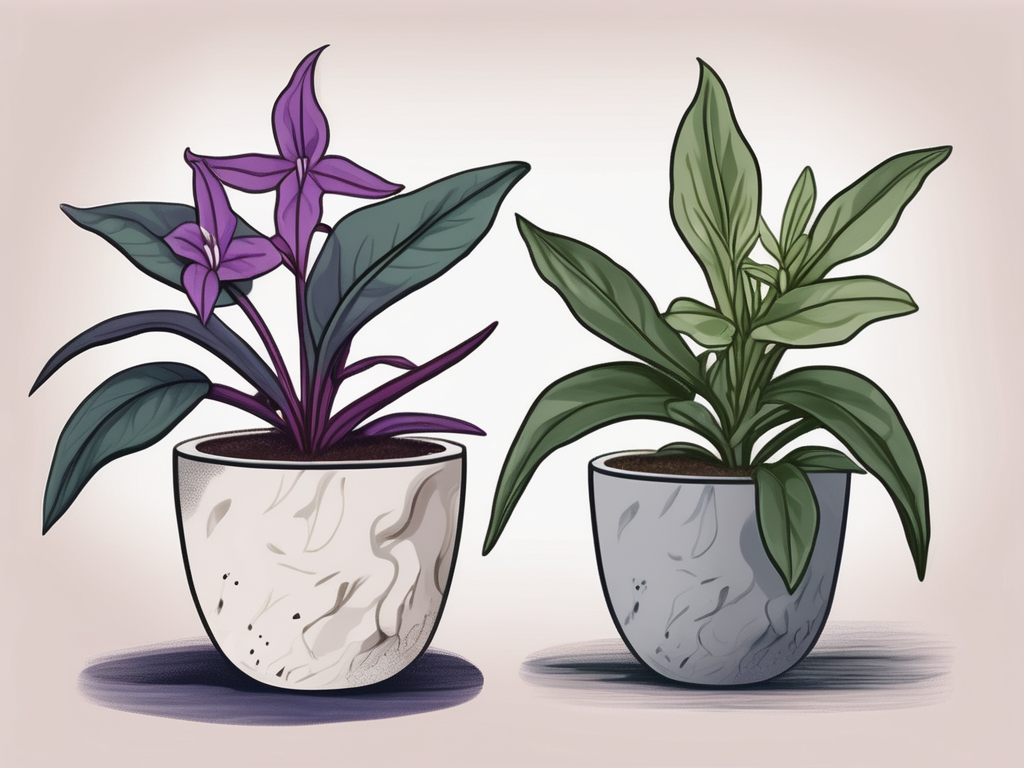
Hypoestes, often known as the polka dot plant, is a vibrant addition to any plant lover's collection. With its eye-catching, dotted foliage, it brings a splash of color and personality to indoor spaces. However, like any beloved plant, it can sometimes fall victim to a variety of ailments that can dampen its vibrant spirit.
In this guide, we'll talk about some common diseases that affect Hypoestes and how you can tackle these issues. We'll cover everything from recognizing symptoms to preventive measures, ensuring your plants stay healthy and thriving. Let's get started!
Fungal Leaf Spot: What to Look For
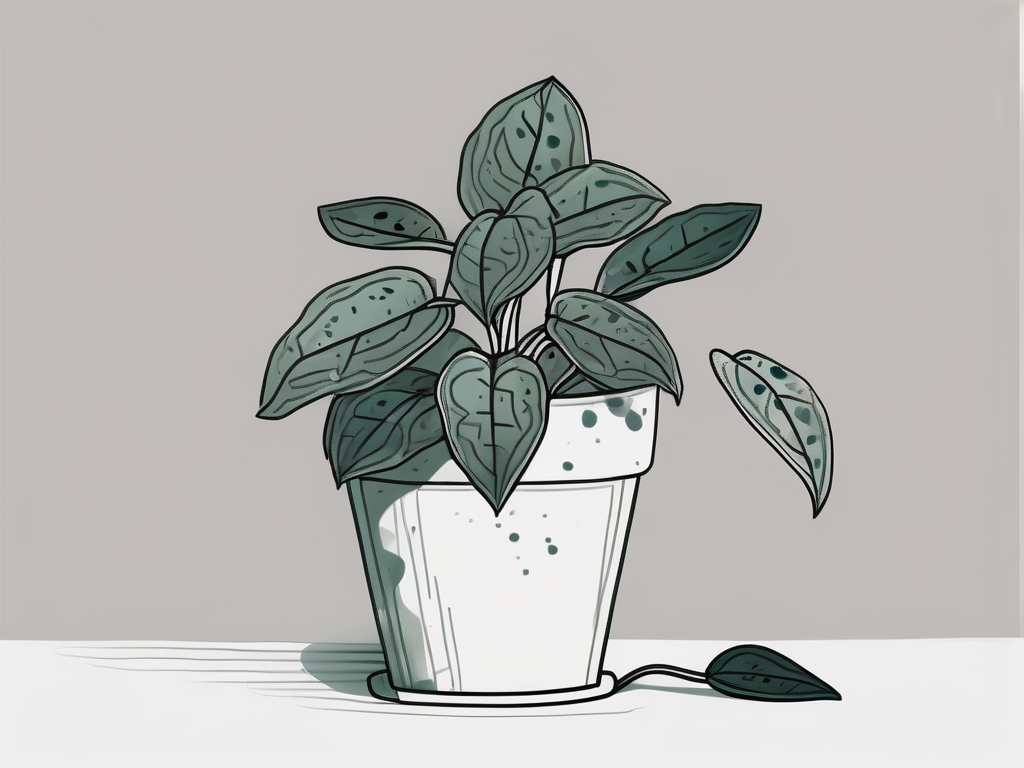
Fungal leaf spot is a common problem with Hypoestes, usually caused by high humidity and poor air circulation. These spots often appear as small, dark patches on the leaves, gradually growing larger if left untreated. They can be quite the eyesore on your plant’s beautiful leaves and, if ignored, may lead to leaf drop.
To prevent fungal leaf spots, it's crucial to maintain proper air circulation around your Hypoestes. Consider placing a small fan nearby or ensuring your plant isn't crowded by others. Also, try to avoid wetting the leaves when watering, as moisture on the foliage can encourage fungal growth.
If you notice spots forming, act quickly. Remove affected leaves to prevent the spread of the fungus. You can also use a fungicidal spray designed for houseplants, but always follow the instructions carefully to avoid harming your plant. Remember, a little proactive care goes a long way in keeping your Hypoestes healthy.
Dealing with Root Rot
Root rot is another common issue that can affect your Hypoestes. It's usually the result of overwatering or poor drainage, leading to a soggy environment that roots simply can't handle. Symptoms include yellowing leaves, wilting, and an unpleasant smell coming from the soil.
To prevent root rot, make sure your plant is in a well-draining potting mix and that the pot has adequate drainage holes. Let the top inch of soil dry out before watering again, and be mindful of the size of your pot—too large a pot can hold excess moisture.
If you suspect root rot, you may need to unpot your plant to inspect the roots. Healthy roots are firm and white, whereas rotten ones will be mushy and brown. Trim away any rotten roots with sterile scissors, then repot your plant in fresh soil. This process can be a bit nerve-wracking, but it’s often necessary to save the plant.
Powdery Mildew: A Common Foe
Powdery mildew is another fungal problem, identified by a white, powdery coating on the leaves. It thrives in warm, dry environments, which can be quite surprising since many people assume mildew needs moisture. This disease can stunt growth and lead to leaf drop if not addressed.
Tackling powdery mildew involves increasing humidity around the plant and ensuring good air circulation. You might consider using a humidifier in the room or occasionally misting the plant. However, be cautious with misting, as too much moisture on the leaves can lead to other fungal issues.
For treatment, wipe the leaves with a damp cloth to remove as much mildew as possible. Baking soda solutions or commercial fungicides can also be effective—but use these sparingly to avoid damaging the plant. Consistent observation and care will help you keep powdery mildew at bay.
Recognizing and Managing Aphid Infestations
Aphids are small, soft-bodied insects that can cause significant damage to your Hypoestes by sucking the sap from the leaves. This feeding can lead to distorted leaves and stunted growth. You might notice a sticky residue on the leaves, which is a telltale sign of their presence.
To manage aphids, start with a strong spray of water to dislodge them from the plant. You can also wipe the leaves gently with a solution of water and dish soap, which helps to suffocate the insects. Neem oil is another effective, natural remedy against aphid infestations.
Maintaining a healthy plant environment is key to preventing aphids. Stress from improper care can make Hypoestes more susceptible, so ensure your plant is getting the right amount of water and light. Regularly inspecting your plants will also help you catch any infestations early.
Spider Mites: Tiny but Troublesome
Spider mites are tiny pests that are hard to see with the naked eye, but their damage is easy to spot. They cause yellowing and speckled leaves, and you might notice fine webbing on the undersides of leaves. These pests thrive in dry conditions and can spread quickly.
To combat spider mites, increase the humidity around your plant and wipe down leaves with a damp cloth. Insecticidal soap or neem oil can be used to treat more severe infestations. Be consistent with treatment, as these pests can be persistent.
Preventing spider mites involves maintaining a balanced environment for your Hypoestes. Regular misting (without overdoing it) and keeping your plant away from hot, dry areas like near heaters can discourage these pests from settling in.
Understanding and Preventing Mealybugs
Mealybugs are another common pest that plant parents might encounter. These insects appear as white, cottony masses on the plant and can cause yellowing leaves and stunted growth. They’re particularly fond of hiding in leaf joints, making them tricky to spot at first.
For small infestations, remove mealybugs with a cotton swab dipped in rubbing alcohol. This method dissolves their protective coating, making them vulnerable. For larger infestations, neem oil or insecticidal soap can do the trick.
Prevention is key when it comes to mealybugs. Regularly inspecting your plants and keeping them clean can prevent these pests from taking hold. Additionally, avoid over-fertilizing, as the excess nutrients can attract mealybugs.
Bacterial Leaf Spot: A Less Common Issue
Bacterial leaf spot is less common but can still affect your Hypoestes. It presents as water-soaked spots on the leaves that may turn brown or black. This disease thrives in warm, wet conditions, so managing humidity and moisture levels is crucial.
To prevent bacterial leaf spot, avoid overhead watering to keep leaves dry. Ensure your plant has good air circulation and remove any affected leaves promptly to prevent the spread. Copper-based fungicides can be used, but they should be a last resort.
Keeping your tools clean when pruning or handling plants can also help prevent bacterial infections. A little hygiene goes a long way in maintaining your plant’s health.
Addressing Nutrient Deficiencies
Sometimes, what looks like a disease could be a nutrient deficiency. Yellow leaves or stunted growth can indicate a lack of essential nutrients like nitrogen or iron. Understanding your plant's nutritional needs can help you address these problems effectively.
To ensure your Hypoestes gets the nutrients it needs, use a balanced, water-soluble fertilizer during the growing season. Always follow the recommended dosage—too much fertilizer can burn the roots and cause more harm than good.
If you suspect a deficiency, a soil test can help determine what nutrients are lacking. Adjusting your fertilizing routine based on these results can help your plant get back to its healthy, vibrant self.
Maintaining General Plant Health
While it’s important to know about specific diseases and pests, overall plant health is your best defense. By providing the right conditions, you can help your Hypoestes thrive and resist most problems.
Ensure your plant is getting the right amount of light—bright, indirect sunlight is ideal. Water when the top inch of soil feels dry, and maintain a comfortable temperature and humidity level. Regularly inspect your plant for any signs of trouble to catch issues early.
Healthy plants are resilient plants. By staying attentive and maintaining good care practices, you can enjoy the vibrant beauty of your Hypoestes for years to come.
Final Thoughts
Caring for Hypoestes involves understanding and addressing common diseases that can affect its well-being. By recognizing symptoms early and implementing preventive measures, you can keep your plant healthy and thriving.
At Cafe Planta, we're passionate about helping you care for your plants. Whether you need advice or are looking for unique additions to your collection, we're here for you. Feel free to email us or reach out on Instagram. Let's grow together!