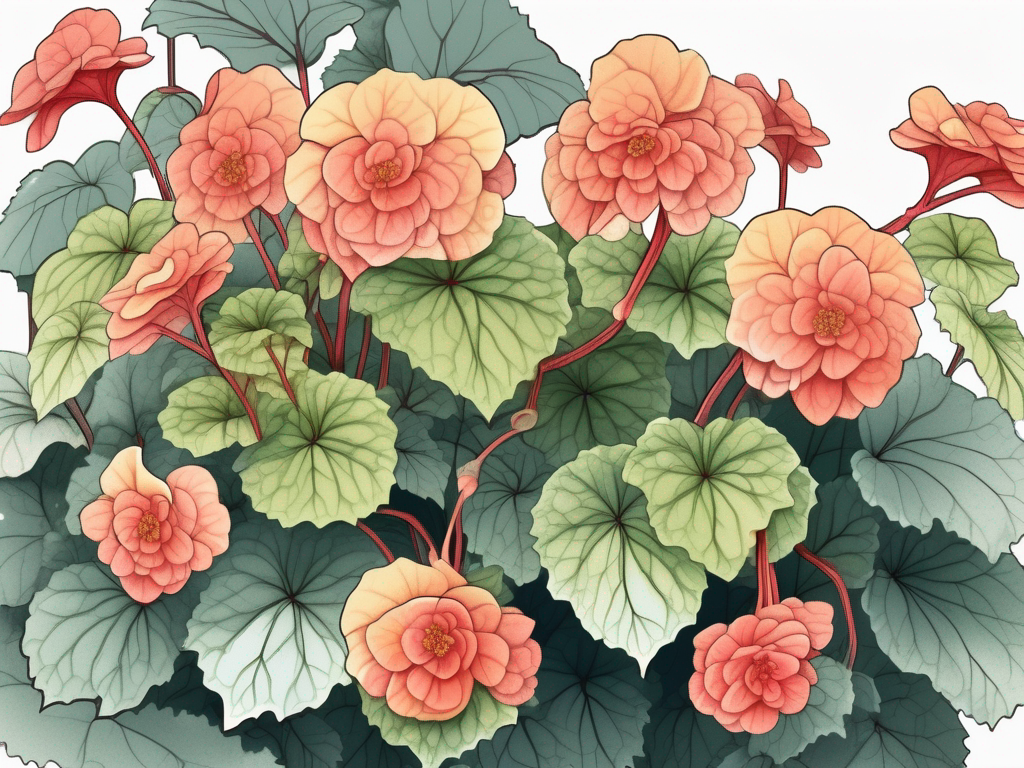
Rex Begonias, with their stunning foliage and vibrant colors, have become a favorite among plant lovers. However, like any prized possession, they require special care and attention, especially when it comes to keeping them healthy and disease-free. Understanding the common diseases that can affect these beauties is crucial in maintaining their well-being.
In this article, we'll explore various diseases that can plague Rex Begonias, how to identify them, and most importantly, how to treat and prevent them. By the end, you'll be equipped with the knowledge to keep your plants thriving and your home looking beautiful.
Powdery Mildew: The Fuzzy White Intruder
Powdery mildew is a frequent visitor to Rex Begonias, often making its presence known with a white, powdery coating on the leaves. It thrives in warm, dry conditions, which can be a challenge for indoor gardeners trying to maintain the right balance for their plants.
Spotting this disease early is essential. Look for:
- White or gray powdery spots on the leaves and stems
- Distorted or stunted growth
- Leaves that turn yellow and drop prematurely
To combat powdery mildew, start by improving air circulation around your begonia. This might mean spacing your plants a bit further apart or using a small fan to keep the air moving. Additionally, avoid overhead watering, which can create the perfect environment for mildew to thrive.
If mildew is already present, you can treat it with a homemade solution of baking soda and water, or purchase a sulfur-based fungicide from your local gardening store. Regularly inspect your plants to catch any early signs of the disease, and you’ll be well on your way to keeping powdery mildew at bay.
Root Rot: The Hidden Threat
Root rot is a silent killer, often caused by overwatering and poor drainage. Rex Begonias are particularly susceptible due to their preference for well-drained soil and their sensitivity to excess moisture.
Symptoms of root rot might not be apparent until the damage is severe:
- Wilting leaves despite adequate watering
- Yellowing or browning leaves
- A foul smell coming from the soil
Preventing root rot starts with proper watering techniques. Ensure your Rex Begonia is planted in a pot with drainage holes, and use a well-draining soil mix. Water the plant only when the top inch of the soil feels dry to the touch.
If you suspect root rot, gently remove the plant from its pot and examine the roots. Healthy roots should be white and firm, while rotten roots appear brown and mushy. Trim away any affected roots and repot your begonia in fresh soil, taking care to adjust your watering habits.
Botrytis Blight: The Gray Mold
Botrytis blight, or gray mold, is another common disease that affects Rex Begonias. This fungal infection thrives in cool, damp environments and can quickly spread if not addressed promptly.
Common signs of botrytis blight include:
- Gray, fuzzy mold on leaves, flowers, or stems
- Water-soaked spots that turn brown and mushy
- Rapid deterioration of plant tissue
To prevent botrytis blight, maintain good air circulation and avoid watering in the evening when moisture can linger on the leaves. If you notice signs of this disease, remove and destroy any affected plant parts immediately.
Applying a fungicide specifically designed for botrytis can help control the spread. Be sure to follow the instructions on the label carefully, and consider rotating your plants to reduce humidity levels in the affected area.
Bacterial Leaf Spot: The Unwelcome Dots
Bacterial leaf spot is a disease that manifests as small, water-soaked spots on the leaves, which eventually turn brown or black. This disease can spread rapidly, especially in humid conditions.
Symptoms to watch for include:
- Small, dark spots with yellow halos
- Leaves that appear scorched or burned
- Leaf drop in severe cases
To prevent bacterial leaf spot, ensure your Rex Begonia has proper air circulation and avoid overhead watering. Remove any affected leaves promptly to prevent the disease from spreading.
Copper-based fungicides can be effective in managing bacterial leaf spot, but it's crucial to apply them at the first sign of disease. Consistent monitoring and good cultural practices are your best defense against this pesky issue.
Mealybugs: The Cottony Menace
While not a disease, mealybugs are a common pest that can cause significant damage to Rex Begonias. These tiny insects appear as white, cotton-like masses on the plant, often hiding in leaf axils and stem joints.
Signs of a mealybug infestation include:
- Sticky residue on leaves or surrounding surfaces
- Distorted or stunted growth
- Yellowing leaves
To manage mealybugs, start by isolating the affected plant to prevent the pests from spreading. You can remove small infestations by dabbing the bugs with a cotton swab dipped in rubbing alcohol. For larger infestations, consider using an insecticidal soap or neem oil spray.
Regularly inspect your plants for signs of mealybugs, especially if you've recently brought new plants into your home. Early detection and treatment are crucial to keeping these pests under control.
Aphids: The Tiny Sap-Sucking Pests
Aphids are another common pest that can wreak havoc on your Rex Begonias. These small, soft-bodied insects feed on the sap of plants, causing leaves to curl and distort.
Keep an eye out for these symptoms:
- Sticky honeydew residue on leaves and surfaces
- Yellowing or curling leaves
- Presence of ants, which are attracted to the honeydew
Control aphid infestations by spraying your plants with a strong stream of water to dislodge the pests. Insecticidal soaps or neem oil can also be effective treatments, especially for larger infestations.
Encouraging natural predators, like ladybugs or lacewings, can help keep aphid populations in check. As always, regular monitoring and prompt action are essential in managing these pesky pests.
Fungal Leaf Spot: The Speckled Problem
Fungal leaf spot is another disease that can affect Rex Begonias, characterized by small, brown spots that appear on the leaves. These spots may have a yellow halo and can cause leaves to drop prematurely.
To prevent fungal leaf spot, ensure your begonia has adequate air circulation and avoid getting the foliage wet when watering. Remove any affected leaves to prevent the spread of the disease.
If necessary, treat your plant with a fungicide labeled for fungal leaf spot. Be sure to follow the application instructions carefully, and continue to monitor your plant for any signs of improvement or further issues.
Rust: The Orange Invader
Rust is a fungal disease that appears as orange or rust-colored spots on the undersides of leaves. It can cause significant damage if not treated promptly.
Look for these indicators:
- Orange or rust-colored pustules on leaf undersides
- Yellowing leaves
- Premature leaf drop
To manage rust, remove and destroy any affected leaves and improve air circulation around your plant. Avoid overhead watering and consider applying a fungicide specifically designed to treat rust.
Consistent monitoring and good cultural practices are vital to preventing rust from taking hold in your Rex Begonia collection.
Final Thoughts
Rex Begonias, with their vibrant foliage, can brighten up any space, but they do require vigilance to keep diseases at bay. From powdery mildew to pesky mealybugs, understanding these common issues and their solutions will help you maintain healthy, thriving plants.
At Cafe Planta, we're passionate about helping you care for your plants. If you have questions or need advice, don't hesitate to email us or reach out on Instagram. Whether you're a seasoned plant parent or just starting your collection, we're here to support you on your plant journey.