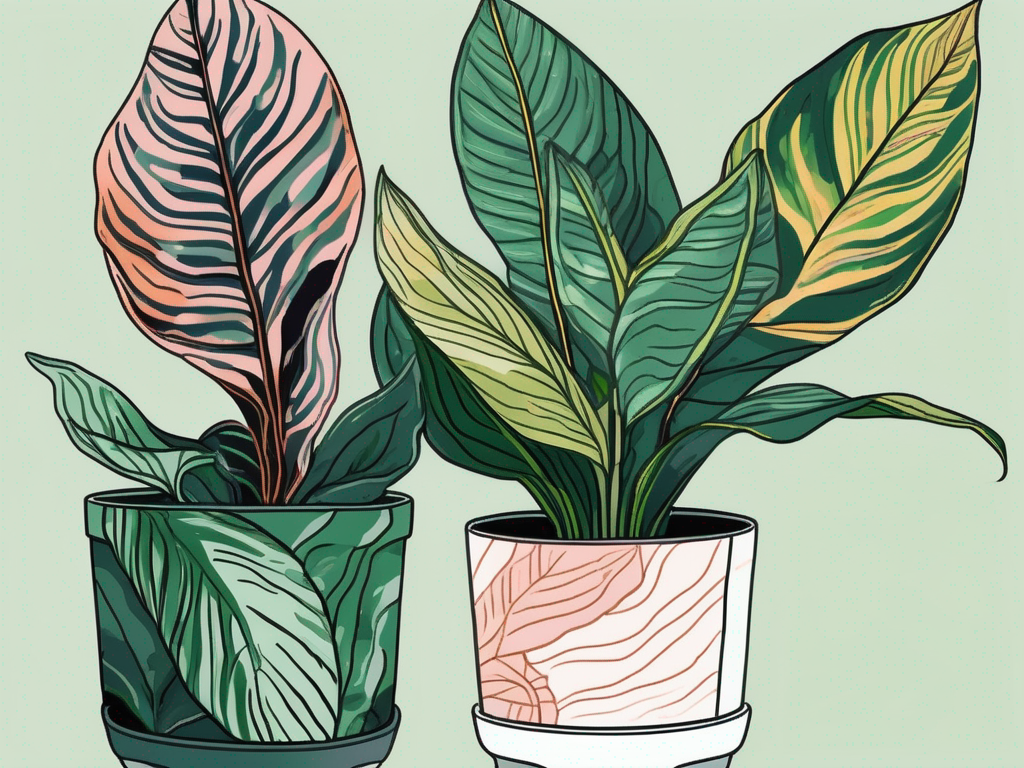
Stromanthe Triostar, with its striking variegated leaves, is a popular choice among plant lovers. Its vibrant pink, green, and white foliage makes it a standout in any plant collection. However, like any other plant, it can be susceptible to various diseases, which can be disheartening for plant parents.
In this article, we'll take a closer look at common diseases that affect Stromanthe Triostar. We'll cover signs to watch for, prevention methods, and practical solutions to keep your plant healthy and thriving. Whether you're new to plant care or an experienced green thumb, you'll find something helpful here.
Root Rot: The Silent Killer
Root rot is a common issue that can sneak up on you when caring for a Stromanthe Triostar. It's primarily caused by overwatering, which leads to the roots sitting in waterlogged soil. This condition deprives roots of oxygen, causing them to decay.
Wondering how to spot root rot? Here are some telltale signs:
- Yellowing leaves
- Mushy stems
- Unpleasant odor coming from the soil
To prevent root rot, ensure your pot has drainage holes and use well-draining soil. A mix of potting soil, perlite, and orchid bark can work wonders. Water your plant only when the top inch of soil feels dry. If you've already noticed signs of root rot, it's time for action. Remove the plant from its pot, trim away any rotten roots, and repot in fresh soil. Remember, prevention is better than cure!
Powdery Mildew: The Powdery Foe
Powdery mildew is another disease that can affect your Stromanthe Triostar. It appears as a white, powdery substance on the leaves and stems. This fungal disease thrives in warm and humid conditions, making it a common challenge for indoor plants.
So, how do you tackle powdery mildew? Here are some steps:
- Isolate the infected plant to prevent the spread to other plants.
- Remove affected leaves and dispose of them securely.
- Improve air circulation around your plant to reduce humidity.
For a natural remedy, mix a tablespoon of baking soda with a teaspoon of dish soap in a gallon of water, and spray this solution on the affected areas. Regularly checking your plant for early signs can help nip this problem in the bud.
Leaf Spot: The Unwanted Spots
Leaf spot can leave your Stromanthe Triostar looking less than its best. This condition manifests as small, dark spots on the leaves, often surrounded by a yellow halo. It's usually caused by fungal or bacterial infections, often due to water sitting on the leaves for too long.
To manage leaf spot:
- Water at the base of the plant rather than from above.
- Ensure good air circulation to help leaves dry faster.
- Remove and dispose of any affected leaves.
If the infection persists, consider using a fungicide. Always follow the instructions carefully to avoid harming your plant. Consistent care and monitoring will help keep leaf spot at bay.
Pest Troubles: Uninvited Guests
Besides diseases, pests like spider mites, aphids, and mealybugs can also trouble your Stromanthe Triostar. These pests feed on the plant's sap, leading to weakened plants with discolored leaves.
To manage pest infestations, try these steps:
- Regularly inspect your plant for any signs of pests.
- Wipe leaves with a damp cloth to remove pests manually.
- Use insecticidal soap or neem oil for severe infestations.
Maintaining a healthy plant environment can deter pests. Ensure your plant is well-watered, but not too much, and placed in an area with good air circulation. Remember, a stress-free plant is less likely to attract pests.
Environmental Stress: The Invisible Challenge
Environmental factors like light, temperature, and humidity can stress your plant, making it more susceptible to diseases. Too much direct sunlight can scorch the leaves, while low humidity can cause browning leaf edges.
Here are some tips to manage environmental stress:
- Place your plant in bright, indirect light.
- Maintain a consistent temperature, avoiding cold drafts or hot spots.
- Increase humidity with a pebble tray or a humidifier.
Keeping an eye on these environmental factors can help your Stromanthe Triostar thrive. Think of it as creating a cozy home for your plant!
Nutrient Deficiency: Feeding Your Plant Right
Nutrient deficiencies can also mimic disease symptoms in Stromanthe Triostar. For example, yellow leaves might indicate a lack of nitrogen, while poor growth can signal a phosphorus deficiency.
To ensure your plant gets the nutrients it needs:
- Use a balanced liquid fertilizer every month during the growing season.
- Follow the recommended dosage to avoid over-fertilization.
- Observe your plant for any changes and adjust fertilization accordingly.
Providing the right nutrients will help your plant grow strong and resist diseases more effectively.
Repotting Stress: Handling with Care
Repotting is sometimes necessary, especially if your Stromanthe Triostar has outgrown its current pot. However, this process can stress the plant, leading to wilting or yellowing leaves.
To minimize repotting stress:
- Repot during the growing season when the plant is more resilient.
- Water the plant a day before repotting to ease the transition.
- Choose a pot that's slightly larger with good drainage.
After repotting, give your plant a little extra TLC, like ensuring it's in the right light and humidity conditions. It's like moving to a new home; a little patience goes a long way.
Seasonal Changes: Adjusting Care Routines
As the seasons change, so should your care routine for the Stromanthe Triostar. During winter, growth slows down, and the plant requires less water and fertilizer. In contrast, the growing season calls for more attention.
To adjust your care routine with the seasons:
- Reduce watering in winter and increase it during spring and summer.
- Fertilize less in the colder months and resume in spring.
- Keep an eye on humidity levels, especially with indoor heating in winter.
Adapting to seasonal changes helps keep your plant in top condition year-round. It's like swapping out your wardrobe for the changing weather.
Final Thoughts
Understanding the common diseases affecting Stromanthe Triostar can help you maintain a healthy and vibrant plant. By being vigilant and adjusting your care routine, you can tackle issues like root rot, powdery mildew, and pest infestations head-on.
At Cafe Planta, we understand the joys and challenges of plant care. We're here to support you with a wide range of houseplants and plant care accessories. If you have any questions or need advice, don't hesitate to email us or reach out on Instagram. Let's keep your plant journey thriving together!