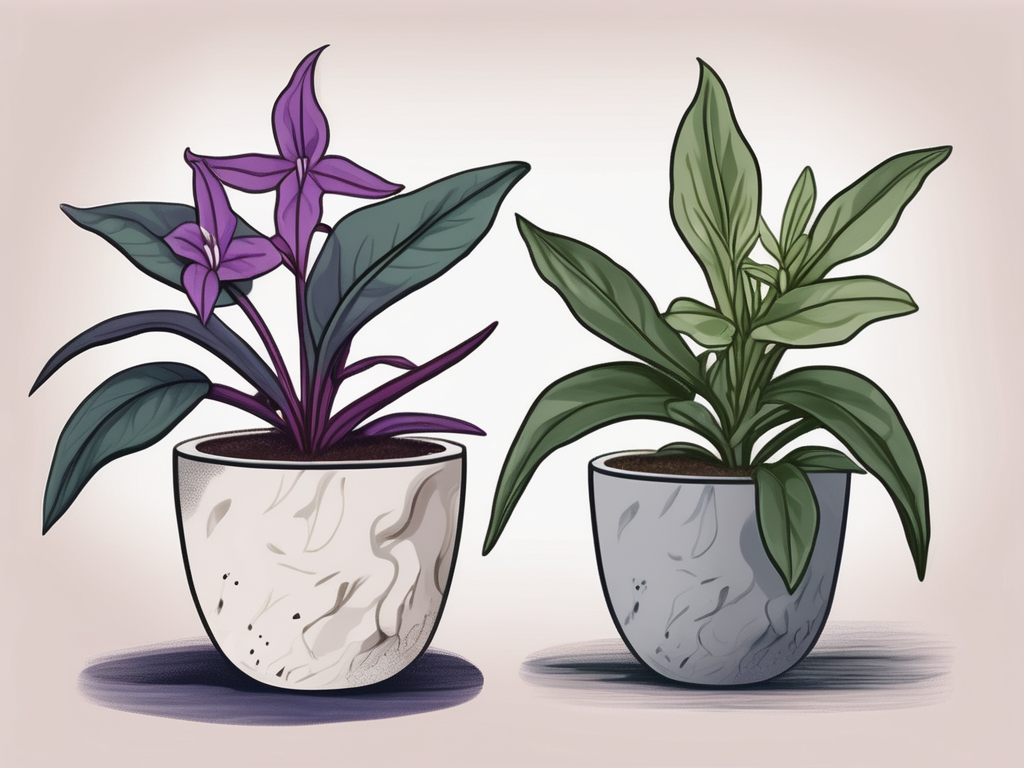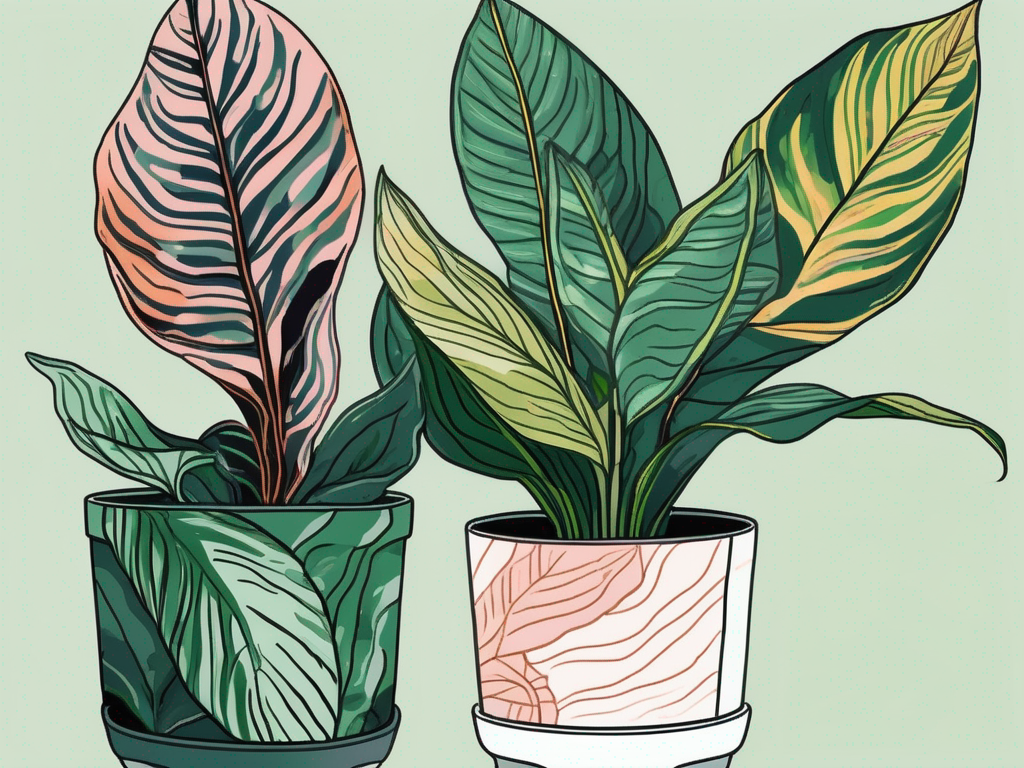
Tradescantia plants, with their vibrant hues and easy-going nature, are a beloved choice for many plant lovers. However, like all plants, they can fall prey to various diseases that can affect their health and beauty. Understanding these common ailments is crucial to keeping your Tradescantia thriving.
In this article, we'll explore some of the most common diseases that impact Tradescantia plants. We'll cover everything from identifying early signs to practical solutions for treatment and prevention, ensuring your plants remain the stunning centerpiece of your indoor garden.
Root Rot: The Silent Threat
Root rot is a sneaky disease that often affects Tradescantia plants, especially when overwatering is involved. This disease is caused by fungi that thrive in overly moist soil, leading to mushy, discolored roots. If left unchecked, root rot can spell disaster for your plant.
Signs to Look For:
- Yellowing leaves that start from the base.
- Wilting, even when the soil is moist.
- A foul smell emanating from the soil.
How to Treat:
- Remove the plant from its pot and inspect the roots. Trim away any that are black or mushy.
- Repot the plant using fresh, well-draining soil and a clean pot.
- Adjust your watering routine. Allow the top inch of soil to dry out between waterings.
Preventing root rot is all about finding the right balance in your watering habits. Remember, it's always better to underwater than overwater. Your Tradescantia will thank you!
Powdery Mildew: The Dusty Invader
Powdery mildew is a fungal disease that looks like someone dusted your Tradescantia with flour. It's more common in environments with poor air circulation and high humidity.
Signs to Look For:
- White, powdery spots on leaves and stems.
- Leaves may curl or distort over time.
How to Treat:
- Increase air circulation around your plant. A small fan can work wonders!
- Remove any heavily affected leaves to prevent spread.
- Apply a fungicidal spray specifically designed for powdery mildew.
To keep powdery mildew at bay, ensure your Tradescantia has good airflow and isn't overcrowded with other plants. Regularly wiping down the leaves can also help deter this unwelcome guest.
Leaf Spot: The Polka-Dot Menace
Leaf spot diseases leave unsightly blemishes on your Tradescantia's otherwise gorgeous leaves. These spots are usually caused by fungal or bacterial infections and can spread quickly if not addressed.
Signs to Look For:
- Brown or black spots on leaves, often with a yellow halo.
- Leaves may fall off prematurely.
How to Treat:
- Remove affected leaves immediately to prevent further spread.
- Ensure your plant is not overcrowded and has good air circulation.
- Consider using a fungicide or bactericide if the problem persists.
Maintaining a clean environment by removing fallen leaves and debris from the soil can help prevent leaf spot diseases. Also, be cautious with watering to avoid splashing water on the leaves, which can spread pathogens.
Aphids: The Tiny Sap-Suckers
Aphids are small, sap-sucking insects that can cause significant damage to your Tradescantia by feeding on new growth and excreting sticky honeydew, which attracts other pests.
Signs to Look For:
- Curling or distorted new growth.
- Sticky residue on leaves and surrounding surfaces.
- Presence of tiny green, black, or brown insects on stems and undersides of leaves.
How to Treat:
- Spray the plant with a strong jet of water to dislodge aphids.
- Apply insecticidal soap or neem oil to affected areas.
- Introduce natural predators, like ladybugs, if the problem persists.
Regularly inspecting your Tradescantia for aphids can help you catch infestations early. Keeping your plant healthy and stress-free is one of the best defenses against these tiny intruders.
Spider Mites: The Web Weavers
Spider mites are another common pest that can wreak havoc on Tradescantia plants. These tiny arachnids are difficult to see with the naked eye, but their damage is unmistakable.
Signs to Look For:
- Fine webbing on the undersides of leaves.
- Leaves may appear stippled or speckled.
- Leaves may turn yellow and eventually fall off.
How to Treat:
- Increase humidity around your plant, as spider mites thrive in dry conditions.
- Wipe leaves with a damp cloth to remove mites and webs.
- Use a miticide or insecticidal soap if the infestation is severe.
To keep spider mites at bay, regularly mist your Tradescantia and ensure it's not placed in a dry, hot environment. Regularly checking the undersides of leaves can also help you spot these pests early.
Botrytis Blight: The Gray Mold
Botrytis blight, or gray mold, is a fungal disease that can affect Tradescantia plants, particularly in cool, damp conditions. It appears as a fuzzy gray growth on leaves and stems.
Signs to Look For:
- Gray, fuzzy mold on leaves and stems.
- Water-soaked spots on leaves.
- Leaves may turn brown and die.
How to Treat:
- Remove and dispose of any affected parts immediately.
- Increase air circulation and reduce humidity around your plant.
- Apply a fungicide if necessary to control the spread.
To prevent Botrytis blight, avoid overhead watering and ensure your Tradescantia has plenty of space to breathe. Regularly cleaning up fallen leaves and debris can also help keep this mold at bay.
Rust Fungus: The Orange Speckles
Rust fungus is a less common but equally troublesome disease that can affect Tradescantia plants. It's characterized by orange, rusty spots on the leaves.
Signs to Look For:
- Orange or rust-colored spots on leaves.
- Leaves may become distorted or discolored.
How to Treat:
- Remove affected leaves to prevent the spread of the fungus.
- Improve air circulation around your plant.
- Consider using a fungicide if the rust persists.
Good sanitation practices, such as removing fallen leaves and debris, can help prevent rust fungus. Ensuring your plant isn't exposed to prolonged wet conditions is also key.
Thrips: The Tearers
Thrips are tiny, slender insects that can cause significant damage to Tradescantia plants by feeding on their leaves and flowers. These pests are notorious for their ability to quickly spread and cause havoc in a short amount of time.
Signs to Look For:
- Silvery or bronze streaks on leaves.
- Distorted or scarred foliage.
- Presence of tiny black dots, which are thrip droppings.
How to Treat:
- Use a sticky trap to catch adult thrips.
- Apply insecticidal soap or neem oil to affected areas.
- Introduce beneficial insects like predatory mites to help control the population.
To keep thrips at bay, regularly inspect your Tradescantia and its surroundings. Keeping your plant healthy and stress-free is one of the best defenses against these pesky insects.
Fungal Leaf Blotch: The Spotty Trouble
Fungal leaf blotch is a disease that causes unsightly spots and blemishes on Tradescantia leaves. This disease is often caused by high humidity and poor air circulation.
Signs to Look For:
- Irregularly shaped spots on leaves, often with a brown or black center.
- Leaves may become discolored and eventually fall off.
How to Treat:
- Remove affected leaves to prevent the spread of the fungus.
- Improve air circulation around your plant.
- Consider using a fungicide if the blotch persists.
Preventing fungal leaf blotch involves maintaining a clean environment and ensuring your Tradescantia has plenty of space for air circulation. Keeping humidity levels in check can also help prevent this disease from taking hold.
Final Thoughts
Tradescantia plants are beautiful additions to any home, but like any living thing, they require care and attention to thrive. By understanding the common diseases that can affect them, you can take proactive steps to ensure they remain healthy and vibrant.
At Cafe Planta, we believe in the power of plants to bring joy and beauty to our lives. Whether you need help with a plant question or are looking for new additions to your collection, we're here to support you. Feel free to email us or drop a message on our Instagram. Let's grow together!