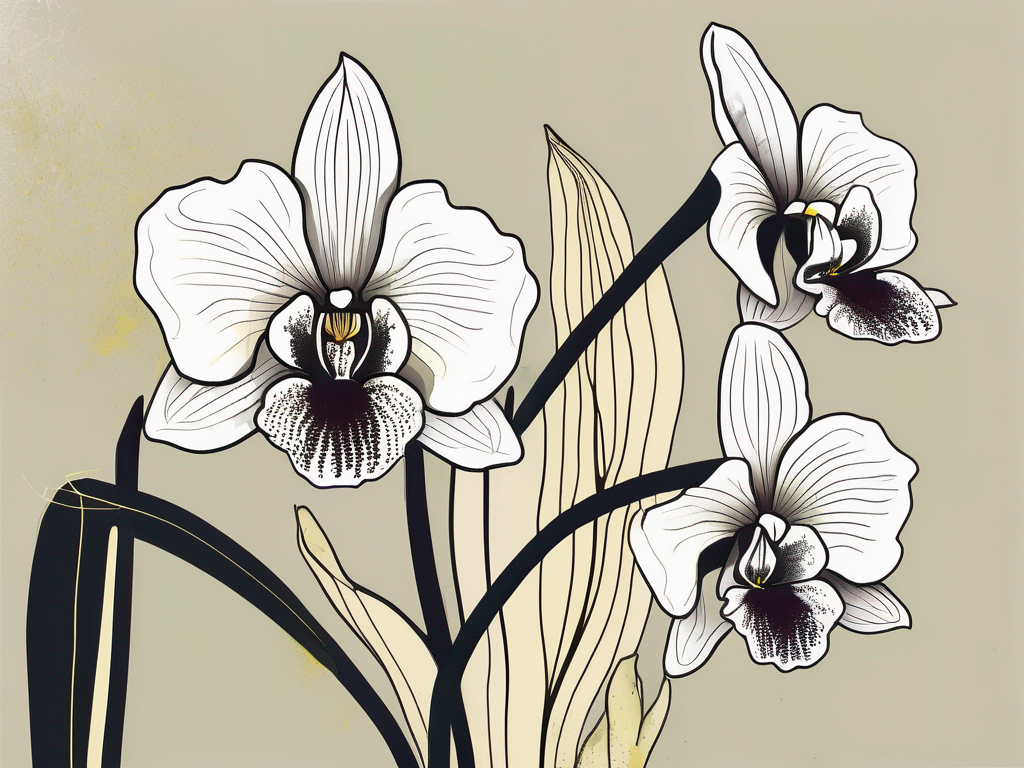
Vanda orchids are known for their stunning, vibrant blooms and unique growing habits. However, like any cherished plant, they can fall victim to a variety of diseases that can affect their health and beauty. This can be particularly challenging for plant lovers who adore these exotic beauties and want to keep them thriving.
In this article, we'll chat about some of the most common diseases that can trouble your Vanda orchids. From spotting symptoms early to understanding how to prevent and treat these problems, you'll find practical advice to help keep your orchids in tip-top shape.
Recognizing Common Diseases in Vanda Orchids
Before we jump into the specifics, it’s crucial to know that early recognition of disease symptoms is your first line of defense. Just like when you start to feel a cold coming on, catching these signs early can prevent more significant issues down the road.
Many diseases affecting Vanda orchids manifest through visible symptoms, such as:
- Yellowing leaves: This can indicate a variety of issues, from nutrient deficiencies to root rot.
- Spots on leaves: Dark or light spots may suggest fungal or bacterial infections.
- Wilting or drooping: Dehydration or root problems can cause this symptom.
- Stunted growth: A sign that your orchid isn’t getting what it needs to grow healthily.
Keeping an eye out for these symptoms can help you take swift action, potentially saving your plant from more severe problems.
Bacterial Soft Rot
Bacterial soft rot is a nasty disease caused by the bacteria Erwinia carotovora. It’s particularly heartbreaking because it can swiftly devastate your Vanda orchids, turning healthy tissue into a mushy mess.
This disease typically enters the plant through wounds or natural openings. Once inside, it spreads rapidly, causing leaves to become soft and mushy. They often emit a foul odor, which is a tell-tale sign of this bacterial infection.
To manage bacterial soft rot, consider these steps:
- Isolation: Separate the infected plant to prevent the bacteria from spreading to other orchids.
- Remove affected areas: Use sterilized tools to cut away all infected parts of the plant. Dispose of them carefully.
- Improve air circulation: Ensure your orchids are not overcrowded and have good airflow to discourage bacterial growth.
- Use bactericides: Apply a bactericide as recommended by your local garden center to help manage the infection.
Prevention is always better than cure, so keeping your orchids in optimal conditions can help reduce the risk of bacterial infections.
Fungal Infections: Leaf Spots and Blights
Fungal infections can be quite common in Vanda orchids, especially those grown in humid environments. You might notice small, circular spots on the leaves. These spots can be brown, black, or even yellow, and they may spread if left untreated.
Fungi thrive in moist conditions, so it’s crucial to manage humidity and water exposure. Here’s how you can tackle these pesky fungi:
- Prune infected areas: Carefully remove and dispose of any affected leaves to prevent the spread of the fungus.
- Ensure proper spacing: Give your orchids enough space to allow air to circulate freely, reducing humidity around the plants.
- Adjust watering: Water your orchids in the morning to allow leaves to dry by evening, and avoid waterlogging.
- Apply fungicides: Use a fungicide suitable for orchids, following the manufacturer’s instructions for best results.
Regular checks on your orchids and maintaining good cultural practices can help prevent fungal infections from getting a foothold.
Root Rot: The Silent Killer
Root rot is another common issue that affects Vanda orchids, often resulting from overwatering or poor drainage. Unfortunately, it’s a bit sneaky since the damage occurs below the surface.
The symptoms of root rot might include yellowing leaves, wilting, and stunted growth. To confirm, you’ll need to examine the roots. Healthy roots should be firm and white, while rotting roots appear brown, soft, and mushy.
To tackle root rot, here’s what you can do:
- Repot your orchid: Remove the plant from its pot and carefully cut away any rotting roots with sterilized scissors.
- Improve drainage: Use a well-draining potting medium specifically designed for orchids.
- Adjust your watering routine: Allow the potting medium to dry out between waterings to prevent excess moisture buildup.
- Use a fungicide: Treat the remaining healthy roots with a fungicide to prevent further infection.
Remember, Vanda orchids prefer to dry out slightly between waterings, so be mindful of your plant’s moisture needs.
Viral Infections: A Tricky Problem
Viruses can be a bit of a mystery when it comes to orchids. Unlike bacteria or fungi, viruses don’t have a straightforward treatment once they’ve infected a plant. The symptoms can vary, but common signs include yellow streaks, mottled leaves, and unusual flower patterns.
Viral infections are often spread by insects or through contaminated tools, so prevention is your best bet. Here are some precautions to take:
- Practice good hygiene: Always sterilize your tools before and after use to prevent the spread of viruses.
- Inspect new orchids: Quarantine new plants for a few weeks before introducing them to your collection.
- Control pests: Keep a close eye on insects like aphids and thrips that can transmit viruses.
Unfortunately, if a plant is infected with a virus, it’s often best to remove it from your collection to protect other healthy plants.
Anthracnose: Spotting the Culprit
Anthracnose is a fungal disease that causes dark, sunken spots on orchid leaves and flowers. It’s more common in humid environments and can spread quickly if not addressed.
The good news is that you can manage anthracnose with the right approach:
- Improve air circulation: Just like other fungi, anthracnose thrives in stagnant, humid conditions.
- Trim infected parts: Remove any leaves or flowers showing signs of infection and dispose of them properly.
- Use a fungicide: Apply a suitable fungicide to help control the spread of the disease.
Keeping your orchids in a well-ventilated area and avoiding overhead watering can help reduce the risk of anthracnose.
Sunburn: Not Just for Humans
While not a disease in the traditional sense, sunburn can cause significant damage to Vanda orchids. These plants do enjoy bright light, but too much direct sunlight can scorch their leaves, leading to unsightly brown or black patches.
If you suspect sunburn, there are a few things you can do:
- Move your plant: Relocate your orchid to a spot with bright, indirect light.
- Use shading: A sheer curtain or shade cloth can help filter the sunlight and protect your plants.
- Monitor exposure: Keep an eye on your orchids to ensure they’re not getting too much direct sunlight during peak hours.
Remember, gradual changes are best when adjusting your plant’s light exposure to avoid shocking it.
Dealing with Pest-Induced Diseases
Pests can be more than just a nuisance. They can also introduce diseases to your orchids, causing further complications. Common culprits include aphids, spider mites, and scale insects.
To keep these pests and their related diseases at bay, try these strategies:
- Regular inspections: Check your orchids frequently for signs of pests and take action at the first sign of trouble.
- Use insecticidal soap: This can be an effective and environmentally friendly way to tackle many common pests.
- Introduce natural predators: Ladybugs and predatory mites can help control pest populations naturally.
Maintaining a clean environment around your plants can also help deter pests and keep your orchids healthy.
Final Thoughts
Vanda orchids, with their vibrant colors and unique growth habits, are a joy to have around. However, being aware of the potential diseases they might face can help you take proactive steps to ensure they remain healthy and beautiful. From bacterial and fungal infections to sunburn and pests, each challenge has solutions that can keep your orchids thriving.
At Cafe Planta, we’re passionate about helping you care for your plant family. Whether you're looking for plant care tips or unique plant-themed accessories, we’re here to support you. If you have questions, reach out to us via email or connect with us on Instagram. We believe that plants have the power to bring people together, and we’re excited to help you create a thriving plant collection in your home.