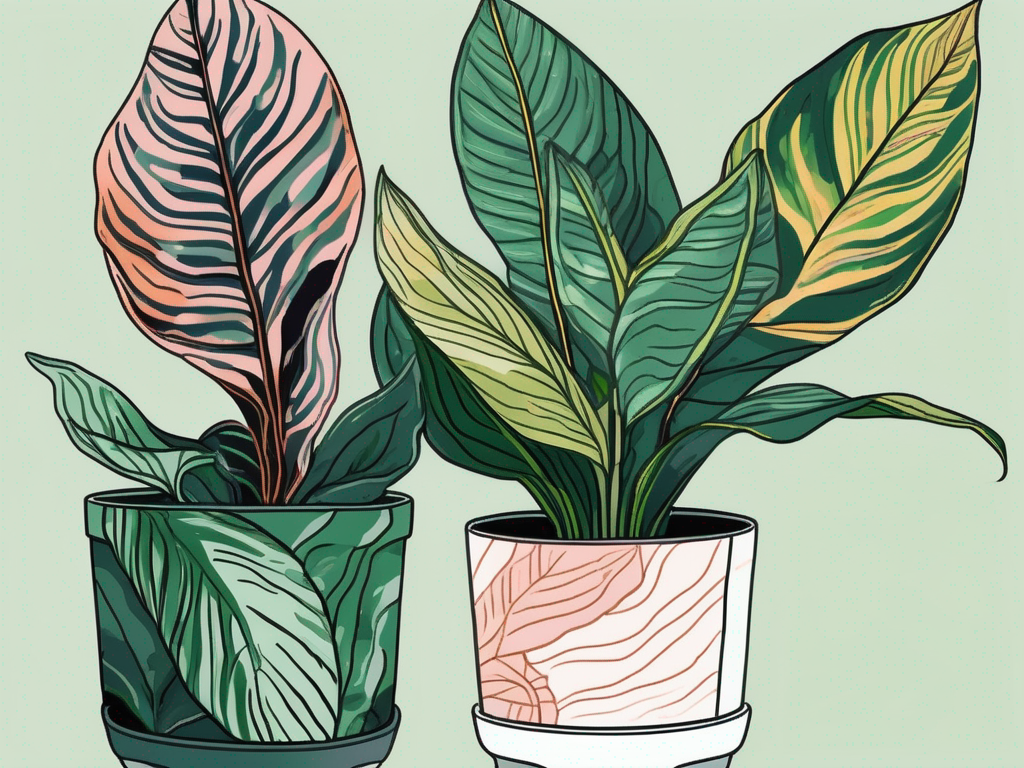
Calathea plants, with their striking foliage and vibrant colors, are true showstoppers in any plant collection. However, just like any other houseplant, they can be susceptible to a range of diseases that can compromise their beauty and health.
In this article, we'll take a closer look at some of the most common diseases that affect Calathea plants. We'll explore the causes, symptoms, and most importantly, how to treat these issues so your beloved plants can thrive and continue to grace your home with their charm.
Understanding Common Calathea Diseases
Calathea plants are generally known for their lush, colorful leaves, but they're also known for being a bit finicky. Let's dive into some of the common diseases that these beauties are prone to and how you can keep them in check.
Root Rot: The Silent Killer
Root rot is a dreaded disease for any plant parent, and Calathea is no exception. This disease is primarily caused by overwatering or poor drainage, leading to roots sitting in stagnant water, which they absolutely hate. Over time, the roots start to decay, unable to transport nutrients and water to the rest of the plant.
Symptoms
- Yellowing leaves
- Wilting, even when the soil seems moist
- Foul smell from the soil
Treatment
If you suspect root rot, act quickly:
- Remove the plant from its pot and gently wash away the soil from the roots.
- Trim away any mushy or blackened roots with sterilized scissors.
- Repot in fresh, well-draining soil and a pot with adequate drainage holes.
- Water sparingly until the plant shows signs of recovery.
Remember, prevention is better than cure. Ensure your Calathea is in a pot with good drainage, and water only when the top inch of soil feels dry.
Leaf Spot Diseases: The Unsightly Invaders
Leaf spot diseases are caused by various fungi and bacteria, and they manifest as unsightly spots on the leaves. These spots can range in color from yellow to brown, and they often have a water-soaked appearance.
Symptoms
- Brown or black spots on leaves
- Yellowing around the spots
- Leaf drop in severe cases
Treatment
To tackle leaf spot diseases:
- Remove affected leaves promptly to prevent the spread of the disease.
- Improve air circulation around the plant by spacing it adequately from other plants.
- Ensure you're not wetting the leaves during watering, as moisture can promote fungal growth.
- If the problem persists, consider using a fungicide recommended for houseplants.
Keeping your Calathea's leaves dry and maintaining good airflow will go a long way in preventing leaf spot diseases.
Powdery Mildew: The Dusty Coating
Powdery mildew is a fungal disease that appears as a white, powdery coating on the leaves. It's more common in humid environments, making Calathea, which thrives in humidity, more susceptible.
Symptoms
- White, powdery spots on leaves
- Distorted or stunted growth
- Premature leaf drop
Treatment
Here's how to deal with powdery mildew:
- Remove and dispose of any heavily affected leaves.
- Increase air circulation around your plant. Consider using a fan if needed.
- Apply a fungicidal spray that's safe for indoor plants.
- Keep an eye on humidity levels; too much can worsen the condition.
While Calathea loves humidity, balance is key. Too much can lead to issues like powdery mildew, so aim for moderate levels and ensure proper airflow.
Spider Mites: The Tiny Troublemakers
Spider mites are tiny pests that can wreak havoc on Calathea plants. They thrive in dry conditions and can quickly infest your plant if not noticed early.
Symptoms
- Webbing on the undersides of leaves
- Yellow spots or stippling on leaves
- Leaves appear dusty or dirty
Treatment
To get rid of spider mites:
- Regularly mist your plant to increase humidity, which spider mites dislike.
- Wipe leaves with a damp cloth to remove mites and their webs.
- Introduce beneficial insects like ladybugs if appropriate.
- Use insecticidal soap or neem oil as a last resort.
Keeping the humidity up and routinely checking your plants can help prevent spider mite infestations. These pests are a common issue, especially during dry spells.
Fungal Leaf Spots: The Persistent Problem
Fungal leaf spots are similar to bacterial leaf spots but are caused by fungal pathogens. These spots can quickly spread if not managed, leading to significant leaf damage.
Symptoms
- Circular spots with a yellow halo
- Spots may merge to form larger patches
- Leaves may become disfigured
Treatment
To combat fungal leaf spots:
- Prune affected leaves and dispose of them properly.
- Reduce humidity levels slightly, but don’t go too low as Calathea needs some humidity.
- Apply a fungicide appropriate for houseplants if necessary.
- Consider improving air circulation to prevent future outbreaks.
Fungal leaf spots can be persistent, but with regular monitoring and care, you can keep them from taking over your Calathea.
Bacterial Leaf Spot: The Sneaky Culprit
Bacterial leaf spot is a disease that can be tricky to identify. It's caused by bacteria that thrive in wet conditions, and it can spread through splashing water.
Symptoms
- Small, water-soaked spots
- Brown or black spots with yellow halos
- Leaf drop in severe cases
Treatment
Here's how to manage bacterial leaf spot:
- Remove infected leaves immediately to prevent further spread.
- Water the base of the plant, avoiding getting the leaves wet.
- Use copper-based bactericides if the infection is severe.
Bacteria thrive in moist conditions, so keeping your Calathea's foliage dry and avoiding overhead watering can help prevent bacterial leaf spots.
Edema: The Water Imbalance
Edema is a physiological disorder rather than a disease. It occurs when the plant absorbs water faster than it can use or transpire, causing cells to burst.
Symptoms
- Blisters or bumps on the leaves
- Leaves may become distorted
- Chlorotic or brown patches
Treatment
To manage edema:
- Reduce watering frequency and allow the soil to dry out slightly between waterings.
- Ensure your plant has adequate light to promote transpiration.
- Avoid sudden changes in environmental conditions.
Edema is often a result of overwatering, so monitoring your Calathea's watering needs and adjusting accordingly can prevent this issue.
Thrips: The Sucking Pests
Thrips are tiny insects that feed on plant sap, causing discoloration and deformities. They can be particularly challenging to spot due to their small size.
Symptoms
- Silvery or bronze streaks on leaves
- Distorted or curled leaves
- Black specks (thrips excrement) on leaves
Treatment
To tackle a thrips infestation:
- Introduce natural predators like lacewings or predatory mites.
- Use sticky traps to capture adult thrips.
- Apply insecticidal soap or neem oil as needed.
- Regularly inspect new plants to prevent thrips from entering your collection.
Thrips can be persistent, but with consistent effort and monitoring, you can keep them at bay and protect your Calathea.
Final Thoughts
Caring for Calathea plants can be a rewarding journey, especially when armed with the knowledge to tackle common diseases. From root rot to pesky thrips, being proactive and attentive to your plant's needs will go a long way in keeping them healthy and vibrant.
At Cafe Planta, we're passionate about helping plant lovers like you nurture beautiful, thriving plants. If you have questions or need guidance, don't hesitate to email us or reach out via Instagram. We're here to support your plant journey and share our love for plants with you!