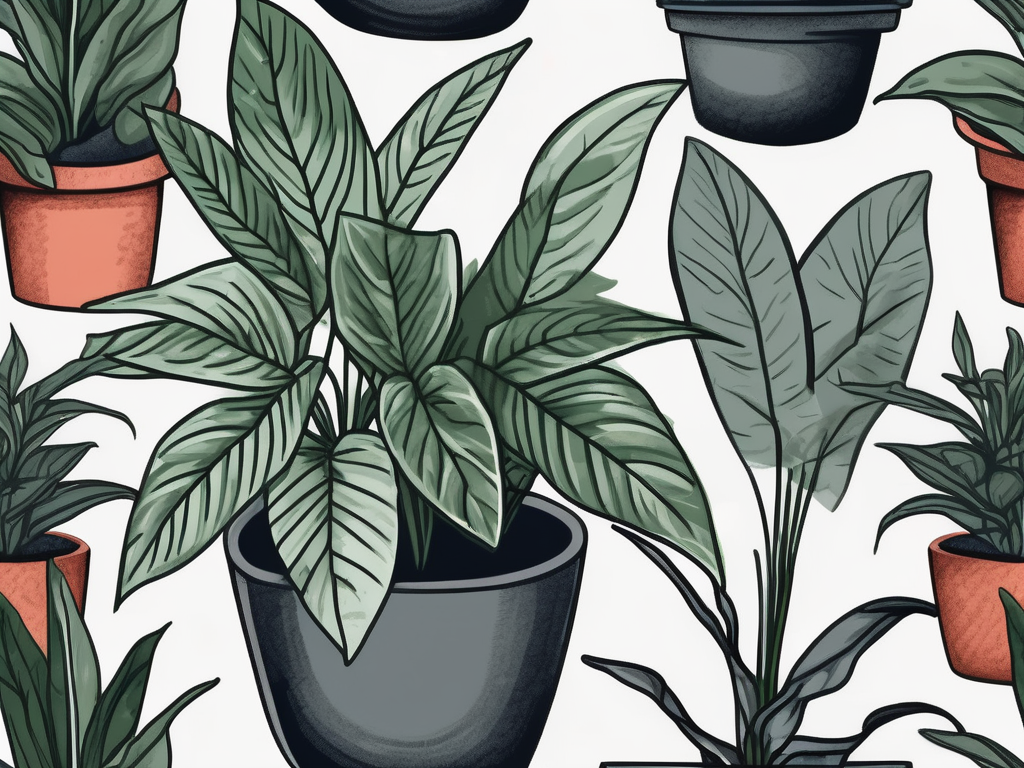
The heartleaf philodendron, with its charming, heart-shaped leaves, is a favorite among plant lovers for its easy-going nature and ability to thrive in a variety of indoor conditions. However, like any houseplant, it can face its share of diseases. Understanding these common issues can help you keep your plant healthy and vibrant.
This article covers a range of diseases that can affect heartleaf philodendrons, offering practical advice on how to identify, treat, and prevent them. From spotting tell-tale signs to implementing effective care strategies, you'll find everything you need to ensure your plant flourishes.
1. Root Rot: A Silent Killer
Root rot is one of the most common ailments affecting heartleaf philodendrons, often resulting from overwatering. Roots sitting in waterlogged soil become deprived of oxygen, leading to decay. If unnoticed, the rot can spread, severely damaging the plant.
Signs of root rot include yellowing leaves, wilting, and a musty smell emanating from the soil. To confirm, gently remove the plant from its pot and inspect the roots. Healthy roots appear white and firm, while rotten ones are brown and mushy.
To treat root rot, follow these steps:
- Remove the plant from its container and trim away any diseased roots using sterilized scissors.
- Repot the plant in fresh, well-draining soil. Consider using a mix designed for aroids, which provides good aeration.
- Ensure the new pot has adequate drainage holes to prevent future waterlogging.
- Adjust your watering schedule. Allow the top inch of soil to dry out between waterings.
Prevention is better than cure. Keep a close eye on your watering habits and ensure your philodendron's pot has excellent drainage to avoid root rot.
2. Leaf Spot Diseases: Unsightly and Troublesome
Leaf spot diseases, caused by various fungi and bacteria, can mar the beautiful foliage of heartleaf philodendrons. These spots may appear as small dark lesions or larger, water-soaked patches on the leaves.
To tackle leaf spot diseases:
- Prune affected leaves and stems to prevent the disease from spreading. Always use clean, sterilized tools.
- Improve air circulation around the plant by spacing it apart from others and avoiding overcrowding.
- Avoid overhead watering. Wet leaves can encourage fungal growth, so water at the soil level.
- Consider applying a suitable fungicide if the problem persists, following the product instructions carefully.
Regular monitoring and prompt action are vital in managing leaf spot diseases, ensuring your philodendron retains its lush appearance.
3. Bacterial Blight: A Rapid Threat
Bacterial blight can be quite alarming, as it spreads rapidly. It manifests as water-soaked spots on leaves, which eventually turn brown and crispy. This disease thrives in warm, humid conditions.
Here's how to manage bacterial blight:
- Isolate the affected plant to prevent the spread to others.
- Cut away infected leaves, disposing of them in the trash rather than composting.
- Reduce humidity around the plant by using a fan or dehumidifier if necessary.
- Avoid splashing water on the leaves during irrigation.
Preventive measures include maintaining good air circulation and practicing proper hygiene, like cleaning tools and pots regularly.
4. Pest Infestations: Unwanted Visitors
While not a disease, pest infestations can lead to secondary infections and stress your plant. Common pests include spider mites, aphids, and mealybugs, all of which can damage leaves and stems.
To manage pests:
- Regularly inspect your plant for any signs of pests, such as webbing, sticky residue, or visible insects.
- Wipe leaves with a damp cloth to remove pests. For severe infestations, use insecticidal soap or neem oil.
- Ensure your plant is healthy and not stressed, as robust plants are less prone to pest attacks.
Creating a pest-free environment is crucial. Ensure your philodendron is in a well-ventilated area and adjust humidity levels to make it less inviting for pests.
5. Edema: A Water Imbalance
Edema occurs when plants absorb water faster than they can transpire it, causing cells to burst and form blisters or bumps on leaves. While not deadly, it can be unsightly.
Treating edema involves:
- Adjusting your watering routine to avoid overwatering. Allow the soil to dry slightly between waterings.
- Improving drainage in the pot to prevent water from sitting in the root zone.
- Ensuring the plant is not exposed to sudden temperature fluctuations.
By maintaining consistent watering and environmental conditions, you can prevent edema from affecting your heartleaf philodendron.
6. Powdery Mildew: The Dusty Foe
Powdery mildew appears as a white, powdery substance on leaves and stems. It's more prevalent in dry, warm environments and can stunt your plant's growth if left untreated.
To combat powdery mildew:
- Increase humidity around the plant, as powdery mildew thrives in dry conditions.
- Wipe affected leaves with a damp cloth to remove the mildew.
- Apply a homemade solution of water and baking soda, or use a commercial fungicide.
Preventing powdery mildew involves maintaining a balanced environment with proper humidity and air circulation.
7. Anthracnose: A Leaf-Damaging Fungus
Anthracnose is a fungal disease that causes dark, sunken lesions on leaves. It spreads quickly in warm, moist environments and can lead to significant foliage loss.
To manage anthracnose:
- Remove and dispose of affected leaves immediately to reduce spore spread.
- Improve air circulation around the plant and reduce humidity levels.
- Consider applying a fungicide that's effective against anthracnose.
By keeping your plant dry and ensuring good airflow, you can minimize the risk of anthracnose infection.
8. Mosaic Virus: A Rare but Serious Issue
Mosaic virus can cause mottled yellow patterns on leaves, leading to distorted growth. It's rare but can be devastating if it occurs, as there's no cure.
To handle mosaic virus:
- Isolate the affected plant to prevent spreading the virus to others.
- Dispose of the plant if the symptoms are severe, as it cannot be cured.
- Practice good hygiene by sterilizing tools and washing hands after handling plants.
Preventing mosaic virus involves purchasing plants from reputable sources and maintaining a clean growing environment.
9. General Tips for Disease Prevention
While specific treatments exist for each disease, some general practices can help keep your heartleaf philodendron healthy and disease-free.
- Ensure proper watering habits. Overwatering is the root cause of many plant issues.
- Maintain good air circulation to prevent fungal and bacterial growth.
- Monitor humidity levels, especially in dry or overly humid conditions.
- Keep your plant clean by regularly dusting leaves and removing dead foliage.
- Avoid overcrowding plants, which can limit airflow and increase disease risk.
- Use sterilized tools when pruning or repotting to prevent the spread of pathogens.
Final Thoughts
Understanding and managing the common diseases of heartleaf philodendrons can help you maintain a healthy, thriving plant. With a bit of knowledge and attention, you can prevent most issues and enjoy the lush greenery of your philodendron for years to come.
At Cafe Planta, we're passionate about helping you care for your plants. Whether you're hunting for a new houseplant or need advice, we're here to support your plant journey. Feel free to email us with any questions or connect with us on Instagram. We believe plants bring people together and inspire a deeper connection with nature and each other.