Plants bring life and beauty to any home, but they can also face their share of challenges. Houseplant diseases are one such hurdle, often frustrating plant parents trying to maintain a thriving indoor garden. Identifying and treating these diseases is essential to keeping your plants healthy and happy.
In this article, we’ll explore some common diseases that affect houseplants, how to identify them, and most importantly, how to treat them. Whether you're a seasoned plant lover or new to the world of indoor gardening, this guide will offer useful tips and insights to help you nurture your green friends.
Fungal Infections: Spotting the Signs
Fungal infections are among the most frequent issues that houseplants encounter. They can manifest in various forms, such as powdery mildew, root rot, and leaf spot. Each type has its unique set of symptoms, but they all thrive in similar conditions, like high humidity and poor air circulation.
Powdery mildew, for instance, appears as a white or gray powdery coating on leaves. It’s often seen in plants that are kept in environments with little airflow. To treat powdery mildew, try increasing air circulation around your plants and reducing humidity. You can also remove the affected leaves and use a fungicidal spray made for houseplants.
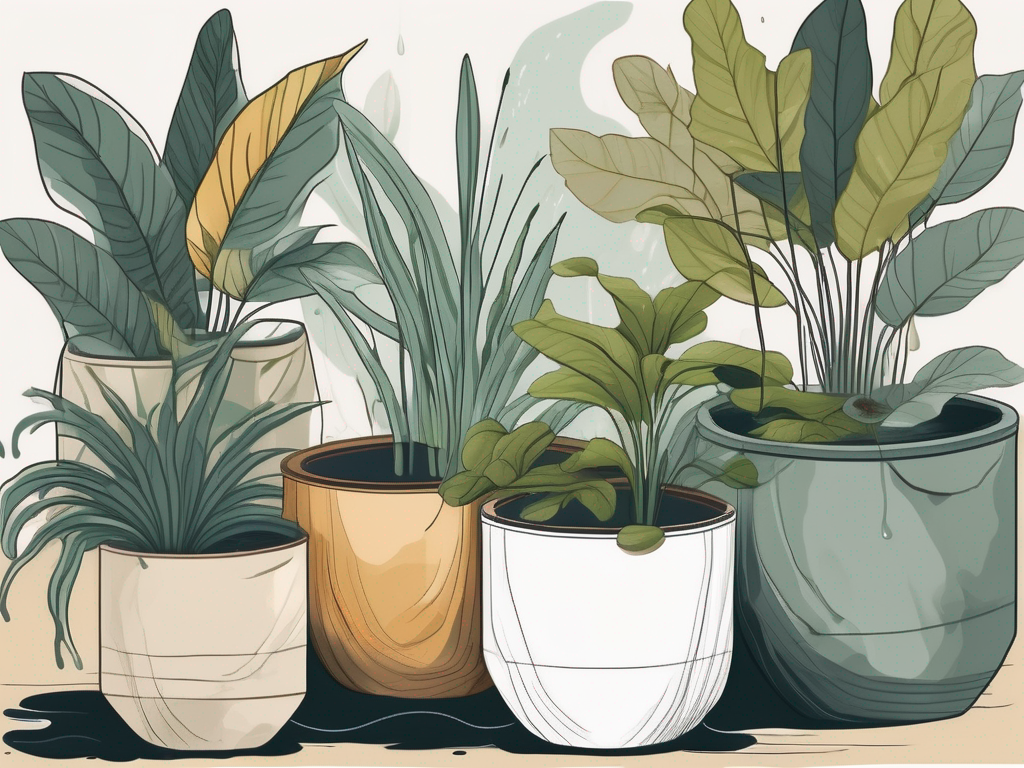
Root rot is another common fungal issue that arises from overwatering. It turns the roots brown or black and mushy. To save a plant with root rot, you’ll need to remove it from its pot, cut away the affected roots, and replant it in fresh, well-draining soil. Reducing watering frequency and ensuring the pot has proper drainage can prevent root rot from reoccurring.
Leaf spot presents as dark, often circular spots on leaves, and it's typically more visible when the plant is stressed. You can manage leaf spot by removing the infected leaves and treating the plant with a fungicide. Regularly cleaning your plant’s leaves and ensuring they’re not overcrowded can also help prevent leaf spot from taking hold.
Bacterial Diseases: A Closer Look
Bacterial infections in houseplants can be tricky to manage. They can cause symptoms like wilting, leaf spots, and stem rot. The bacteria often enter the plant through wounds or natural openings, thriving in warm, moist environments.
If you notice wilting, despite adequate watering, your plant might have a bacterial infection. Other signs include yellowing leaves with water-soaked spots, which can sometimes ooze a sticky sap. To tackle bacterial diseases, start by isolating the affected plant to prevent the bacteria from spreading.
Prune any infected areas with clean, sterilized tools, and dispose of them properly. Avoid overhead watering, as it can spread bacteria through splashing. In some cases, using a copper-based bactericide can help control the spread of the infection, but prevention is often the best cure.
Keeping your plants healthy and stress-free is crucial in preventing bacterial infections. Ensure they get the right amount of light, water, and nutrients. Regularly inspect your plants for any signs of trouble, as early detection is key to managing bacterial diseases effectively.
Viral Infections: Identifying and Managing
Viral infections in houseplants are less common but can be particularly challenging to deal with. They often cause stunted growth, distorted leaves, and unusual patterns or mottling on the foliage. Unfortunately, there’s no cure for viral infections in plants, which makes prevention even more important.
If you suspect a viral infection, the first step is to isolate the plant to prevent the spread to others. Viral infections can be transmitted through contaminated tools, hands, or even by pests like aphids and spider mites. Maintaining good hygiene practices, such as cleaning your tools and washing your hands, is crucial in preventing viral infections.
Infected plants often need to be removed and destroyed to protect your other plants. While this can be disheartening, it helps ensure the health of the rest of your indoor garden. Consider using insecticidal soap or neem oil to control any pest populations that might spread the virus.
While you can’t cure a viral infection, you can focus on boosting your plant’s overall health to help it better withstand the disease. Providing optimal growing conditions and proper care can sometimes slow the progression of the virus, allowing the plant to continue growing, albeit at a slower pace.
Pests and Their Role in Plant Diseases
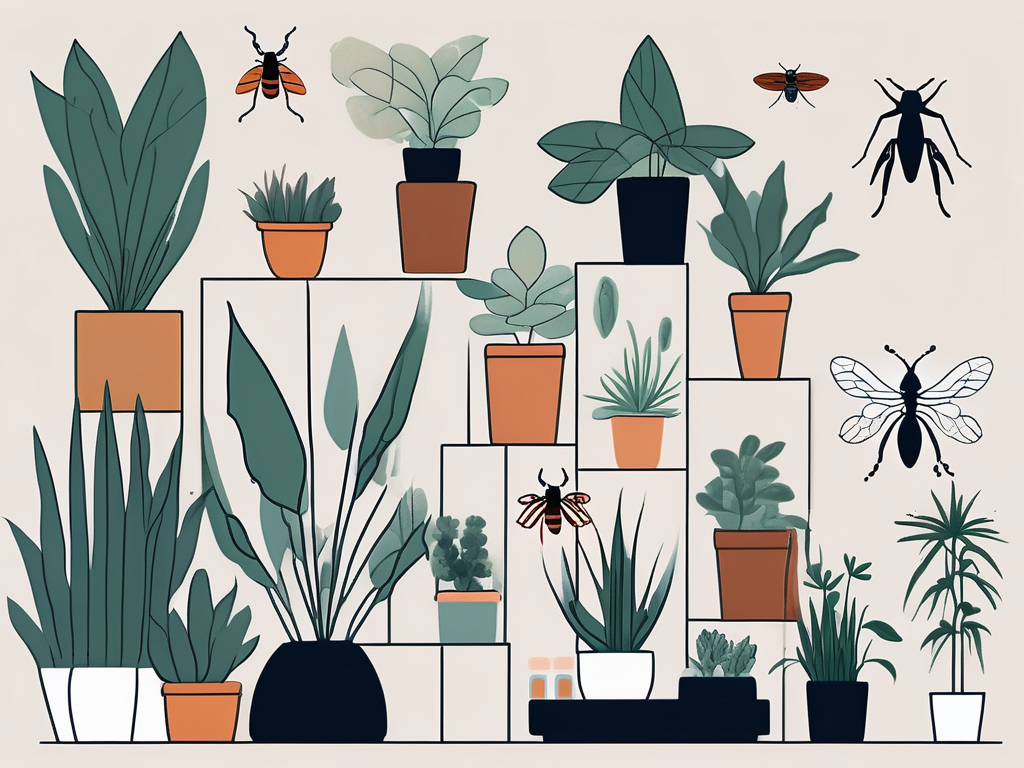
Pests can be more than just a nuisance—they often play a significant role in spreading plant diseases. Common pests like aphids, spider mites, and mealybugs can weaken plants, making them more susceptible to diseases.
Aphids can carry and transmit viral diseases as they feed on plant sap. Spider mites, on the other hand, create webbing that can trap moisture and lead to fungal infections. Mealybugs excrete a sticky substance called honeydew, which can encourage sooty mold growth.
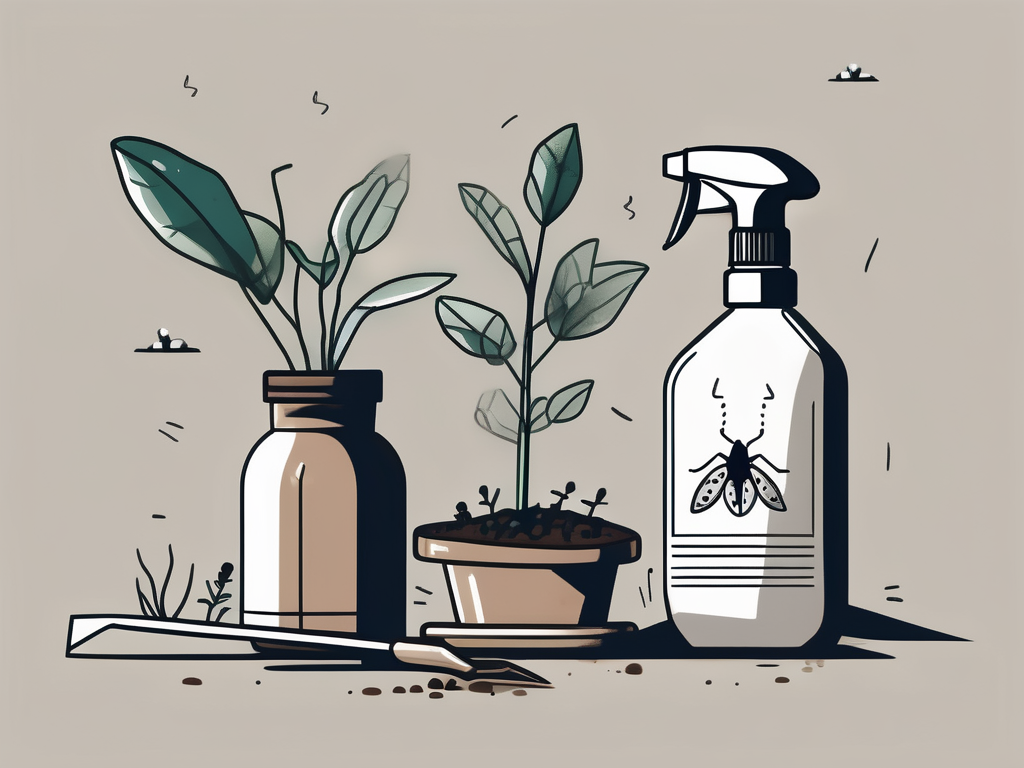
Managing pest populations is crucial in preventing disease spread. Regularly inspect your plants for any signs of pests, such as sticky residue, webbing, or visible insects. Use insecticidal soap, neem oil, or a strong spray of water to remove pests from your plants.
Introducing beneficial insects, like ladybugs or predatory mites, can also help control pest populations naturally. Maintaining a clean environment and removing any fallen leaves or debris can reduce hiding spots for pests and keep your plants healthy.
Environmental Stress and Its Impact on Plant Health
Houseplants can suffer from diseases not just because of pathogens but also due to environmental stress. Factors like improper lighting, incorrect watering, and poor soil conditions can weaken a plant, making it more vulnerable to diseases.
Overwatering and underwatering are common culprits. Overwatered plants can develop root rot, while underwatered plants might become stressed, leading to leaf drop and increased susceptibility to pests and diseases. Finding the right balance for each plant’s water needs is essential.
Lighting also plays a crucial role in plant health. Too much direct sunlight can scorch leaves, while too little light can lead to weak, leggy growth. Adjusting the plant’s location or using grow lights can help provide the right amount of light.
Soil quality and potting can affect plant health as well. Using well-draining potting soil and ensuring proper pot size and drainage can prevent root problems. Regularly repotting your plants can also refresh the soil and provide the roots with more space to grow.
Preventative Measures: Keeping Plants Healthy
Prevention is always better than cure when it comes to plant diseases. By taking a few proactive steps, you can significantly reduce the risk of your houseplants falling ill.
Start by choosing healthy plants when buying new additions to your indoor garden. Inspect them for any signs of disease or pests before bringing them home. Once home, consider keeping new plants isolated for a few weeks to monitor for any problems.
Regularly cleaning your plants’ leaves can help prevent pests and diseases. Dust and debris can block sunlight and create an inviting environment for pests. Use a damp cloth or a gentle spray of water to clean the leaves.
Maintaining proper air circulation and humidity levels can also reduce the risk of fungal infections. Consider using a fan or opening windows to improve airflow, and use a humidifier or pebble tray to manage humidity.
Recognizing and Treating Nutrient Deficiencies
Nutrient deficiencies can mimic disease symptoms, leading to confusion and mistreatment. Common deficiencies include nitrogen, potassium, and magnesium, each showing distinct signs on your plants.
A nitrogen deficiency often results in yellowing leaves, starting with the older ones. Potassium deficiencies can cause brown edges on leaves, while magnesium deficiencies lead to yellowing between leaf veins.
To address nutrient deficiencies, first identify the specific nutrient lacking. You can do this by observing the symptoms or using a soil test kit. Once identified, amend the soil with the appropriate fertilizer. For example, a balanced fertilizer can help correct nitrogen deficiencies, while Epsom salts can address magnesium deficiencies.
Regularly feeding your plants with a suitable houseplant fertilizer can prevent nutrient deficiencies from occurring. Follow the recommended application rates and frequency to avoid over-fertilizing, which can harm your plants.
Common Myths about Houseplant Diseases
There are plenty of myths surrounding houseplant diseases that can lead to unnecessary worry or improper treatment. Let’s clear up a few common misconceptions.
One myth is that all yellow leaves indicate overwatering. While overwatering can cause yellow leaves, other factors like underwatering, nutrient deficiencies, or natural aging can also be the cause. It’s important to assess the situation thoroughly before taking action.
Another myth is that misting plants automatically leads to fungal infections. While excess moisture can contribute to fungal growth, proper air circulation and allowing leaves to dry can prevent such issues. Misting can actually be beneficial for humidity-loving plants when done correctly.
Finally, some believe that more fertilizer will fix any plant problem. Over-fertilizing can do more harm than good, leading to nutrient imbalances and root damage. It’s best to identify the specific issue and treat accordingly.
Final Thoughts
Understanding common houseplant diseases, their signs, and treatments can empower you to care for your plants more effectively. From fungal infections to nutrient deficiencies, each challenge presents an opportunity to learn and grow as a plant parent.
At Cafe Planta, we’re passionate about helping you succeed in your plant care journey. Whether you’re looking for advice, unique houseplants, or plant-themed apparel, we're here to support you. Feel free to reach out via email or connect with us on Instagram. Let’s nurture our love for plants together!