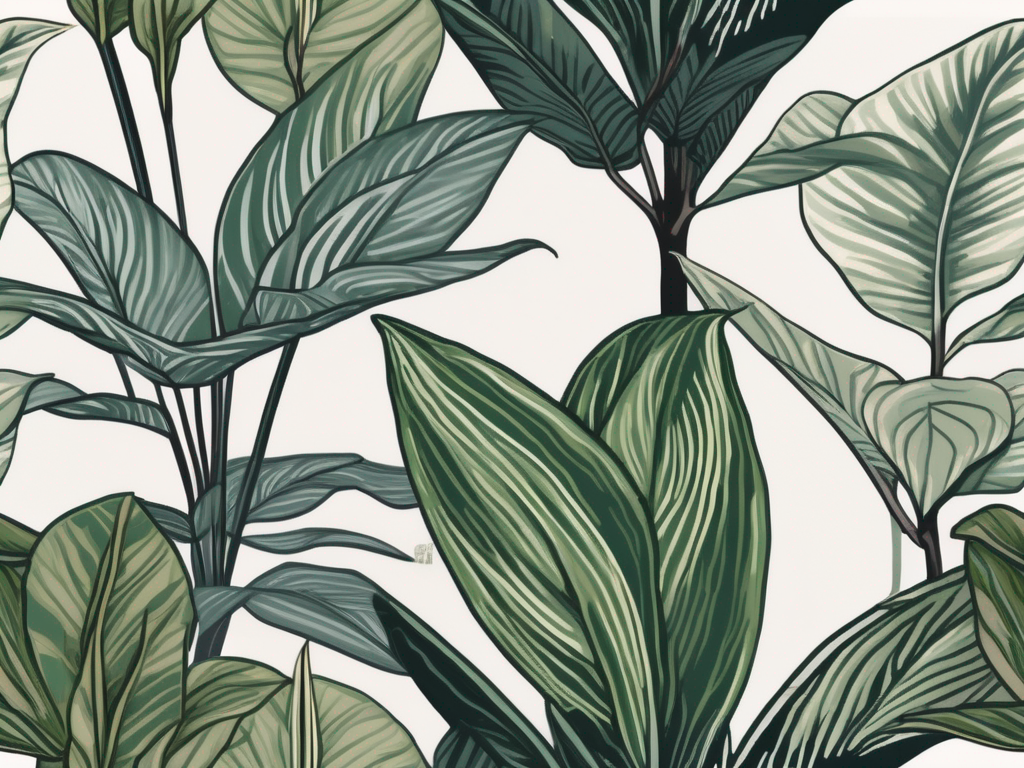
Choosing the perfect houseplant can feel a bit like picking out a new pet. Each has its own personality, quirks, and needs. Two popular choices among plant lovers are the Dieffenbachia and the Dracaena. Although they might seem similar at first glance, they have distinct characteristics that could make one more suitable for your home than the other.
In this article, we'll explore the differences between Dieffenbachia and Dracaena, covering everything from their appearance and care requirements to their role in interior design. By the end, you'll have a better idea of which plant is the right fit for your space and lifestyle.
Appearance: Spotting the Differences
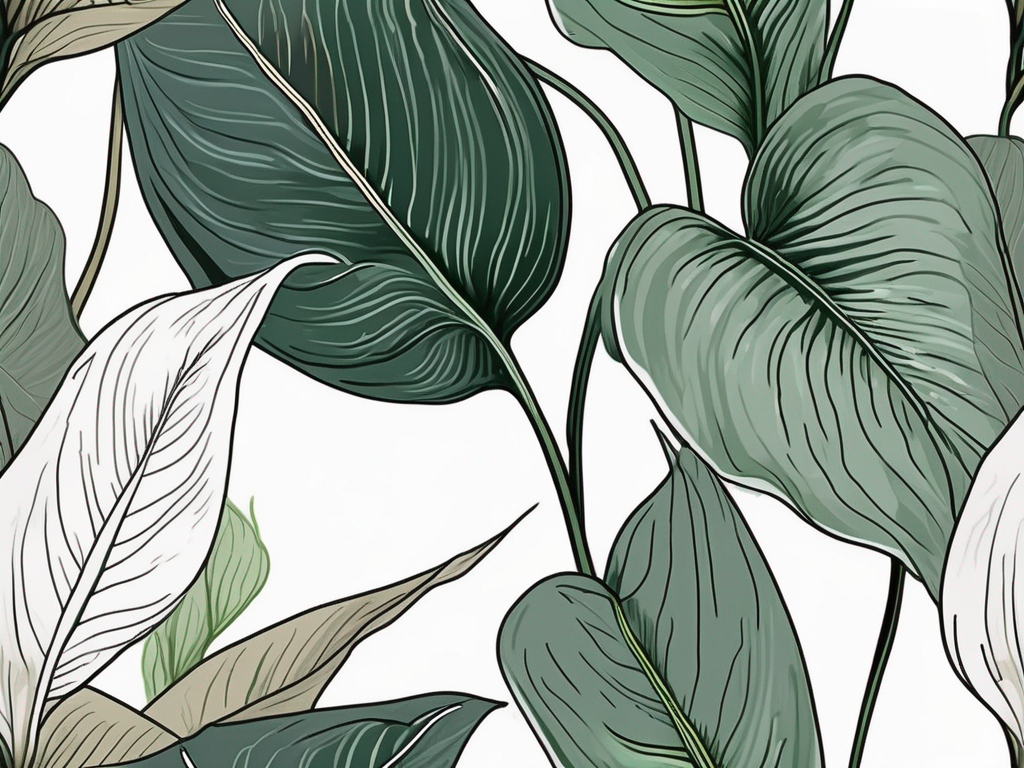
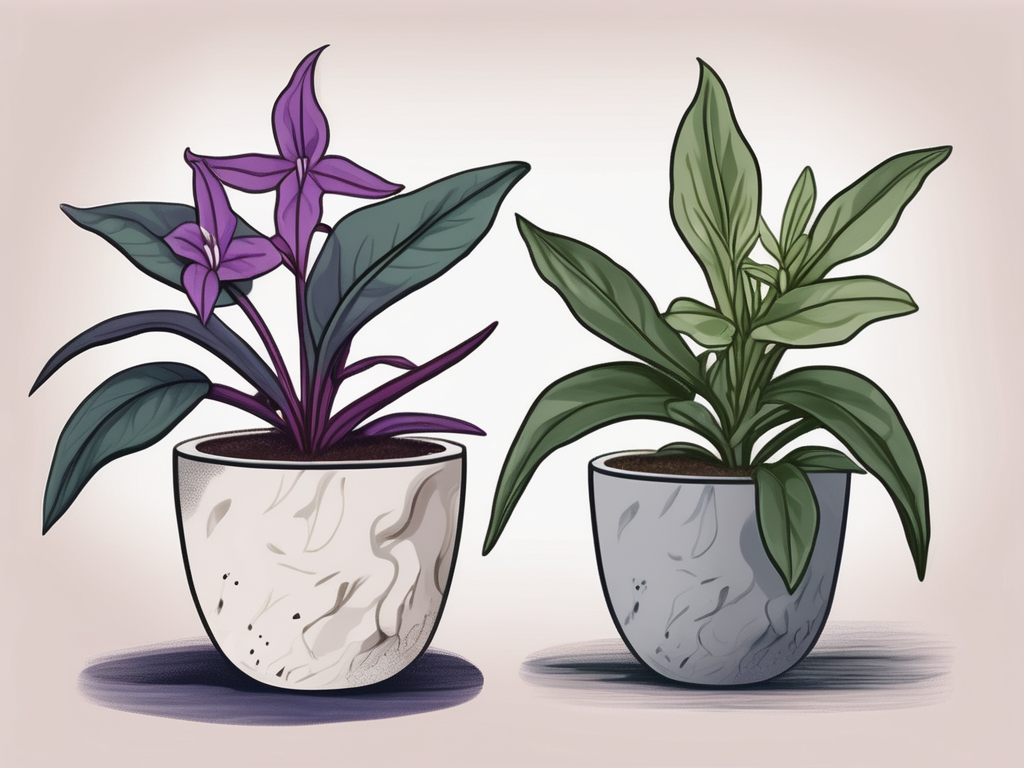
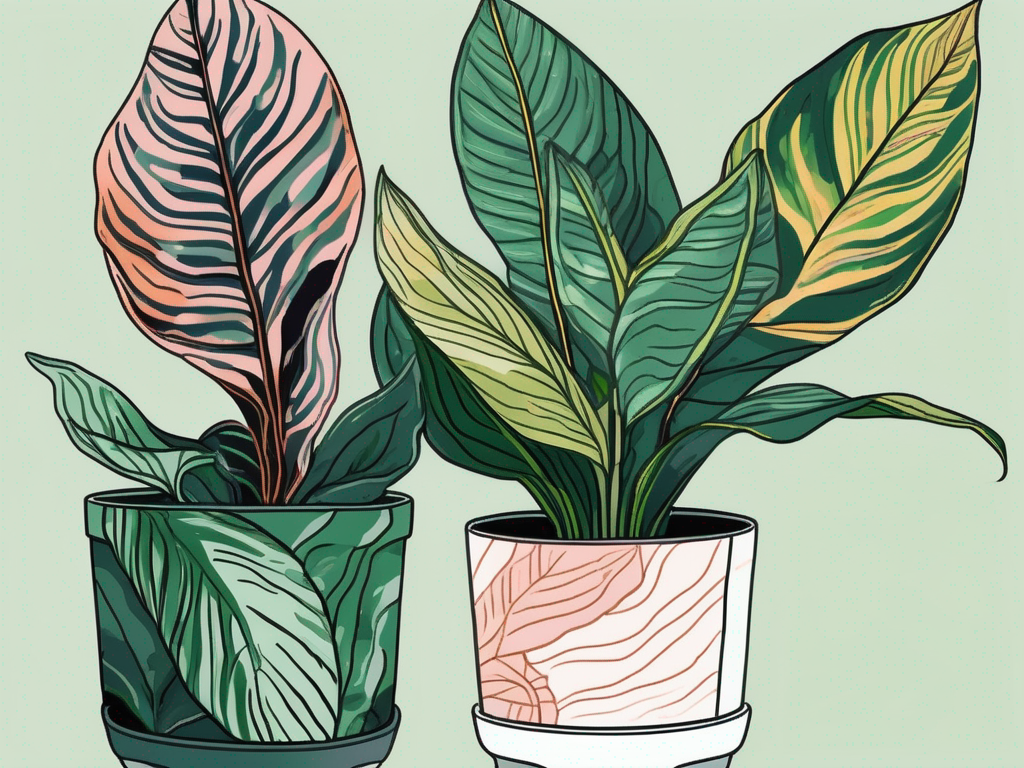
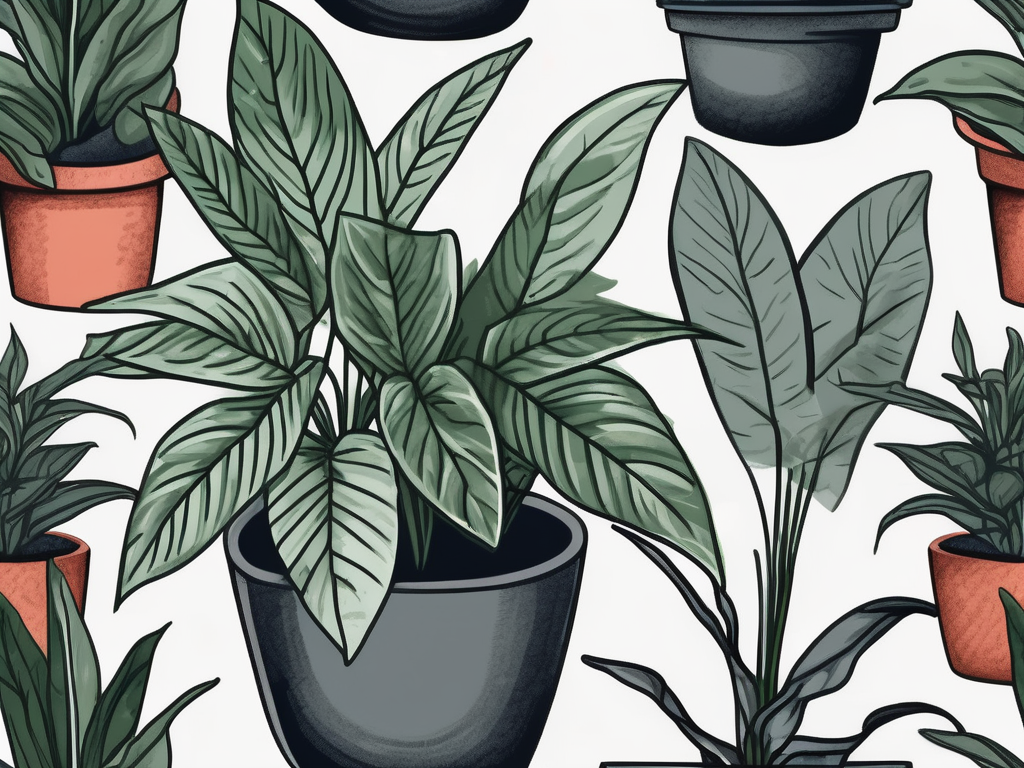
When it comes to looks, Dieffenbachia and Dracaena each bring their own unique charm to the table. Let's start with the Dieffenbachia, commonly known as the "dumb cane." This plant is famous for its lush, large leaves that display a striking pattern of green and cream. The leaves are often broad, with a slightly glossy finish, making them an eye-catching addition to any room.
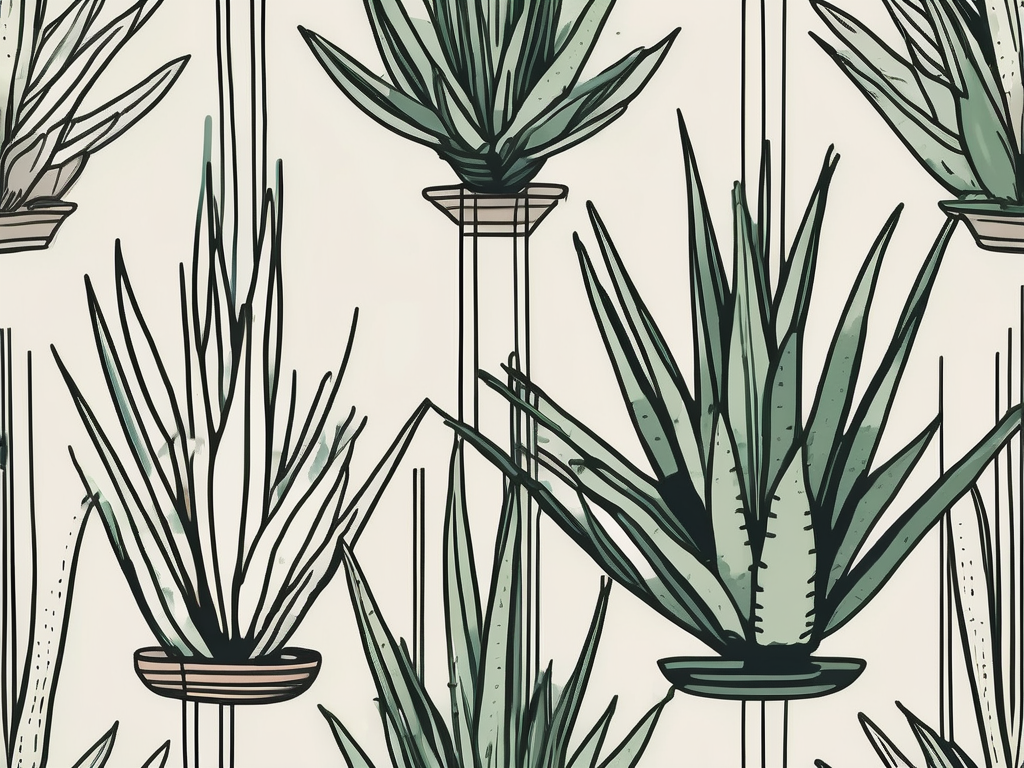
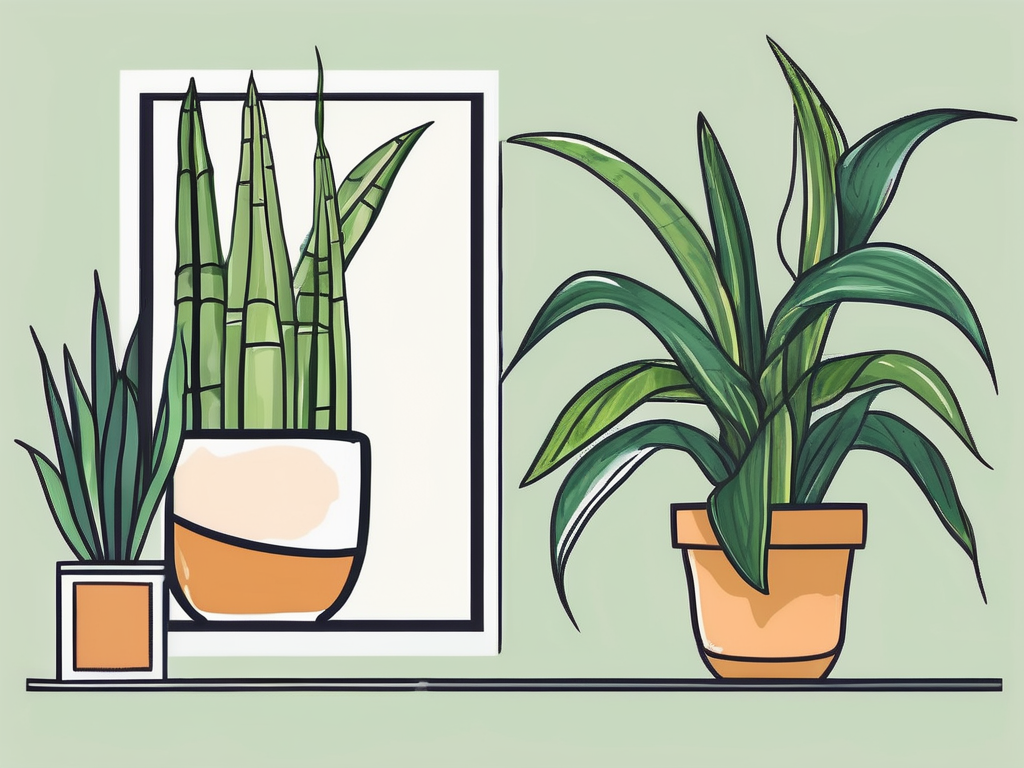
On the other hand, Dracaena offers a more varied appearance. There are several types of Dracaena plants, each with its own distinct look. For instance, the Dracaena marginata, or "Dragon Tree," has long, thin leaves that resemble a palm, while the Dracaena fragrans, also known as "Corn Plant," features broader, arching leaves. The color palette of Dracaena can range from deep green to variegated with yellow or white stripes, adding a touch of elegance and diversity to its visual appeal.
In terms of size, both plants can grow quite tall, but Dracaena tends to reach greater heights, often making it a better choice for filling vertical space in a room. Dieffenbachia, while still capable of growing tall, usually remains bushier, which can be beneficial for those looking to add volume to their plant collection without taking up too much floor space.
Care Requirements: What Each Plant Needs
Next up, let's talk care. Dieffenbachia and Dracaena have different needs, so it's important to understand what each plant requires to thrive. Dieffenbachia is known for being relatively low-maintenance, which is music to the ears of busy plant parents. It prefers bright, indirect light but can tolerate lower light conditions, making it a versatile choice for various spots in your home.
Watering Dieffenbachia is straightforward. Allow the top inch of soil to dry out before watering again, and ensure that the pot has good drainage to prevent root rot. Dieffenbachia also appreciates a bit of humidity, so a bathroom or kitchen might be ideal, or you can mist it occasionally.
Now, let's turn our attention to Dracaena. Known for its hardiness, Dracaena is a great choice for those who might not have the greenest thumb. It also prefers bright, indirect light but can adapt to lower light levels. However, keep it out of direct sunlight, as this can scorch the leaves.
When it comes to watering, Dracaena is quite forgiving. It likes to dry out a bit between waterings, so wait until the top two inches of soil are dry before giving it another drink. Dracaena is also sensitive to fluoride, which can cause leaf tip burn, so using distilled or rainwater is a good idea if your tap water is fluoridated.
Soil and Potting: Setting the Foundation
Both Dieffenbachia and Dracaena have specific needs when it comes to soil and potting, which are crucial for their health and growth. For Dieffenbachia, a well-draining potting mix is essential. A mix designed for tropical plants or a standard houseplant blend with added perlite or sand can help improve drainage.
When potting Dieffenbachia, choose a container with drainage holes to prevent water from pooling at the bottom. This plant can be somewhat top-heavy, so a sturdy pot can provide the necessary support and stability.
Dracaena, while also requiring well-draining soil, is a bit more forgiving in terms of potting mix. A standard houseplant soil will usually suffice, but adding perlite or pumice can enhance drainage. Like Dieffenbachia, Dracaena should be planted in a pot with drainage holes to prevent root rot.
Both plants benefit from being repotted every couple of years, or when roots begin to outgrow their current container. When repotting, choose a pot that's one size larger than the current one to allow for continued growth without overwhelming the plant.
Pests and Problems: What to Watch For
Even the most well-cared-for plants can encounter pests and problems, and Dieffenbachia and Dracaena are no exception. One common issue for both plants is root rot, often caused by overwatering. Ensuring proper drainage and allowing the soil to dry out between waterings can help prevent this problem.
Dieffenbachia is prone to pests like spider mites, aphids, and mealybugs. Regularly inspecting the leaves and stems for signs of infestation, such as webbing or sticky residue, can help catch these pests early. If you spot any, removing them with a soft cloth or spraying the plant with a mixture of water and mild soap can often do the trick.
Dracaena, on the other hand, can experience leaf tip burn, often caused by fluoride in tap water or too much direct sunlight. Switching to distilled water and moving the plant to a shadier spot can help alleviate this issue. Dracaena can also fall prey to pests like scale and mealybugs. As with Dieffenbachia, regular checks and gentle cleaning can keep these pests at bay.
Interior Design: Adding Greenery to Your Space
When it comes to incorporating plants into your interior design, both Dieffenbachia and Dracaena offer unique opportunities to enhance your space. Dieffenbachia, with its bold and bushy foliage, can act as a statement piece. Its vibrant leaves bring a pop of color and texture, making it ideal for brightening up a dull corner or adding interest to a minimalist setting.
Dracaena, with its tall, slender form, is perfect for creating a sense of height and drama. Placing it in a decorative pot can turn it into a focal point, especially in rooms with high ceilings or large windows. Dracaena's varied leaf patterns also allow it to blend seamlessly with different décor styles, whether modern, bohemian, or traditional.
Both plants are excellent for purifying the air, adding not only beauty but also a breath of fresh air to your home. Whether you're aiming for a jungle vibe or a sleek, modern look, Dieffenbachia and Dracaena can play key roles in achieving your desired aesthetic.
Propagation: Growing Your Plant Family
If you're looking to expand your plant collection without breaking the bank, propagation is a rewarding way to do so. Dieffenbachia can be propagated through stem cuttings. Simply cut a healthy stem below a node, let it dry for a couple of hours, then place it in water or directly into soil. Roots should start forming within a few weeks, and you'll have a new plant to enjoy or share with friends.
Dracaena can also be propagated using stem cuttings. Take a cutting with a few leaves attached, and place it in water or moist soil. Keep the cutting in a warm, bright spot, and watch as new roots develop. With patience and care, you can create a thriving collection of Dracaena plants to decorate your home or gift to fellow plant lovers.
Choosing the Right Plant for You
Deciding between Dieffenbachia and Dracaena ultimately depends on your personal preference, lifestyle, and the specific conditions of your home. If you're looking for a plant with bold, bushy foliage and you have the right lighting and humidity conditions, Dieffenbachia might be your best bet. Its low maintenance and vibrant appearance make it an excellent choice for those who want a touch of greenery without too much fuss.
On the other hand, if you prefer a tall, slender plant that can adapt to various environments, Dracaena could be the plant for you. Its hardy nature and diverse appearance make it a versatile addition to any space, perfect for those who appreciate a plant that can roll with the punches.
Conclusion: Final Thoughts
Both Dieffenbachia and Dracaena are fantastic choices for plant lovers looking to add greenery to their home. By considering their unique characteristics and care needs, you can select the plant that's best suited to your environment and lifestyle.
At Cafe Planta, we're here to help you on your plant journey, offering a variety of houseplants and accessories to meet your needs. Whether you're an experienced plant parent or just starting out, feel free to reach out to us via email or Instagram. Let's create a thriving plant collection together!