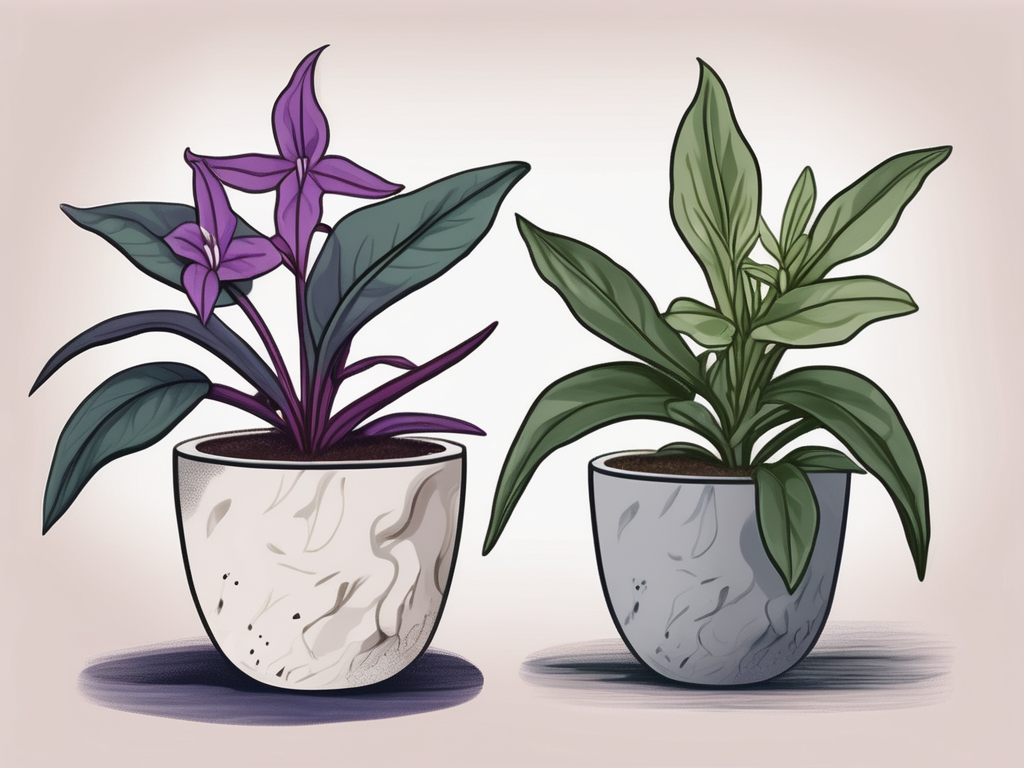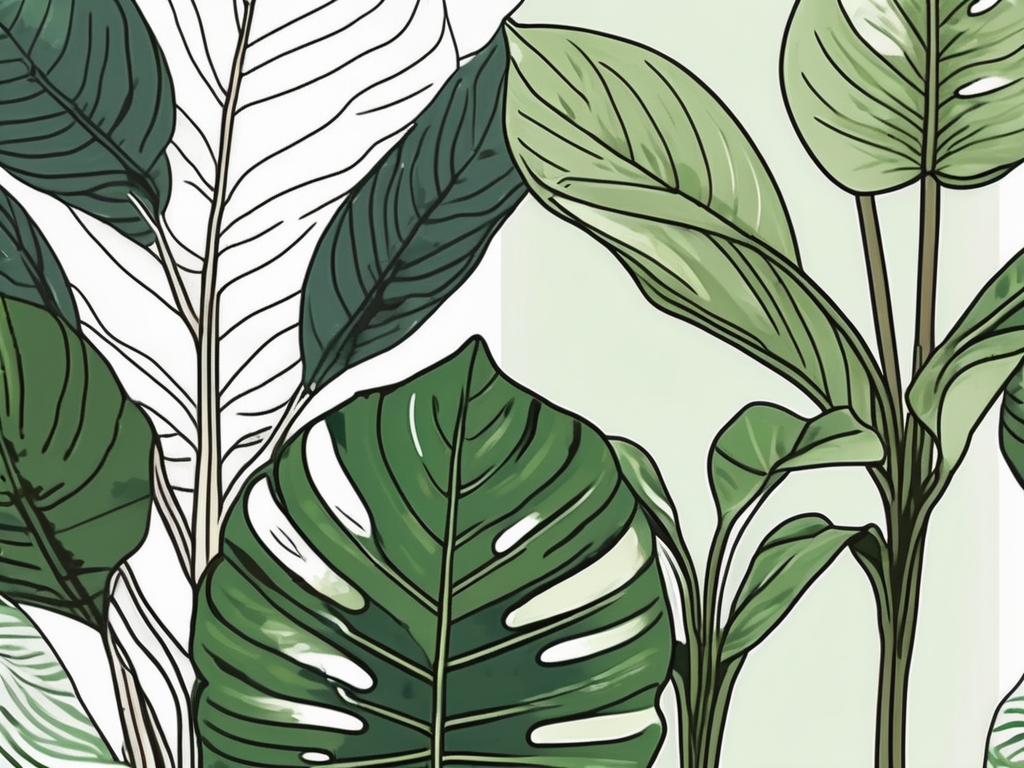
Houseplants have a unique way of transforming our living spaces into vibrant, calming sanctuaries. Two popular choices among plant lovers are Dieffenbachia and Philodendron. They both bring a touch of greenery and elegance indoors, but how do they really differ? If you've ever pondered this question, you're in the right place.
This article will help you understand the differences between Dieffenbachia and Philodendron. We'll cover everything from appearance and care requirements to their roles in interior design. By the end, you'll have a clear picture of what each plant offers and which might be the perfect fit for your home.
Appearance: Spotting the Differences
The first thing you notice about any plant is its appearance. Both Dieffenbachia and Philodendron boast beautiful leaves, but they each have their own unique charm.
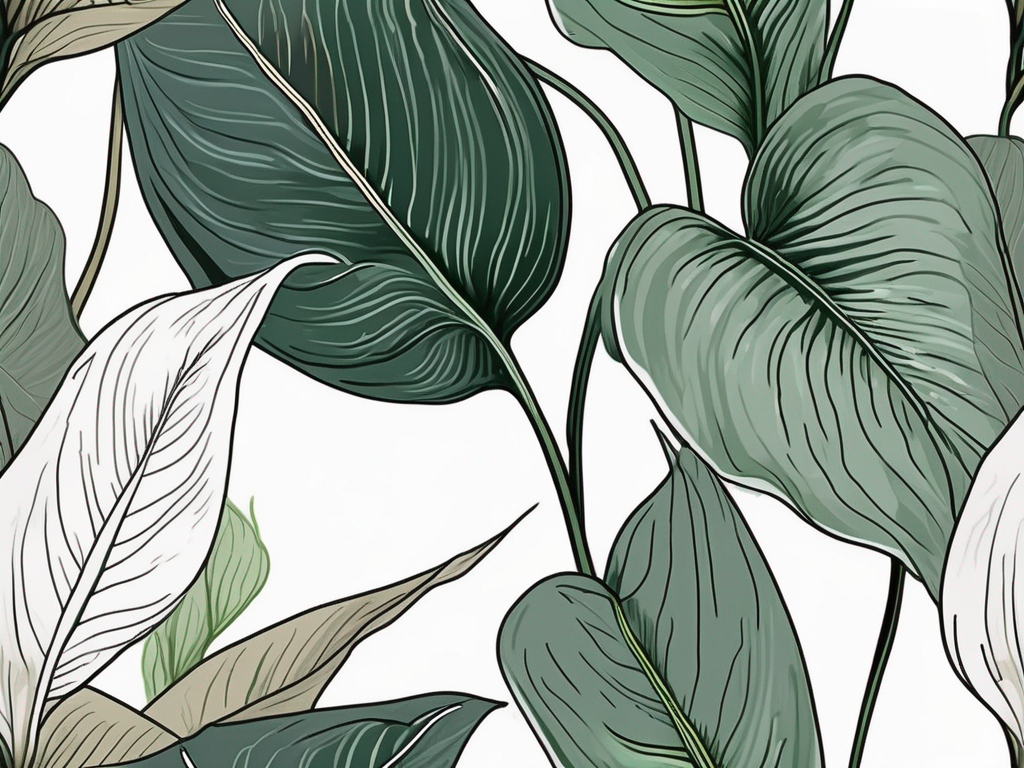
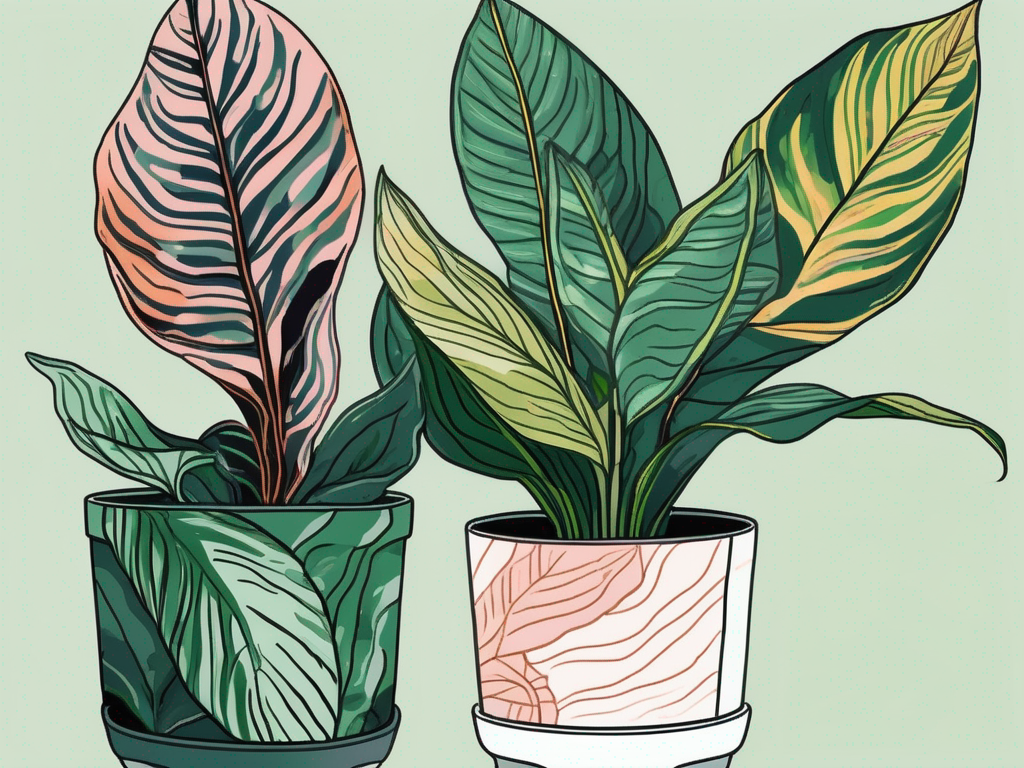
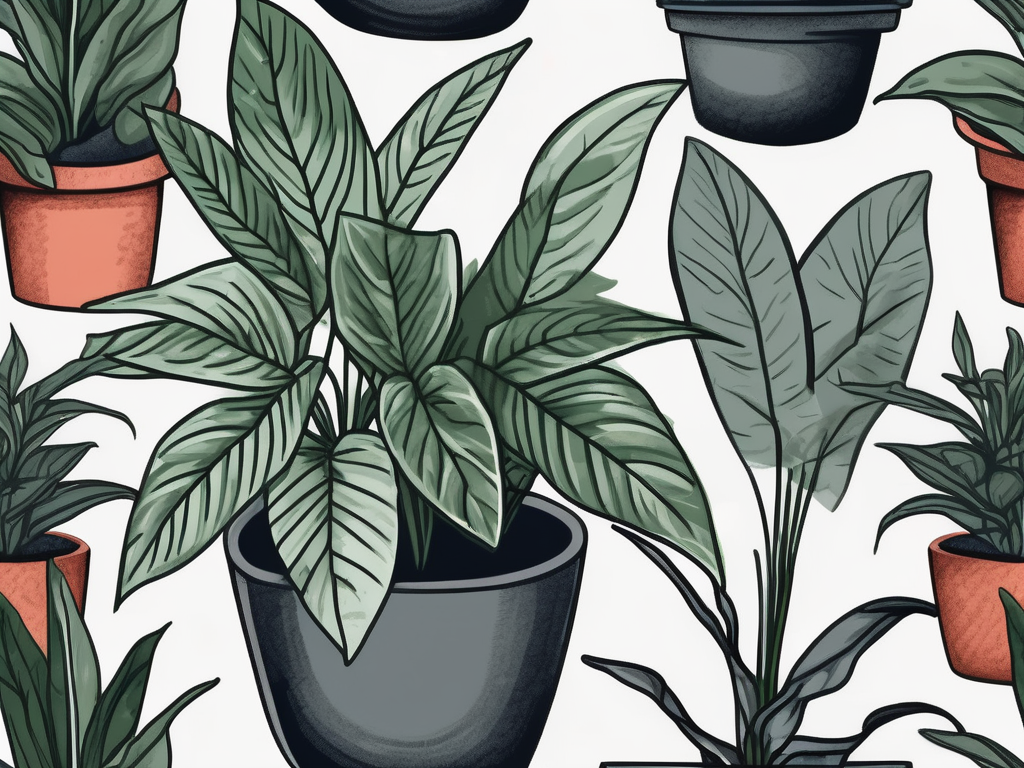
Dieffenbachia: Also known as "Dumb Cane," this plant has striking leaves that are often variegated with a mix of green, yellow, and white. The leaves are large, broad, and oval-shaped, making them a statement piece in any room. The plant typically grows upright, creating a vase-like shape that can reach up to five feet indoors under the right conditions.
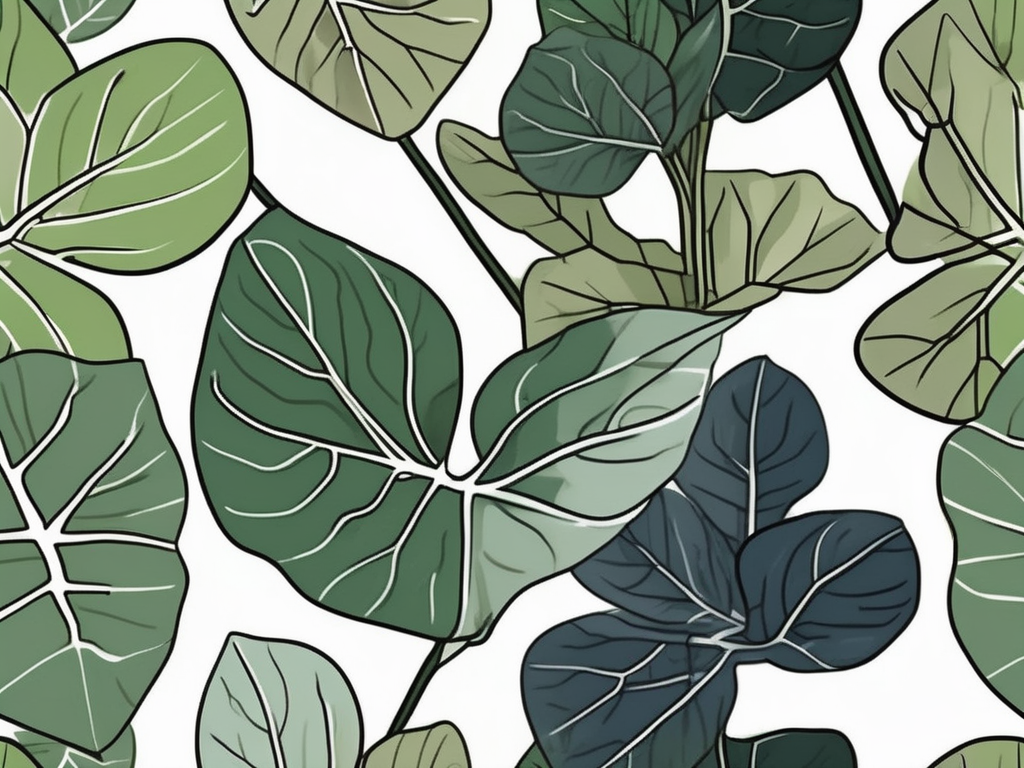
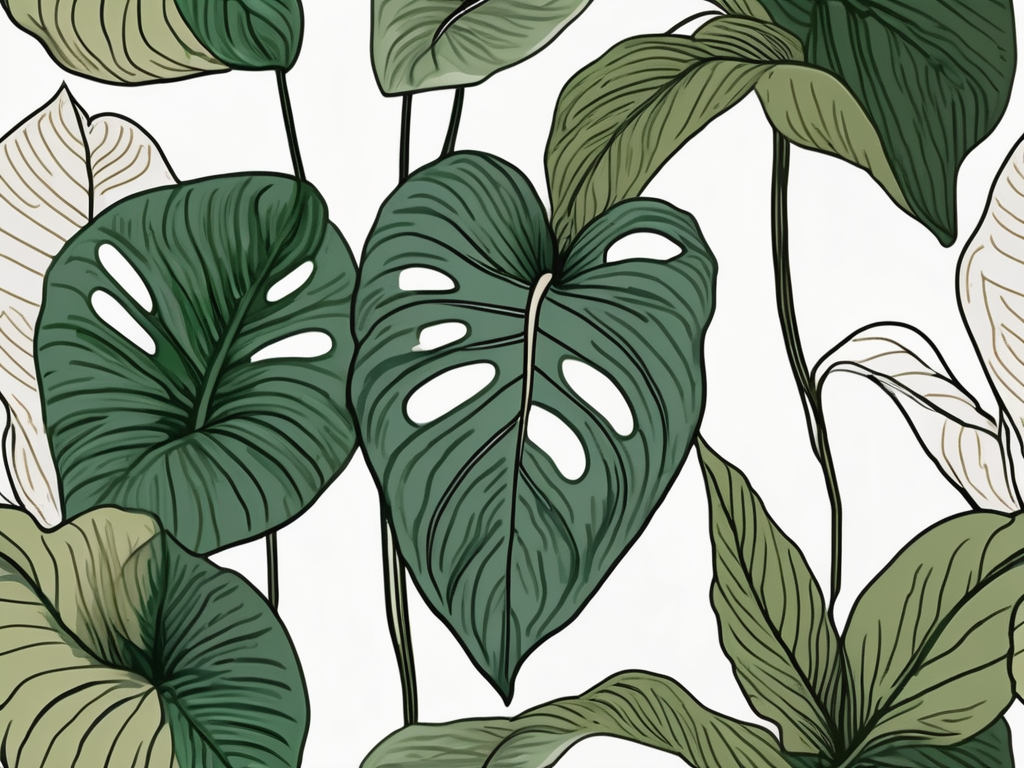
Philodendron: This plant comes in many varieties, each with its own leaf shape and color. Some have heart-shaped leaves, while others are more elongated. Philodendrons can be trailing or climbing, making them versatile for various design needs. The leaves are usually solid green, but some varieties, like the Philodendron Brasil, have stunning yellow and green variegation.
While both plants can add beauty to your home, your choice may depend on whether you prefer the bold, upright look of Dieffenbachia or the more versatile, often trailing habit of Philodendron.
Care Requirements: What Each Plant Needs
Understanding the care requirements of Dieffenbachia and Philodendron is key to keeping these beauties thriving. Fortunately, neither is particularly fussy, but there are some differences worth noting.
Dieffenbachia:
- Light: Prefers bright, indirect light but can tolerate low light conditions. Direct sunlight can scorch the leaves.
- Water: Keep the soil consistently moist but not soggy. Allow the top inch of soil to dry out between waterings.
- Humidity: This plant loves humidity, so it's perfect for bathrooms or kitchens. Misting or using a humidifier can help in drier climates.
- Temperature: Thrives in temperatures between 60-75°F (15-24°C). Avoid cold drafts.
Philodendron:
- Light: Tolerates a range of lighting conditions, but prefers bright, indirect light. Too much sun can bleach the leaves.
- Water: Likes to dry out a bit between waterings. Overwatering can lead to root rot.
- Humidity: Appreciates humidity but can adapt to average household levels. Misting occasionally is beneficial.
- Temperature: Does well in temperatures ranging from 65-80°F (18-27°C). Keep away from cold drafts.
While both plants have similar needs, Dieffenbachia is a bit more demanding when it comes to humidity, whereas Philodendron is more forgiving with watering.
Toxicity: Safety Considerations
It's important to know about the toxicity of houseplants, especially if you have pets or children at home. Both Dieffenbachia and Philodendron contain toxins that can be harmful if ingested, but their levels of toxicity differ.
Dieffenbachia: The name "Dumb Cane" comes from the plant's ability to cause temporary speechlessness if its sap is ingested. It contains calcium oxalate crystals, which can cause irritation and swelling in the mouth and throat. Keep this plant out of reach of curious pets and children.
Philodendron: This plant also contains calcium oxalate crystals, but the effects are usually milder than those of Dieffenbachia. Ingestion can still cause irritation and discomfort, so it's best to keep it away from pets and young kids.
While both plants should be handled with care, Dieffenbachia is generally considered more toxic, so it might not be the best choice for homes with pets or small children.
Growth Habits: How They Develop Over Time
Understanding how each plant grows can help you decide which fits best in your space.
Dieffenbachia: This plant grows upright and can become quite tall, reaching several feet in height. Over time, the lower leaves may drop, revealing a cane-like stem. Regular pruning can help maintain a bushier appearance if desired.
Philodendron: With its climbing or trailing habit, this plant offers great flexibility. Climbing varieties can be trained on a moss pole or trellis, while trailing types look beautiful cascading from a shelf or hanging basket. Philodendrons grow relatively fast, making them ideal for filling empty spaces quickly.
Choosing between the structured growth of Dieffenbachia and the versatile habit of Philodendron depends on your personal preference and the space you have available.
Potting and Soil Preferences
Both Dieffenbachia and Philodendron have specific soil needs that contribute to their health and growth.
Dieffenbachia: Prefers a well-draining potting mix rich in organic matter. A mix designed for tropical plants or a standard potting mix with added perlite or coarse sand works well. Ensure the pot has drainage holes to prevent waterlogging, which can lead to root rot.
Philodendron: Thrives in a similar well-draining mix. A peat-based mix with good aeration is ideal. You can add perlite or orchid bark to improve drainage. Like Dieffenbachia, Philodendrons need a pot with drainage holes to keep their roots healthy.
Both plants have similar soil and potting needs, which makes them relatively easy to care for if you have a few tropical plants already.
Dealing with Pests and Diseases
No plant care guide would be complete without addressing potential pests and diseases. Both Dieffenbachia and Philodendron are susceptible to common houseplant pests, but with a bit of vigilance, you can keep them healthy.
Dieffenbachia: Watch out for spider mites, aphids, and mealybugs. Regularly inspect the leaves and stems. If you notice any pests, a gentle wipe with a soapy water solution or insecticidal soap can help. Avoid overwatering to prevent root rot and fungal issues.
Philodendron: This plant can also attract pests like spider mites, aphids, and scale. Regularly check under leaves and along stems. Treat pest infestations with a similar soapy water solution or neem oil. Ensure proper airflow to prevent fungal infections.
Keeping a close eye on your plants and maintaining proper care routines can significantly reduce the risk of pests and diseases for both of these plant varieties.
Interior Design: Incorporating Them into Your Space
Both Dieffenbachia and Philodendron offer great opportunities for enhancing your interior design with greenery.
Dieffenbachia: With its bold, upright stance, this plant makes a fantastic focal point in corners or as a standalone piece in an entryway. Its variegated leaves add a splash of color and interest, making it a great choice for brightening up darker rooms.
Philodendron: The versatility of this plant makes it a designer's dream. Climbing varieties are perfect for adding vertical interest, while trailing types soften edges and create a lush, layered look. Mix and match different Philodendron varieties for a rich, textured effect.
Whether you're looking to make a bold statement with Dieffenbachia or create a lush, layered look with Philodendrons, both plants can be integrated beautifully into your home's design.
Choosing the Right Plant for Your Home
Ultimately, the choice between Dieffenbachia and Philodendron comes down to your personal style, the space you have, and your plant care preferences.
Consider Dieffenbachia if you:
- Prefer a bold, upright plant with striking variegated leaves.
- Have a humid environment or plan to use a humidifier.
- Can keep the plant out of reach of pets and children due to its higher toxicity.
Consider Philodendron if you:
- Want a versatile plant that can climb or trail.
- Have a variety of lighting conditions in your home.
- Are looking for a plant with lower toxicity levels.
Both plants are rewarding additions to any plant collection, offering unique benefits and beauty.
Final Thoughts
We've explored the differences between Dieffenbachia and Philodendron, from their appearance and care needs to their roles in interior design. Whether you're drawn to the striking, upright nature of Dieffenbachia or the versatile, trailing beauty of Philodendron, both plants can bring life and color to your home.
At Cafe Planta, we love helping people find the perfect plants for their spaces. If you have any questions about plant care or want to explore our selection, feel free to email us or send a message on Instagram. We're here to connect, inspire, and bring the joy of plants into your life.