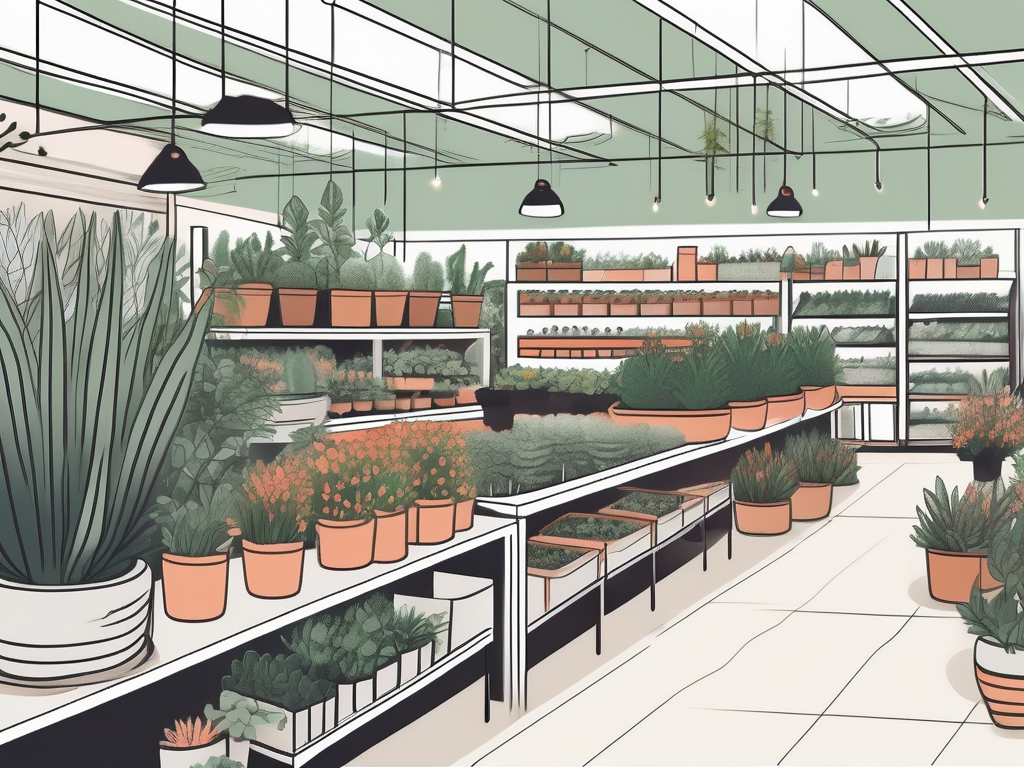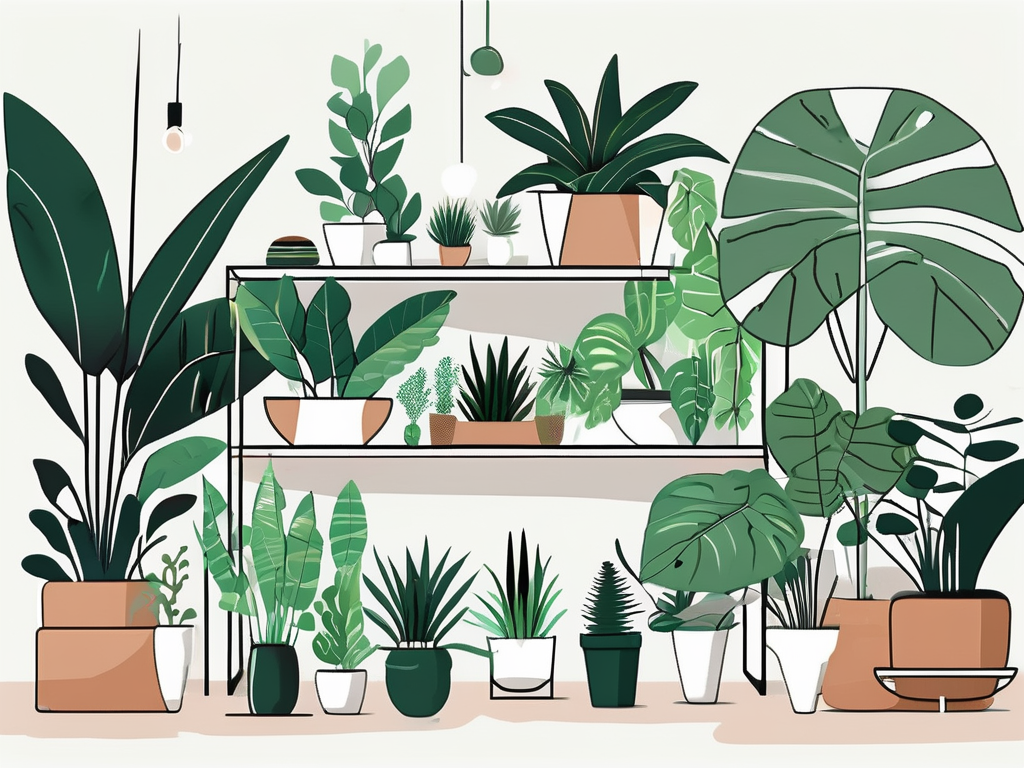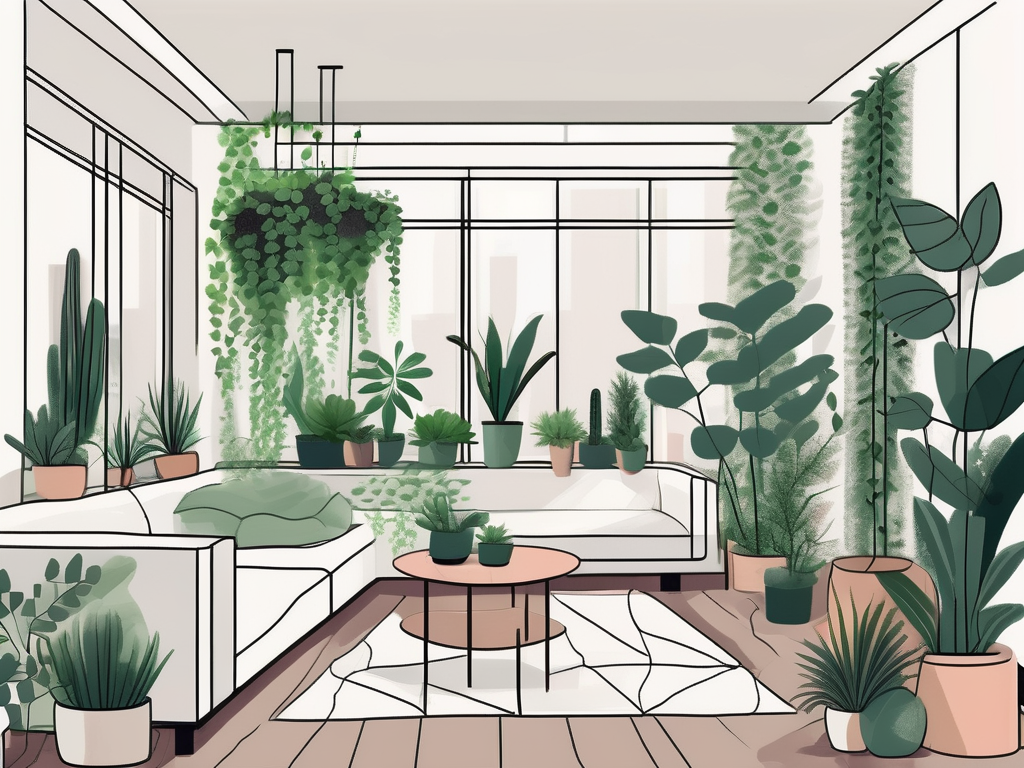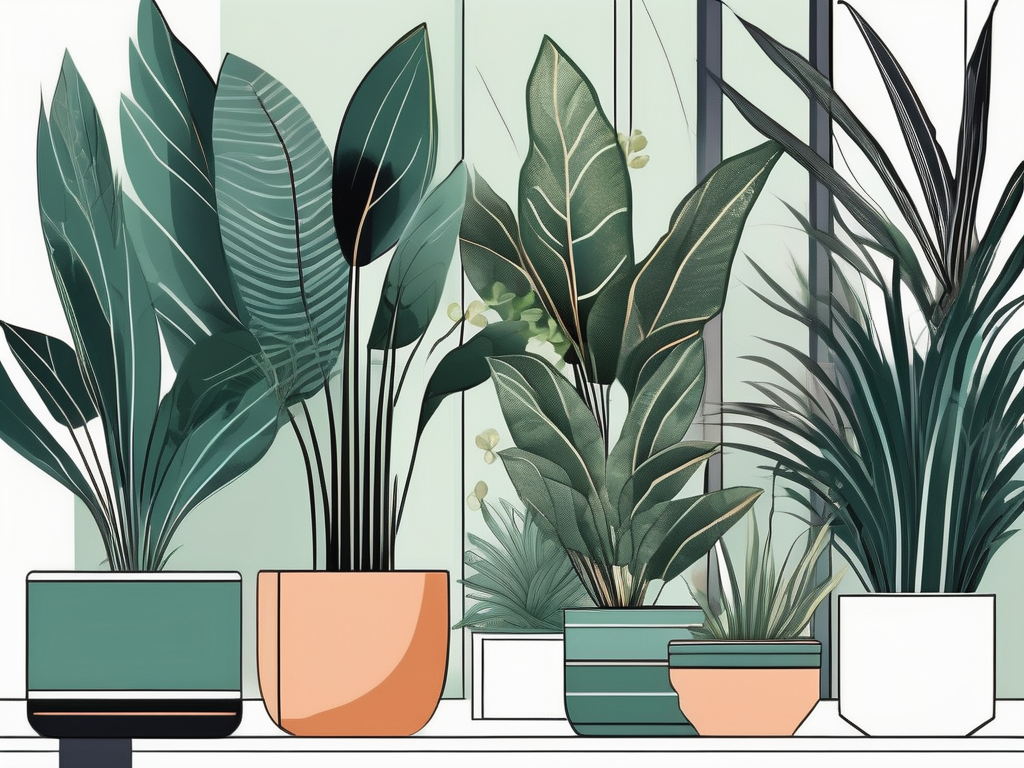
Have you ever walked into a room and felt an immediate sense of calm and beauty, all thanks to the presence of exotic houseplants? These botanical wonders don't just add a splash of greenery; they bring an air of sophistication and tranquility to any space. From the intricate patterns on their leaves to their unique growth habits, exotic houseplants are a delightful way to breathe life into your home.
In this article, we'll journey through the fascinating world of these captivating plants. We'll explore various types of exotic houseplants, how to care for them, deal with pesky pests, and create stunning indoor gardens. Whether you're a seasoned plant parent or a curious beginner, you'll find plenty of tips and inspiration to grow your green thumb.
Why Choose Exotic Houseplants?
So, why should you consider adding exotic houseplants to your indoor garden? Well, for starters, they offer a unique aesthetic that can transform any space into a lush oasis. These plants often feature striking foliage, unusual shapes, and vibrant colors that aren't as common in more traditional houseplants.
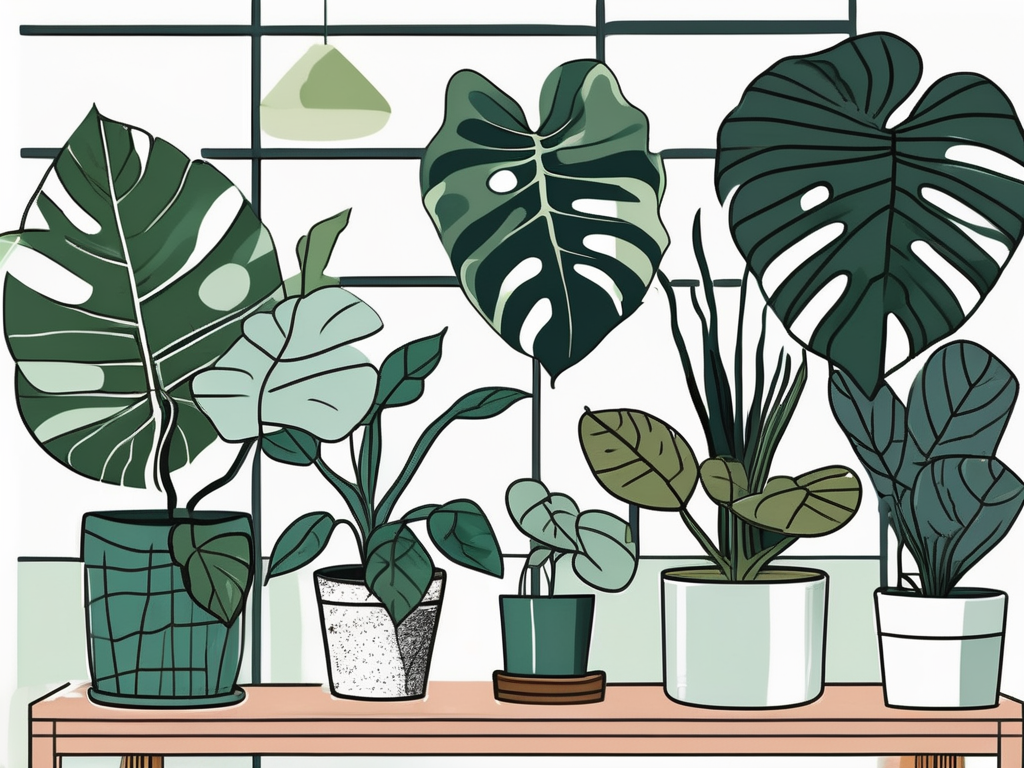
Beyond their beauty, exotic houseplants can serve as conversation starters. Imagine having friends over and watching their eyes widen at the sight of a rare Monstera Albo or a delicate Calathea Orbifolia. Plus, these plants can be a great way to express your personality and style. Whether you prefer the dramatic flair of a Bird of Paradise or the subtle elegance of a Fiddle Leaf Fig, there's an exotic houseplant out there that's perfect for you.
Additionally, caring for exotic plants can be a rewarding experience. You'll develop a deeper understanding of plant care, from mastering humidity levels to perfecting your watering routine. This knowledge not only benefits your exotic collection but also improves your overall gardening skills.
Selecting the Perfect Exotic Plant for Your Home
Choosing the right exotic houseplant for your home involves more than just picking the prettiest one. There are several factors to consider to ensure your new plant thrives. First, think about the lighting conditions in your home. While some exotic plants, like the Snake Plant, are quite forgiving and can tolerate low light, others, such as the Bird of Paradise, require bright, indirect sunlight to flourish.
Next, consider your lifestyle and how much time you can dedicate to plant care. Some exotic plants, like the ZZ Plant, are quite low-maintenance and can survive with minimal attention. On the other hand, plants like the Maidenhair Fern require consistent watering and humidity, making them better suited for those who can commit to a regular care routine.
Don't forget to think about the space you have available. Some exotic plants, like the Monstera Deliciosa, can grow quite large and need ample room to spread their leaves. If you're working with a smaller space, consider compact options like the Peperomia or the Pilea Peperomioides.
- Lighting: Assess the natural light in your home and match it with a plant's needs.
- Maintenance: Choose a plant that fits your care capabilities.
- Space: Ensure you have enough room for your chosen plant to thrive.
Potting and Soil Care
Once you've chosen your exotic plant, it's time to get it settled into its new home: the pot. Selecting the right pot is crucial for plant health. Opt for pots with drainage holes to prevent water from pooling at the bottom, which can lead to root rot. If you're in love with a decorative pot without drainage, consider using it as a cachepot, placing a smaller pot with drainage inside.
The type of soil you use is equally important. Most exotic houseplants prefer well-draining soil. You can create your own mix by combining potting soil with perlite or orchid bark to improve aeration and drainage. Some plants, like cacti and succulents, need even more specialized soil, so be sure to research your plant's specific needs.
Repotting is another aspect of potting care. As your plant grows, it may outgrow its pot, requiring a size upgrade. Typically, you'll notice it's time to repot when roots start emerging from the drainage holes or the plant becomes top-heavy. When repotting, choose a pot that's only slightly larger than the current one to avoid overwhelming your plant with too much soil.
- Pot selection: Choose pots with drainage holes, and use cachepots for decor.
- Soil mix: Create a well-draining mix with potting soil, perlite, or orchid bark.
- Repotting: Watch for signs like visible roots to know when it's time to repot.
Watering and Humidity Tips
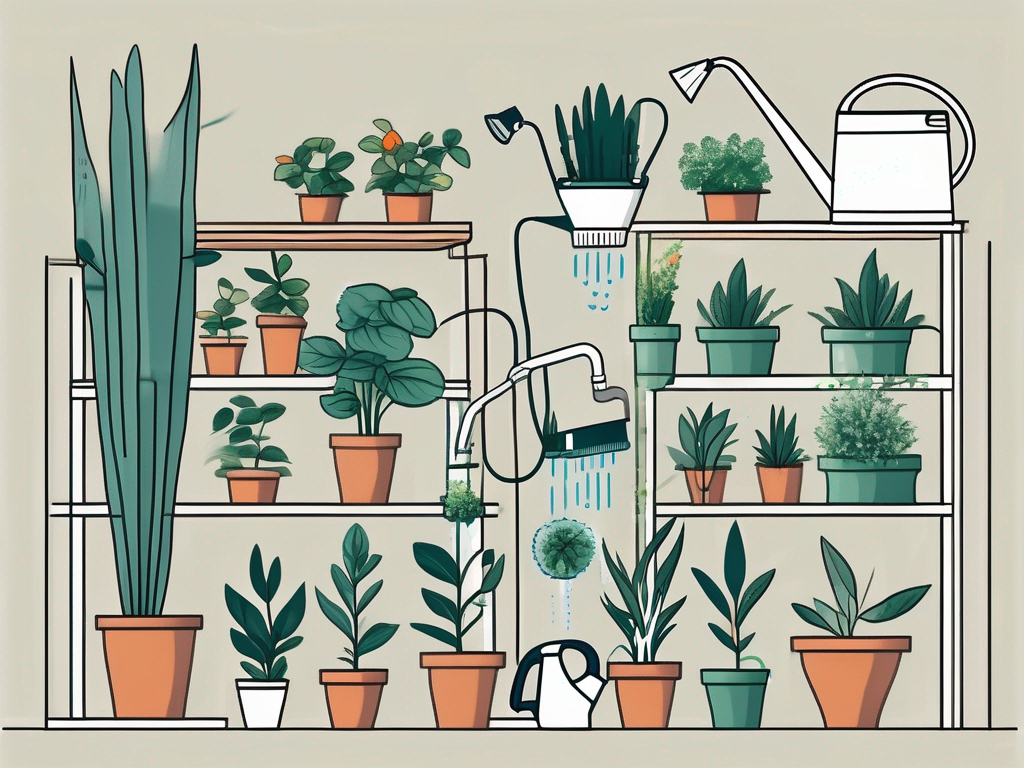
Watering is often where many of us trip up, but don't worry—it's easy once you get the hang of it. Most exotic houseplants prefer their soil to dry out slightly between waterings. A good rule of thumb is to check the top inch of soil with your finger; if it feels dry, it's time to water.
Overwatering is more common than underwatering, so when in doubt, hold off on watering for a day or two. Make sure to water your plants thoroughly, allowing excess water to drain out of the pot. This prevents salt and mineral buildup, which can harm your plant over time.
Humidity can also play a big role in the health of exotic plants. Many of them originate from tropical climates where humidity levels are high. If your home is on the drier side, consider using a humidifier to create a more suitable environment. Alternatively, you can place a tray of water near your plants or group them together to increase humidity levels naturally.
- Watering: Let the top inch of soil dry out before watering.
- Humidity: Use a humidifier or water tray to maintain humidity levels.
- Drainage: Ensure all excess water drains away to prevent root rot.
Fending Off Pests and Fungal Issues
Exotic houseplants, like any other plant, can fall victim to pests and diseases. Common pests include spider mites, aphids, and mealybugs. These tiny invaders can wreak havoc if not addressed promptly. The first step in pest control is early detection, so make it a habit to inspect your plants regularly.
If you spot pests, there are several methods to combat them. A gentle spray of water can dislodge many bugs, while a solution of water and mild soap can help eliminate more stubborn infestations. Neem oil is another natural remedy that's effective against a variety of pests. Just be sure to test any treatment on a small part of the plant first to ensure it doesn't cause damage.
Fungal issues, like powdery mildew or root rot, can also arise. Good air circulation and proper watering practices are your best defenses against these problems. If you notice mold or mildew, try increasing airflow around your plants and cutting back on watering. In cases of root rot, you may need to trim away affected roots and repot the plant in fresh soil.
- Regular Checks: Inspect plants regularly for signs of pests.
- Natural Remedies: Use water sprays, soap solutions, or neem oil for pest control.
- Airflow: Ensure good circulation to prevent fungal issues.
Creating a Beautiful Plant-Filled Space
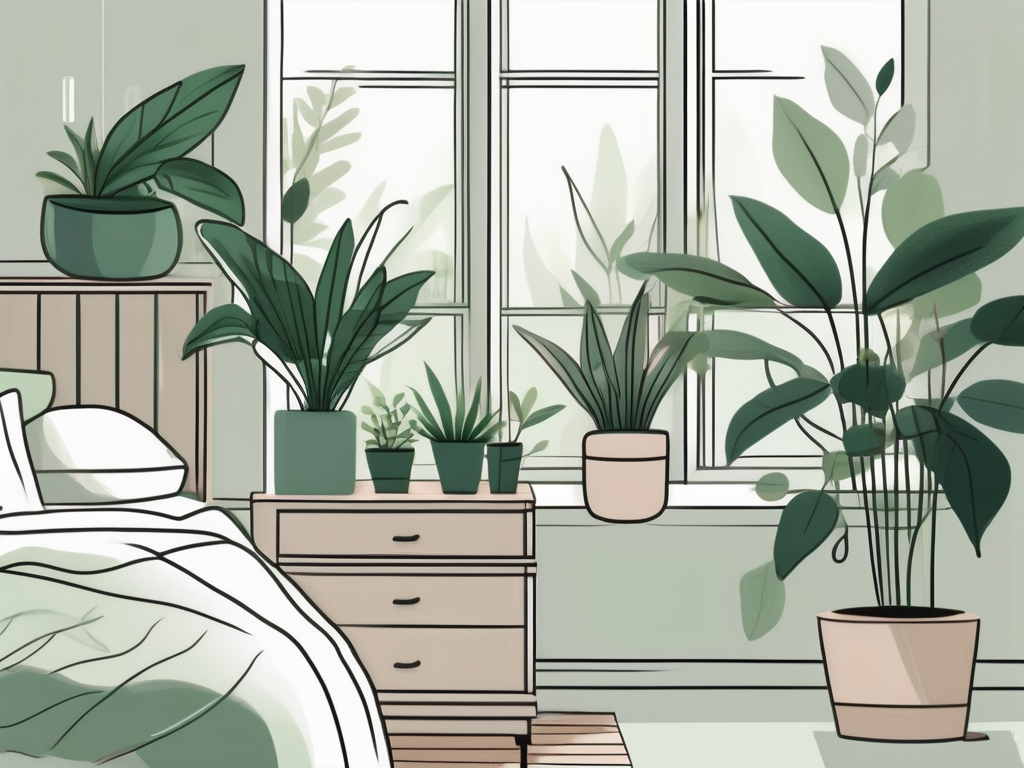
Designing a plant-filled space isn't just about plopping a few pots here and there; it's about creating a cohesive, inviting area that enhances your home's overall vibe. Start by considering the aesthetic you want to achieve. Do you prefer a jungle-like atmosphere, or are you aiming for a more minimalist look?
Once you have a vision in mind, think about how you can use your plants to complement your existing decor. Large statement plants, like the Bird of Paradise or Monstera, can serve as focal points in a room. Smaller plants, such as succulents or air plants, can be used to fill in gaps or add interest to shelves and tables.
Don't be afraid to get creative with plant displays. Hanging planters, plant stands, and wall-mounted shelves are all great ways to showcase your collection. You can also play with different pot styles and colors to add an extra layer of design.
- Aesthetic: Decide on the look you want to achieve.
- Focal Points: Use large plants as statement pieces.
- Display: Get creative with hanging planters and shelves.
Lighting Tricks for Indoor Plant Success
Lighting can make or break your indoor garden. While some plants are forgiving when it comes to lighting, others are not so lenient. Understanding your plants' lighting needs is crucial for their well-being.
Natural light is ideal, but not every home has the perfect window placement. If your space lacks bright, indirect sunlight, consider supplementing with grow lights. These lights can mimic natural sunlight and provide the rays your plants need to thrive.
Another trick is to rotate your plants regularly. This ensures all sides get equal exposure to light, promoting even growth. If you're unsure about your lighting situation, a light meter can be a handy tool to measure the amount of light in different areas of your home.
- Natural Light: Use windows to provide the best light.
- Grow Lights: Supplement with artificial lighting if needed.
- Rotation: Rotate plants for even light exposure.
Propagating Your Exotic Plants
Propagation is a fun and rewarding way to expand your plant collection without spending a dime. Many exotic houseplants can be propagated through cuttings, division, or by using leaf cuttings. It’s like creating a mini nursery in your home!
For stem cuttings, simply snip a healthy section of the plant, remove the lower leaves, and place it in water or soil to root. Plants like pothos or philodendrons are ideal candidates for this method. Division is another technique, particularly useful for plants like the Peace Lily or Snake Plant. Simply separate the plant into smaller sections, ensuring each has roots, and pot them separately.
Leaf cuttings work well for plants like succulents. Gently remove a leaf and let it dry out for a few days before placing it on top of the soil. With a bit of patience, you'll soon see new growth emerging.
- Stem Cuttings: Use healthy stems for water or soil rooting.
- Division: Separate plants like Peace Lilies to create new plants.
- Leaf Cuttings: Ideal for succulent propagation.
Seasonal Care for Exotic Houseplants
Just like us, plants experience changes with the seasons, and their care needs can shift accordingly. During the growing season, which typically spans spring and summer, your plants will likely need more water and nutrients. It's a good time to introduce a gentle fertilizer to support their growth.
As the days shorten in fall and winter, many plants enter a period of dormancy. During this time, reduce watering and hold off on fertilizing. It's also a good idea to move your plants closer to windows to maximize light exposure, as sunshine can be scarce during these months.
Keep in mind that temperature fluctuations can also affect your plants. Try to maintain a consistent environment, avoiding drafts and sudden temperature changes. If you're using artificial heating, consider adding a humidifier to counteract the drying effects.
- Growing Season: Increase water and nutrients during spring and summer.
- Dormancy: Reduce care during fall and winter.
- Temperature: Maintain a stable environment.
Final Thoughts
Exotic houseplants are a wonderful way to add beauty and interest to your home. From choosing the right plant to mastering care techniques, each step brings you closer to creating a thriving indoor oasis. Remember, every plant parent makes mistakes, and learning from them is part of the fun.
At Cafe Planta, we're passionate about helping you grow your indoor garden. Whether you're looking for a new plant to add to your collection or seeking advice on plant care, we're here to support you. Feel free to reach out to us via email or on Instagram. Let's bring the joy of plants into every home!