Houseplants are making a big comeback, and it’s easy to see why. They bring a splash of green indoors, improve air quality, and even boost your mood. With so many unique and fascinating varieties out there, it can be a joy to explore and find the perfect plants to brighten up your home.
This article will take you on a journey through some of the most unique houseplants available, offering helpful tips on selection, care, and styling. Whether you're a seasoned plant parent or just getting started, you'll find inspiration and practical advice to help you create your own indoor jungle.
The Allure of Uncommon Houseplants
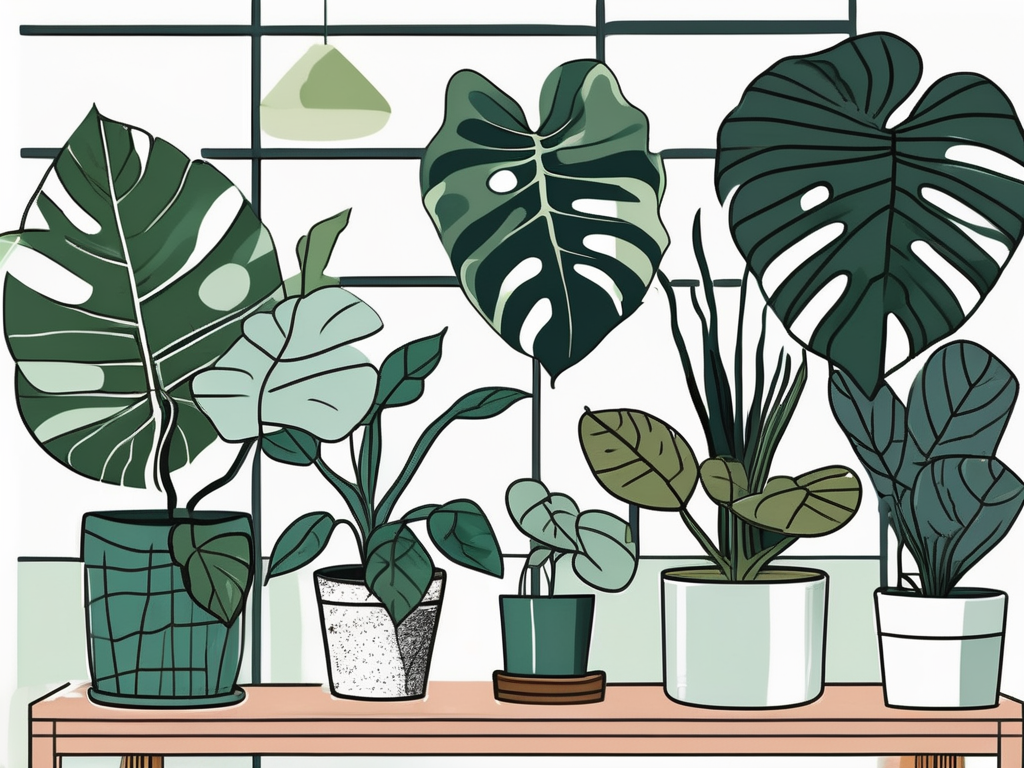
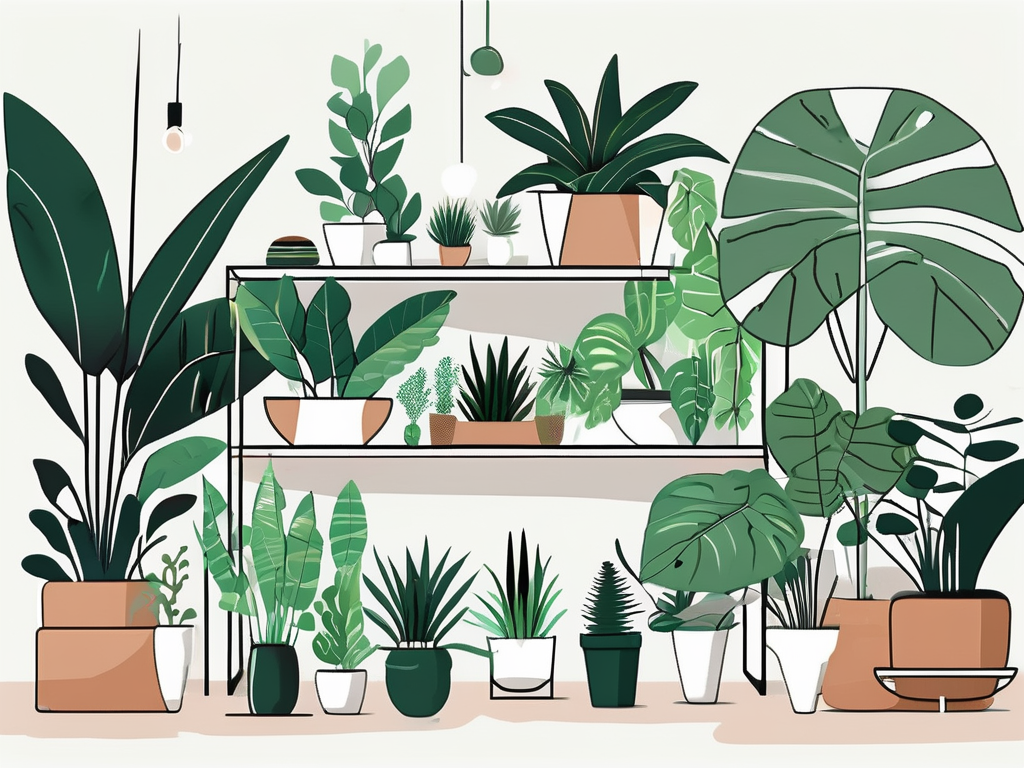
When it comes to houseplants, most people immediately think of the common favorites like pothos, snake plants, or peace lilies. While these plants are lovely, there’s a whole world of unique specimens that can add an extra layer of interest and intrigue to your space. Imagine your guests walking into your living room and being greeted by the sight of a stunning Monstera Albo or the curious-looking Lithops, often called living stones. These plants are conversation starters and can make your home truly stand out.
Why go for the unusual? Apart from their aesthetic appeal, unique houseplants often offer a sense of accomplishment. Caring for something a little out of the ordinary can be both challenging and rewarding. Not to mention, these plants often have fascinating histories and origins that add to their charm. For instance, the Mimosa Pudica, also known as the sensitive plant, is native to South America and is known for its leaves that fold up when touched.
If you’re looking to add a touch of the unexpected to your home, consider exploring plants like the Air Plant (Tillandsia), which doesn’t need soil to grow, or the quirky-looking Trachyandra, with its curly, tentacle-like leaves. Each of these plants brings a unique character that can transform any room.
Selecting the Right Unique Houseplant for Your Space
Choosing the right houseplant can be a bit like picking the perfect piece of art. You want something that resonates with you, complements your space, and fits your lifestyle. Here are some factors to consider when selecting a unique houseplant:
- Light Conditions: Understand the lighting situation in your home. Some plants, like succulents and cacti, thrive in bright, direct sunlight, while others, like the Calathea, prefer low-light conditions.
- Space: Consider the size of the plant. Large plants like Fiddle Leaf Figs can make a statement but require ample space, whereas smaller plants like the String of Pearls can fit into tighter spots.
- Care Requirements: Be honest about the amount of time and effort you can dedicate to plant care. Some exotic plants can be quite demanding, while others are more forgiving.
- Pet Safety: If you have pets, ensure the plants you choose are non-toxic to them. Plants like the Spider Plant are safe, while others like the Dumb Cane can be harmful if ingested.
Once you’ve considered these factors, you’re ready to make a decision that will not only beautify your home but also suit your lifestyle. Remember, the right plant should feel like a natural extension of your home, not an obligation.
Potting and Soil Care for Unusual Houseplants
You've picked your plant, now what? It's time to think about potting and soil. Unlike your standard houseplants, unique species might have specific needs when it comes to their growing medium. For instance, carnivorous plants like the Venus Flytrap require a nutrient-poor soil mix, while orchids need a looser medium that mimics their natural habitat, such as bark or moss.
When potting your plant, consider the following tips:
- Drainage is Key: Ensure your pot has drainage holes to prevent waterlogging, which can be fatal for most plants. If your pot doesn't have holes, consider adding a layer of stones at the bottom to help with drainage.
- Correct Soil Mix: Use the appropriate soil mix for your plant. For instance, succulents prefer a sandy soil mix, while ferns thrive in peat-based potting soil.
- Repotting: Watch for signs that your plant needs repotting, such as roots growing out of the drainage holes or the plant becoming top-heavy. Repotting gives your plant room to grow and refreshes the soil nutrients.
Proper potting and soil care can make a world of difference in the health and longevity of your unique houseplants. It might take a little extra effort, but the results are well worth it.
Dealing with Pests and Fungal Issues
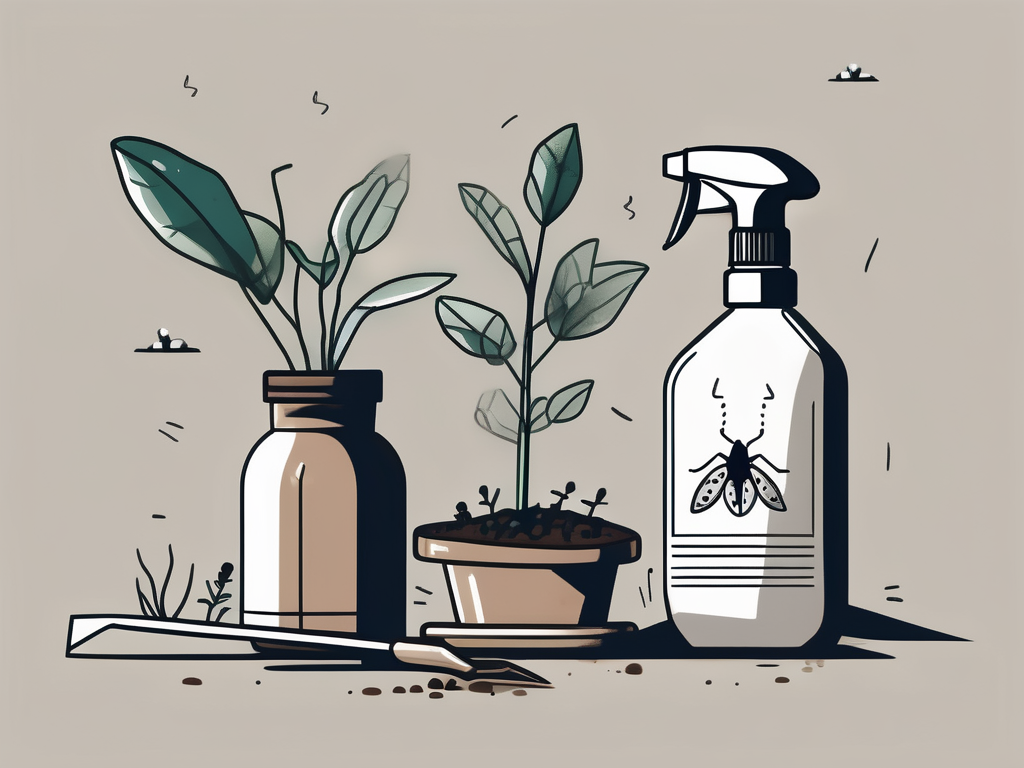
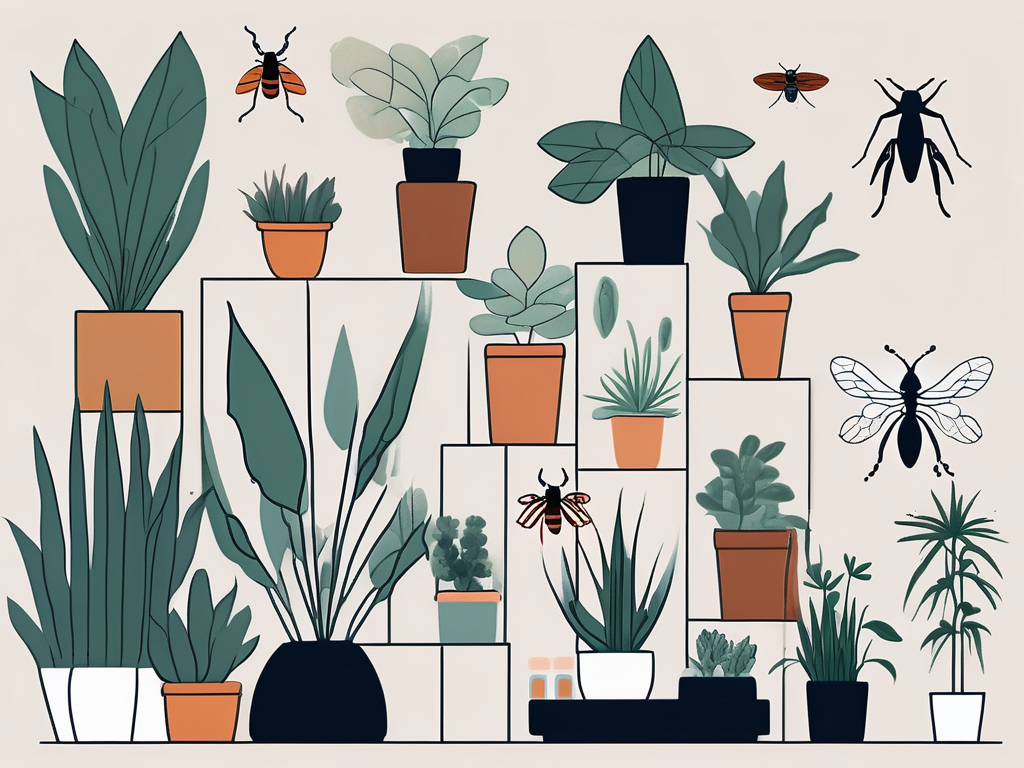
Even the most unique houseplants aren’t immune to pests and diseases. While it can be frustrating to see your plant under attack, there are effective ways to combat these issues without resorting to harsh chemicals.
Here are some common pests and how to handle them:
- Spider Mites: These tiny pests can cause leaves to become speckled and yellow. A simple solution is to increase humidity around the plant, as spider mites thrive in dry conditions. Regularly misting the plant or using a humidifier can help.
- Fungus Gnats: These pesky insects are more of an annoyance than a threat. They thrive in moist soil, so allow the top inch of soil to dry out between waterings. You can also use sticky traps to catch adult gnats.
- Mealybugs: These pests leave a white, cotton-like residue on plants. Remove them by dabbing with a cotton swab dipped in alcohol. Consistently check for new infestations.
Fungal issues often arise from overwatering or poor air circulation. Ensuring your plants have good airflow and are not sitting in waterlogged soil will help prevent these problems. Fungicides can be used for stubborn cases, but always opt for natural remedies first, like neem oil or cinnamon powder, which can be sprinkled on the soil to inhibit fungal growth.
Designing Beautiful, Plant-Filled Spaces
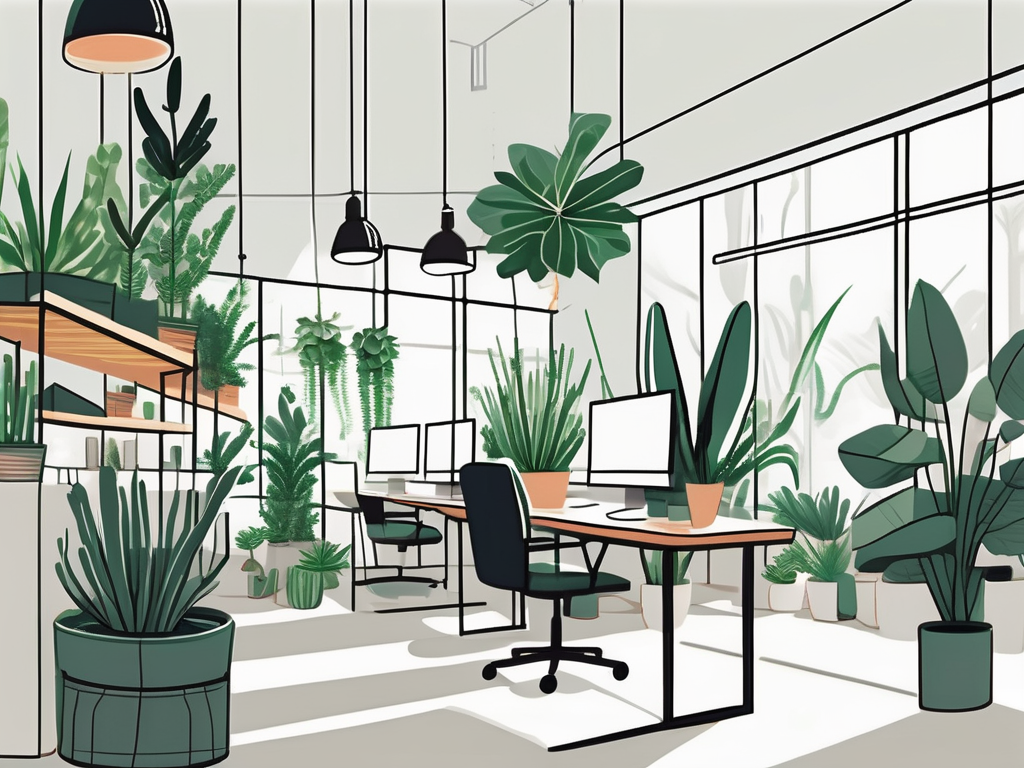
Now that you've got a collection of unique houseplants, how do you display them to best effect? Here are some design tips to create a stunning plant-filled space.
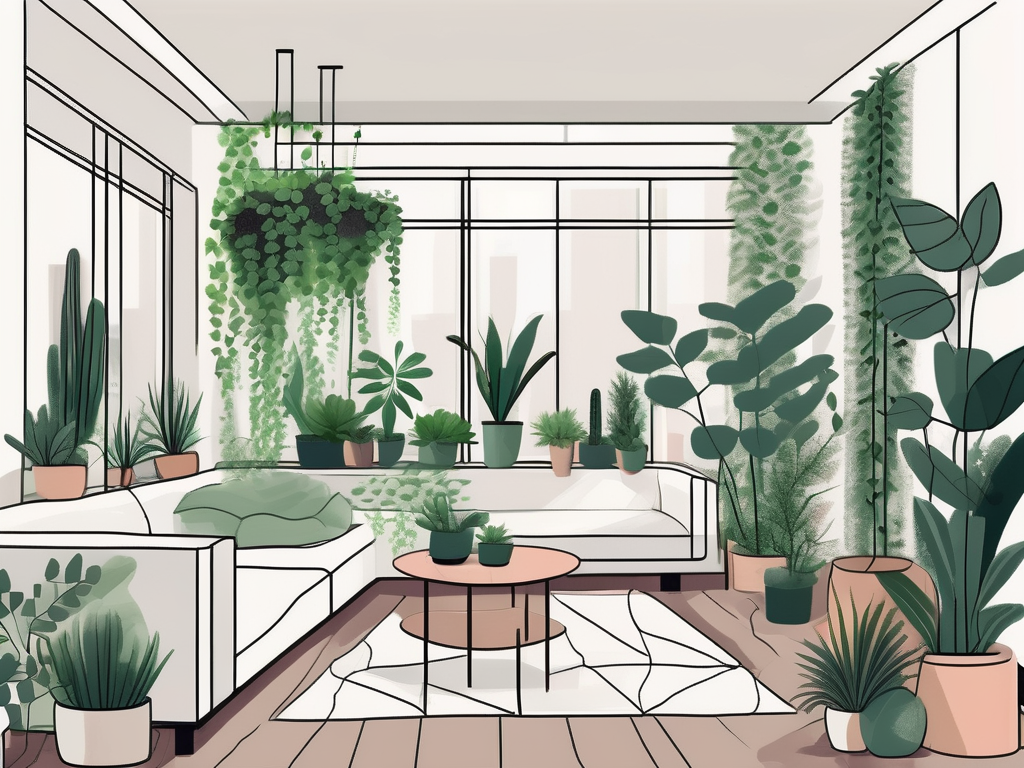
First, consider your plant's needs and match them with the right spot. A sun-loving plant will thrive on a windowsill, while a shade-preferring plant might be happier in a bathroom or hallway. Once you've found the right spots, think about the arrangement. Grouping plants together can create a lush, cohesive look, and mixing different heights, textures, and colors can add depth and interest.
Here are some styling ideas:
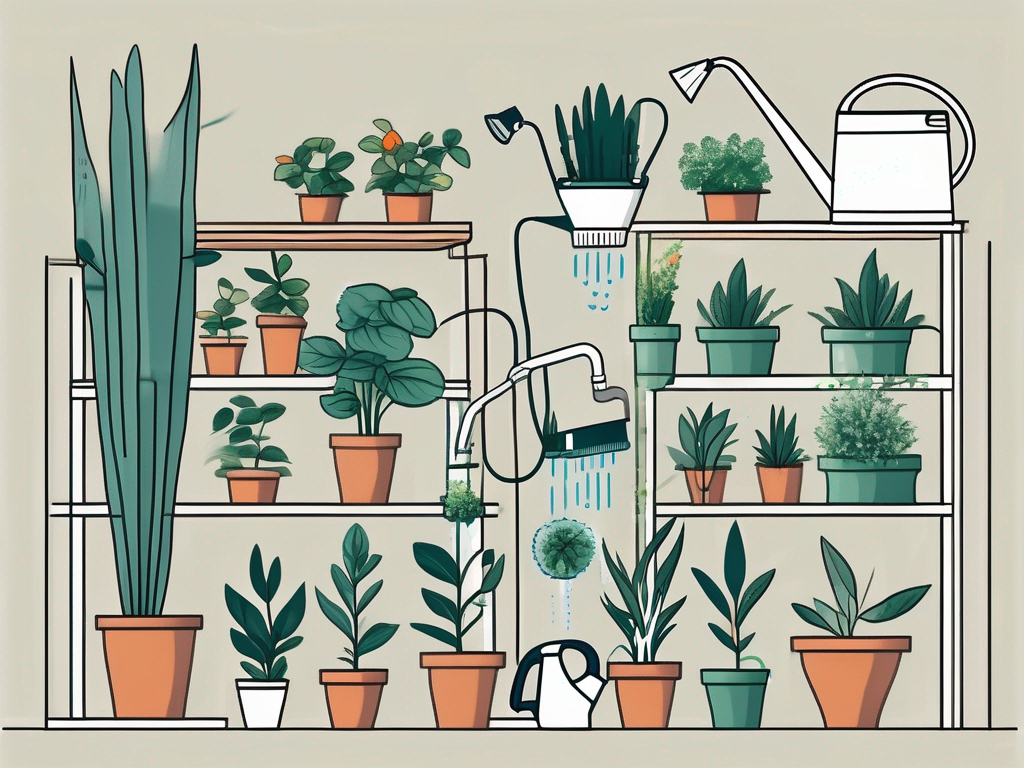
- Use Plant Stands: Elevate your plants to create layers and visual interest. Plant stands are perfect for adding height and making a statement.
- Hanging Planters: Utilize vertical space by hanging plants from the ceiling. This is especially effective for trailing plants like the String of Hearts.
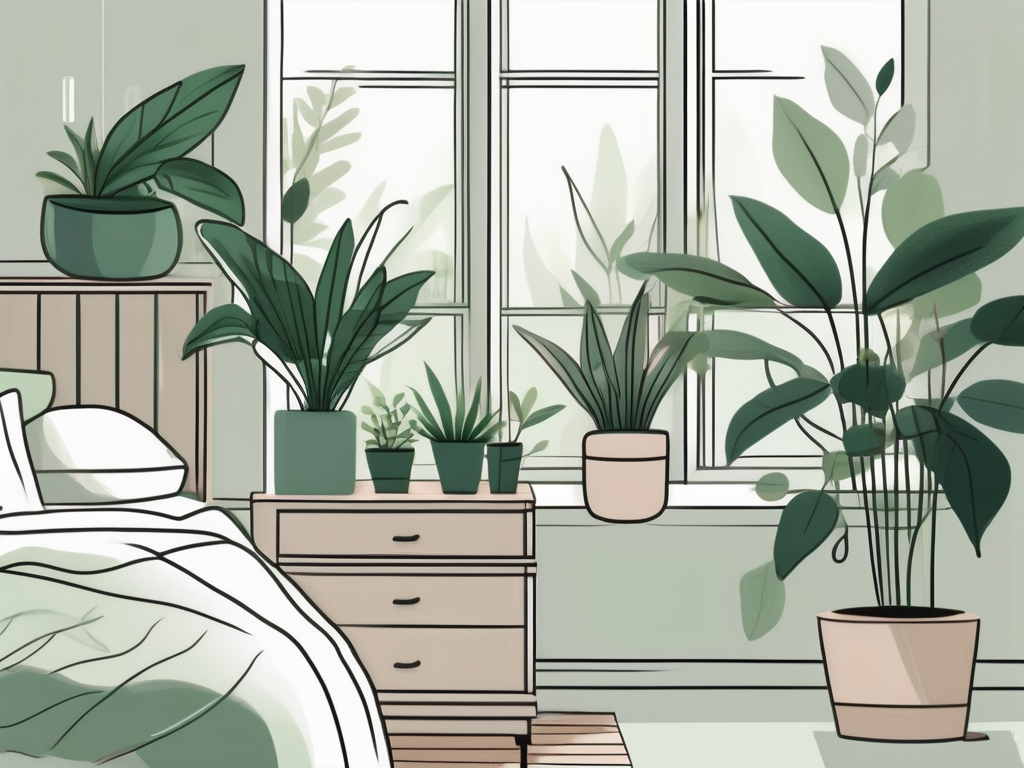
- Window Sills: Create a green oasis by lining your windowsills with small pots. This is not only aesthetically pleasing but also optimizes your plant's access to sunlight.
Remember, your home should reflect your personal style, so don't be afraid to experiment and find what works best for you. Plants are versatile and can adapt to various displays, so have fun with it!
Caring for Your Unique Houseplants
Every plant has its quirks, and unique houseplants are no exception. Understanding the specific needs of your plants is crucial for their health and growth. While each plant is different, here are some general care tips that apply to most:
- Watering: Know your plant's water needs. Some, like succulents, prefer to dry out completely between waterings, while others, like ferns, enjoy consistently moist soil.
- Lighting: Place your plant in the right light. If you notice your plant leaning towards the light, it might need more sun. Conversely, if the leaves are scorched, it could be getting too much.
- Humidity: Many tropical plants thrive in high humidity. If your home is dry, consider misting regularly or using a pebble tray to increase moisture in the air.
- Fertilizing: Feed your plants during the growing season (spring and summer) to encourage growth. Use a balanced, water-soluble fertilizer, but avoid over-fertilizing, as this can harm your plant.
By tuning into your plant's needs and adjusting your care routine as necessary, you'll set your unique houseplants up for success. And remember, plants are forgiving and resilient, so don't stress if you make a mistake. It's all part of the learning process.
Finding Inspiration from Nature
Sometimes, the best way to understand your unique houseplants is to look at their natural habitats. Many of these plants have adapted to survive in challenging conditions, and replicating these environments at home can lead to healthier, happier plants.
Take the example of the Tillandsia, or air plants. In the wild, these plants grow on trees in rainforests, absorbing moisture and nutrients from the air. At home, they thrive when given regular misting and occasional soaking. Similarly, succulents hail from arid regions and have adapted to store water in their leaves. They do best in bright light and dry conditions.
By understanding where your plants come from, you can better meet their needs and even gain a deeper appreciation for the beauty and resilience of nature. It's fascinating to think about how these plants have evolved to thrive in their respective environments and how we can bring a little piece of that into our homes.
Sharing Your Plant Journey
One of the joys of owning houseplants is sharing your experiences with others. Whether it's through social media, plant swaps, or simply inviting friends over to admire your collection, there are plenty of ways to connect with fellow plant lovers.
Consider joining a local plant group or online community where you can exchange tips and stories. These communities can be a great resource for learning and inspiration. Plus, it's always comforting to know you're not alone when dealing with a stubborn pest or a plant that just won't seem to grow.
Here are a few ways to share your plant journey:
- Social Media: Share photos and stories of your plants on platforms like Instagram. Use hashtags to connect with other plant people.
- Plant Swaps: Organize or attend plant swaps where you can trade cuttings and plants with others. It's a fun way to expand your collection and meet new friends.
- Workshops and Classes: Attend workshops to learn new skills or teach others about plant care. It's a great way to engage with your local community.
Sharing your plant journey can be incredibly rewarding and can inspire others to start their own. Plus, it's always exciting to see how others style and care for their plants!
Final Thoughts
Unique houseplants offer endless possibilities for creativity and personal expression. From selecting the right plant for your space to mastering their care, these fascinating specimens can truly transform your home and enrich your life.
At Cafe Planta, we’re passionate about helping you find the perfect houseplants. Whether you're looking for a rare find or need some advice on plant care, we’re here to support you. Feel free to email us or reach out on Instagram. Let’s bring a bit of nature indoors and make our homes beautiful, one plant at a time!