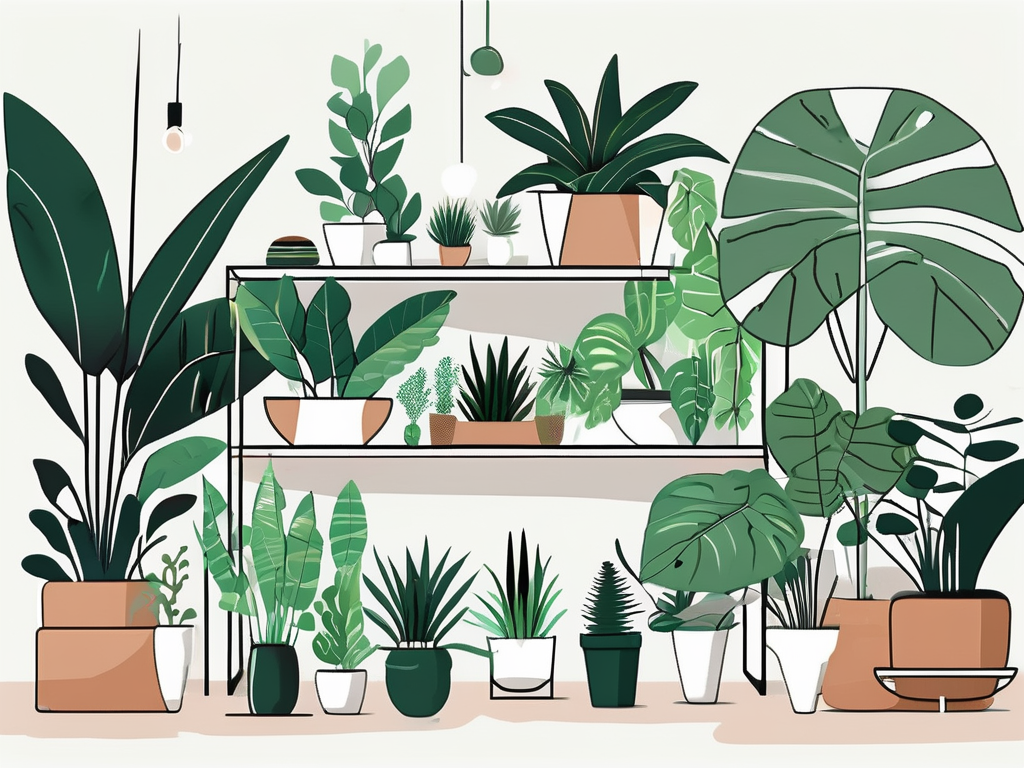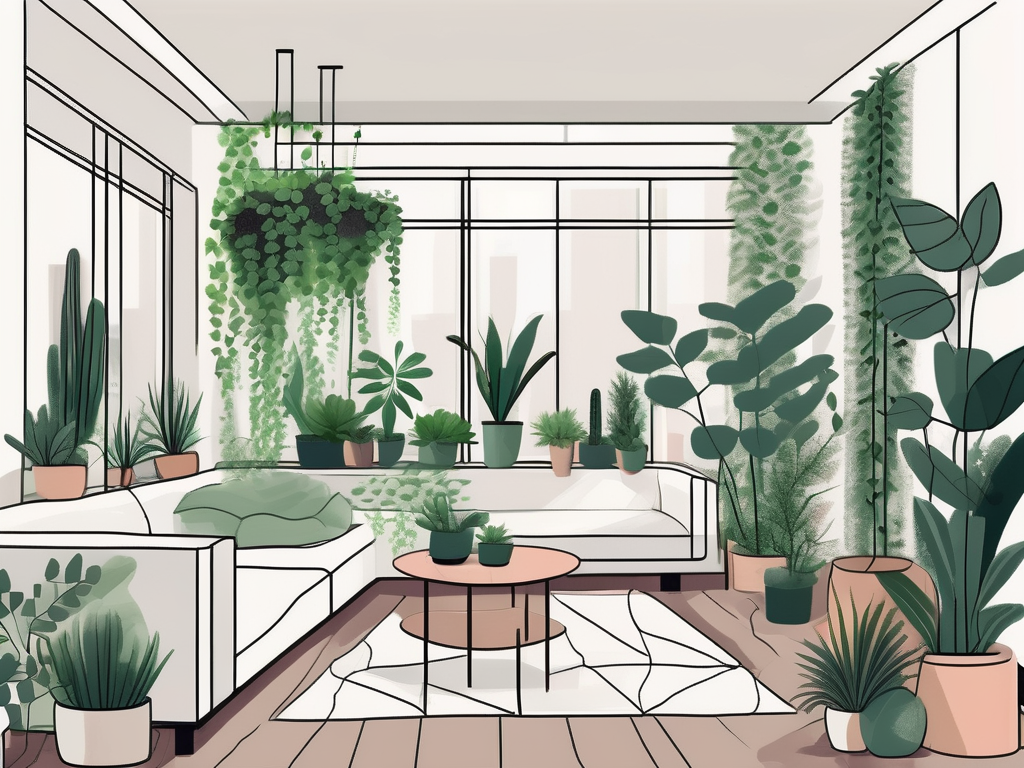
Have you ever strolled through a plant shop and felt a spark of excitement at the sight of something exotic and rare? There's something undeniably thrilling about adding a unique houseplant to your collection, especially when it starts as a tiny seed bursting with potential. Today, we're diving into the intriguing world of rare houseplant seeds, exploring how you can grow your own stunning specimens from scratch.
This article will guide you through some of the most fascinating rare seeds available, tips on how to nurture them into thriving plants, and ideas on incorporating these beauties into your home's interior design. Whether you're a seasoned plant parent or a curious beginner, there's something here for everyone.
Why Start with Seeds?
Starting your plant journey with seeds can be incredibly rewarding. It's a bit like watching a magic trick unfold slowly before your eyes—seeds hold the promise of life, and with patience, care, and a little bit of luck, they transform into beautiful plants that can fill your home with greenery and joy.
Here are a few reasons why starting from seeds might be a great idea for your next plant project:
- Cost-Effective: Buying seeds is often cheaper than purchasing mature plants, allowing you to experiment with a variety of species without breaking the bank.
- Greater Variety: You'll find a wider range of rare plants available as seeds compared to live plants. This gives you the opportunity to grow something truly unique.
- Educational Experience: Growing from seeds can be a fantastic learning journey. You'll gain a deeper understanding of your plants' lifecycle and needs.
While starting from seeds requires more patience and care, the payoff can be immensely satisfying, especially when you see your plants grow and flourish.
Rare Seeds to Consider
Ready to add some rare gems to your collection? Here are a few houseplant seeds that are sure to impress and intrigue:
1. Black Bat Flower (Tacca chantrieri)
This plant is as mysterious as its name suggests. With dark, bat-shaped flowers and long, whisker-like filaments, the Black Bat Flower is sure to be a conversation starter. Native to the tropical forests of Southeast Asia, it thrives in humid environments.
To grow it:
- Soak the seeds in warm water for 24 hours before planting to encourage germination.
- Use a well-draining soil mix, keeping it consistently moist but not waterlogged.
- Provide indirect sunlight and maintain high humidity levels.
2. String of Pearls (Senecio rowleyanus)
Known for its cascading strands of bead-like leaves, the String of Pearls is a delightful plant that adds a touch of whimsy to any space. It's perfect for hanging baskets or trailing over shelves.
To grow it from seeds:
- Scatter seeds on the surface of sandy soil, pressing them gently into the substrate.
- Keep the soil slightly moist and provide bright, indirect light.
- Be patient, as germination can take a few weeks.
String of Pearls prefers dry conditions once established, so be careful not to overwater.
Caring for Your Rare Plant Babies
Once your seeds sprout, the real fun begins. Here are some general tips to help you raise your rare plants into healthy, thriving members of your indoor garden:
Light Requirements
Most rare plants prefer bright, indirect light. Direct sunlight can be too harsh and may scorch delicate leaves. If you're limited in natural light, consider investing in a grow light to provide the necessary spectrum for photosynthesis.
Watering and Humidity
While some plants like the String of Pearls prefer drier conditions, others, like the Black Bat Flower, thrive in high humidity. A good rule of thumb is to water when the top inch of soil feels dry, but always do some research on your specific plant's needs.
- Use distilled or rainwater if possible, as tap water can contain chemicals that affect plant health.
- Consider using a humidity tray or a humidifier to maintain optimal moisture levels in the air.
Potting and Soil
The right soil mix is crucial for healthy plant growth. Most rare plants benefit from a well-draining soil that allows roots to breathe. You can create your own mix by combining potting soil with perlite or sand.
- Repot your plants as they grow, usually every 1-2 years, to provide fresh nutrients and room for root expansion.
- Choose pots with drainage holes to prevent waterlogging.
Dealing with Pests and Diseases
Even rare plants aren't immune to common pests and diseases. Here are some tips to keep your plants healthy:
Common Pests
Watch out for pests like aphids, spider mites, and mealybugs. They can be pesky but are usually manageable with regular care:
- Inspect your plants regularly and wipe leaves with a damp cloth to remove any visible pests.
- Use insecticidal soap or neem oil as a natural pest deterrent.
Fungal Issues
Fungal diseases often stem from overwatering or poor air circulation. To prevent these issues:
- Ensure proper drainage and avoid letting plants sit in water.
- Space plants to allow air to circulate freely.
- Remove any affected leaves immediately to prevent the spread.
Incorporating Rare Plants into Your Home Decor
Rare plants not only bring a touch of nature indoors but also serve as unique decor pieces that can transform your living space. Here are some ideas for showcasing your new green friends:
Statement Pieces
Make your rare plants the star of the show by giving them a prominent spot in your home. Consider placing a large plant like the Black Bat Flower in a decorative pot on the floor or using it as a centerpiece on a dining table.
Hanging Gardens
For trailing plants like the String of Pearls, consider creating a hanging garden. Use macramé hangers or floating shelves to display your plants at varying heights, adding depth and interest to your space.
Grouping for Effect
Group smaller plants together to create a lush, mini indoor garden. Use pots of different sizes and materials for a layered look. This not only creates a visually appealing display but also helps maintain humidity levels around your plants.
Finding Rare Seeds
Now that you're excited to start growing, where can you find these rare seeds? Here are a few options:
- Online Specialty Stores: Websites dedicated to rare and exotic plants often have a wide selection of seeds available.
- Local Plant Shops: Some local shops may carry rare seeds, especially if they focus on unusual or exotic varieties.
- Plant Swaps: Connect with other plant lovers in your community to trade seeds and share growing tips.
When purchasing seeds, make sure to buy from reputable sources to ensure you're getting high-quality, viable seeds.
Patience, the Ultimate Virtue
Growing plants from seeds is a slow and rewarding process. It requires patience, as germination and growth can take time. But isn't it exciting to watch nature unfold in your living room?
Here are some ways to cultivate patience as you wait for your seeds to grow:
- Document the process with photos or a journal to track progress and celebrate small milestones.
- Learn more about your plants by reading books or joining online forums—this can deepen your appreciation and keep you motivated.
- Remember that each plant has its own timeline, and it's perfectly normal for some to take longer than others.
Sharing Your Success
Once your rare plants are thriving, why not share the joy with others? Here are some fun ways to spread the plant love:
- Host a plant swap to share cuttings or seeds with friends and fellow plant people.
- Create a plant Instagram account to document your journey and connect with other plant lovers.
- Gift a plant to a friend—nothing says "I'm thinking of you" like a living, breathing gift.
Sharing your passion not only helps others discover the joy of plants but also strengthens your own connection to your green companions.
Final Thoughts
Embarking on a journey with rare houseplant seeds can be both exciting and fulfilling. From selecting unique varieties to watching them grow and flourish, the process offers endless opportunities for learning and joy.
At Cafe Planta, we're passionate about helping you nurture your plant collection, offering a range of plants and accessories to support you. If you have any plant care questions, feel free to email us or send a message on Instagram. We believe plants bring people together and inspire us to connect with nature and each other. Whether you're new to the plant world or a seasoned enthusiast, we're thrilled to share our love of plants with you!