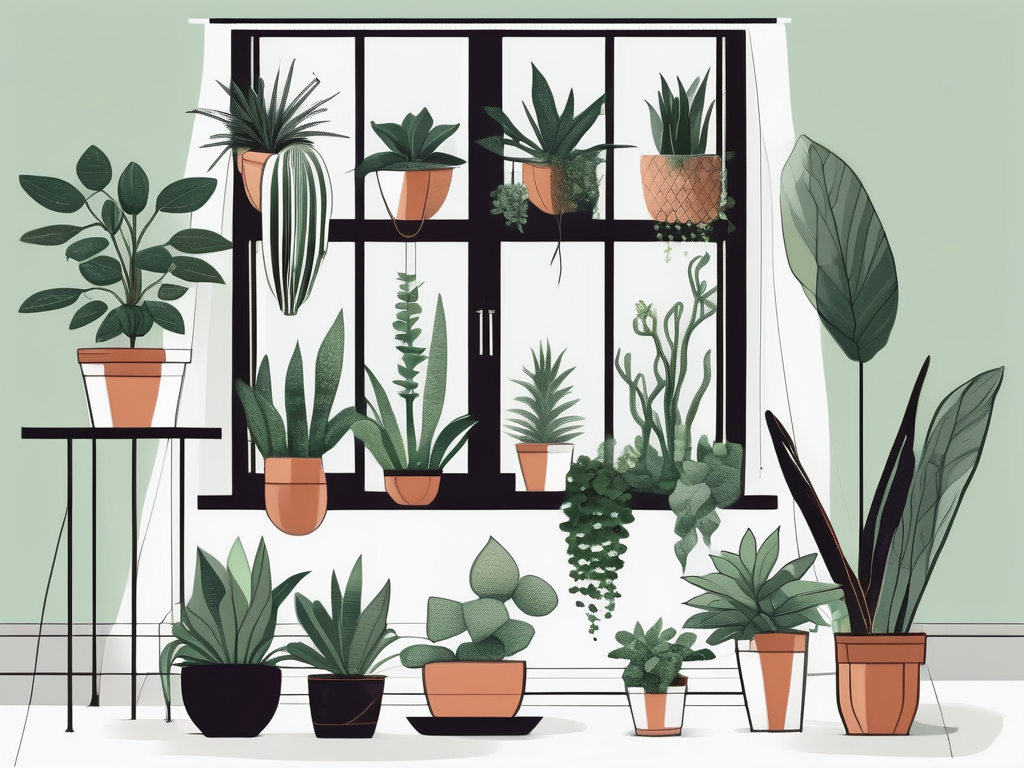
Picture this: a cozy home filled with vibrant greenery that brings life into every corner. Sounds like a dream, right? Houseplants don't just add beauty; they offer a connection to nature that's incredibly rewarding. If you're new to the world of indoor plants, don't worry. This guide is here to help you choose the easiest houseplants to care for and transform your space into a green haven.
We'll explore a variety of beginner-friendly houseplants, teach you how to care for them, and provide some design tips to make your home feel warm and inviting. So grab a cup of tea, settle in, and let's get started on this green journey.
Why Choose Houseplants?
First things first, why should you consider adding houseplants to your home? Besides their obvious aesthetic appeal, houseplants offer a wealth of benefits that might surprise you. For one, they help improve air quality by absorbing carbon dioxide and releasing oxygen. Some plants even filter out harmful toxins, making your living environment healthier.
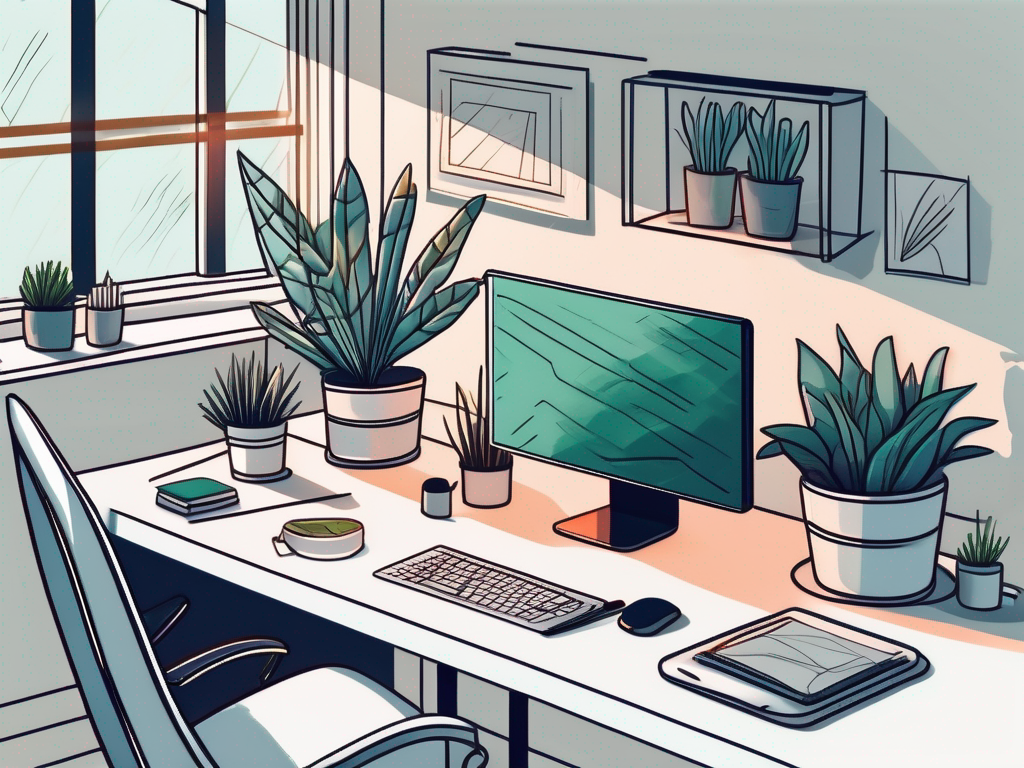
Houseplants can also boost your mood and reduce stress. There's something incredibly soothing about caring for plants and watching them grow. They can even increase your productivity and concentration, making them perfect for home offices or study areas.
Finally, houseplants bring a touch of nature indoors, creating a peaceful atmosphere. They can liven up any space, from an urban apartment to a suburban home, and add a personal touch that reflects your style.
Choosing the Right Plants for Beginners
When you're just starting out, it's important to choose plants that are forgiving and low-maintenance. Here are a few popular options that are known for being easy to care for:
- Snake Plant: Known for its striking, upright leaves, the Snake Plant is incredibly resilient. It can tolerate low light and irregular watering, making it perfect for beginners.
- Pothos: Pothos is a hardy vine with heart-shaped leaves. It's one of the easiest plants to grow and can thrive in various lighting conditions.
- Spider Plant: With its arching leaves and baby plant offshoots, the Spider Plant is not only easy to care for but also fun to propagate.
- ZZ Plant: The ZZ Plant is practically indestructible. It can survive in low light and requires minimal watering, making it ideal for those who might forget to water regularly.
- Peace Lily: While it prefers regular watering, the Peace Lily is forgiving and will let you know when it needs a drink by drooping slightly. It also produces beautiful white blooms.
These plants are a great starting point and will give you the confidence to expand your collection over time.
Understanding Light and Temperature Needs
One of the most important aspects of plant care is understanding their light and temperature requirements. Most houseplants fall into one of three categories: low light, medium light, and bright light. Knowing where your plant fits will help you place it in the right spot.
For example, Snake Plants and ZZ Plants are perfect for low-light areas, like bathrooms or offices with minimal natural light. On the other hand, plants like succulents and cacti thrive in bright, direct sunlight, so they'll be happiest on a sunny windowsill.
Temperature is another factor to consider. Most houseplants prefer temperatures between 60°F (15°C) and 75°F (24°C). Avoid placing them near drafts, heaters, or air conditioners, as extreme temperature changes can stress the plants.
Remember, lighting needs can change with the seasons. In winter, you might need to move your plants closer to windows to catch more sunlight. Paying attention to these needs will help your plants thrive.
The Art of Watering
Watering is where many new plant parents go wrong. Too much or too little water can be detrimental, but finding the right balance isn't as tricky as it seems. Most houseplants prefer to dry out a bit between waterings, especially those that are drought-tolerant like succulents.
Here's a simple method to check if your plant needs water:
- Stick your finger into the soil about an inch deep. If it feels dry, it's time to water. If it's still moist, wait a few days and check again.
- When you do water, make sure you do so thoroughly. Water should flow out of the drainage holes, ensuring the roots get a good soak.
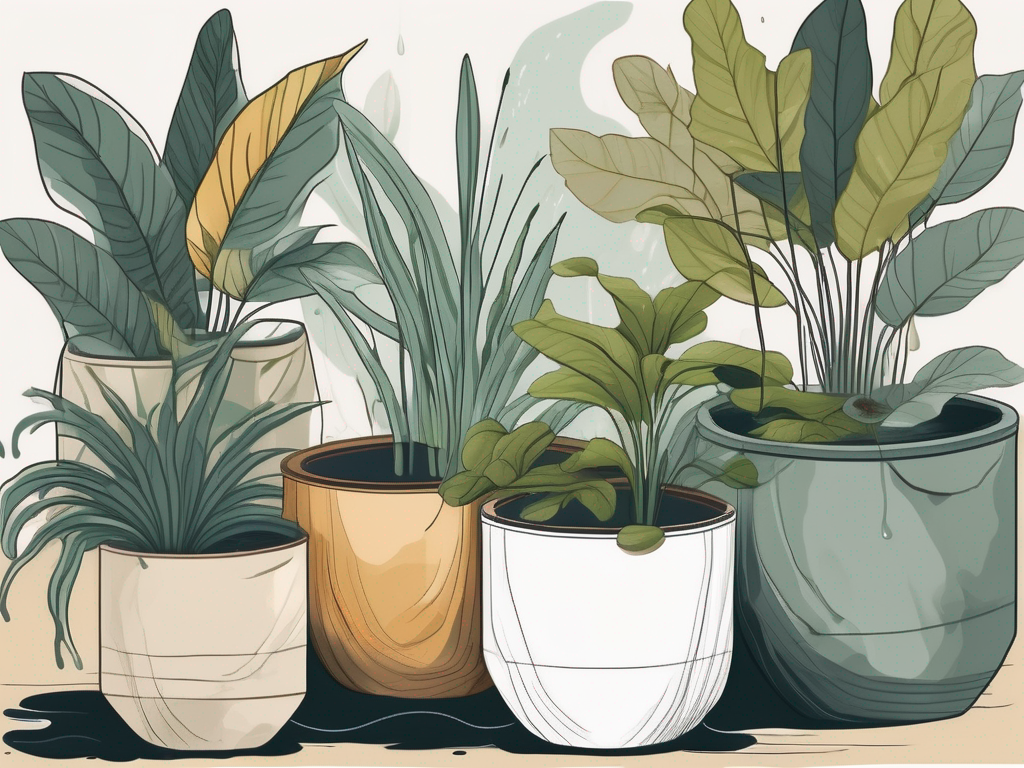
- Beware of water sitting in saucers or trays. Empty them out to prevent root rot.
Different plants have different watering needs, so it's essential to get to know your specific plant's preferences. Over time, you'll develop a routine that suits both you and your plants.
The Right Pot and Soil
Choosing the right pot and soil is crucial for your plant's health. Most houseplants prefer a well-draining potting mix. You can find potting mixes specifically designed for certain types of plants, such as cacti and succulents, which need excellent drainage.
When it comes to pots, make sure they have drainage holes to prevent water from accumulating at the bottom. While decorative pots without drainage holes might look appealing, they can lead to waterlogged soil, causing root rot.
Terracotta pots are a great choice for beginners. They allow moisture to evaporate, preventing overwatering. Just remember that they dry out faster than plastic or ceramic pots, so you might need to water a bit more frequently.
Repotting is another aspect to consider. Most houseplants need repotting every one to two years to give their roots more space to grow. You'll know it's time when roots start to peek out from the drainage holes or the plant seems to have outgrown its pot.
Dealing with Pests and Diseases
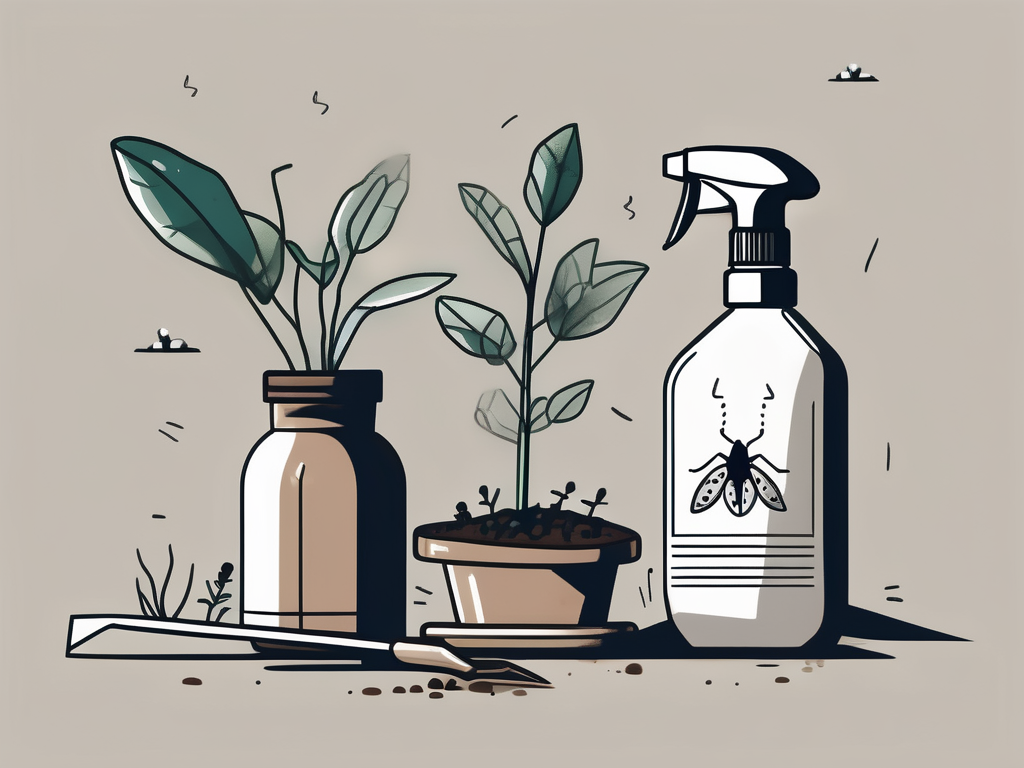
Even the most well-cared-for plants can fall victim to pests and diseases. But don't panic! With a little vigilance and quick action, you can keep your plants healthy. Common pests include spider mites, aphids, and mealybugs. Regularly inspect your plants for signs of infestation, such as discolored leaves or sticky residue.
Here are some steps to deal with pests:
- Isolate the Affected Plant: This prevents pests from spreading to other plants.
- Wash the Plant: A gentle spray with water can dislodge many pests. For more stubborn pests, use a mild soap solution.
- Use Natural Remedies: Neem oil or insecticidal soap can be effective against various pests.
For diseases like root rot or fungal infections, prevention is key. Avoid overwatering and ensure proper air circulation around your plants. If you notice yellowing leaves or a mushy stem, it's best to cut away the affected parts and adjust your watering habits.
Designing with Houseplants
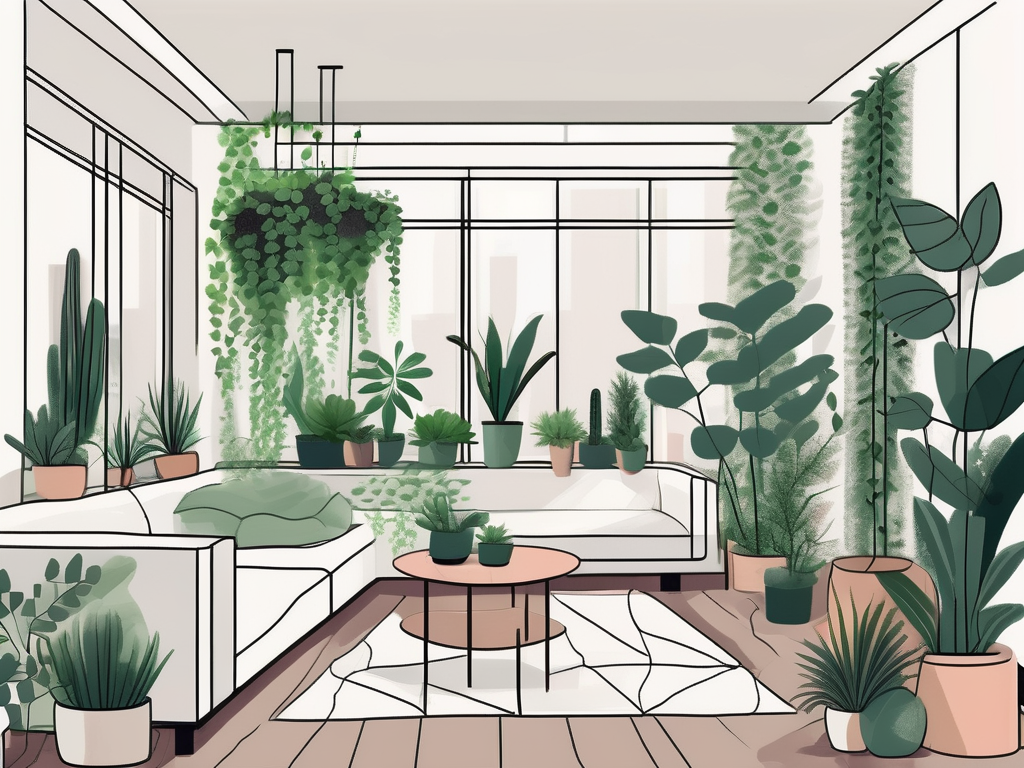
Now that you've got the basics down, it's time to think about how to incorporate plants into your home decor. Houseplants can be a beautiful design element, adding color and texture to any room.
Consider the following ideas:
- Group Plants: Create a lush look by grouping plants of varying heights and textures together. This can make a striking focal point in a room.
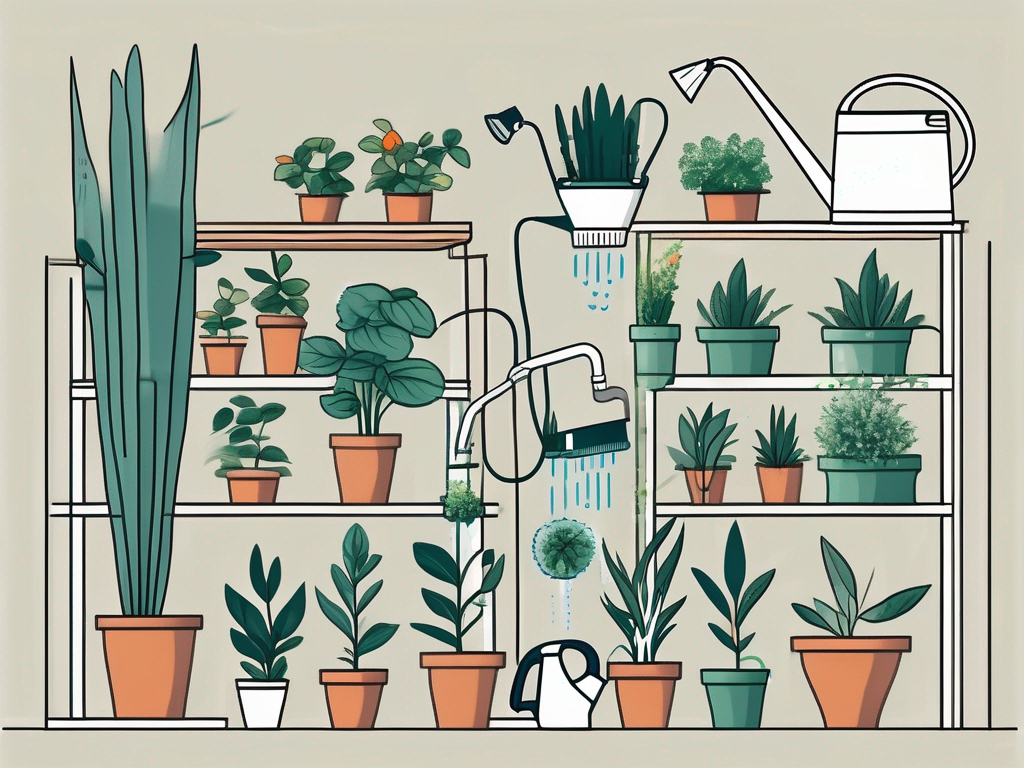
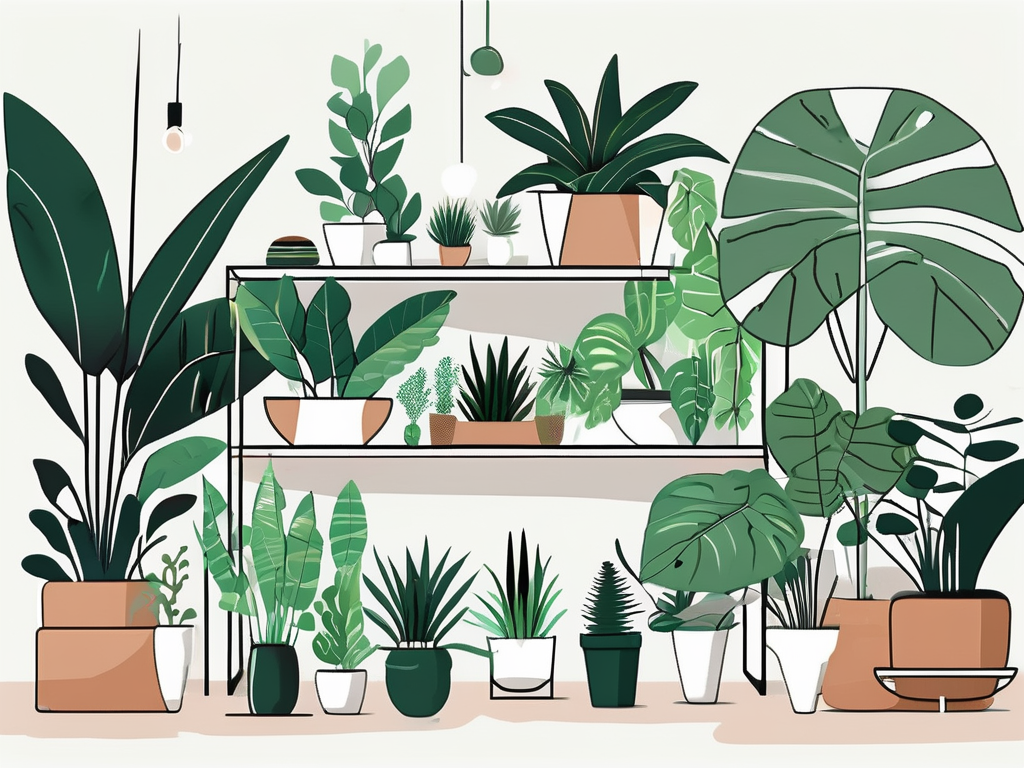
- Use Plant Stands and Shelves: Elevate your plants with stands or arrange them on shelves to create visual interest.
- Hang Plants: Trailing plants like Pothos or String of Pearls look stunning in hanging planters.
- Choose Decorative Pots: A beautiful pot can be a design statement on its own. Coordinate pots with your room's color scheme for a cohesive look.
Don't be afraid to experiment and move your plants around until you find the perfect arrangement. Remember, plants are living decor that can adapt to your style.
Building Your Plant Family
Once you've mastered a few houseplants, you might find yourself wanting to expand your collection. This is where the fun really begins! There are countless varieties to explore, each with its own unique charm.
If you're ready to branch out, consider trying your hand at:
- Fiddle Leaf Fig: Known for its large, glossy leaves, it's a bit more demanding but incredibly rewarding when thriving.
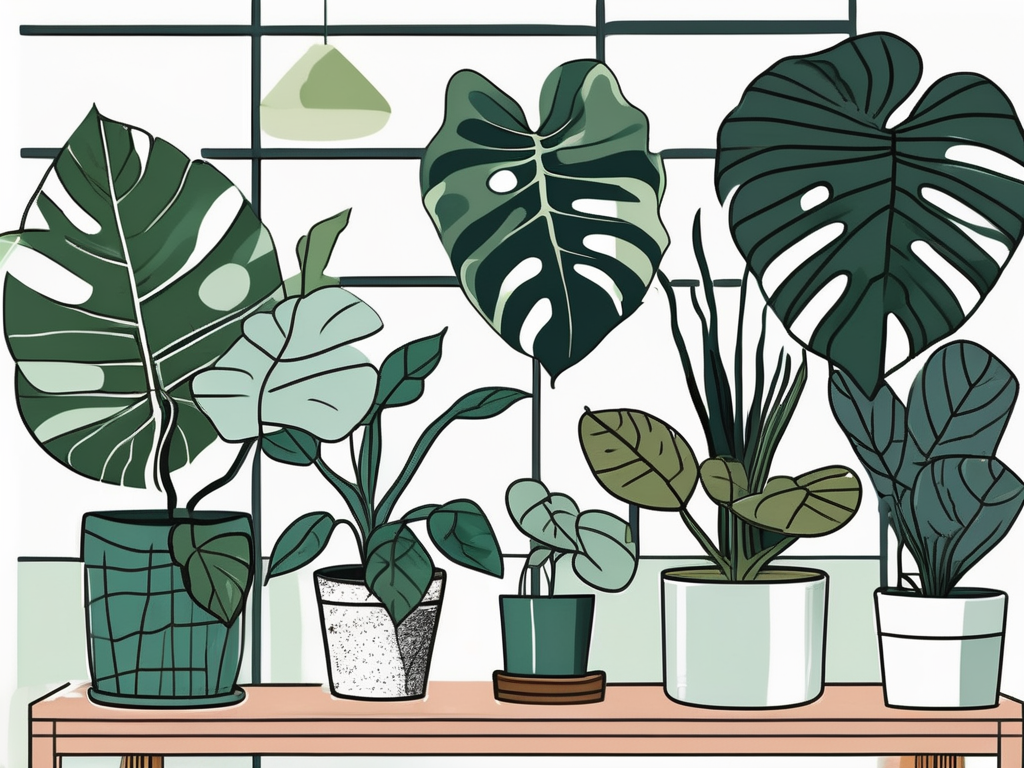
- Monstera Deliciosa: With its iconic split leaves, this plant has become a favorite in modern homes.
- Calathea: Known for its striking leaf patterns, it's a bit finicky but worth the effort for its beauty.
As you grow your plant family, you'll learn more about different care requirements, improving your skills with each new addition. Plus, you'll have a beautiful indoor garden to enjoy year-round.
Connecting with the Plant Community
One of the best parts of being a plant parent is connecting with other plant lovers. Whether it's through online forums, local plant swaps, or social media groups, sharing your plant journey with others can be incredibly rewarding.
You can gain valuable insights, exchange tips, and even swap cuttings to expand your collection. Plus, it's a great way to make new friends who share your passion for greenery.
Don't hesitate to reach out and share your successes (and struggles) with fellow plant people. You'll find a supportive community ready to cheer you on and help you grow.
Final Thoughts
Bringing houseplants into your home can transform your space and provide a sense of tranquility and joy. We've covered some of the easiest plants to start with, how to care for them, and even how to style them in your home. Remember, plant care is a journey, and it's okay to learn as you go.
At Cafe Planta, we're here to support your plant journey. Whether you're looking for new plant friends or need advice on plant care, we're just a click away. Feel free to email us or drop us a message on Instagram. We believe in the power of plants to bring people together, and we're excited to share this journey with you!