Houseplants bring life and beauty into our homes, but nothing can be more frustrating than finding your precious green friends under attack by pesky insects. These tiny invaders can wreak havoc, leaving your plants looking less than their best. But don't worry! With a bit of knowledge and some practical tips, you can keep those bugs at bay and your plants thriving.
This article will guide you through the ins and outs of effective insect control for your houseplants. We'll cover everything from identifying common pests to natural and chemical treatments, preventive measures, and even how to maintain a healthy environment for your plants. Let's get started on making your home a bug-free haven for your leafy companions!
Recognizing Common Houseplant Pests
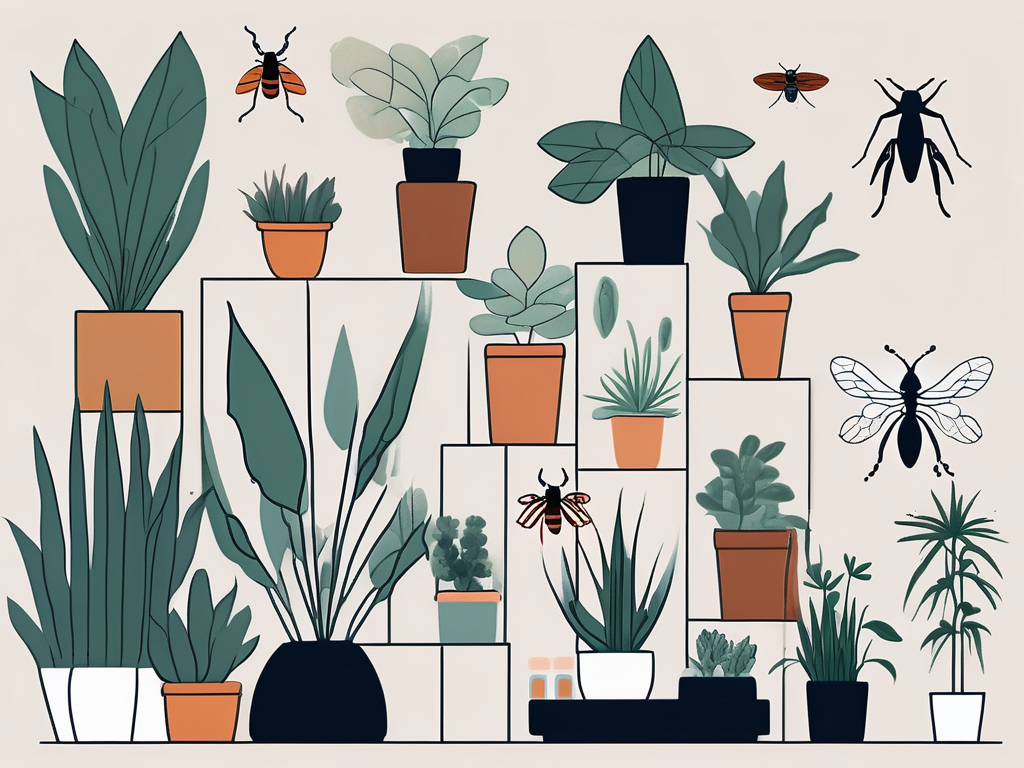
Before you can tackle the issue of pests, you've got to know what you're up against. Different pests require different solutions, so identifying your plant's invaders is a crucial first step. Here are some of the most common houseplant pests you might encounter:
- Aphids: These tiny, pear-shaped insects can be green, black, or brown. They often congregate on new growth and can cause leaves to curl and become distorted.
- Spider Mites: These minuscule pests are hard to see with the naked eye, but you'll notice their presence by the fine webbing they leave behind. They thrive in dry conditions and can cause leaves to appear stippled or bronzed.
- Mealybugs: Mealybugs resemble small cotton balls and are often found in leaf axils and on stems. They feed on plant sap and can cause yellowing and wilting.
- Fungus Gnats: These tiny, mosquito-like insects are more of a nuisance than a threat, but their larvae can damage roots if the infestation is severe.
- Whiteflies: Resembling tiny white moths, these pests feed on leaf undersides, causing yellowing and wilting. They can multiply quickly, so early detection is key.
With these descriptions in mind, inspect your plants closely under good lighting. A magnifying glass can be helpful for spotting smaller pests. Once you've identified the culprit, you're ready to take action.
Natural Insect Control Methods
If you're like many plant parents, you might prefer to start with natural solutions. These methods are generally safer for the environment and your household, especially if you have pets or small children. Here are a few tried-and-true natural pest control options:
Handpicking and Pruning
For larger pests like mealybugs or aphids, you can often remove them by hand. Simply use a cotton swab dipped in rubbing alcohol to wipe them away. For more significant infestations, pruning affected leaves or stems can help control the spread.
Neem Oil
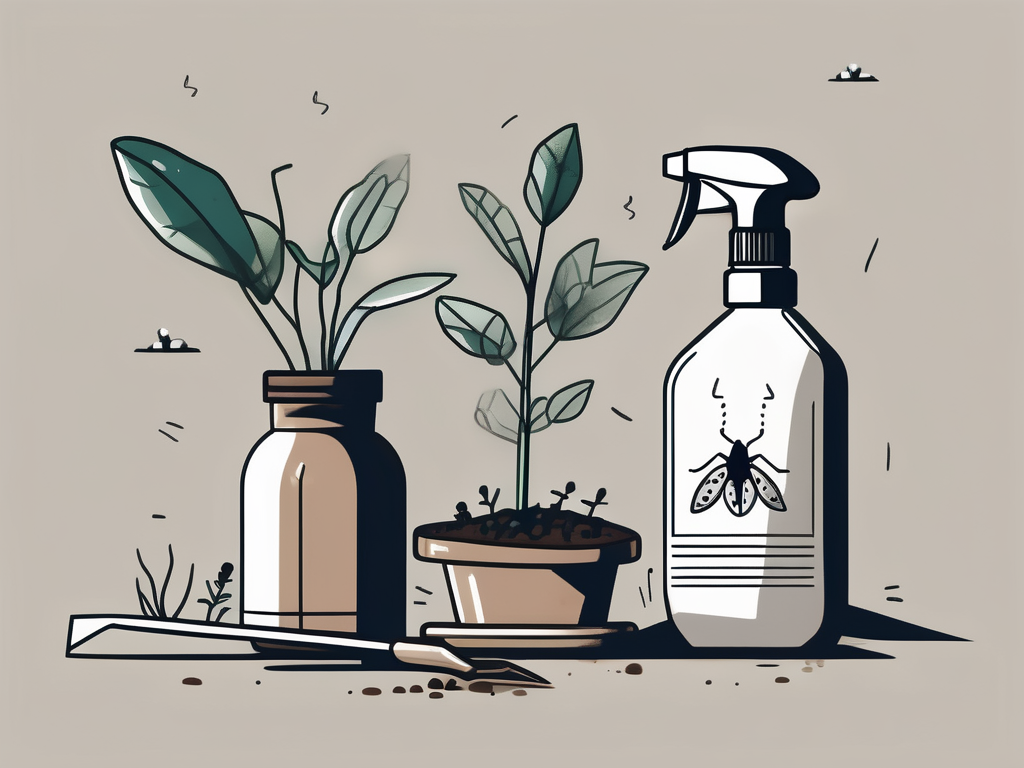
Neem oil is a popular natural pesticide derived from the seeds of the neem tree. It disrupts the life cycle of pests, making it effective against a variety of insects. Mix a few drops with water and a bit of mild soap, then spray on affected areas. Repeat every week until the pests are gone.
Insecticidal Soap
This is a safe and effective option for many pests. Insecticidal soap works by suffocating insects, so it must come into direct contact with them. It’s best to apply it in the morning or evening when the plant is not in direct sunlight to avoid leaf burn.
These natural methods can be effective for mild infestations. However, if the problem persists, you may need to consider stronger measures.
Chemical Solutions for Stubborn Pests
Sometimes, despite your best efforts, natural remedies just don't cut it. In such cases, you might need to turn to chemical solutions. While these can be effective, it's essential to use them carefully to avoid harming your plants or the surrounding environment.
Systemic Insecticides
Systemic insecticides are absorbed by the plant and work from the inside out. They can be particularly effective for pests like aphids and whiteflies. These products are typically applied as a soil drench and can provide long-lasting protection.
Contact Insecticides
These insecticides work by killing pests on contact. They are useful for immediate relief, but they don't offer long-term protection. Be sure to follow the instructions on the label carefully and apply them in a well-ventilated area.
Granular Insecticides
For pests that live in the soil, like fungus gnats, granular insecticides can be sprinkled on the soil surface. They work by targeting larvae and can help break the life cycle of the pest.
While chemical solutions can be effective, they should be a last resort. Always follow the manufacturer's instructions and take necessary precautions to protect yourself and your plants.
Preventive Measures to Keep Pests Away
As the old saying goes, an ounce of prevention is worth a pound of cure. Keeping your plants healthy and pest-free is much easier when you take proactive steps to prevent infestations in the first place. Here are some tips to help you do just that:
Maintain Proper Plant Hygiene
Regularly cleaning your plants can help prevent pests from taking hold. Dust leaves with a damp cloth and remove any dead or decaying foliage. This not only keeps your plants looking their best but also reduces hiding spots for pests.
Monitor New Plants
New plants can introduce pests to your collection, so it's wise to quarantine them for a few weeks before adding them to your main plant area. During this time, inspect them closely for any signs of pests.
Control Humidity and Airflow
Many pests thrive in dry, stagnant environments. To counter this, maintain proper humidity levels and ensure good airflow around your plants. A small fan can help circulate air and discourage pests like spider mites.
By incorporating these preventive measures into your routine, you can significantly reduce the likelihood of pest problems.
Creating a Healthy Environment for Your Plants
A healthy plant is better equipped to withstand pest attacks, so it's crucial to create an environment where your plants can thrive. Here are some tips to help you do just that:
Proper Lighting
Ensure your plants receive the right amount of light for their specific needs. Too little light can weaken plants, making them more susceptible to pests. On the other hand, too much direct sunlight can stress plants and attract certain pests.
Watering Wisely
Overwatering is a common mistake that can lead to root rot and attract pests like fungus gnats. Make sure to allow the top inch of soil to dry out between waterings, and always use pots with drainage holes.
Nutrient Management
Providing your plants with the nutrients they need can help them grow strong and healthy, making them less appealing to pests. Use a balanced fertilizer according to the specific requirements of your plants.
By focusing on these fundamental aspects of plant care, you'll create an environment where your plants can flourish and fend off potential pests.
Dealing with Persistent Infestations
Despite your best efforts, there may be times when a pest infestation just won't go away. In these cases, it's essential to stay patient and persistent. Here are some steps to take when dealing with stubborn pests:
Reassess Your Strategy
Take a step back and evaluate what you've tried so far. Are there any gaps in your approach? Perhaps switching to a different method or combining treatments could yield better results.
Consult a Professional
If you're feeling overwhelmed, don't hesitate to reach out to a professional for advice. A local nursery or plant shop may have experts on staff who can provide guidance tailored to your specific situation.
Consider Isolation
If a particular plant is heavily infested, you might need to isolate it from your other plants to prevent the problem from spreading. This can also give you the opportunity to focus your efforts on treating the affected plant.
Remember, persistence is key when dealing with persistent infestations. With patience and determination, you can overcome even the most stubborn pests.
Maintaining a Long-Term Pest Control Plan
Once you've managed to get rid of pests, it's crucial to have a long-term plan to keep them from returning. Here are some strategies to help you maintain a pest-free environment:
Regular Inspections
Make it a habit to inspect your plants regularly for any signs of pests. Catching an infestation early can make it much easier to manage.
Rotate Treatments
If you find that a particular treatment is becoming less effective, try rotating between different methods. Pests can sometimes develop resistance, so varying your approach can help prevent this.
Stay Informed
Keep up with the latest information on pest control and plant care. New products and techniques are continually being developed, so staying informed can give you an edge in maintaining a healthy plant collection.
By implementing a long-term pest control plan, you'll be better equipped to keep your houseplants healthy and thriving.
Final Thoughts
Controlling pests on houseplants might seem challenging at first, but with the right knowledge and strategies, it's entirely manageable. From identifying common pests to implementing natural and chemical solutions, preventive measures, and maintaining a healthy environment, these steps can help you protect your leafy friends.
At Cafe Planta, we're always here to support your plant journey. With a wide variety of houseplants and accessories, along with our plant-themed apparel, we aim to make plant care an enjoyable experience. If you have questions or need assistance, feel free to email us or reach out on Instagram. Let's keep our homes green and vibrant together!