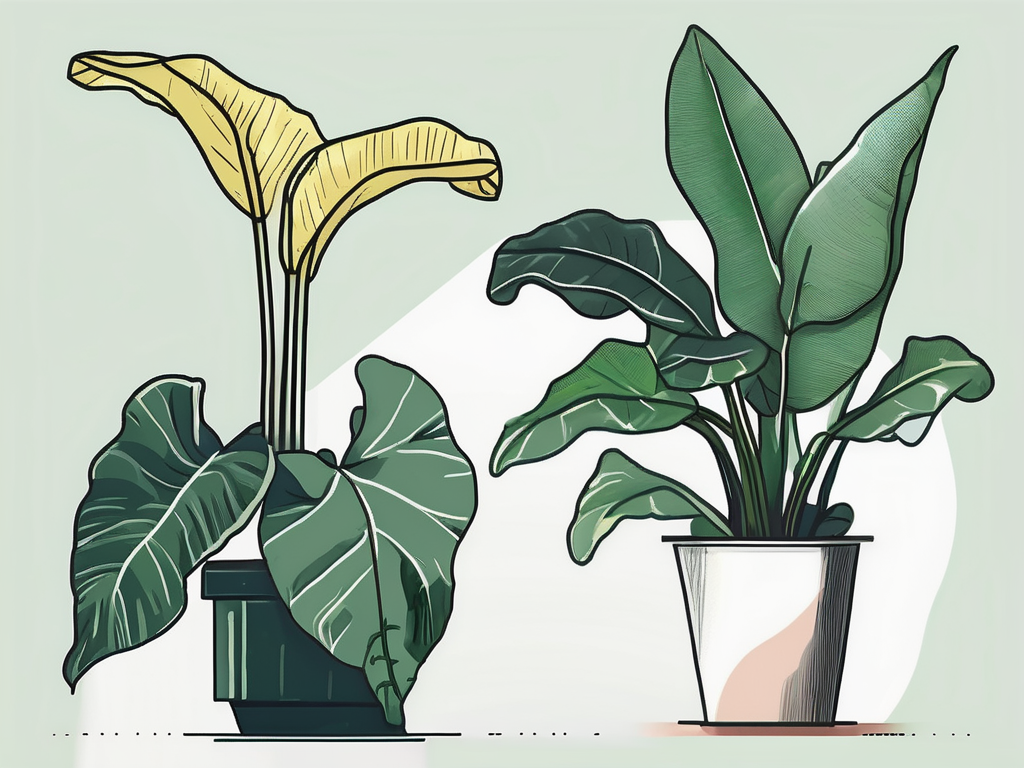
Elephant Ear and Banana Plant are two striking plant varieties that can dramatically transform any space with their lush foliage. If you've ever found yourself scratching your head trying to tell them apart or wondering which one might suit your home better, you're in the right place.
This article will cover the distinguishing features, care needs, and aesthetic appeal of both Elephant Ear and Banana Plant. We'll explore how each plant can fit into your interior design plans, offer practical tips for their upkeep, and answer some common questions plant lovers often have about these tropical beauties.
Appearance: The First Impressions
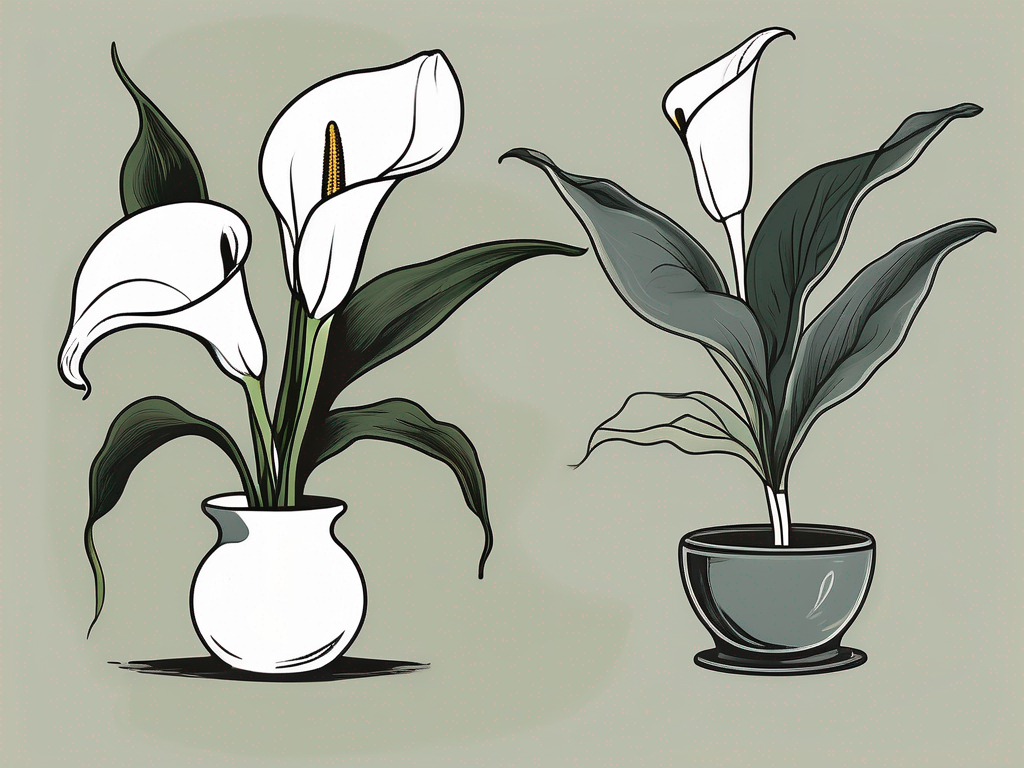
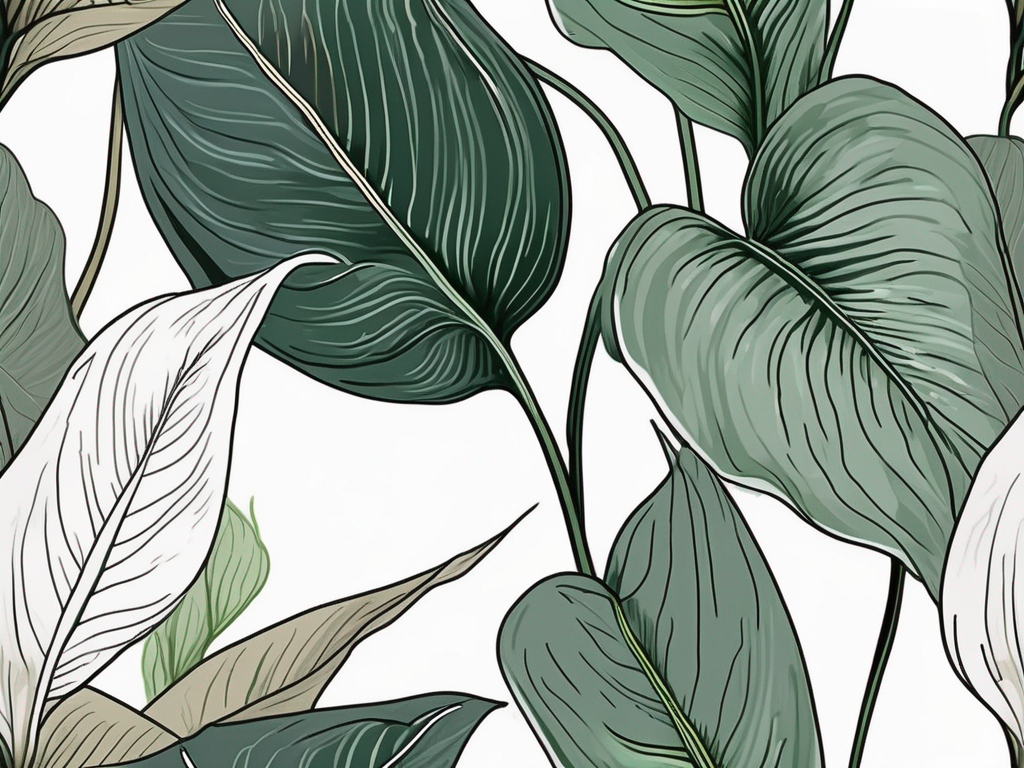
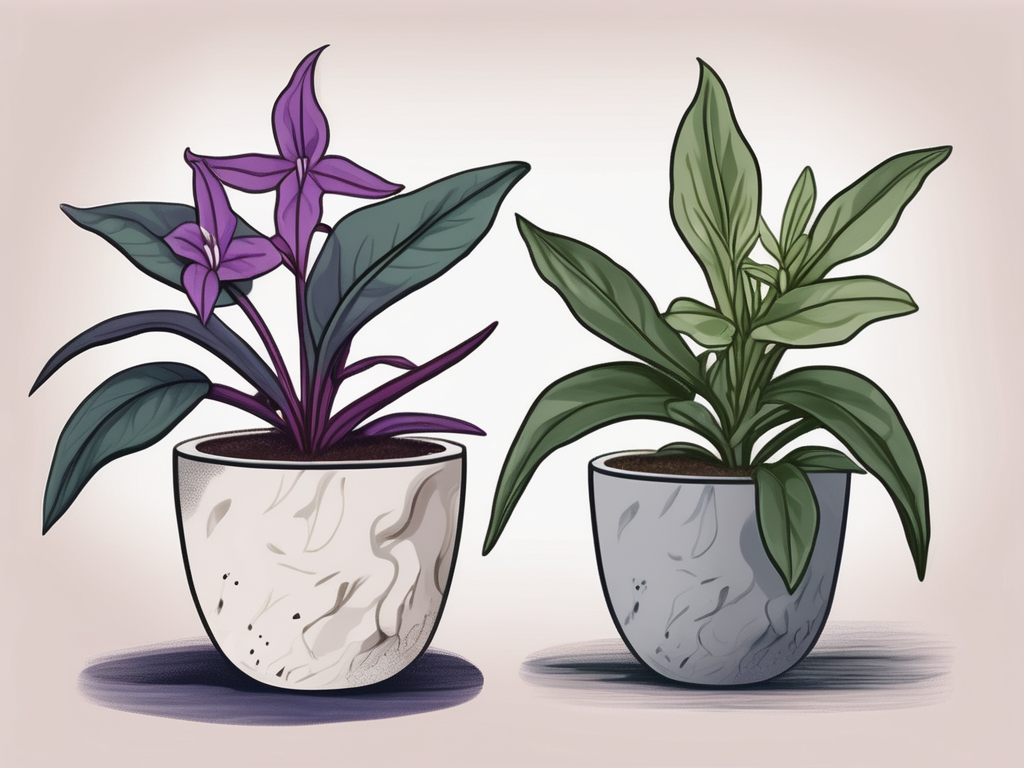
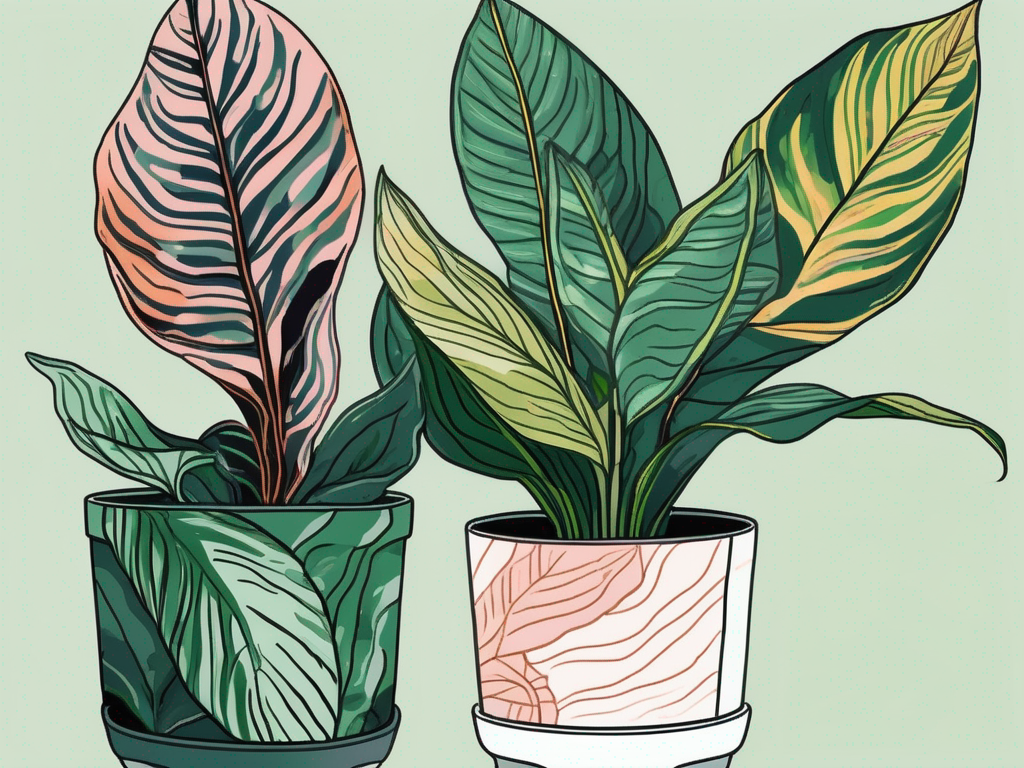
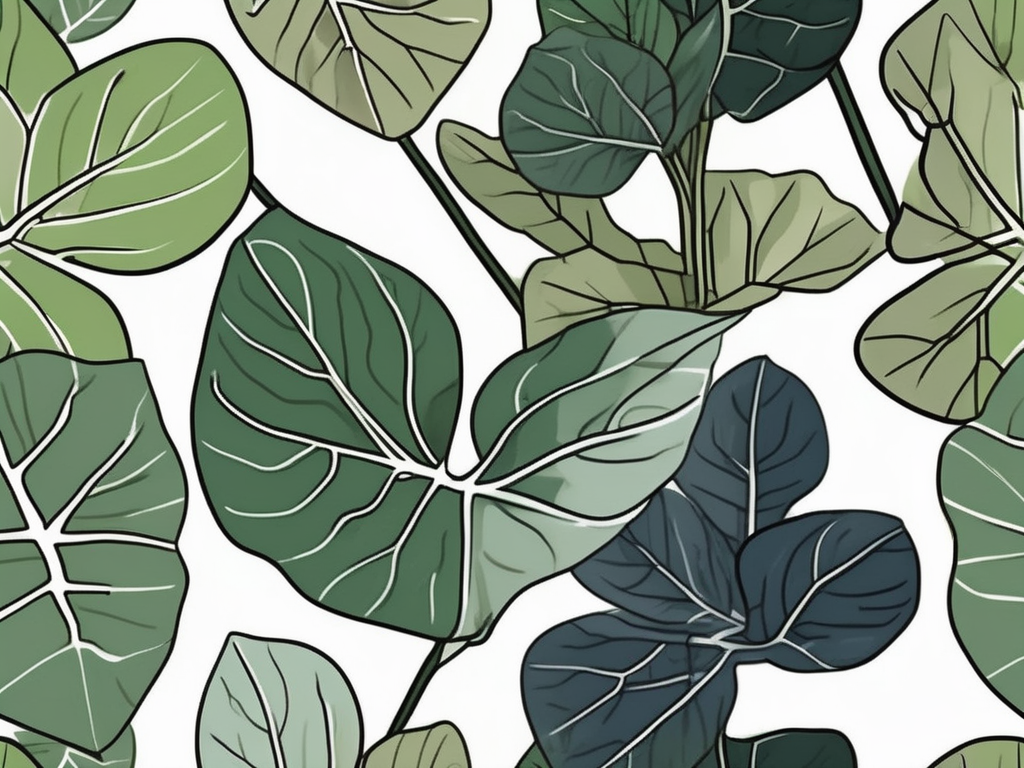
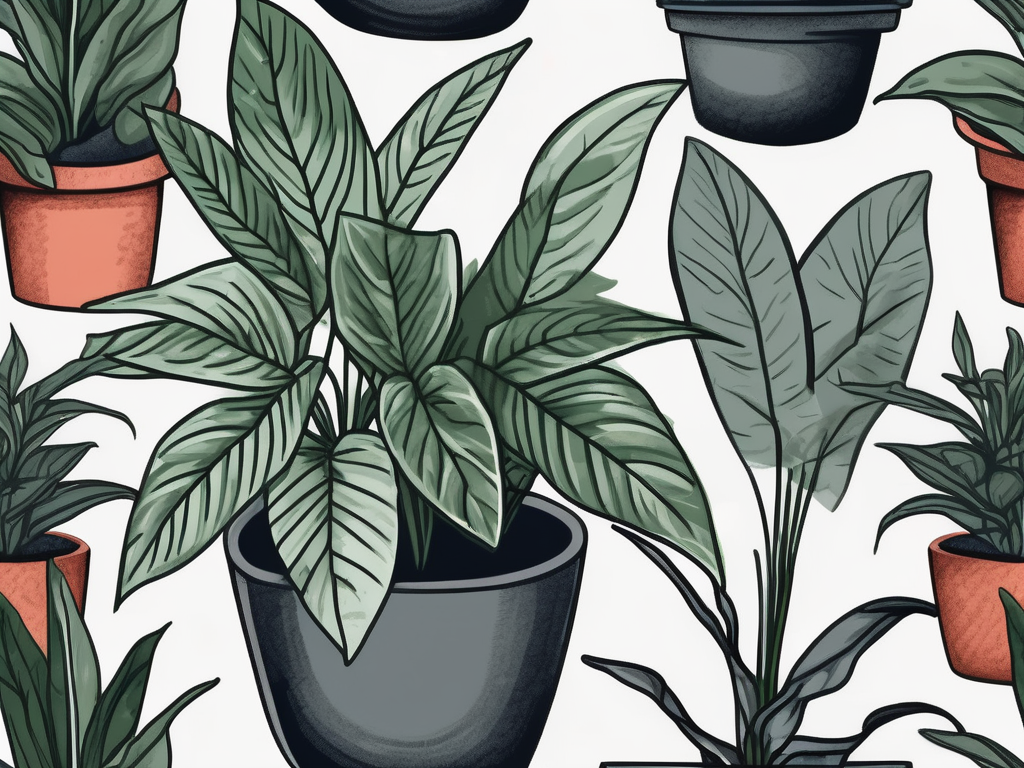
Let’s start with what meets the eye. Elephant Ear plants, belonging to the genera Alocasia, Colocasia, and Xanthosoma, are known for their heart-shaped leaves that can grow as large as an actual elephant's ear—hence the name! The leaves typically have prominent veins and come in various shades of green, sometimes with hints of purple or black, depending on the species. This makes them a bold statement piece in any room.
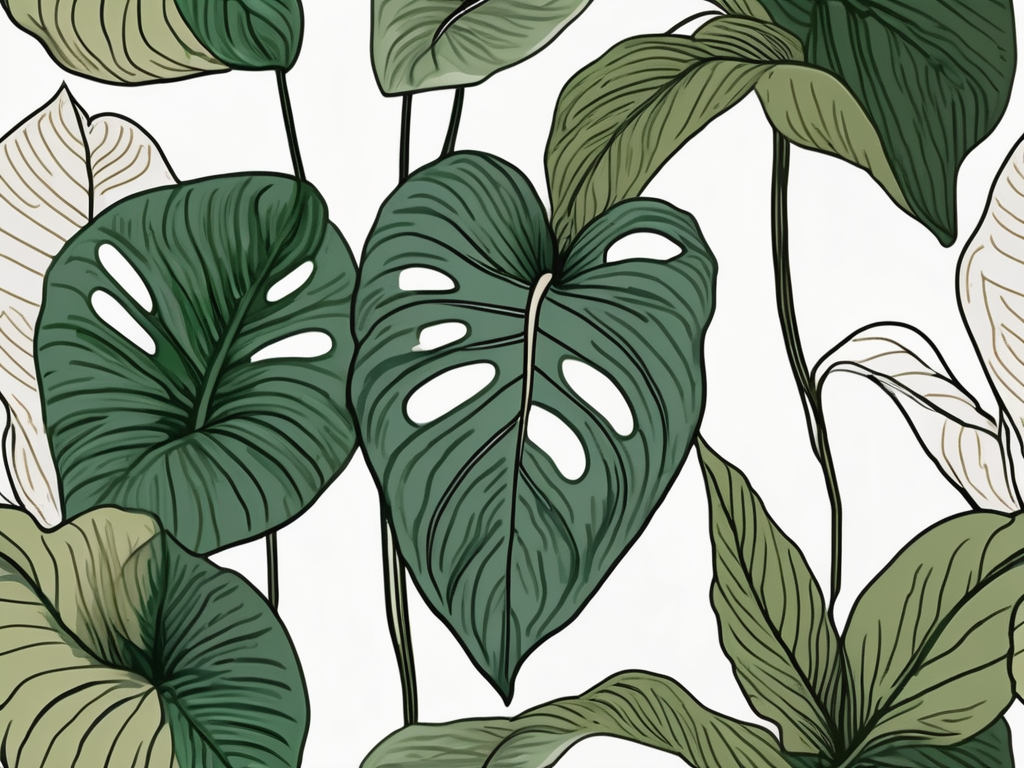
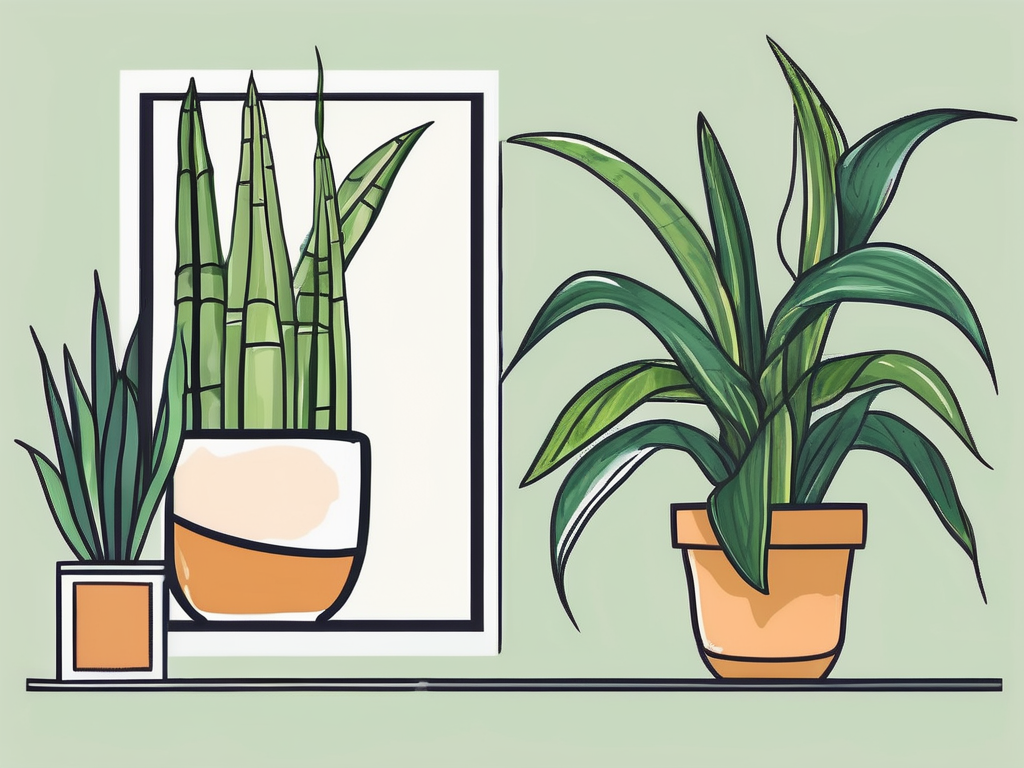
Banana Plants, on the other hand, with their scientific name Musa, resemble a cluster of oversized, elongated leaves that form a pseudo-stem. These leaves are smooth and often have a more uniform green color, although some species can develop red or purple streaks. While they don't bear the large, heart-shaped leaves of the Elephant Ear, their size and upright growth pattern add a touch of the tropics to your space.
In terms of size, both plants can grow impressively large, especially when given the right conditions. However, Elephant Ears tend to spread out more, while Banana Plants grow taller, often reaching several feet in height. When deciding which plant to bring home, consider the available space and whether you prefer a plant that grows up or out.
Native Habitat: Where Do They Come From?
Understanding where these plants originate can give us clues about their care needs. Elephant Ear plants are native to tropical and subtropical regions of Asia and Eastern Australia. They thrive in warm, humid environments with plenty of rainfall. This preference for moisture and warmth is something to keep in mind when planning their care routine.
Banana Plants also hail from tropical regions, particularly Southeast Asia. However, they have since been cultivated in many other parts of the world, including Africa, Latin America, and the Caribbean. Just like Elephant Ears, they enjoy a warm climate and plenty of humidity, thriving in environments that mimic their natural tropical habitat.
Both plants are used to thriving in environments with plenty of sunlight, although some species of Elephant Ear prefer indirect light. If you're living in a cooler climate, consider positioning these plants in a spot where they can soak up some sunlight while being shielded from harsh winds and chilly temperatures.
Watering: Quenching Their Thirst
When it comes to watering, both Elephant Ear and Banana Plant have their specific needs, though they share a common love for moisture. Elephant Ears enjoy consistently moist soil but not soggy. Overwatering can lead to root rot, so it's crucial to find a balance. A good practice is to water them when the top inch of soil feels dry to the touch.
Banana Plants, in contrast, are thirstier. They require more frequent watering, especially during their active growing season in spring and summer. Keep the soil consistently moist, but ensure proper drainage to prevent waterlogging. Mulching around the base can help retain soil moisture and keep the roots happy.
A helpful tip for both plants is to use room-temperature water. Cold water can shock their roots, especially if the plants are not accustomed to such low temperatures. Additionally, if you're using tap water, let it sit for a day to allow any chlorine to evaporate, which can be beneficial for sensitive plants.
Lighting: Sunlight Needs
Sunlight requirements are another area where these two plants differ slightly. Elephant Ears prefer bright, indirect light. Too much direct sun can scorch their leaves, while insufficient light might stunt their growth. If you're growing them indoors, placing them near a window with filtered light is ideal.
Banana Plants, being sun lovers, thrive in full sunlight. They can handle direct sun exposure better than Elephant Ears. If you're growing them indoors, a south-facing window usually provides the right amount of light. However, in extremely hot climates, a little afternoon shade can help prevent leaf scorch.
Both plants can adapt to less than optimal lighting conditions, but their growth might slow down. Consider using grow lights during the darker months to give them the light boost they need to stay healthy and vibrant all year round.
Soil Preferences: Digging Deep
When it comes to soil, Elephant Ear and Banana Plant have their own preferences that you should keep in mind. Elephant Ears prefer rich, well-draining soil that retains moisture but doesn't become waterlogged. A mix of potting soil, peat moss, and perlite or sand can provide the right balance.
Banana Plants, on the other hand, thrive in nutrient-rich, loamy soil. They benefit from a soil mix that is well-draining but retains enough moisture to keep their roots consistently hydrated. Adding organic matter like compost or well-rotted manure can boost the soil’s nutrient content, supporting the plant's vigorous growth.
Both plants appreciate a slightly acidic to neutral pH level, which helps them absorb the nutrients they need. Regularly checking the soil pH and adjusting it with amendments can ensure your plants are growing in optimal conditions. Remember, healthy soil is the foundation of a thriving plant!
Fertilizing: Feeding Your Green Friends
Fertilizing is an essential part of maintaining the health and vigor of both Elephant Ear and Banana Plant. For Elephant Ears, a balanced, water-soluble fertilizer applied every 2-4 weeks during the growing season can keep them lush and vibrant. Be cautious with the amount, as over-fertilizing can lead to leaf burn.
Banana Plants, being heavy feeders, require more frequent fertilization. During the growing season, feeding them every 2 weeks with a balanced fertilizer can support their rapid growth. Organic options like fish emulsion or banana peels (how fitting!) can also provide a nutrient boost.
Both plants benefit from additional micronutrients, so consider using a fertilizer that includes elements like magnesium and iron. This helps prevent common deficiencies that can manifest as yellowing leaves. Keeping a regular fertilizing schedule ensures your plants have all the nutrients they need to thrive.
Pest and Disease Management: Keeping Them Healthy
Every plant parent dreads the sight of pests or disease, but with a little vigilance, you can keep your Elephant Ear and Banana Plant healthy and thriving. Elephant Ears are sometimes bothered by pests like spider mites, aphids, and slugs. Regularly inspecting the leaves and stems for any signs of infestation can help you catch problems early. A gentle spray of water or a natural insecticidal soap can often do the trick.
Banana Plants are similarly prone to pests like aphids and spider mites, but they can also attract banana weevils in outdoor settings. Regular cleaning of their leaves and the use of neem oil can help keep these pests at bay. Additionally, maintaining good air circulation around the plants can prevent fungal issues like leaf spot or root rot.
Both plants benefit from a clean growing environment. Remove any dead leaves or debris from the soil surface to reduce the risk of disease. Keeping the plants well-watered and fed also helps them resist pests and disease naturally, as strong, healthy plants are less susceptible to attacks.
Indoor vs. Outdoor Growth: Where They Thrive
Deciding whether to grow your Elephant Ear or Banana Plant indoors or outdoors can depend on your climate and the space available. Elephant Ears can thrive both indoors and outdoors, but they need a warm environment to flourish. Indoors, they make a striking statement piece with their bold foliage. Outdoors, they can add a tropical feel to garden beds and borders.
Banana Plants prefer outdoor settings, where they can take advantage of full sunlight. In warmer climates, they can be grown year-round outdoors and even produce fruit. However, in cooler regions, they might need to be brought indoors or covered during the colder months. Indoors, they can be grown as ornamental plants but might not reach their full potential in size or fruit production.
Both plants can be grown in containers, which allows for easier movement between indoor and outdoor spaces. Ensure the containers are large enough to accommodate their growth, and use a quality potting mix to support their needs. With the right care, both plants can flourish in a variety of environments.
Design and Aesthetic Appeal: Adding Greenery to Your Space
Both Elephant Ear and Banana Plant offer unique aesthetic qualities that can enhance your home's interior or garden space. Elephant Ears, with their dramatic foliage, can serve as a bold focal point in a room. Their large leaves add a touch of the exotic, making them perfect for creating a tropical-themed indoor oasis.
Banana Plants bring a different vibe with their tall, graceful stems and lush leaves. They can add height and structure to a space, making them ideal for filling empty corners or adding vertical interest. Outdoors, they can create a tropical border or act as a windbreak in garden landscapes.
When incorporating these plants into your design, consider their growth habits and lighting needs. Pair them with other tropical plants for a cohesive look, or use them as stand-alone pieces to draw attention. Whichever way you choose, these plants can transform your space into a lush, green haven that invites relaxation and enjoyment.
Final Thoughts
Choosing between an Elephant Ear and a Banana Plant comes down to personal preference and the specific conditions of your home. Both plants offer unique beauty and require care that reflects their tropical origins. Whether you love the bold leaves of the Elephant Ear or the towering presence of the Banana Plant, both can bring a touch of the tropics to your space.
At Cafe Planta, we're here to help you choose the perfect plant for your home. We offer a wide variety of houseplants and accessories to help you create a thriving plant collection. If you have any questions, feel free to email us or reach out on Instagram. We're excited to share our love of plants and help you connect with nature in your own home.