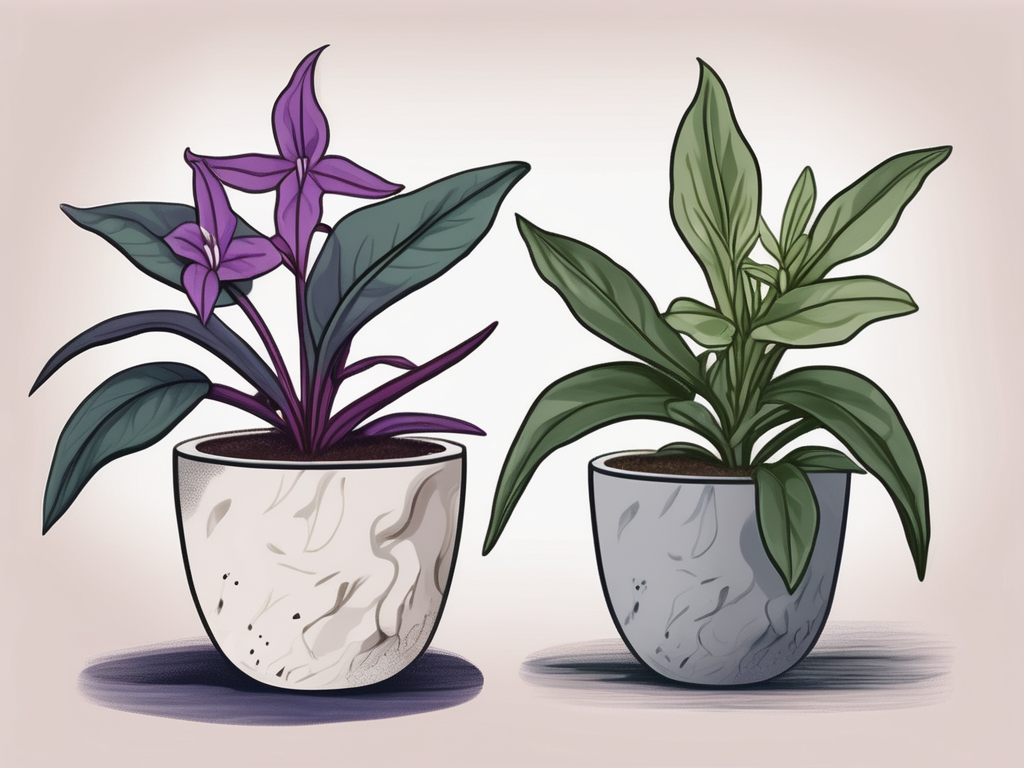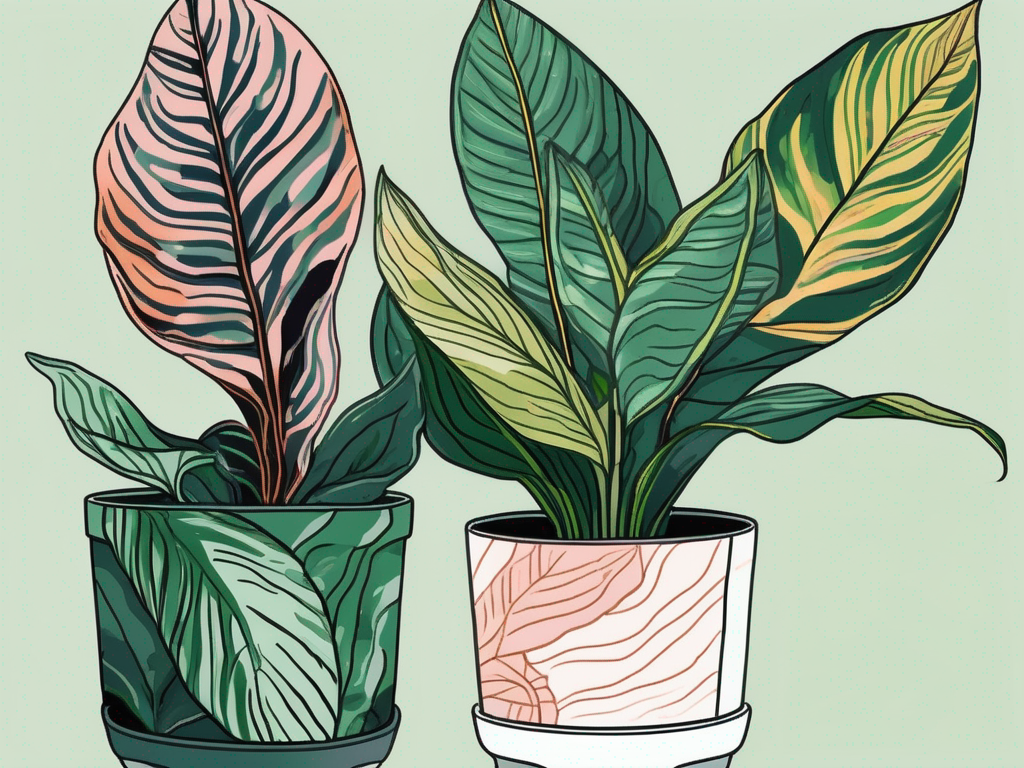
If you're a fan of striking foliage and bold colors, you've probably come across Elephant Ears and Caladiums. These two plant varieties are known for their dramatic leaves and can make a statement in any home or garden. But what exactly sets them apart? While they might seem similar at first glance, there are some fascinating differences between these two plant types.
In this article, we'll explore everything you need to know about Elephant Ears and Caladiums. From their origins and care requirements to design tips for incorporating them into your space, we've got you covered. By the end, you'll be equipped with all the knowledge needed to decide which of these beautiful plants is right for you.
Origins and Background
Understanding where these plants come from gives us some clues about their care and what they might bring to your home. Let's start with Elephant Ears. These plants belong to the Colocasia and Alocasia genera, and are native to tropical regions in Asia. Historically, they've been used in various cultures for both ornamental and culinary purposes. Their large, heart-shaped leaves are reminiscent of elephant ears, hence the name.
Caladiums, on the other hand, originate from South America, particularly Brazil. They belong to the Caladium genus and are part of the Araceae family. Caladiums are often referred to as 'Angel Wings' or 'Heart of Jesus' due to their vibrant, colorful leaves that can come in a range of patterns and hues. Unlike Elephant Ears, Caladiums are primarily grown for their decorative appeal.
Both plants have made their way into homes and gardens worldwide, thanks to their striking appearance and the touch of the tropics they bring. While they share some similarities, it's their distinct origins and uses that set the foundation for their differences.
Leaf Characteristics
One of the most noticeable differences between Elephant Ears and Caladiums is their leaves. If you're trying to tell them apart, looking at the leaves is a great place to start.
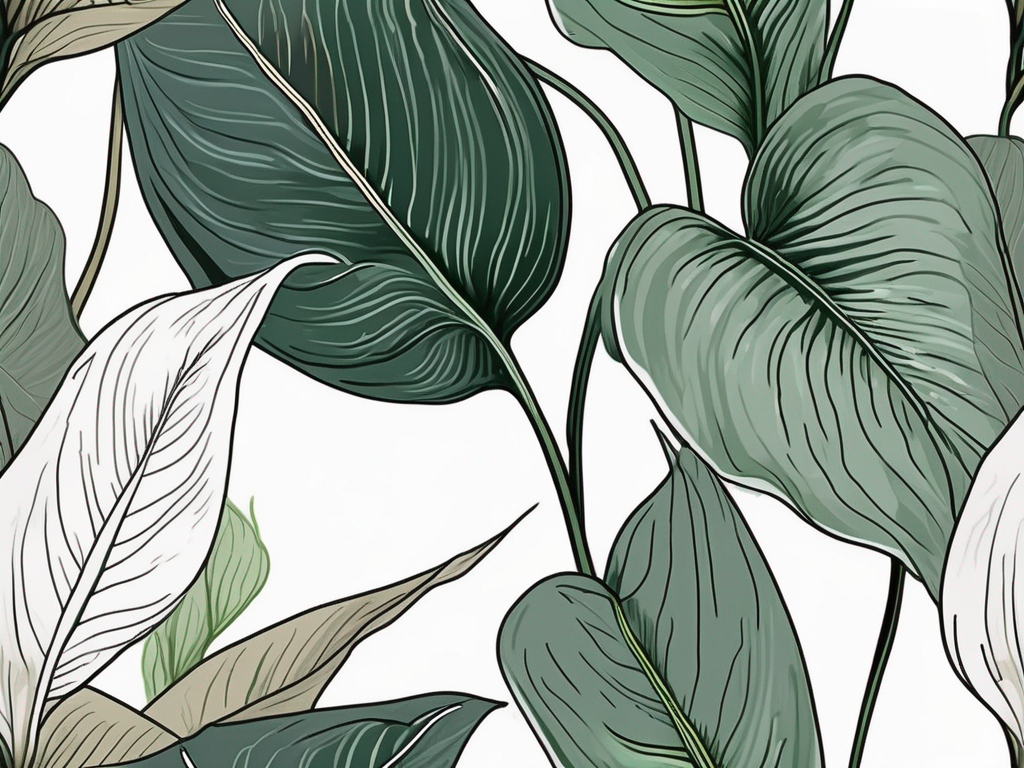
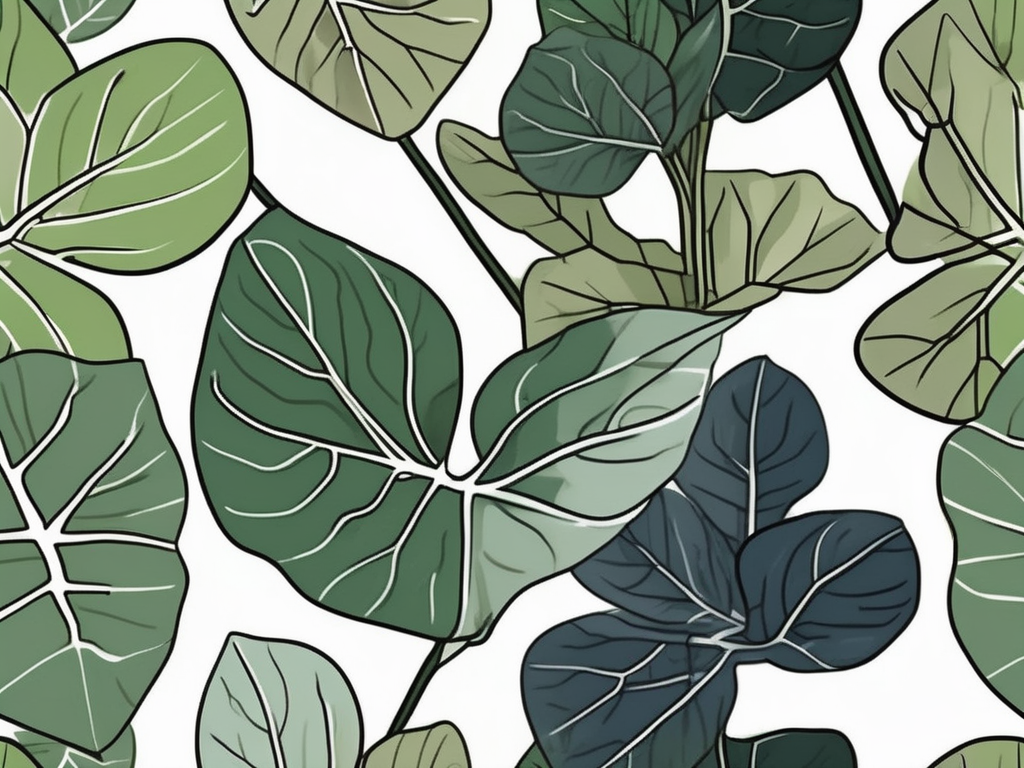
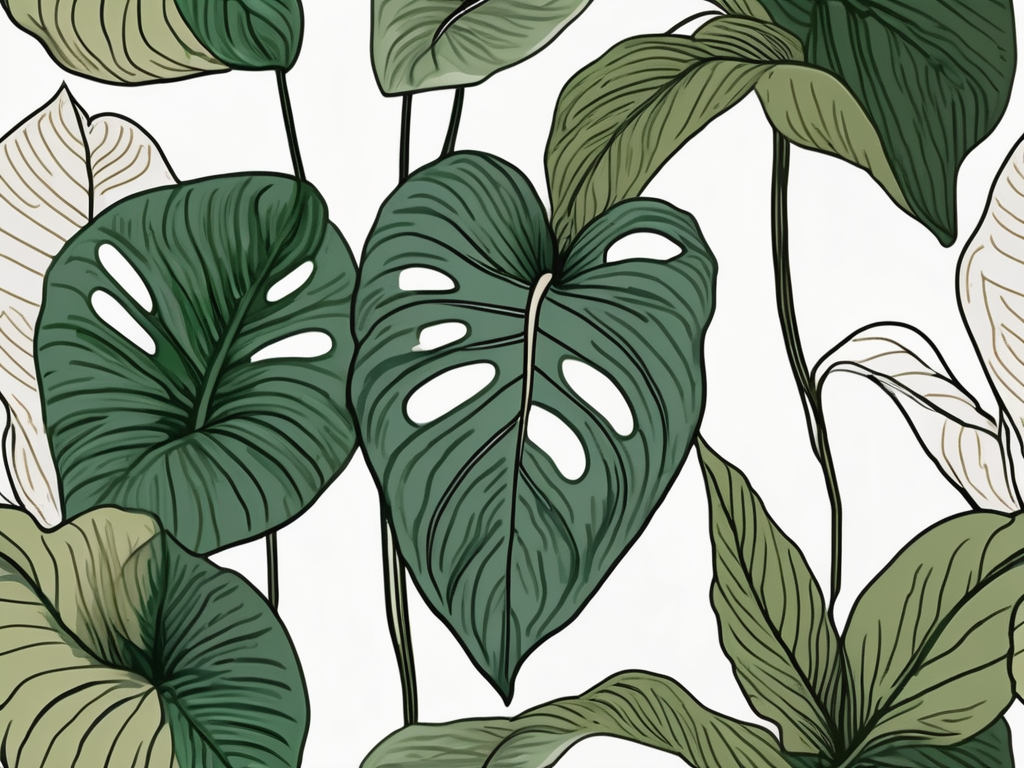
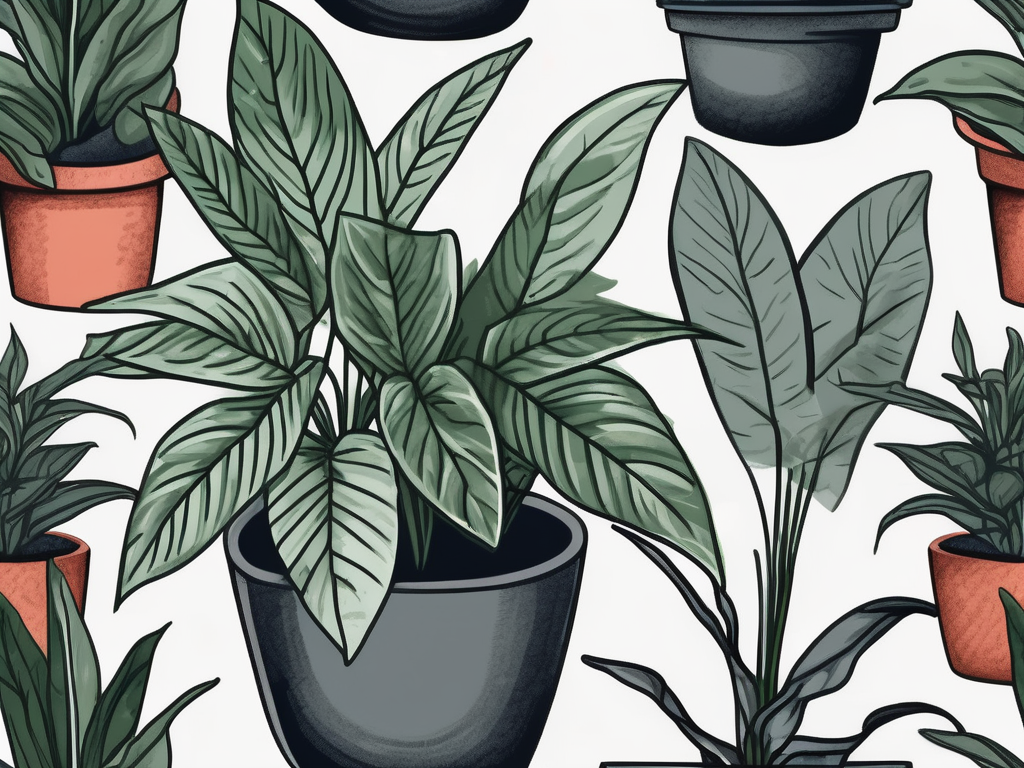
Elephant Ear leaves are usually larger, often reaching up to several feet in length. They have a glossy finish and can be a deep, rich green, though some varieties come in shades of purple or black. The veins are usually prominent, and the overall texture is smooth to the touch.
Caladium leaves, while also heart-shaped, tend to be smaller and come in a dazzling array of colors and patterns. You might find them in combinations of red, pink, white, and green, with beautiful variegation. The leaves have a more delicate appearance and are often thinner than those of Elephant Ears.
In a nutshell, if you're looking for a plant with bold, large leaves, Elephant Ears might be your choice. But if you're drawn to a variety of colors and intricate patterns, Caladiums will captivate you with their palette.
Growth Conditions
How you care for these plants can significantly affect their health and appearance. While both thrive in warm climates, their specific needs do differ.
Elephant Ears prefer a more humid environment. They thrive in rich, well-draining soil and need plenty of moisture. They're sun lovers but can handle partial shade, especially in hotter climates where direct sun might scorch their leaves. These plants can grow outdoors in USDA zones 8-11, but can also be grown as indoor houseplants in cooler climates.
Caladiums, conversely, prefer partial to full shade. They're not fans of intense, direct sunlight, which can fade their vibrant colors. Like Elephant Ears, they enjoy well-draining soil but are less tolerant of soggy conditions. Caladiums are typically grown as annuals in USDA zones 9-11, though they can be lifted and stored indoors during colder months in other zones.
By understanding their growth preferences, you can better accommodate these plants in your home or garden, ensuring they thrive and show off their best colors.
Planting and Potting
When it comes to planting these beauties, a few considerations can make all the difference. Whether you're thinking of planting them in your garden or keeping them as houseplants, a little preparation goes a long way.
For Elephant Ears, if you're planting outdoors, choose a spot with plenty of space, as these plants can get quite large. Consider the drainage of your soil—adding compost can improve both texture and nutrient content. If you're potting an Elephant Ear indoors, choose a large container with good drainage holes to accommodate their fast growth.
Caladiums, being more delicate, require a bit more care when planting. If you're planting outdoors, ensure the soil is well-draining and slightly acidic. Raised beds can be a great option to prevent waterlogging. When potting indoors, use a container that's not too large, as Caladiums don't have an extensive root system. This will help prevent overwatering.
In both cases, starting with healthy bulbs or tubers is crucial. Plant them at a depth of about 2 inches, with the pointed side facing up. Water them thoroughly after planting, and then maintain consistent moisture levels to encourage growth.
Care and Maintenance
Once your plants are happily situated, regular care will ensure they stay healthy and vibrant. Let's look at some simple care tips for keeping your Elephant Ears and Caladiums in top shape.
For Elephant Ears:
- Watering: Keep the soil consistently moist. During the growing season, you might need to water them more frequently, especially if they're outdoors.
- Feeding: A balanced liquid fertilizer every 4-6 weeks during the growing season will support their rapid growth.
- Pruning: Remove any yellowing or damaged leaves to maintain the plant's appearance and health.
- Pest Control: Watch out for common pests like aphids or spider mites. A gentle insecticidal soap can help keep these at bay.
For Caladiums:
- Watering: Allow the top inch of soil to dry out between waterings to prevent root rot.
- Feeding: Use a slow-release granular fertilizer at the beginning of the growing season.
- Pruning: Caladiums naturally go dormant, so don't panic if the leaves start to die back. Simply reduce watering and let them rest.
- Pest Control: Keep an eye out for snails and slugs, which can be managed with traps or barriers.
With regular attention, your plants will flourish, providing a beautiful display of foliage that transforms your space.
Dealing with Common Problems
Even the most experienced plant lovers encounter issues from time to time. Whether it's yellowing leaves or pests, both Elephant Ears and Caladiums can experience some common problems.
Elephant Ears may develop yellow leaves, which often indicate overwatering or poor drainage. Ensure your soil allows excess water to escape, and adjust your watering schedule if needed. If you notice brown edges, it could be due to too much sunlight or low humidity. Consider moving your plant to a shadier spot or increasing humidity levels.
Caladiums are sensitive to temperature fluctuations. If they start to wilt or their leaves become dull, check that they're not exposed to drafts or cold temperatures. Also, remember that Caladiums are prone to going dormant in cooler months, so don't be alarmed if they lose their leaves. Simply reduce watering and wait for spring.
Pests like spider mites, aphids, and slugs can affect both plants. Regular inspection and prompt treatment with insecticidal soap or neem oil can keep these pests at bay. Handpicking slugs or using barriers can protect Caladiums from their appetite.
By staying vigilant and responsive to your plants' needs, you can overcome these challenges and keep your Elephant Ears and Caladiums thriving.
Design Tips for Your Home
Incorporating these plants into your home décor can be a fun and rewarding experience. Their unique foliage offers endless possibilities for creative design.
Elephant Ears, with their bold leaves, can serve as a focal point in a room. Consider placing them in large pots near a window where they can receive bright, indirect light. They pair well with minimalist or modern décor, adding a touch of nature to clean lines and neutral colors.
Caladiums, with their vibrant colors, can brighten up darker corners of a room. Use them as accents in areas where they can be appreciated up close. Their smaller size makes them perfect for tabletops or shelves. Mixing different varieties can create a kaleidoscope of color that draws the eye.
Both plants can also enhance outdoor spaces. Elephant Ears look stunning in tropical-themed gardens, while Caladiums can add pops of color to shaded borders or container arrangements. Combining these plants with complementary varieties like ferns or hostas can create a lush, layered effect.
Whatever your style, Elephant Ears and Caladiums offer versatile options to bring the beauty of nature into your home.
Propagation Tips
Once you've fallen in love with Elephant Ears and Caladiums, you might want more of them. Luckily, both plants are relatively easy to propagate.
For Elephant Ears, propagation is typically done through division. Here's how:
- Carefully dig up the plant, ensuring you don't damage the roots.
- Identify sections of the plant that have their own root system and gently separate them.
- Replant each section in its own space or pot, and water thoroughly.
Caladiums can be propagated by separating the tubers:
- After the plant has gone dormant, lift the tubers from the soil.
- Divide the tubers, making sure each piece has at least one growth point.
- Store the tubers in a cool, dry place until the next growing season, or plant them directly if conditions allow.
Propagation not only gives you more plants but also helps rejuvenate older plants. It's a great way to share your love for these plants with friends or expand your own collection.
Choosing Between the Two
Deciding whether to go with Elephant Ears or Caladiums can be challenging, but it's all about what suits your space and lifestyle.
If you have ample space and love the idea of a dramatic, large-leafed plant, Elephant Ears might be the way to go. They're perfect for making a bold statement, whether indoors or in the garden. Just be prepared to give them the moisture and light they crave.
On the other hand, if you're drawn to vibrant colors and patterns, and perhaps have less space or more shaded areas, Caladiums are a fantastic choice. Their care is slightly more delicate, but the reward of their colorful display is worth it.
Ultimately, both plants offer unique beauty and can complement each other well if you decide to incorporate both into your home or garden. Consider your environment, your available care time, and your personal style when making your choice.
Final Thoughts
Elephant Ears and Caladiums each bring their own charm and personality to a space. Whether you prefer the bold leaves of the Elephant Ear or the colorful patterns of Caladiums, both can add a touch of exotic beauty to your home or garden.
As someone from Cafe Planta, I'm thrilled to help you find the perfect plant companions. We offer a wide range of houseplants and accessories that can help you create your dream indoor jungle. If you have any questions, feel free to email us or reach out on Instagram. We believe in the power of plants to bring joy and connection, and we're here to support you on your plant journey.