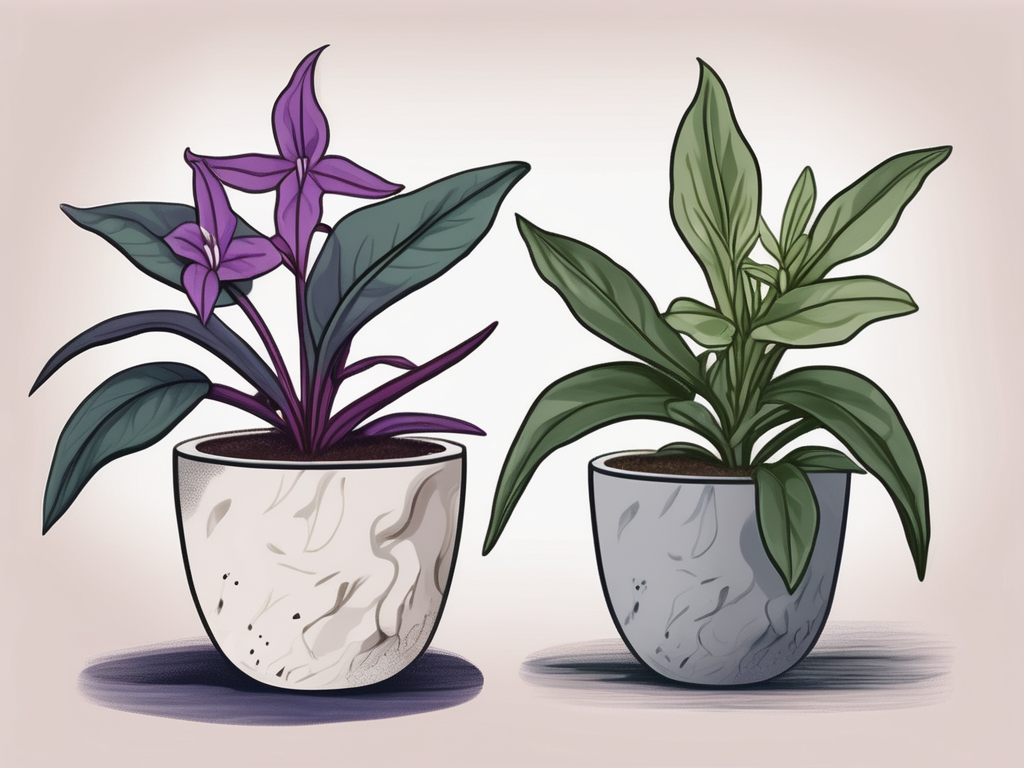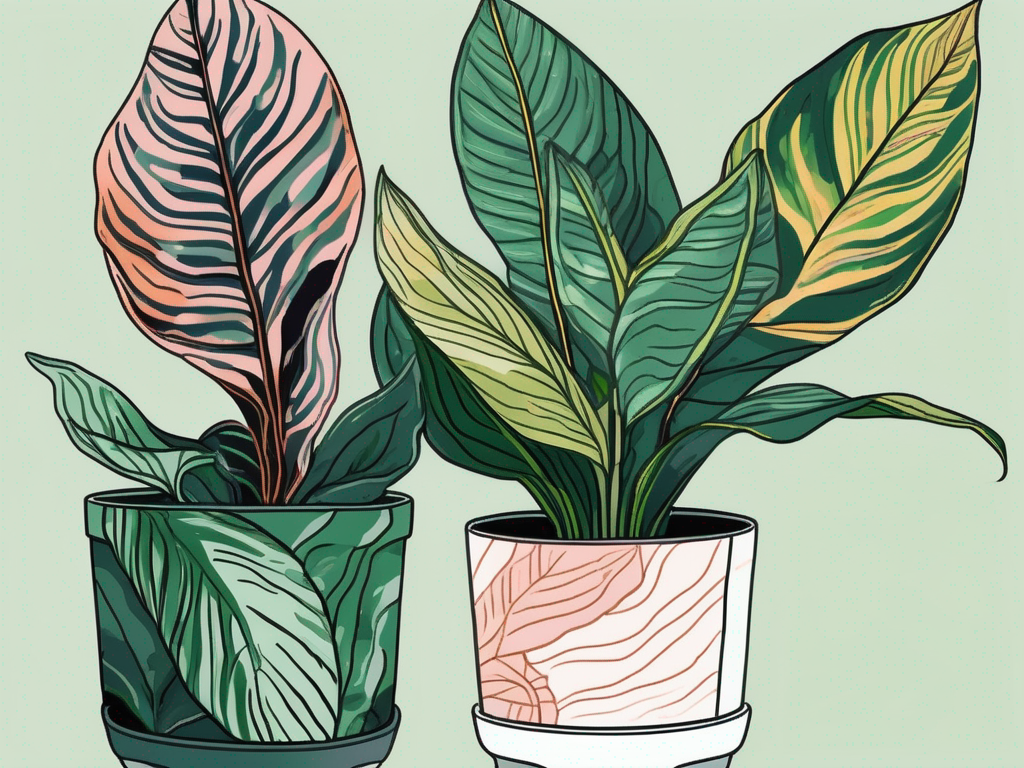
Choosing the right houseplant can feel like picking out a new family member. Both the English Ivy and the Spider Plant are popular choices for plant lovers. They each bring their unique charm and benefits to your indoor garden. But what's the actual difference between these two green beauties?
This article will take you through the specifics of English Ivy and Spider Plants, highlighting what makes each one special. From their care requirements to their role in your interior design, we'll cover all you need to know to decide which plant is the best fit for your home.
Origins and General Characteristics
Let's kick things off by getting to know these plants a little better. English Ivy, scientifically known as Hedera helix, is a classic beauty. It hails from Europe and Western Asia, known for its creeping vines that can scale walls and cover ground with ease. Its evergreen leaves and trailing growth habit give it a certain old-world charm.
On the other hand, the Spider Plant, or Chlorophytum comosum, is a native of South Africa. It's famous for its arching leaves that sprout from a central rosette, creating a spider-like appearance. Unlike the somewhat formal demeanor of the Ivy, the Spider Plant has a more relaxed, casual vibe that fits well in various settings.
Both plants have their unique looks, but they also share some similarities. They're both known for their air-purifying abilities, making them excellent choices for improving indoor air quality. So, whether you want a stately vine or a playful rosette, both plants offer more than just aesthetics.
Light and Temperature Requirements
When it comes to light, English Ivy and Spider Plants have slightly different needs. English Ivy prefers bright, indirect light but can tolerate low-light conditions, making it quite adaptable. However, if you're aiming for lush growth, a spot with ample indirect sunlight would be best.
Spider Plants, on the other hand, are often touted as being even more flexible. They thrive in bright, indirect light but can handle lower light levels better than many other houseplants. That said, if you want those iconic stripes to pop, giving them a bit more light would do the trick.
- English Ivy: Prefers bright, indirect light; tolerates low light.
- Spider Plant: Thrives in bright, indirect light; adapts well to lower light conditions.
In terms of temperature, both plants are not overly fussy, but they do have their preferences. English Ivy likes it cool, around 50-70°F (10-21°C), which aligns with typical indoor temperatures. Spider Plants prefer slightly warmer environments, ideally between 65-75°F (18-24°C). Both should be kept away from cold drafts and direct heat sources.
Watering and Humidity Needs
Watering is where these two plants start to part ways a bit more significantly. English Ivy likes its soil to be kept consistently moist but not waterlogged. It's a bit like that friend who’s always up for a coffee date but never wants to go overboard with the lattes. Overwatering can lead to root rot, so allow the top inch of soil to dry out between waterings.
Spider Plants are more forgiving when it comes to watering. They can tolerate some neglect, making them ideal for forgetful plant parents. Let the soil dry out somewhat between waterings, as they don't appreciate soggy feet.
- English Ivy: Keep soil evenly moist; avoid overwatering.
- Spider Plant: Allow soil to dry out between waterings; more drought-tolerant.
When it comes to humidity, both plants would appreciate a bit more moisture in the air, especially in drier homes. English Ivy thrives in moderate to high humidity, so misting can be beneficial. Spider Plants are less demanding but still enjoy some humidity to prevent the leaf tips from browning.
Soil and Potting Tips
Getting the soil right is crucial for any plant's health, and these two are no exception. English Ivy prefers a well-draining potting mix, something rich in organic matter but not too dense. Think of it as a good balance between holding moisture and allowing excess water to escape.
Spider Plants, being the easy-going houseguests they are, will do just fine in standard potting soil. However, to optimize their growth, a mix that drains well but retains some moisture is ideal. You can even add some perlite or sand to improve drainage.
- English Ivy: Prefers well-draining soil; rich in organic material.
- Spider Plant: Standard potting mix works; ensure good drainage.
When it comes to potting, both plants benefit from a container with drainage holes. For English Ivy, consider a hanging basket to let its vines cascade. Meanwhile, Spider Plants look stunning in either hanging pots or traditional planters where their leaves can gracefully arch over the sides.
Propagation Techniques
Propagating these green friends is a fun way to expand your plant collection or share with fellow plant lovers. English Ivy can be propagated through stem cuttings. Simply snip a healthy vine, remove the lower leaves, and place it in water or soil. Roots should develop within a few weeks, after which you can pot it up.
Spider Plants are even more straightforward. They produce offshoots, known as "pups" or "spiderettes," that can be gently removed and potted directly into soil. It's almost as if they're designed to be shared, making them perfect for gifting to friends.
- English Ivy: Propagate via stem cuttings; water or soil method.
- Spider Plant: Propagate using pups; direct planting method.
Both propagation methods are pretty forgiving, so even if you're new to plant propagation, you should find success with a little patience and care.
Pest and Disease Management
Houseplants can sometimes attract unwanted guests, and these two are no exception. For English Ivy, the usual suspects include spider mites and aphids. You can manage these pests by regularly inspecting your plant and using a gentle insecticidal soap or neem oil spray.
Spider Plants might face issues with scale insects or mealybugs. A cotton swab dipped in rubbing alcohol can help remove these pests. Regular checks and maintaining good plant hygiene are your best defenses.
- English Ivy: Watch for spider mites and aphids; use insecticidal soap.
- Spider Plant: Look out for scale and mealybugs; rubbing alcohol can help.
Both plants can also suffer from fungal issues if overwatered, so ensure proper watering and air circulation around your plants to prevent mold and mildew.
Role in Interior Design
Now, let's talk about how these plants can transform your space. English Ivy, with its classic trailing vines, brings a touch of elegance and can soften harsh lines in your home. It's perfect for hanging baskets, ledges, or even topiaries if you're feeling fancy.
Spider Plants, with their playful, arching leaves, add a lively energy to any room. They fit well in kitchens, bathrooms, or any space where you want a bit of greenery without overwhelming the decor. Their easy-going nature makes them ideal for beginners or those who prefer low-maintenance plants.
- English Ivy: Classic and elegant; great for hanging baskets and ledges.
- Spider Plant: Lively and adaptable; perfect for kitchens and bathrooms.
Both plants can complement various interior styles, from traditional to modern, making them versatile choices for any plant parent looking to add some green to their space.
Pet Safety Considerations
For those with furry friends at home, pet safety is an important consideration. Unfortunately, English Ivy is toxic to pets if ingested, causing symptoms like vomiting or diarrhea. It's best kept out of reach of curious cats and dogs.
Spider Plants, however, are non-toxic to pets, making them a safer choice for homes with animals. While some cats might be tempted to nibble on the leaves, it's generally not harmful, though it could cause mild digestive upset if eaten in large quantities.
- English Ivy: Toxic to pets; keep out of reach.
- Spider Plant: Non-toxic; generally safe around pets.
So, if pet safety is a top concern, the Spider Plant may be the better option for your household.
Final Thoughts
Both English Ivy and Spider Plants offer unique features and benefits, making them great additions to any home. Whether you prefer the classic elegance of Ivy or the playful charm of the Spider Plant, you're sure to find joy in caring for these plants.
At Cafe Planta, we’re here to help you on your plant journey. If you have questions or need guidance, don’t hesitate to email us or reach out on Instagram. Our mission is to connect people with plants and nature, whether you're a seasoned plant parent or just starting out. Let's create beautiful, thriving spaces together!