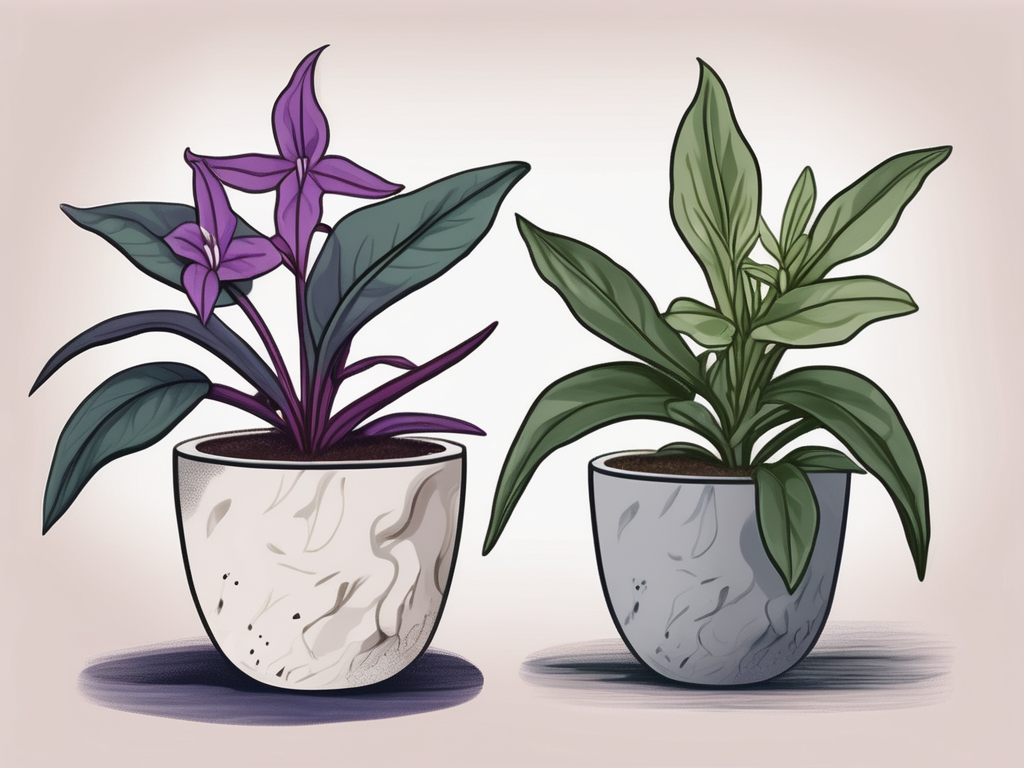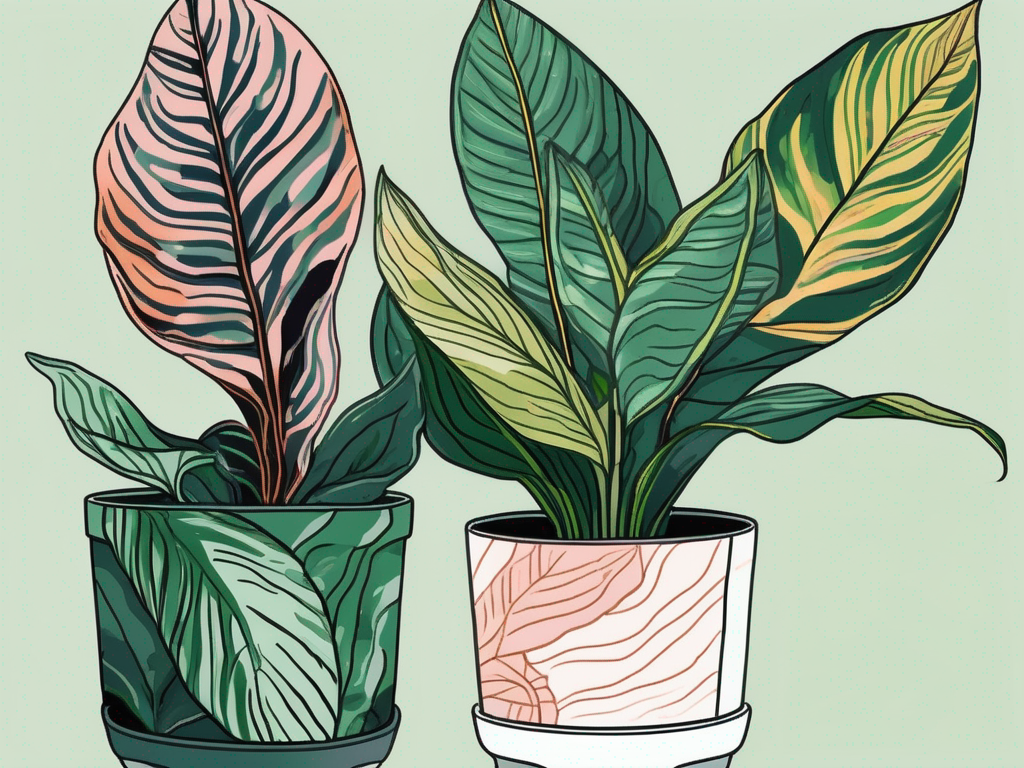
Calla lilies are the kind of flowers that can stop you in your tracks. Their elegant curves and vibrant colors make them a favorite among plant lovers. But did you know these beauties grow wild in some parts of the world? Yeah, it's true! We're about to go on a little journey to see what makes these wild calla lilies so enchanting.
In this article, we're going to check out where you can find calla lilies in their natural habitat, what makes them special, and how they manage to thrive in the wild. We’ll also sprinkle in some tips on how you can bring a touch of this wild beauty into your home. So, whether you’re a seasoned plant parent or just a curious newbie, there's something here for you.
The Natural Habitat of Calla Lilies
Calla lilies aren’t just showstoppers in your garden or home. In the wild, they thrive in their own little ecosystems that are as fascinating as the flowers themselves. Native to southern Africa, these plants are used to a variety of climates, from marshy wetlands to open grasslands. This adaptability is part of what makes them so resilient and charming.
Picture the lush landscapes of South Africa, where these lilies grow in abundance. The environment provides the perfect conditions for them—plenty of sunlight, warm temperatures, and just the right amount of moisture. This isn't just any garden variety plant we're talking about. Calla lilies in the wild have been known to grow in regions with seasonal flooding, which tells us a lot about their strong will to survive.
Interestingly, wild calla lilies have adapted to thrive in areas where other plants might struggle. They’ve developed a sort of natural resilience, making use of the sunny African plains and seasonal rains to flourish. This ability to adapt is something we can all admire, and maybe learn from, especially when we’re trying to grow them at home.
Unique Characteristics of Wild Calla Lilies
The calla lily isn’t your average flower. In the wild, it shows off some unique characteristics that aren't always apparent when you see them neatly potted in a nursery. Their natural habitat allows them to express themselves fully, without the constraints of a garden or a pot.
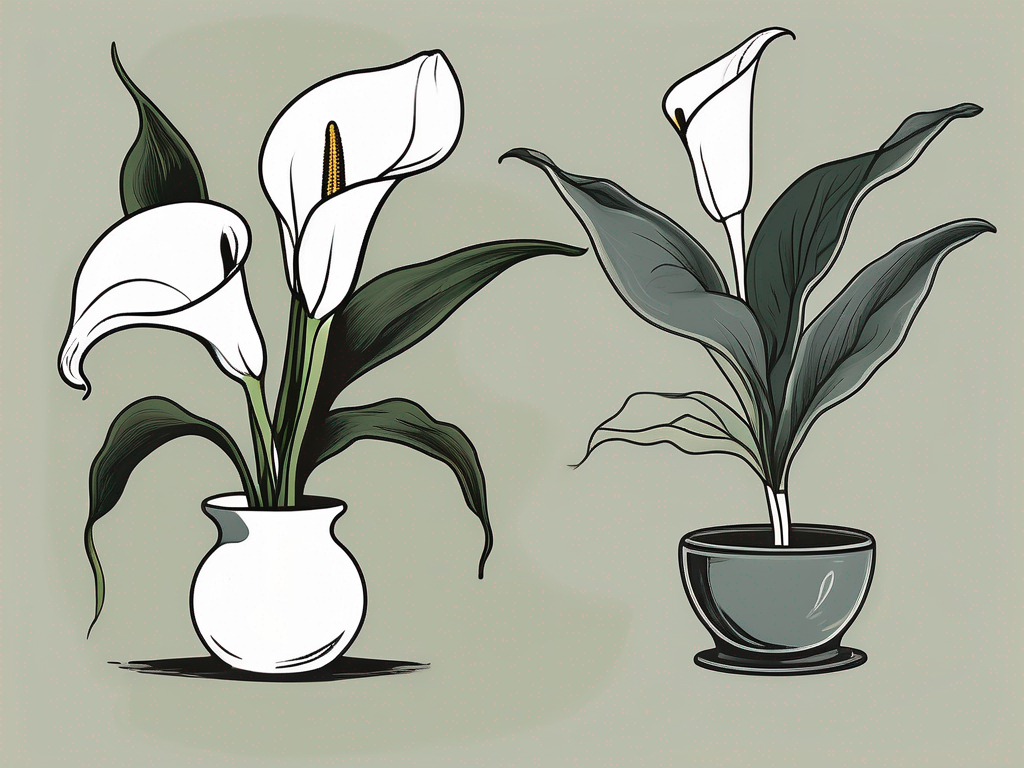
One of the most striking features of the calla lily is its flower structure. What many people think of as the flower is actually a modified leaf called a spathe, which wraps around a central spike known as the spadix. This spadix is where the actual flowers—the tiny, yellow blossoms—reside. It’s like nature’s way of tucking away a surprise for those who look closely.
In the wild, calla lilies can grow quite large, with leaves that are often spotted or streaked, adding another layer of beauty. These leaves serve a dual purpose: they capture sunlight for photosynthesis and collect rainwater, which trickles down to the roots. It’s a perfect example of how plants optimize their form for function.
And let’s not forget the colors! While white is the most common hue, wild calla lilies can surprise you with shades of pink, purple, and even yellow. These variations are influenced by the plant’s genetics and the specific conditions of its habitat. It’s nature’s way of keeping things exciting and unpredictable.
The Role of Calla Lilies in Their Ecosystem
Every plant plays a part in its ecosystem, and calla lilies are no exception. In their natural habitat, they contribute to the biodiversity and health of the environment. Their presence supports a variety of wildlife, from insects to birds, all of which rely on the lilies for nourishment and shelter.
For insects, the calla lily is like an all-you-can-eat buffet. The spadix attracts a range of pollinators, including bees, flies, and beetles. These insects visit the flowers to feed on nectar, inadvertently transferring pollen from one plant to another and ensuring the continuation of the species. It’s a mutually beneficial relationship that highlights the interconnectedness of life in the wild.
Birds, too, benefit from calla lilies. Some species are attracted to the bright colors and may use the plants as nesting sites or shelter. The presence of calla lilies can even influence the local bird population, as they provide a resource-rich environment that supports a diverse array of species.
In this way, calla lilies do more than just look pretty. They play a vital role in maintaining the balance of their ecosystem, showcasing the intricate web of life that exists in the wild.
Challenges Facing Wild Calla Lilies
While wild calla lilies are resilient, they face their own set of challenges. Like many plant species, they are affected by environmental changes and human activities. Understanding these challenges can help us appreciate the delicate balance that allows them to thrive in the wild.
Climate change is one of the biggest threats to wild calla lilies. As temperatures rise and weather patterns shift, the habitats they depend on are altered. Changes in rainfall can lead to droughts or floods, both of which can be detrimental to the lilies’ survival. It’s a poignant reminder of the broader environmental issues that impact not just calla lilies, but countless other species.
Human activity also poses a threat. Urbanization and agriculture can lead to habitat loss, reducing the space available for wild calla lilies to grow. Pollution and the use of pesticides can further harm these plants, disrupting their delicate ecosystems.
Despite these challenges, calla lilies have shown a remarkable ability to adapt. Conservation efforts are crucial in ensuring their continued survival, and raising awareness about the importance of protecting natural habitats can make a difference.
Bringing the Beauty of Calla Lilies Indoors
If you’ve fallen under the spell of calla lilies in the wild, you might be tempted to bring a bit of that magic into your home. Luckily, calla lilies make excellent indoor plants, and with a little care, you can enjoy their beauty all year round.
When bringing calla lilies indoors, it’s important to mimic their natural environment as much as possible. Start by choosing a bright spot with plenty of indirect sunlight. Calla lilies love the light, but direct sun can scorch their leaves, so a sunny windowsill with filtered light is ideal.
Next, consider the potting mix. A well-draining soil is essential, as calla lilies don’t like to sit in water. You can create your own mix by combining equal parts potting soil, peat moss, and perlite, or look for a commercial mix designed for bulbs and corms.
Watering is another crucial aspect of calla lily care. These plants prefer to be kept moist, but not soggy. Allow the top inch of soil to dry out between waterings, and be sure to empty any excess water from the saucer to prevent root rot.
With these simple tips, you can enjoy the enchanting beauty of calla lilies in your home, bringing a touch of the wild indoors.
Caring for Calla Lilies Throughout the Year
Keeping calla lilies happy at home requires a bit of attention throughout the year, but the reward is those stunning blooms that brighten up any space. So, what does it take to keep them thriving month after month?
During the growing season, typically spring and summer, calla lilies will appreciate a little extra TLC. This is the time to feed them with a balanced liquid fertilizer every two to four weeks. It’s like giving them a nutritious boost to fuel their growth and flowering.
As fall approaches, your calla lilies will naturally begin to slow down. This is a signal to ease up on the watering and let the plant enter its dormant phase. Reduce watering gradually until the leaves start to die back. At this point, you can stop watering altogether and let the plant rest.
Winter is the perfect time for calla lilies to recharge. If you’re growing them in pots, you can move them to a cool, dark place like a basement or garage. Just be careful not to expose them to freezing temperatures. Once the signs of spring start to appear, it’s time to bring them back to the light, resume watering, and watch them come back to life.
Using Calla Lilies in Home Décor
Beyond their beauty, calla lilies offer a sophisticated touch to home décor. Their simple, elegant form makes them a versatile choice for various design styles. Whether you’re going for a minimalist look or something more eclectic, calla lilies can be that perfect accent.
One popular way to incorporate calla lilies into your home is through floral arrangements. Their tall, slender stems and striking blooms make them an ideal choice for both bouquets and standalone displays. A single calla lily in a glass vase can add a touch of elegance to any room, while a bunch of mixed colors can create a vibrant, eye-catching centerpiece.
If you’re feeling creative, you can experiment with different containers and arrangements. Try pairing calla lilies with other flowers and foliage for a layered look, or use them to create a monochromatic scheme that highlights their natural beauty.
Calla lilies also work well in more permanent displays, such as framed botanical prints or dried flower arrangements. These options offer a way to enjoy their beauty even after the blooming season has ended.
Calla Lilies: A Symbolic Flower
Calla lilies carry a rich symbolism that adds depth to their beauty. Historically, they’ve been associated with purity, rebirth, and beauty, making them a popular choice for weddings and other celebrations. Their timeless elegance and classic form convey a sense of grace and sophistication.
In some cultures, calla lilies are also seen as symbols of transformation and growth. This is likely due to their ability to thrive in various conditions and their striking appearance, which can change dramatically depending on their environment.
Whether you’re drawn to their symbolism or simply love their aesthetic, calla lilies offer a meaningful addition to any space. They’re a reminder of the beauty and resilience that can be found in nature, and a testament to the power of plants to inspire and uplift us.
Learning from Wild Calla Lilies
There’s a lot we can learn from wild calla lilies. Their ability to adapt and thrive in challenging environments offers valuable lessons for both plant care and life in general. By observing how they grow in the wild, we can gain insights into how to better care for them in our homes.
One key takeaway is the importance of providing the right conditions. In the wild, calla lilies thrive in areas with plenty of sunlight and moisture, so replicating these conditions at home can help them flourish. Paying attention to their needs and adjusting care based on the seasons can make all the difference in their health and longevity.
Another lesson is resilience. Calla lilies have shown an incredible ability to adapt to changing environments, which is something we can all strive for. Whether it’s dealing with unexpected changes or finding ways to grow in new circumstances, the calla lily’s journey is a reminder of the power of perseverance and adaptability.
Final Thoughts
Calla lilies, whether found in the wild or grown at home, offer a blend of beauty and resilience that captivates us. From their natural habitats in southern Africa to the pots on our windowsills, these plants have a charm that's hard to resist. By learning about their unique traits and care needs, we can enjoy these stunning blooms all year round.
Here at Cafe Planta, we’re passionate about helping you bring that beauty into your home. Whether you're looking for the perfect plant accessory or some advice on how to care for your calla lilies, we're here to help. Feel free to reach out via email or connect with us on Instagram. We believe in the power of plants to transform spaces and lives, and we’re excited to share that journey with you.