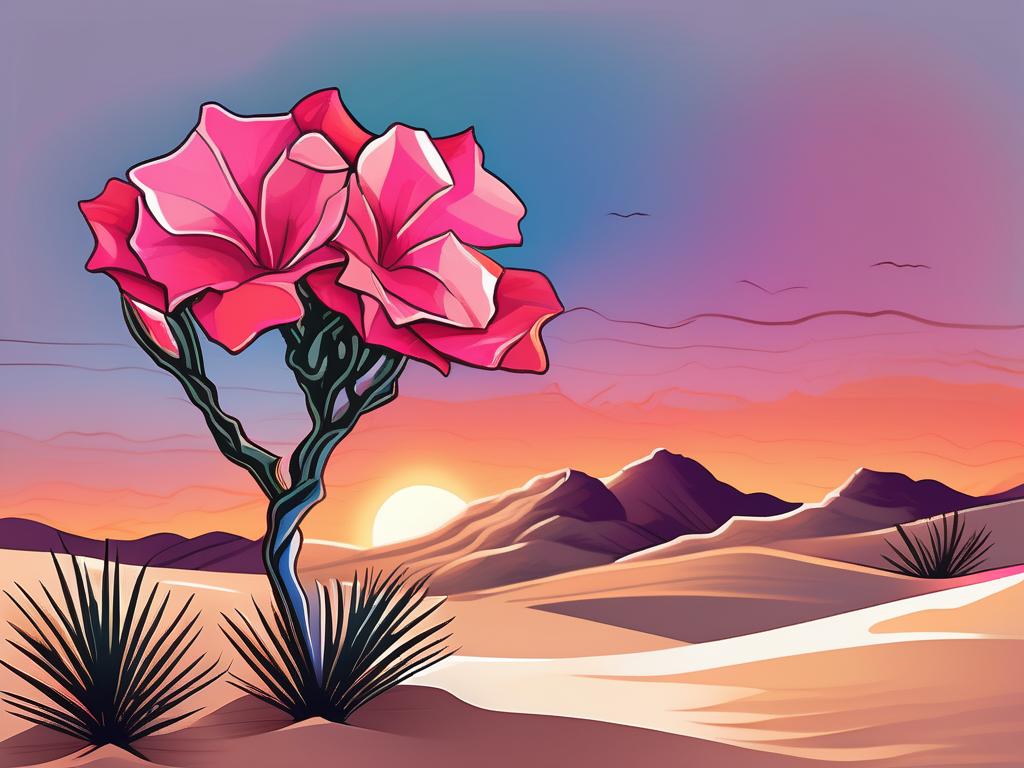
The Desert Rose, with its striking appearance and hardy nature, often feels like a plant straight out of a fairy tale. Found in the arid landscapes of Africa and the Middle East, this plant is a master of survival and beauty. Its twisted trunk and vibrant blooms make it a favorite among plant lovers and a fascinating subject for anyone interested in the wonders of nature.
In this article, we'll journey through the wild habitat of the Desert Rose, uncover its unique characteristics, and learn how to bring a touch of its magic into our homes. From exploring its natural environment to practical care tips, we'll look at what makes the Desert Rose such a captivating plant.
The Natural Habitat of the Desert Rose
Imagine a landscape where the sun blazes down, and the earth is a tapestry of browns and reds. This is the home of the Desert Rose, scientifically known as Adenium obesum. Found in the semi-arid regions of sub-Saharan Africa and the Arabian Peninsula, this plant thrives where others might wither away.
The Desert Rose has adapted to these harsh conditions with a unique set of features. Its thick, succulent trunk stores water, allowing it to survive long dry spells. The waxy coating on its leaves minimizes water loss, and its deep roots search for moisture far below the ground surface.
The plant's ability to withstand extreme temperatures and scarce rainfall makes it a true survivor. It’s no wonder that in the wild, the Desert Rose often grows in rocky outcrops and sandy soils, places where it can soak up the sun and make the most of any available water.
The Unique Beauty of Desert Rose Blooms
One of the most enchanting features of the Desert Rose is its flowers. These blooms can range from soft pinks to deep reds, creating a vivid contrast against the plant's rugged trunk. The flowers are funnel-shaped and can be quite large, sometimes appearing in clusters that cover the entire plant.
The blooming period usually falls in the warmer months when the plant has ample sunlight. In the wild, these flowers attract a variety of pollinators, including bees and hummingbirds, helping the plant reproduce and spread across its native habitat.
For plant lovers, the sight of a Desert Rose in full bloom is a sight to behold. The vibrant colors and unique shape of the flowers are a testament to the plant's resilience and adaptability. It's as if the Desert Rose is saying, "Look at me! I can thrive in the toughest conditions and still be beautiful."
How to Cultivate Desert Rose in Your Home
Bringing the Desert Rose into your home can add a touch of exotic beauty and a sense of resilience to your plant collection. Despite its hardy nature, cultivating this plant indoors requires some specific care to mimic its natural environment.
Choosing the Right Spot
First, consider the lighting. The Desert Rose loves sunlight, so a south-facing window where it can soak up the rays is ideal. If you notice the plant stretching or its leaves turning pale, it might be a sign that it needs more light.
Potting and Soil
When it comes to potting, drainage is key. Use a well-draining soil mix, similar to what you'd use for cacti and succulents. A pot with drainage holes will prevent water from pooling at the bottom, which could lead to root rot.
Watering Tips
Water the Desert Rose sparingly. During the growing season, water it thoroughly, then let the soil dry out completely before watering again. In the dormant season, reduce the watering frequency to prevent over-watering.
Understanding the Growth Cycle
The growth cycle of the Desert Rose is quite unique, with distinct periods of growth and dormancy. Understanding this cycle is crucial for providing the right care and ensuring the plant thrives.
Active Growth Period
During the warmer months, the Desert Rose enters its active growth phase. This is when you'll notice new leaves and potentially more flowers. It's an exciting time for plant parents, as the Desert Rose shows off its full potential.
Dormant Period
As temperatures cool, the Desert Rose enters dormancy. You might notice some leaf drop, which is completely normal. During this period, it's essential to reduce watering and avoid fertilizing, allowing the plant to rest until the cycle begins again.
Common Pests and How to Handle Them
Like any plant, the Desert Rose can fall victim to pests. However, with a little vigilance, you can keep these unwelcome guests at bay and ensure your plant remains healthy.
Aphids
These small insects often congregate on new growth and flower buds. A gentle spray of water or a mixture of water and mild soap can help dislodge them.
Spider Mites
Spider mites thrive in dry conditions and can cause leaves to become stippled or discolored. Increasing humidity and regularly misting the plant can deter these pests.
Routine checks and keeping the plant clean will go a long way in preventing infestations. If you notice any pests, act quickly to prevent them from spreading.
Propagation: Growing New Desert Roses
Propagating a Desert Rose can be a rewarding project. Whether you're a seasoned plant parent or a novice, growing a new Desert Rose is entirely achievable.
Seeds
The most common method is from seeds. After flowering, the plant produces seed pods that can be harvested once they mature. Plant the seeds in a sandy soil mix and keep them warm and moist until they germinate.
Cuttings
Alternatively, you can grow a new plant from cuttings. Take a healthy cutting, dip it in rooting hormone, and plant it in a well-draining soil mix. Keep it warm and provide indirect light until roots develop.
Both methods require patience, but the reward of watching a new Desert Rose grow is worth the effort.
Incorporating Desert Rose into Interior Design
The Desert Rose is more than just a plant; it's a statement piece that can elevate any room. Its bold structure and vibrant blooms make it a perfect candidate for adding an exotic touch to your home decor.
Choosing the Right Pot
Consider the pot as part of the overall aesthetic. A clay or ceramic pot can complement the natural beauty of the plant. Ensure it has drainage holes to keep the plant healthy.
Placement
The Desert Rose works well as a focal point on a shelf or table, especially in a well-lit room. It pairs beautifully with other succulents or cacti, creating a miniature desert landscape right in your living room.
By thoughtfully incorporating the Desert Rose into your interior design, you can create a space that's not only visually stunning but also filled with the story of nature's resilience.
Final Thoughts
The Desert Rose is a remarkable plant, blending beauty with the ability to thrive in harsh conditions. From its wild habitats to our living rooms, it captivates with its resilience and charm.
At Cafe Planta, we're passionate about helping you care for your plants and create a thriving collection in your home. Whether you have questions or need plant care accessories, feel free to email us, or connect with us on Instagram. We're here to support your plant journey every step of the way!