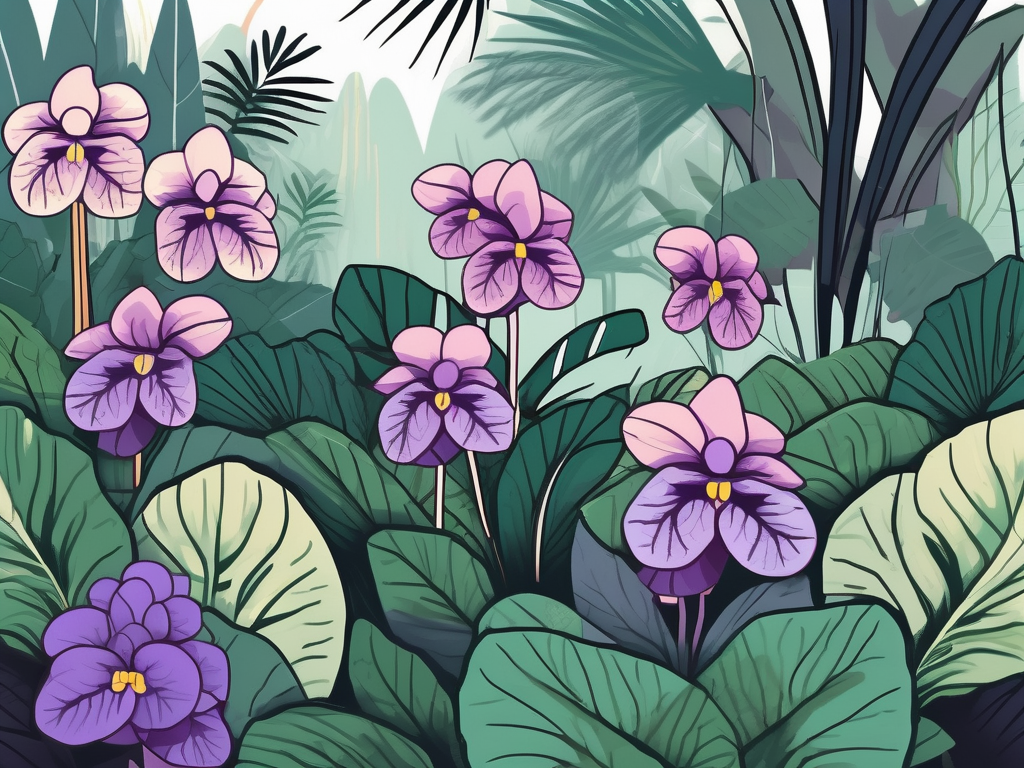
African violets, with their vibrant blooms and fuzzy leaves, have charmed countless plant lovers around the world. But have you ever wondered where these popular houseplants originally came from? Understanding their natural habitat can provide insights into how to best care for them in our homes.
In this article, we'll journey to the misty mountains of East Africa, where African violets make their home. We'll explore the unique conditions of their environment and discuss how you can replicate these settings to help your own African violets thrive.
The Birthplace of African Violets
African violets originate from the tropical regions of East Africa, particularly in the countries of Tanzania and Kenya. These plants were discovered in the late 19th century by a German colonial officer named Baron Walter von Saint Paul-Illaire, after whom the genus Saintpaulia was named. Imagine stumbling upon these delightful plants while exploring the lush forests of Africa!
In their native habitat, African violets grow in the cool, humid forests of the Usambara Mountains. These areas are often shrouded in mist, providing the perfect microclimate for African violets. The forest canopy filters sunlight, creating a dappled light effect on the forest floor where these plants thrive.
The soil in their natural environment is generally rich in organic matter, thanks to the constant decomposition of fallen leaves and other plant material. This creates a well-draining yet moisture-retentive substrate, perfect for African violets' delicate root systems. Understanding this natural setting is key to replicating it in our homes.
Light Conditions of the Usambara Mountains
One of the most critical elements of African violets' natural habitat is the light condition. In the wild, these plants are accustomed to the filtered light that penetrates through the dense tree canopy. This offers a clue as to why African violets do best in bright, indirect light when kept indoors.
If you've ever noticed your African violet looking a bit unwell, it might be due to improper lighting. Too much direct sunlight can scorch their leaves, while too little light can stunt their growth and reduce flowering. A spot near a north or east-facing window often provides just the right amount of light.
For those who don't have ideal window space, artificial lighting can be a lifesaver. Fluorescent lights placed about 12 inches above the plants can mimic the natural conditions of their native habitat. It's like giving them a cozy little cloud of light right in your living room!
Humidity: The Misty Embrace
The forests of East Africa are known for their high humidity, often wrapped in a comforting mist. African violets thrive in these conditions, which can pose a bit of a challenge in our often dry indoor environments. But don't worry, there are simple ways to increase humidity for your plant babies.
One effective method is to place a shallow tray filled with pebbles and water under the pot. As the water evaporates, it creates a humid microclimate around the plant. Just make sure the pot is not sitting directly in water, as this could lead to root rot.
Alternatively, grouping plants together can help create a collective humidity zone. It's like having a little plant community that supports each other in their growth journey. And let's face it, they look great together!
Temperature Preferences of African Violets
In their natural habitat, African violets enjoy a moderate temperature range, typically between 65 and 75 degrees Fahrenheit. They are not fans of extreme temperatures, and sudden changes can stress them out. Just like us, they appreciate a stable and comfortable environment.
If you notice your African violets looking a bit down, check the room temperature. Avoid placing them near cold drafts or heat sources like radiators. Keeping them in a steady, moderate-temperature room can do wonders for their overall health and happiness.
While African violets can tolerate slight fluctuations, consistently maintaining this temperature range will keep them blooming beautifully. Think of it as setting the thermostat to their comfort zone, ensuring they're as cozy as possible.
Soil: A Foundation for Growth
The soil in the Usambara Mountains is rich in organic material, providing an ideal growing medium for African violets. When potting these plants at home, it's crucial to use a mix that mimics this natural environment. Luckily, creating the perfect soil mix isn't as daunting as it sounds.
African violets prefer a light, well-draining soil. You can use a commercial African violet potting mix, which is specifically formulated to meet their needs. If you're feeling adventurous, you can create your own blend using equal parts peat moss, perlite, and vermiculite.
This combination ensures that the soil retains moisture without becoming waterlogged. It's like giving your violets a plush mattress to grow on, allowing their roots to breathe and stretch comfortably.
Watering: Quenching Their Thirst
Watering African violets can be a bit tricky, as they prefer to stay evenly moist, much like the forest floors of their native habitat. Overwatering or letting them dry out completely can lead to problems, but with a little practice, you'll get the hang of it.
A good rule of thumb is to water when the top inch of soil feels dry to the touch. Use room-temperature water to avoid shocking the roots, and water from the bottom if possible. This method prevents water from splashing onto the leaves, which can cause spotting or rot.
If you're watering from the top, be gentle and aim for the base of the plant. Picture it as a gentle rain shower rather than a torrential downpour. Consistency is key, and your violets will thank you with stunning blooms.
Feeding Your African Violets
In the wild, African violets receive a steady supply of nutrients from the organic matter in the soil. To replicate this, it's essential to provide them with regular feeding in the form of a balanced fertilizer. This helps them maintain their vibrant blooms and healthy foliage.
Use a fertilizer specifically designed for African violets or a general-purpose houseplant fertilizer at half strength. During the growing season, typically spring and summer, feed your plants every 4 to 6 weeks. In the dormant months, you can ease up on the feeding schedule.
Think of it as a gentle nudge to encourage growth without overwhelming them. Remember, moderation is key when it comes to feeding these delicate beauties.
Common Challenges and Solutions
Even though African violets are pretty resilient, they can face a few challenges. From pests like aphids and spider mites to diseases such as powdery mildew, knowing how to address these issues is crucial for keeping your plants healthy.
If you notice any pests, gently washing the leaves with a mild soap solution can often do the trick. For fungal issues, improving air circulation around the plants and avoiding overhead watering can help prevent outbreaks.
Regularly inspecting your plants and catching problems early can save you a lot of trouble down the road. It's all about being attentive and proactive, much like a vigilant plant parent.
Creating a Cozy Home for Your African Violets
Now that we've covered the essentials of replicating the African violets' natural habitat, let's talk about integrating them into your home decor. These charming plants are not only beautiful but also versatile, fitting into various interior styles.
Consider placing them on windowsills, shelves, or table tops where they can receive adequate light. You can even create an indoor garden by grouping them with other humidity-loving plants. It's like crafting a little slice of the Usambara Mountains right in your home.
With their vibrant colors and textures, African violets can add a touch of elegance and warmth to any space. They're a testament to the beauty and resilience of nature, right in the comfort of your living room.
Final Thoughts
In summary, understanding the natural habitat of African violets provides valuable insights into how to care for them effectively. By mimicking the conditions of their East African home, you can help your violets thrive and grace your space with their lovely blooms.
At Cafe Planta, we're passionate about helping you care for your plants. We offer a variety of houseplants and accessories, perfect for creating a thriving plant collection. If you have any questions, feel free to email us or reach out on Instagram. We're excited to share our love of plants with you!