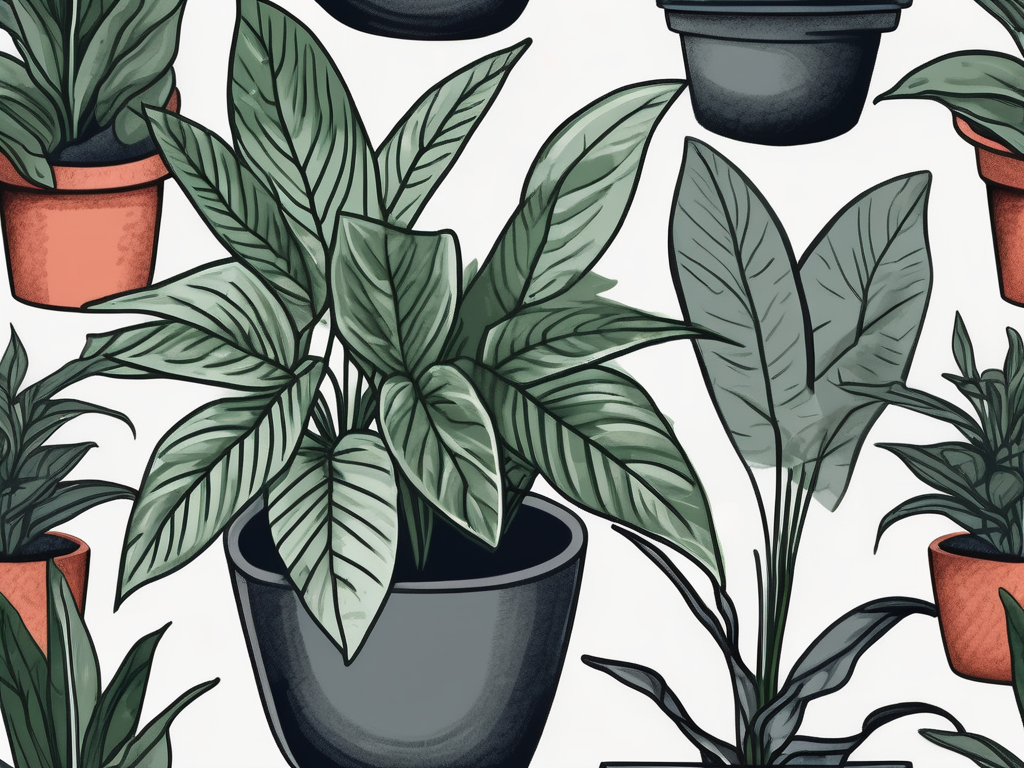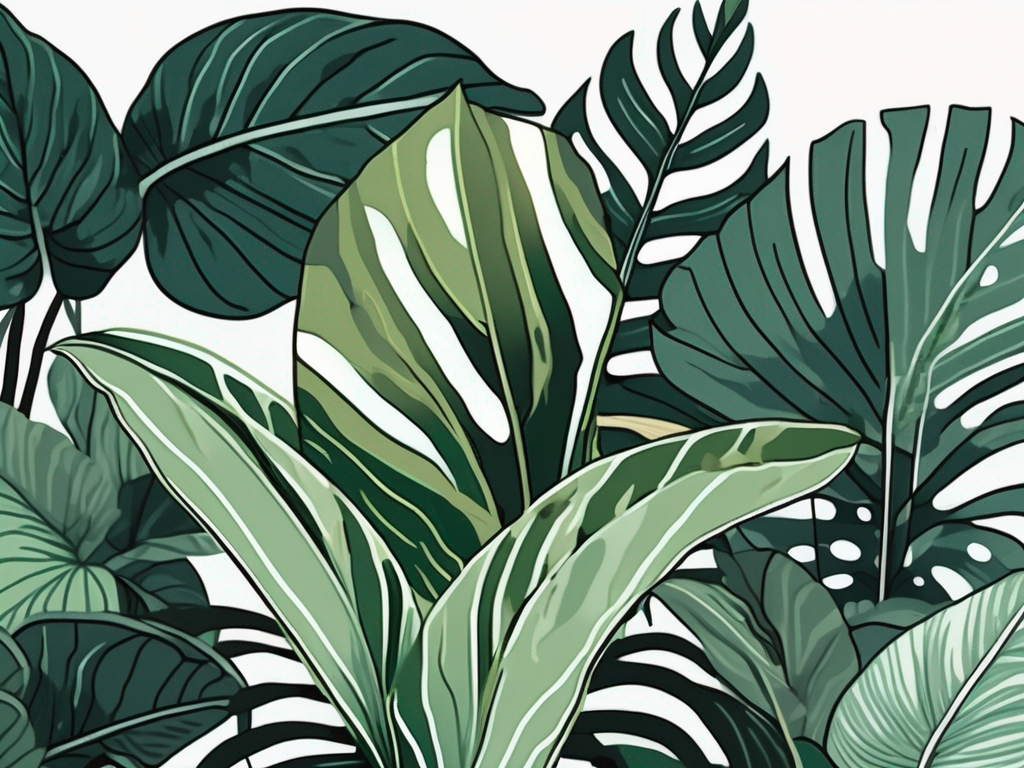
Picture this: You're wandering through a dense, vibrant jungle somewhere in Southeast Asia. The air is thick with humidity, and the ground is a lush carpet of greens in every shade imaginable. Among the dense foliage, you spot a familiar face—the Aglaonema, or Chinese Evergreen. It's a plant many of us know and love, often found gracing the corners of living rooms and offices. But what is it like in its natural habitat?
In this article, we're going to take a closer look at where Aglaonema comes from. We'll explore its natural surroundings, how it thrives in the wild, and what we can learn from this to improve our care for Aglaonema at home. Get ready to discover the world of Aglaonema like never before!
Aglaonema: The Basics
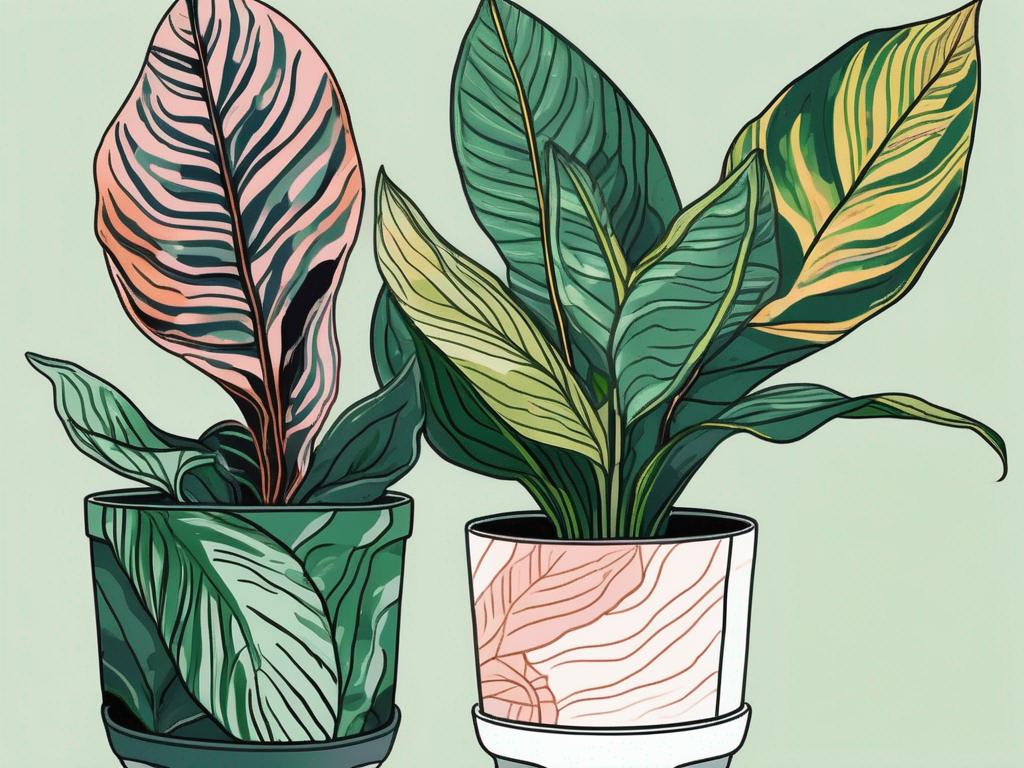
Before we dive into the jungle, let's chat about what makes Aglaonema such a popular choice for plant lovers. Known for its attractive, patterned leaves, the Chinese Evergreen is not just a pretty face. It's a hardy plant, making it perfect for both beginners and seasoned plant parents. But why is it so resilient?
Aglaonema is part of the Araceae family, which also includes other popular houseplants like the Monstera and Philodendron. These plants have adapted over time to thrive in low-light conditions, which is why you often see them in office spaces or dimly lit rooms. They're not fussy about water, either. Overwatering is a common mistake, but Aglaonema has a way of bouncing back from a missed watering or two, thanks to its thick, waxy leaves that help retain moisture.
Its natural habitat offers a few clues as to why Aglaonema is so adaptable. Native to the tropical and subtropical regions of Asia, this plant is used to a warm, humid climate. It grows as an understory plant, thriving beneath the canopy of taller trees. This means it gets dappled sunlight rather than direct rays, which it has adapted to over centuries. Understanding these conditions can provide us with some helpful hints for caring for Aglaonema in our homes.
The Geography of Aglaonema's Natural Habitat
Aglaonema is native to the rainforests of Southeast Asia, including countries like Thailand, Malaysia, Indonesia, and the Philippines. These regions are known for their rich biodiversity, hosting a wide variety of plant and animal species. The climate here is warm year-round, with temperatures typically ranging from 70°F to 90°F (21°C to 32°C). Rain is frequent, contributing to the high humidity levels that these plants thrive in.
The landscape is often rugged, with dense forests covering mountainous terrains. The soil is rich and well-draining, a crucial factor for Aglaonema's growth. These plants are found in lowland and upland forests, where they grow as ground cover or climb up tree trunks. The dappled light filtering through the canopy provides just the right amount of sunlight without being too harsh.
In these forests, Aglaonema plays a role in the ecosystem by providing habitat and food for various insects and small animals. The plant's ability to grow in low-light conditions allows it to spread across the forest floor, where it can take advantage of the limited sunlight that penetrates the dense canopy. This adaptability is a key factor in its success as a houseplant, as it can tolerate a range of indoor lighting conditions.
How Aglaonema Thrives in the Wild
In its natural habitat, Aglaonema has developed several adaptations to help it survive and thrive. One of these is its ability to grow in low-light conditions. The forest canopy above filters sunlight, creating a shaded environment on the forest floor. Aglaonema's leaves are large and broad, allowing them to capture as much light as possible in these conditions.
The plant's root system is another adaptation that helps it survive in the wild. Aglaonema has a shallow root system, which allows it to take advantage of the nutrients and moisture in the top layer of soil. This is important in the rainforest, where the soil can become compacted and nutrient-poor over time. The roots are also able to anchor the plant securely, even in the loose, leaf-littered forest floor.
Aglaonema also has a natural resistance to pests and diseases. In the wild, it must contend with a variety of insects and pathogens. Its thick, waxy leaves provide a barrier to many pests, and the plant produces chemicals that deter herbivores from feeding on it. This natural resilience translates well to its role as a houseplant, where it is less susceptible to common indoor plant pests like spider mites and aphids.
Lessons from the Wild for Indoor Aglaonema Care
Understanding the natural habitat of Aglaonema gives us valuable insights into how to care for it at home. Here are some practical tips inspired by its jungle origins:
- Light: Mimic the dappled sunlight of the rainforest by placing your Aglaonema in a spot with bright, indirect light. Too much direct sunlight can scorch its leaves, while too little will slow its growth.
- Water: Keep the soil consistently moist, but not waterlogged. Allow the top inch of soil to dry out between waterings. Remember, Aglaonema's natural habitat is humid, so aim for a similar environment indoors.
- Humidity: Increase humidity around your plant by misting it regularly, placing it on a pebble tray filled with water, or using a humidifier. This will help prevent the edges of its leaves from browning.
- Soil: Use a well-draining potting mix to replicate the nutrient-rich forest floor. A mix designed for tropical plants, or one that includes perlite or orchid bark, is ideal.
By taking cues from its natural habitat, we can help Aglaonema thrive in our homes, bringing a bit of the jungle's beauty into our living spaces.
Aglaonema's Role in the Ecosystem
In the wild, Aglaonema is more than just a pretty plant—it's an important part of the ecosystem. Its presence contributes to the overall health and diversity of the rainforest. Let's take a closer look at some of the roles it plays:
- Ground Cover: Aglaonema's ability to spread across the forest floor helps prevent soil erosion. Its roots stabilize the soil, reducing the impact of heavy rains and runoff.
- Habitat: The dense foliage of Aglaonema provides shelter for a variety of insects and small animals. Its leaves offer protection and a place to hide from predators.
- Pollination: While Aglaonema's flowers are not particularly showy, they do produce a small amount of nectar that attracts pollinators. Insects like bees and butterflies play a role in the plant's reproduction by transferring pollen between flowers.
Understanding Aglaonema's ecological significance can deepen our appreciation for this plant and inspire us to care for it thoughtfully in our homes.
Common Misconceptions About Aglaonema
Despite its popularity, there are a few myths about Aglaonema that need debunking. Let's clear up some common misconceptions:
- Aglaonema is Hard to Kill: While it's true that Aglaonema is resilient, it's not invincible. Overwatering is the most common mistake that leads to root rot. Pay attention to the plant's needs and adjust watering accordingly.
- It Doesn't Need Light: Aglaonema can tolerate low light, but it won't thrive without some indirect sunlight. If your plant isn't growing or its leaves are turning yellow, it might need more light.
- All Varieties are the Same: There are many varieties of Aglaonema, each with its own unique patterns and colors. Some are more tolerant of low light than others, so it's important to know which variety you have to provide the best care.
By dispelling these myths, we can ensure that our Aglaonema plants stay healthy and vibrant, adding a touch of nature's beauty to our indoor spaces.
Popular Aglaonema Varieties
Aglaonema comes in a dazzling array of varieties, each with its own unique charm. Here are a few popular ones you might encounter:
- Aglaonema 'Silver Bay': Known for its striking silver and green foliage, this variety is a favorite among plant lovers for its elegant appearance.
- Aglaonema 'Siam Aurora': This variety features vibrant red and green leaves, adding a pop of color to any room. It's a great choice for those looking to make a bold statement with their plant decor.
- Aglaonema 'Maria': With its dark green leaves and silver markings, 'Maria' is a classic choice that complements a wide range of interior styles.
- Aglaonema 'Red Emerald': This variety boasts deep red and green leaves, creating a rich, tropical look that's perfect for adding warmth to any space.
Each variety has its own light and care requirements, so it's important to research your specific plant to ensure it receives the best possible care.
Designing with Aglaonema in Your Home
Aglaonema isn't just a plant—it's a versatile design element that can enhance any home decor. Here are some ideas for incorporating Aglaonema into your space:
- Create a Focal Point: Use a large Aglaonema variety as a centerpiece on a dining table or coffee table. Its striking foliage will draw the eye and add a touch of nature to the room.
- Layer with Other Plants: Pair Aglaonema with other tropical plants like ferns and philodendrons to create a lush, indoor jungle. Vary the heights and textures for a dynamic look.
- Brighten Dark Corners: Since Aglaonema can tolerate low light, it's perfect for brightening up dim corners or hallways. Use a decorative pot that complements your decor for an added touch of style.
- Mix and Match Varieties: Combine different Aglaonema varieties with varying leaf colors and patterns to create a visually interesting display. This is a great way to showcase the plant's diversity.
By incorporating Aglaonema into your home design, you can enjoy its beauty while benefiting from its air-purifying qualities. It's a win-win for both aesthetics and well-being!
Aglaonema Care: Tips for Thriving Plants
Now that you know more about Aglaonema's natural habitat and its role in your home, let's go over some practical care tips to ensure your plant thrives:
- Light: Place your Aglaonema in a location with bright, indirect light. Avoid direct sunlight, which can scorch the leaves.
- Water: Water your plant when the top inch of soil feels dry. Be careful not to overwater, as this can lead to root rot.
- Humidity: Increase humidity around your plant by misting it regularly, placing it on a pebble tray, or using a humidifier.
- Temperature: Keep your Aglaonema in a warm environment, ideally between 65°F to 80°F (18°C to 27°C).
- Fertilizer: Feed your plant with a balanced liquid fertilizer every 4-6 weeks during the growing season (spring and summer).
With these tips in mind, you'll be well-equipped to care for your Aglaonema and enjoy its beauty for years to come.
Final Thoughts
We've journeyed through the lush rainforests of Southeast Asia to uncover the natural habitat of Aglaonema and discovered how its unique adaptations make it such a resilient and beautiful houseplant. From its role in the ecosystem to practical care tips for your home, there's so much to appreciate about this remarkable plant.
At Cafe Planta, we're passionate about helping you bring the beauty of nature into your home. Whether you're a seasoned plant parent or just starting out, we offer a variety of houseplants, care accessories, and plant-themed apparel to suit your needs. If you have any questions or need tips on caring for your plants, feel free to reach out via email or connect with us on Instagram. Let's grow together!