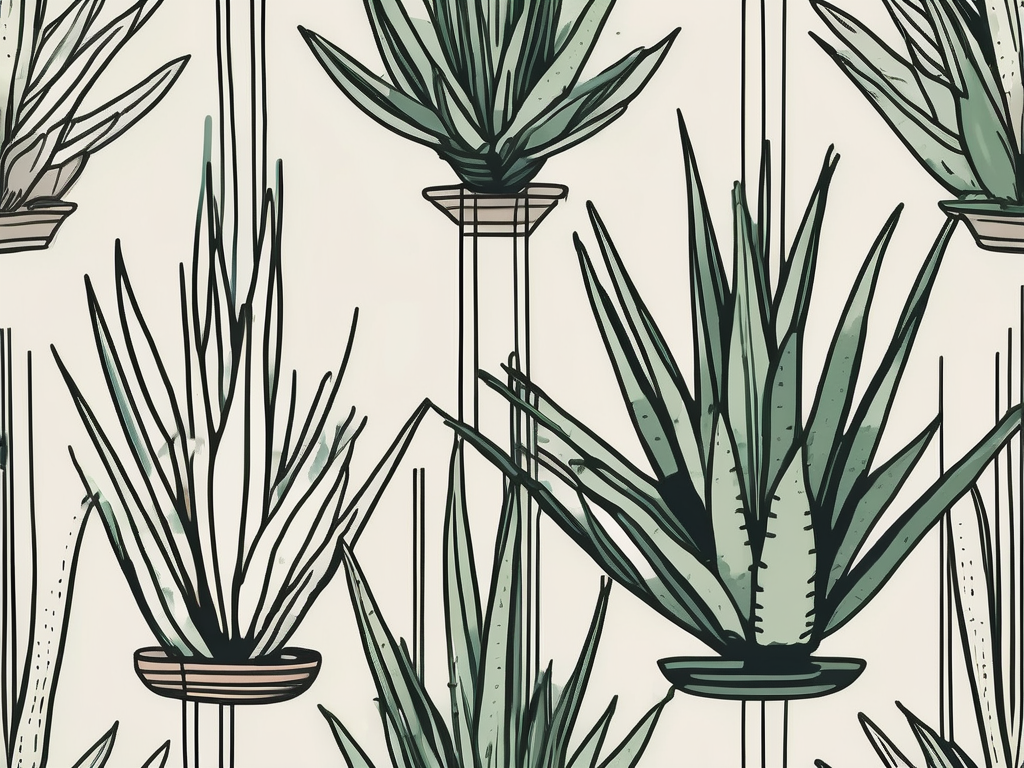
Sansevieria, often known as the "snake plant," is a popular choice for those wanting to bring a touch of greenery into their homes. But have you ever wondered where these striking plants originate? While they're commonly seen on windowsills and in plant shops, Sansevierias have a fascinating natural history that stretches across various regions of the world.
In this article, we'll take a closer look at the natural habitat of Sansevieria. We'll explore the environments where they thrive in the wild and how these conditions inform the care they need as houseplants. From understanding their resilience to drought to learning about their role in local ecosystems, there's a lot to discover about these unique plants.
The Origins of Sansevieria
Sansevieria traces its roots to the arid regions of Africa, Madagascar, and southern Asia. These plants have adapted to survive in some rather challenging conditions, which speaks to their hardy nature. They can be found from dry, rocky areas to more lush environments, where they often grow alongside other succulents.
Interestingly enough, the snake plant's ability to thrive in such diverse settings is part of what makes it so suited for domestic life. In their natural habitat, Sansevierias have adapted to withstand harsh sunlight, irregular rainfall, and poor soil. This resilience translates to their popularity among plant lovers who may not have the greenest thumb.
Their natural environments are often characterized by:
- Arid Climates: These plants are used to minimal water, which explains why overwatering is a common problem when caring for them indoors.
- High Temperatures: Sansevierias can handle the heat, making them great for sunny spots in your home.
- Poor Soil Conditions: In the wild, they grow in sandy or rocky soil, which is why a well-draining potting mix is crucial for their indoor care.
By learning about where Sansevierias come from, we can better understand their needs and how to mimic these conditions in our homes for healthier plants.
Adapting to the Wild
One of the most fascinating aspects of Sansevieria is its adaptability. These plants have evolved several features that allow them to flourish in challenging environments. In their natural habitat, they face threats like grazing animals and extreme weather, yet they've developed strategies to survive and even thrive.
Some of these adaptations include:
- Thick Leaves: The thick, fleshy leaves of the snake plant are designed to store water, allowing the plant to endure periods of drought.
- CAM Photosynthesis: Unlike most plants, Sansevierias use Crassulacean Acid Metabolism (CAM) photosynthesis, which allows them to open their stomata at night to minimize water loss.
- Tough Leaf Structure: The rigid structure of their leaves deters herbivores and withstands environmental stress.
These unique characteristics have not only helped Sansevierias survive in the wild but also made them incredibly resilient as houseplants. For indoor plant parents, this means less maintenance and a forgiving nature, especially if you sometimes forget to water your plants!
Sansevieria in African Landscapes
Sansevierias are a common sight in the African landscapes where they originated. In these regions, they often grow in clusters, forming dense mats that help prevent soil erosion. This makes them an important part of the local ecosystem, providing stability to the soil and habitat for various small creatures.
In Africa, Sansevierias can be found in:
- Open Grasslands: Here, they thrive in the sun, often competing with grasses and shrubs for resources.
- Rocky Hillsides: Their ability to grow in shallow soil makes them well-suited to rocky terrains.
- Forest Edges: They can also be found at the edges of forests, where they take advantage of the filtered sunlight.
The presence of Sansevierias in such diverse settings highlights their versatility and resilience. Understanding these natural habitats can give us insights into how to better care for them indoors, ensuring they receive the right amount of light and space to thrive.
The Role of Sansevieria in Local Ecosystems
Beyond their striking appearance, Sansevierias play a crucial role in their native ecosystems. They provide food and shelter for various species and contribute to the overall health of their environment. In some cultures, these plants are also used for medicinal purposes, highlighting their importance beyond just being a pretty face.
Some of the ecological roles of Sansevieria include:
- Soil Stabilization: By forming dense mats, they help prevent erosion, protecting the soil from being washed away during heavy rains.
- Wildlife Habitat: Small animals and insects often take refuge among Sansevieria plants, which offer protection from predators.
- Medicinal Uses: In some cultures, Sansevieria has been used for traditional remedies, believed to help with a variety of ailments.
Their environmental contributions serve as a reminder of the interconnectedness of nature and how each plant plays a part in a larger system. This understanding can deepen our appreciation for these hardy plants and inspire us to care for them with more intention and respect.
Caring for Sansevierias at Home
Knowing the natural habitat of Sansevieria gives us valuable insights into how to care for them as houseplants. While they're known for being low-maintenance, there are a few tips to ensure they remain healthy and vibrant in your home.
Here are some practical care tips to consider:
- Light Requirements: While they can tolerate low light, Sansevierias prefer bright, indirect sunlight, mimicking the conditions of open grasslands or forest edges.
- Watering Needs: Less is more when it comes to watering. Allow the soil to dry completely between waterings to prevent root rot, a common issue for these plants.
- Soil and Potting: Use a well-draining potting mix, such as one designed for succulents, to replicate their natural rocky soil conditions.
By providing conditions that echo their natural habitat, you can help your Sansevieria thrive indoors, bringing a piece of their wild history into your home.
Common Varieties of Sansevieria
While the classic "snake plant" is the most recognized, there are numerous varieties of Sansevieria, each with its unique characteristics. These variations offer plant lovers a range of options to suit different tastes and interior design styles.
Some popular varieties include:
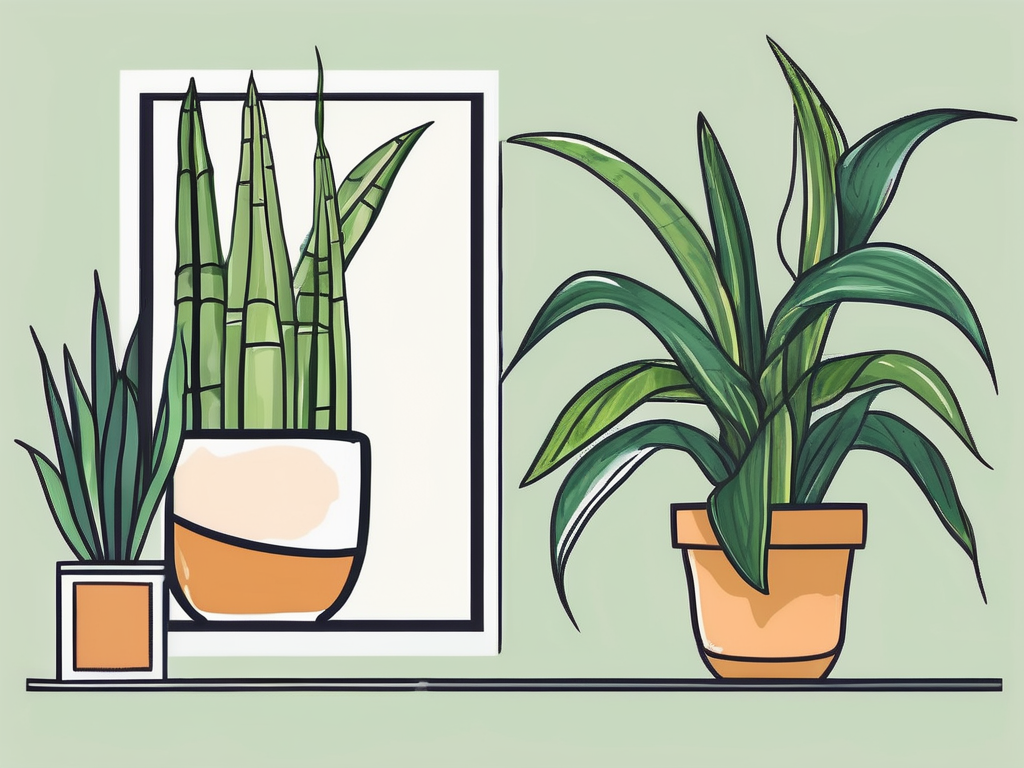
- Sansevieria trifasciata: Known for its tall, upright leaves with horizontal patterns.
- Sansevieria cylindrica: Features cylindrical leaves that grow in a fan shape, adding a modern touch to any decor.
- Sansevieria 'Moonshine': Offers a silvery-green color, perfect for adding a soft, subtle hue to your plant collection.
Exploring the different types of Sansevieria can be a fun way to expand your plant collection while also learning more about their diverse forms in the wild.
Sansevieria and Air Purification
One of the reasons Sansevierias have become household favorites is their reputation for improving indoor air quality. Studies have shown that these plants can filter out toxins like formaldehyde, benzene, and xylene, making them a healthy addition to your living space.
This air-purifying capability links back to their natural ability to survive in various environments. By participating in CAM photosynthesis, they can continue to absorb carbon dioxide at night, which is not only beneficial to them but also to us as they release oxygen.
Having a few Sansevierias around your home can contribute to a fresher, cleaner atmosphere, aligning with their role as natural air purifiers in the wild.
Creating a Sansevieria-Friendly Space
If you're looking to incorporate Sansevieria into your home decor, consider how their natural habitat can inspire your design choices. These plants bring a bold yet elegant touch to any room, making them versatile enough for various styles.
Here are some ideas for showcasing Sansevieria in your home:
- Minimalist Decor: Their sleek, architectural lines make them perfect for modern, minimalist spaces.
- Grouping with Other Plants: Mix and match different varieties of Sansevieria for an interesting and textured plant corner.
- Accent Pieces: Use them as statement pieces in decorative pots or planters to add height and drama to a room.
By considering their natural settings, you can create a Sansevieria-friendly space that not only looks beautiful but also supports the plant's well-being.
Final Thoughts
Sansevierias are more than just a trendy houseplant. Their rich history and natural resilience make them a fascinating addition to any home. From understanding their origins in arid landscapes to appreciating their role in local ecosystems, there's a lot to admire about these hardy plants.
At Cafe Planta, we're passionate about sharing our love for plants with you. Whether you're an experienced plant parent or just starting your journey, our selection of houseplants, care accessories, and plant-themed apparel can help you create a thriving plant collection. If you have any questions about plant care, feel free to email us or reach out on Instagram. We're here to support your plant journey and help you connect with nature.