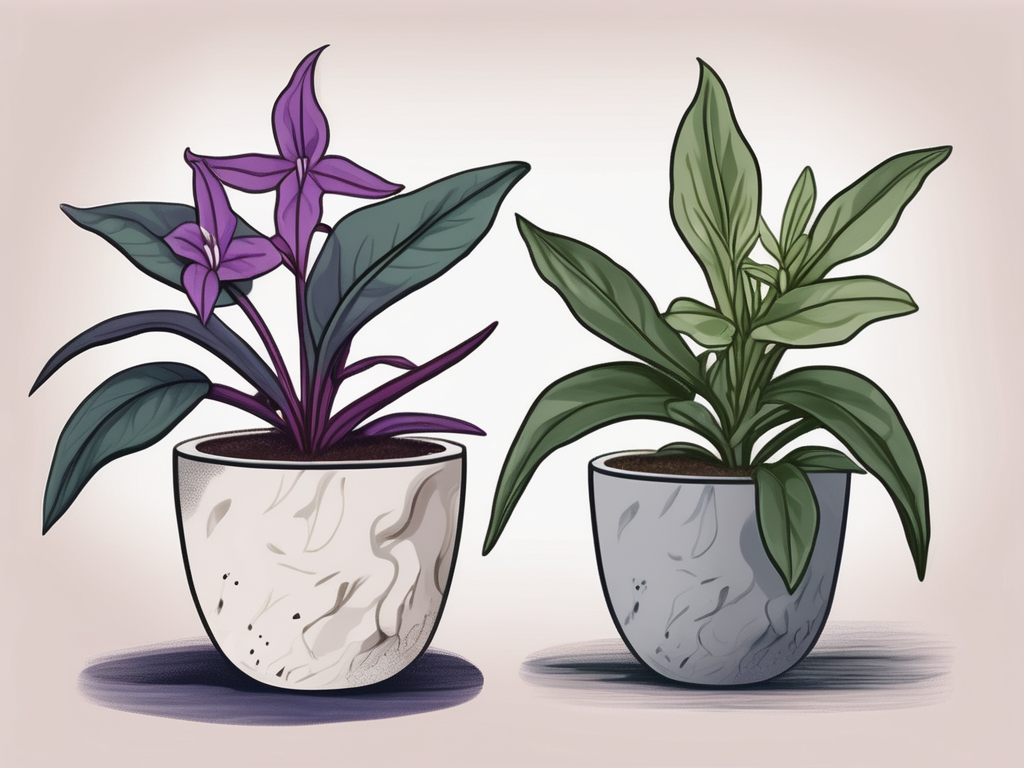
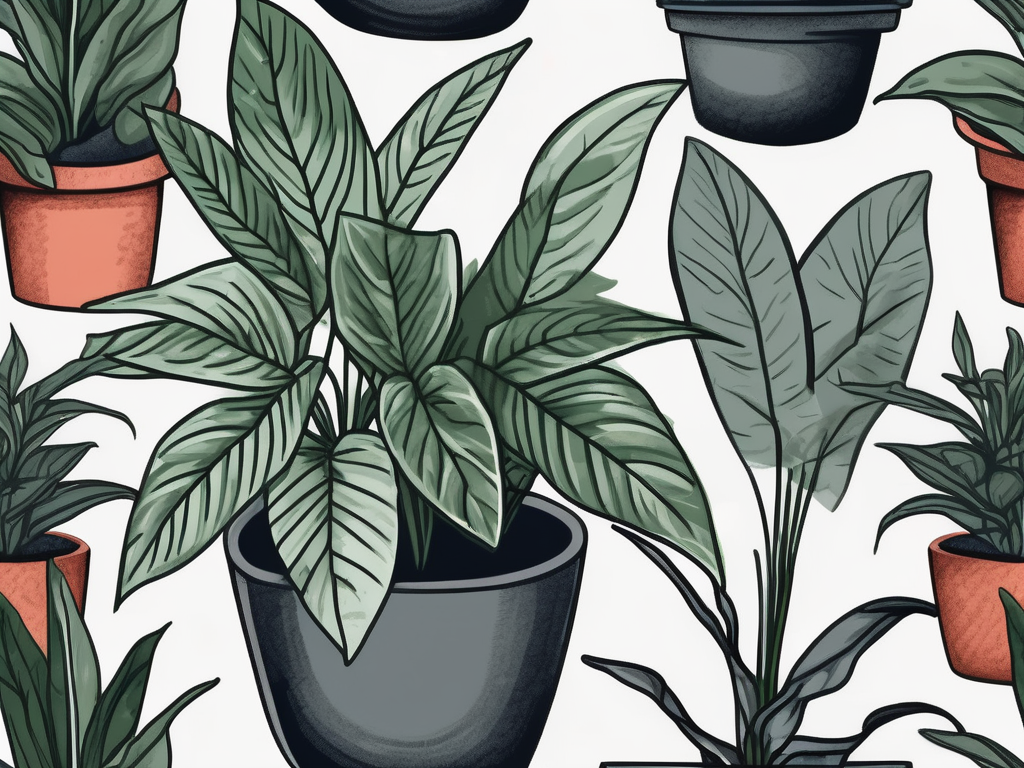
Have you ever wondered about the natural habitat of the Purple Waffle Plant, with its uniquely textured leaves and striking colors? This intriguing plant, scientifically known as Hemigraphis alternata, has captured the attention of many plant lovers. But what makes it so special, and where does it come from?
In this article, we’ll journey through the native environment of the Purple Waffle Plant, uncovering the secrets of its thriving habitat. We’ll also touch on how understanding its origins can help you better care for this plant in your home. So, let’s dive into the world of the Purple Waffle Plant and discover its natural charm.
Origins of the Purple Waffle Plant
Let’s start with where the Purple Waffle Plant hails from. This fascinating plant is native to the tropical regions of Southeast Asia, primarily found in India and Indonesia. It thrives in warm, humid environments, often growing in the underbrush of dense forests.
In its natural habitat, the Purple Waffle Plant is accustomed to dappled sunlight filtering through the forest canopy. This setting provides a perfect balance of light and shade, allowing the plant to develop its characteristic vibrant purple and green leaves. The humidity levels in these regions are high, contributing to the plant’s lush appearance and healthy growth.
If you’ve ever been to a tropical rainforest or seen pictures of one, you’ll know they’re rich in biodiversity and have a complex ecosystem. The Purple Waffle Plant fits right in, growing alongside other tropical beauties and benefiting from the nutrient-rich, well-drained soil that these environments naturally provide.
Climate and Conditions
Understanding the climate and conditions of the Purple Waffle Plant’s natural habitat is crucial for replicating them in your home. As a tropical plant, it thrives in warm temperatures, ideally between 60°F and 80°F (15°C to 27°C). While it can tolerate slightly cooler conditions, prolonged exposure to cold can stunt its growth or even cause damage.
The humidity levels in its native environment are typically above 70%. This high humidity helps keep the plant’s leaves hydrated and prevents them from becoming dry or brittle. If you’re trying to grow a Purple Waffle Plant indoors, maintaining a similar level of humidity can be challenging, but it’s not impossible.
Here are a few tips to mimic its natural conditions:
- Use a humidifier: Placing a humidifier near your plant can help maintain the moisture levels it needs.
- Group plants together: Plants release moisture into the air, so clustering them can create a microenvironment with higher humidity.
- Mist the leaves: Spraying the leaves with water occasionally can also help keep them moist.
By understanding these climate conditions, you can create a more suitable environment for your Purple Waffle Plant at home.
Light Requirements
In the wild, the Purple Waffle Plant thrives in areas with filtered light, protected from the harsh rays of the sun by the forest canopy. This means that while it loves plenty of light, direct sunlight can be too intense and may cause its leaves to scorch or fade.
To mimic this natural light condition indoors, place your plant in a spot where it can enjoy bright, indirect sunlight. Think of locations like:
- Near a north or east-facing window: These windows provide gentle morning light, which is less intense than afternoon sunlight.
- Behind sheer curtains: This can help filter the light and protect the plant from direct sun exposure.
- Under artificial grow lights: If natural light is limited, grow lights can provide the necessary illumination without the risk of sunburn.
By paying attention to the light conditions, you’ll help your Purple Waffle Plant maintain its vibrant colors and healthy growth.
Soil Preferences
In the wild, Purple Waffle Plants are used to growing in well-draining, nutrient-rich soil. This type of soil allows water to flow through quickly, preventing the roots from sitting in too much moisture, which can lead to root rot.
For indoor planting, you’ll want to replicate these conditions by choosing a suitable potting mix. A good option is a standard houseplant mix with added perlite or sand for improved drainage. You might also consider adding organic matter like compost to provide extra nutrients.
When repotting or planting a new Purple Waffle Plant, ensure the pot has drainage holes to allow excess water to escape. This will help maintain the right moisture balance and prevent potential root issues.
By catering to its soil preferences, you can give your Purple Waffle Plant a strong foundation for growth and health.
Watering Needs
The Purple Waffle Plant’s watering needs are closely tied to its native environment. In the humid tropics, it receives regular rainfall and benefits from consistently moist soil. However, the key is to ensure the soil is moist, not soggy.
To strike the right balance, water your plant when the top inch of the soil feels dry to the touch. This will typically mean watering once a week, but the frequency can vary depending on your home’s humidity and temperature.
Here are some tips to help with watering:
- Use room temperature water: Cold water can shock the plant’s roots.
- Water thoroughly: Ensure the water reaches the roots by watering until it drains through the bottom of the pot.
- Reduce watering in winter: During the plant’s dormant period, it requires less water.
Getting the watering right will keep your Purple Waffle Plant happy and healthy, minimizing the risk of issues like root rot or leaf drop.
Temperature and Humidity
As mentioned earlier, the Purple Waffle Plant favors warm, humid environments. To keep your plant comfortable, try to maintain indoor temperatures that mimic its natural habitat. Avoid placing it near drafts, air conditioning vents, or heaters, as these can create fluctuating temperatures that stress the plant.
For humidity, aim for levels above 50%. While this is lower than its native environment, it’s typically more feasible for most homes. If you notice the tips of the leaves browning, it may be a sign that humidity levels are too low. In such cases, you can increase humidity by misting the plant or using a pebble tray with water beneath the pot.
By keeping a close eye on temperature and humidity, you’ll help your Purple Waffle Plant thrive and avoid stress-related problems.
Common Challenges and Solutions
Even with the best care, you might encounter a few challenges when growing a Purple Waffle Plant. Here are some common issues and how to address them:
- Leaf discoloration: If the leaves turn yellow or brown, it could be due to overwatering, underwatering, or too much sunlight. Check your watering routine and adjust the plant’s location if needed.
- Pests: Aphids and spider mites are common pests. Treat infestations with insecticidal soap or neem oil.
- Fungal issues: High humidity can sometimes lead to fungal problems. Ensure good air circulation around the plant and avoid wetting the leaves when watering.
By staying vigilant and addressing issues promptly, you can keep your Purple Waffle Plant looking its best.
Incorporating the Purple Waffle Plant into Your Home
The Purple Waffle Plant isn’t just a pretty face—it’s also a versatile addition to your home decor. With its striking foliage, it can add a pop of color and texture to various settings.
Consider placing it:
- In a hanging basket: The trailing habit of the plant makes it perfect for hanging arrangements.
- On a windowsill: As long as it’s not in direct sunlight, a windowsill can provide the bright, indirect light it needs.
- In a terrarium: Its love for humidity makes it a great candidate for a closed terrarium setup.
With these creative placements, you can enjoy the beauty and benefits of the Purple Waffle Plant throughout your home.
Final Thoughts
Exploring the natural habitat of the Purple Waffle Plant offers valuable insights into how to care for it in your home. By understanding its origins, you can replicate its ideal conditions and enjoy a thriving, vibrant plant.
At Cafe Planta, we’re passionate about helping you care for your plants. Whether you’re looking for plant care accessories or unique houseplants, we’ve got you covered. If you have any questions, please feel free to email us, send a DM on Instagram, or visit our shop to explore our curated collection. We're excited to join you on your plant journey!