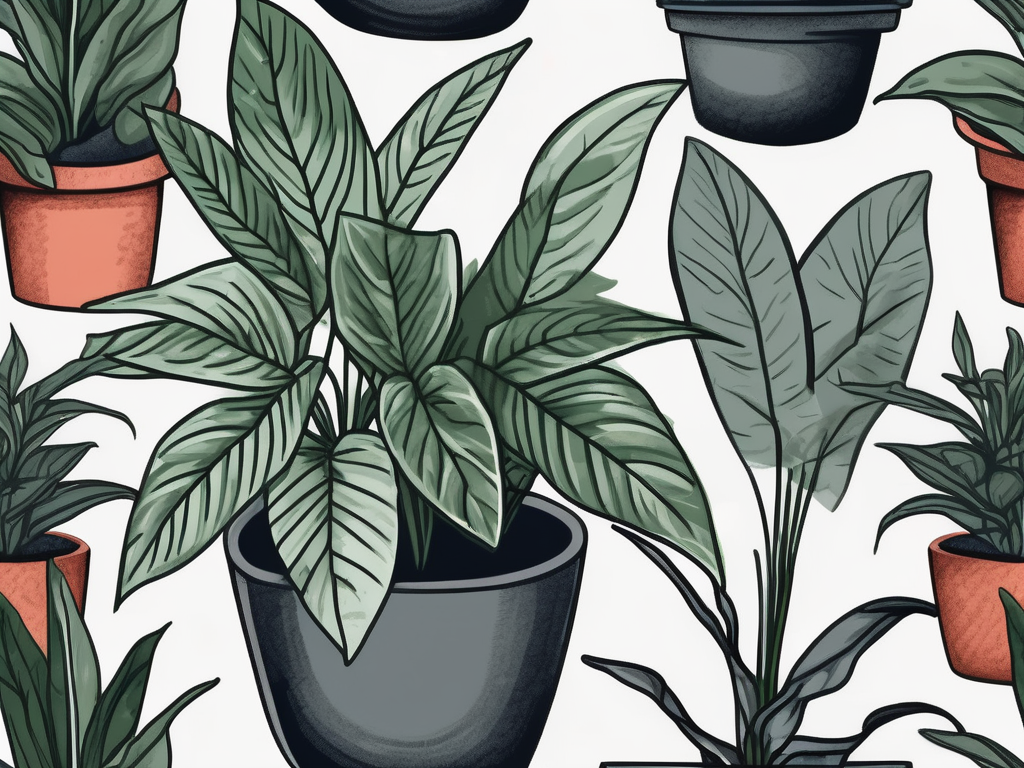
Tradescantia, often known for its vibrant leaves and easygoing nature as a houseplant, actually has a fascinating life beyond our living rooms. You might be surprised to learn that this plant has its roots in diverse natural habitats, thriving in conditions many of us might not expect. Understanding where Tradescantia grows naturally can give us insights into how to care for it at home, making it a more rewarding companion in our plant collections.
In this article, we'll journey through the natural environments where Tradescantia flourishes, taking a closer look at the conditions that make these places ideal for its growth. We'll also explore how these insights can inform the way we care for these plants indoors. So, grab a comfy seat, maybe pour yourself a cup of tea, and let's get into the wild world of Tradescantia.
The Origins of Tradescantia
Tradescantia, also known as spiderwort, has a story that begins in the lush regions of Central and South America. These plants are rather adventurous, having spread their charm across the globe. But when we talk about their origins, we’re looking at places like Mexico, Guatemala, and Brazil. In these countries, Tradescantia has been flourishing for centuries, adapting to various climates and terrains.
These plants are often found in forests, where they grow under the canopy of trees. This is a crucial point because it tells us that Tradescantia naturally thrives in areas with filtered light rather than direct sunlight. The forest floor offers moist soil rich with organic matter, which is another characteristic of its natural habitat. Understanding this helps us recreate similar conditions at home, ensuring our Tradescantia feels right at home on our windowsills or hanging baskets.
Moreover, these regions experience a tropical climate, with warm temperatures and high humidity levels. It’s no wonder then that Tradescantia loves a bit of humidity, often doing well in bathrooms or kitchens where the air is naturally more humid. While they’ve adapted to various conditions, recognizing their roots in these tropical climates can guide us in providing the best care for them indoors.
Adapting to Different Environments
One of the most interesting aspects of Tradescantia is its adaptability. While it prefers the tropical conditions of its native habitats, it can adjust to a variety of environments. This adaptability is part of why it's become so popular as a houseplant. But how exactly does Tradescantia manage to thrive in such diverse conditions?
First off, Tradescantia is a resilient plant, capable of withstanding some neglect. Whether it's a bit of forgetfulness when it comes to watering or a less-than-ideal lighting situation, Tradescantia can bounce back. This resilience is partly due to its ability to store water in its leaves, allowing it to survive dry spells. However, it’s still important to try to mimic its natural environment as closely as possible for optimal growth.
Tradescantia's ability to grow in low light conditions is another factor that has helped it adapt to indoor life. In the wild, it often grows in the shade of taller plants, so it’s naturally suited to less direct light. This makes it perfect for those spots in your home that don’t get bright sunlight all day. Just remember, while it can tolerate low light, a bit of indirect sunlight will keep its colors vibrant and its growth steady.
Observing Tradescantia in the Wild
Seeing Tradescantia in its natural habitat can be a real eye-opener. If you ever have the chance to visit regions where it grows wild, you'll notice just how different it looks compared to our potted versions. In the wild, Tradescantia can spread quite extensively, often forming dense mats along the forest floor. This growth habit allows it to take advantage of the moisture in the soil, which is crucial in the tropical climates it calls home.
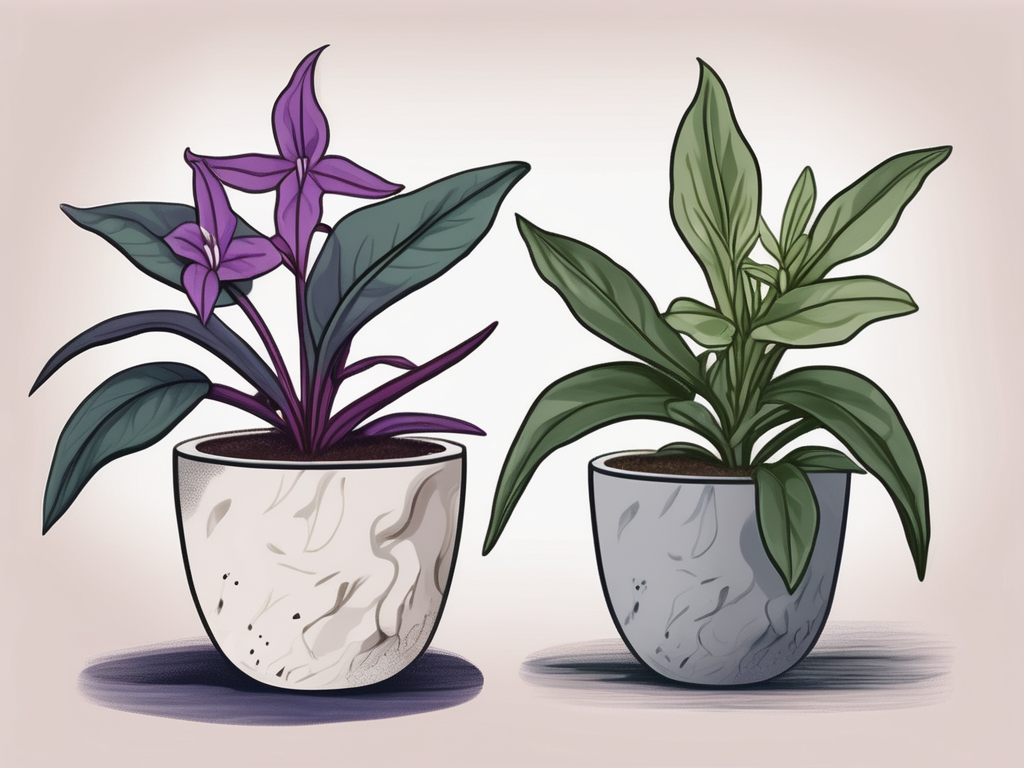
Another aspect that stands out is the plant’s vibrant color. In nature, Tradescantia can display a range of hues, from deep purples to bright greens, depending on the species and environmental conditions. This color variation is partly why it’s so beloved by plant lovers. These colors are often more pronounced in the wild, where the plant receives the right balance of light, temperature, and humidity.
In observing Tradescantia in its natural surroundings, you might also notice the wildlife interactions. These plants play a role in the ecosystem, providing shelter and sometimes food for small creatures. Understanding these interactions can give us a deeper appreciation for Tradescantia, reminding us that it’s not just a pretty face, but an important part of its native habitat.
The Role of Soil and Water
Let’s talk dirt—literally. In the wild, Tradescantia grows in soil that’s a bit different from what we might have in our gardens or plant pots. The soil in its natural habitat is typically rich in organic matter, well-drained, and slightly acidic. This combination allows for good moisture retention without becoming waterlogged, providing the roots with the perfect environment to thrive.
Replicating these soil conditions at home isn’t too tricky. You can use a standard potting mix and add a bit of perlite or sand to improve drainage. Some plant parents also mix in compost to mimic the organic richness of Tradescantia’s natural soil. This helps the plant get the nutrients it needs and prevents root rot, which can be a common issue if the soil retains too much moisture.
Watering is another critical factor. In its native environment, Tradescantia benefits from regular rainfall, but it’s also adapted to survive short dry periods. At home, this translates to watering when the top inch of soil feels dry. Overwatering can lead to problems like root rot, so it’s essential to let the soil dry out a bit between waterings. Finding that balance can make all the difference in keeping your Tradescantia happy and healthy.
Light Requirements in Natural and Artificial Settings
As we’ve touched on earlier, light plays a significant role in Tradescantia’s life. In the wild, it grows in areas with filtered or dappled sunlight, thanks to the canopy of trees overhead. This natural light setting helps maintain the vivid colors and healthy growth of the plant. But how do we replicate this indoors?
Indoors, Tradescantia thrives in bright, indirect light. A spot near a window where it can receive morning sunlight or filtered light throughout the day is ideal. Too much direct sunlight can cause the leaves to scorch, while too little light can lead to leggy growth. If you’re working with a particularly dark space, consider using a grow light to supplement the natural light, ensuring your Tradescantia gets what it needs to flourish.
Interestingly enough, the color of Tradescantia leaves can serve as a guide to how much light it’s getting. If the colors start to fade, it might not be receiving enough light. On the other hand, if the leaves look bleached or scorched, it’s likely getting too much direct sunlight. Adjusting its position can help find the sweet spot where your Tradescantia can really shine.
Temperature and Humidity Preferences
Temperature and humidity are two more pieces of the puzzle when it comes to caring for Tradescantia. In their natural habitat, these plants enjoy warm temperatures and high humidity, which are hallmarks of tropical climates. This preference is something to keep in mind when trying to make them comfortable indoors.
Tradescantia prefers temperatures between 65°F and 75°F, which conveniently aligns with the average indoor climate. This makes them easy to care for in most homes. However, they don’t appreciate sudden temperature changes, so keeping them away from drafts or direct heat sources is a good idea.
Humidity is another factor that can influence the health of your Tradescantia. In the wild, they thrive in humid conditions, so if your home is particularly dry, especially during the winter months, you might want to consider increasing the humidity around your plant. This can be done by misting the leaves, placing a humidifier nearby, or setting the pot on a tray of pebbles and water.
Pests and Natural Defenses
In their natural environments, Tradescantia plants have developed a few defenses against pests. While they can still fall victim to common plant pests like aphids and spider mites, their resilience often helps them bounce back. In the wild, they benefit from natural predators and environmental conditions that keep pest populations in check.
At home, keeping an eye out for these pests is crucial. Regularly inspecting your Tradescantia for signs of trouble, like discolored leaves or a sticky residue, can help catch any infestations early. If you do spot pests, there are several natural remedies you can try. Neem oil and insecticidal soap are popular choices that can help eliminate pests without harming the plant.
Creating conditions that mimic their natural habitat can also help prevent pest issues. Healthy plants are less likely to suffer from pest problems, so maintaining proper light, water, and humidity levels can be a strong line of defense. It’s all about creating a balanced environment where your Tradescantia can thrive without unwanted guests.
Bringing the Outdoors In
Now that we have a sense of Tradescantia's life in the wild, how do we bring that essence into our homes? The goal is to provide an environment that mirrors their natural conditions as closely as possible, while also fitting into our lives and spaces.
Start by choosing the right spot for your Tradescantia. Consider areas with bright, indirect light and a bit of humidity. Bathrooms or kitchens often work well, but any well-lit room can be suitable. Hanging baskets or pots that allow the plant to cascade can also mimic its natural growth habit, adding a touch of wild beauty to your home.
Incorporating other elements from their natural habitat can enhance their environment. For instance, you might place your Tradescantia near other plants to create a mini-ecosystem, similar to the plant communities they thrive in naturally. This not only benefits the plants but also creates a more dynamic and interesting space in your home.
Final Thoughts
Tradescantia's natural habitat provides a wealth of insights into how we can best care for these vibrant plants at home. From understanding their light and water needs to recognizing the importance of temperature and humidity, these observations can help us create environments where our Tradescantia can thrive.
At Cafe Planta, we're passionate about helping you connect with your plants and create beautiful, thriving spaces in your home. Whether you're looking for new plant additions or need advice on plant care, we're here to assist. Feel free to reach out via email or connect with us on Instagram. We believe in the power of plants to bring people together and inspire connections with nature. Happy planting!