When you think about plants in the wild, your mind might wander to the lush canopies of the Amazon or the diverse flora of the African savanna. Yet, there's a fascinating niche in the plant world that doesn't always get the spotlight it deserves: geo plants. These unique species thrive in specific geographic locations, often tied to particular soil types or climate conditions. What makes them truly intriguing is how these plants adapt to their environments, creating vibrant ecosystems that are as beautiful as they are complex.
In this article, we'll journey into the world of geo plants and explore their presence in the wild. We'll look at where they're found, how they manage to thrive in their specific habitats, and why they're important to their ecosystems. Along the way, we'll share practical tips for plant lovers who want to bring a piece of this natural wonder into their homes.
What Are Geo Plants?
Geo plants, short for geographical plants, are species that are native to very specific regions on the globe. Unlike generalist plants that can grow in a variety of conditions, geo plants have evolved to thrive in particular climates and soil types, making them fascinating examples of adaptation. Think of them as the specialists of the plant world.
These plants often have unique characteristics that help them survive and flourish in their native environments. For instance, some might have developed drought resistance if they originate from arid regions, while others might boast vibrant flowers that attract specific pollinators. The incredible diversity within geo plants means there's always something new to discover.
From the striking Protea of South Africa to the delicate Edelweiss of the Alps, geo plants not only contribute to the beauty of their landscapes but also play crucial roles in their ecosystems. They provide food and habitat for local wildlife and often have cultural significance for the people who live nearby.
Where Can You Find Geo Plants?
Geo plants are found all over the world, each tied to its unique setting. Let's take a peek at some notable examples:
- South Africa: Known for its rich biodiversity, South Africa is home to many geo plants, including the Protea and various species of succulents. The country's Cape Floristic Region is a hotspot for plant diversity.
- Australia: This continent boasts a variety of unique flora, such as the Wollemi Pine, which is often referred to as a living fossil. These plants have adapted to Australia’s diverse climates, from tropical rainforests to arid deserts.
- The Mediterranean: The Mediterranean climate is perfect for plants like lavender and thyme, which enjoy hot, dry summers and mild, wet winters. These plants are often aromatic and have culinary and medicinal uses.
Geo plants are often integral to their environments, helping to shape the landscape and influence the types of animals that live there. Their presence can indicate the health of an ecosystem, serving as a natural barometer for environmental changes.
How Do Geo Plants Adapt to Their Environments?
The secret to the success of geo plants lies in their incredible adaptability. Over time, these plants have developed unique traits that allow them to survive and thrive in their specific locales. Here’s how some of them do it:
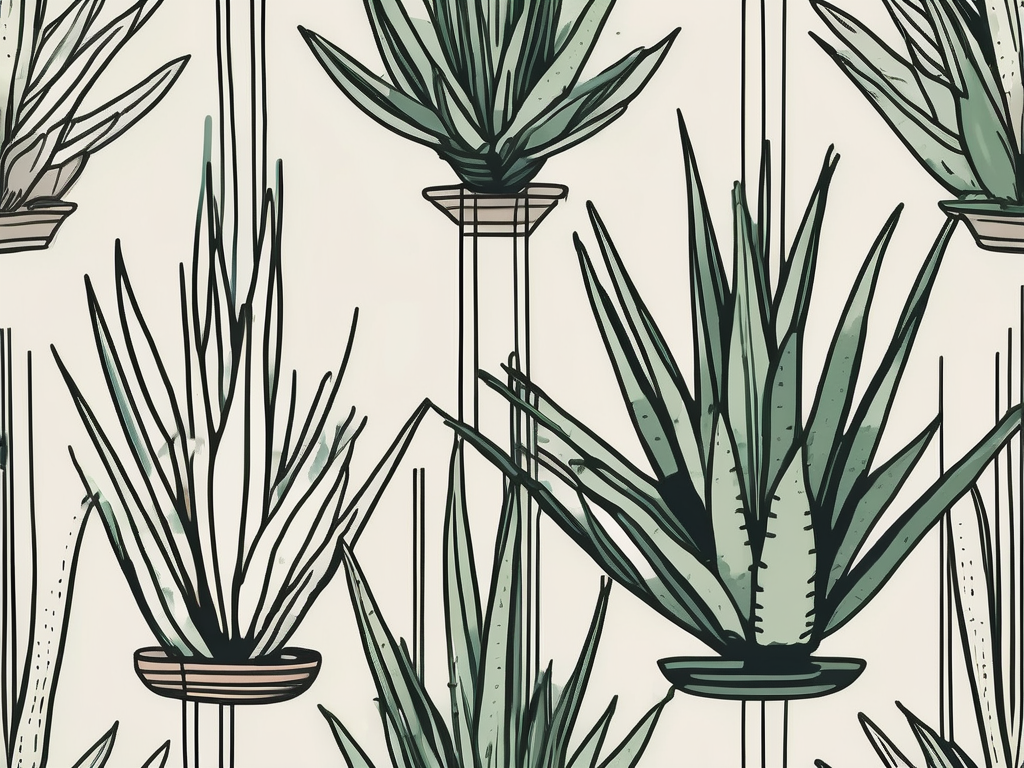
- Drought Resistance: Many geo plants, like cacti and succulents, have adapted to arid conditions by storing water in their leaves or stems. This allows them to survive long periods without rainfall.
- Temperature Tolerance: Some plants have developed the ability to withstand extreme temperatures. For example, the Arctic poppy has adapted to the cold climate of the tundra with a unique growth form that maximizes solar heat absorption.
- Soil Specialization: Certain geo plants can thrive in nutrient-poor soils, often where other plants cannot. The Venus flytrap, for instance, grows in boggy, nutrient-deficient areas and supplements its diet by trapping insects.
These adaptations not only help geo plants survive but also enable them to thrive where others might fail. Their ability to specialize makes them wonderfully resilient and a critical part of their ecosystems.
Why Are Geo Plants Important?
Geo plants play a vital role in maintaining the balance of their ecosystems. They provide food and shelter for wildlife, contribute to the stability of the soil, and participate in the water cycle. Without them, many ecosystems would struggle to function properly.
Moreover, geo plants often hold cultural and economic significance. Indigenous populations have used them for food, medicine, and spiritual practices for centuries. In modern times, some geo plants are cultivated for ornamental purposes, while others are used in pharmaceuticals and cosmetics.
The preservation of geo plants is crucial for biodiversity. As climate change and human activities threaten their habitats, efforts to conserve these plants are more important than ever. Protecting geo plants ensures the survival of the ecosystems they support and the benefits they provide to humanity.
Bringing Geo Plants Into Your Home
For plant people, incorporating geo plants into home decor can be a rewarding experience. Not only do they add unique beauty to the space, but they also offer a tangible connection to nature’s diversity. Here’s how you can start:
- Research: Before bringing a geo plant home, learn about its specific needs. Understanding its natural habitat will help you replicate those conditions in your home.
- Choose the Right Spot: Place your plant in an area that mimics its natural light and temperature conditions. For example, succulents from arid regions will thrive in bright, sunny spots.
- Soil and Watering: Use soil that mimics what the plant would find in its native environment. Be mindful of watering needs, as geo plants like succulents may require less frequent watering than tropical plants.
By observing these simple steps, you can create a thriving environment for your geo plants and enjoy their unique beauty indoors.
Geo Plants and Interior Design
Incorporating geo plants into your interior design can transform your space and bring a touch of global flair to your home. Whether you're a minimalist or a fan of eclectic decor, geo plants can complement any style.
For a modern look, consider using sleek pots and planters that highlight the sculptural qualities of plants like snake plants or succulents. In a bohemian setting, you might group different geo plants together to create a lush, layered effect.
Think about the colors, textures, and shapes of the plants you choose. A delicate fern from the forest floor can soften a room, while a bold cactus can serve as a striking focal point. The key is to let the plants guide your design choices, creating a harmonious balance between nature and decor.
Caring for Geo Plants
Caring for geo plants requires a bit of knowledge about their native environments. Here are some tips to keep your plants happy and healthy:
- Light: Ensure your plant receives the appropriate amount of light. Some geo plants prefer bright, direct sunlight, while others thrive in lower-light conditions.
- Water: Be mindful of watering frequency. Overwatering is a common mistake, especially for plants adapted to dry climates.
- Humidity: Consider the humidity needs of your plant. Some geo plants, like tropical varieties, may require higher humidity levels than what's typically found indoors.
By paying attention to these factors, you'll create an environment in which your geo plants can truly flourish.
Challenges of Growing Geo Plants Indoors
While geo plants can be a wonderful addition to your home, they do come with some challenges. For instance, replicating the specific conditions they require can sometimes be tricky. Here are a few hurdles you might face:
- Climate: Your home may not naturally mimic the precise climate a geo plant needs. Adjusting temperature, light, and humidity can help, but it may require some trial and error.
- Space: Certain geo plants can grow large or need room to spread out. Consider the size of your space before committing to a plant that might outgrow its surroundings.
- Maintenance: Some geo plants require more care than others, especially if they are not naturally suited to indoor life. Be prepared for the extra effort if you choose a more demanding species.
Despite these challenges, with a little patience and attention, geo plants can thrive indoors, adding a unique touch to your living space.
Final Thoughts
Geo plants are a testament to the incredible adaptability and diversity of nature. From their specific geographic locations to their unique adaptations, they bring a piece of the wild into our lives. By understanding and caring for these plants, we can enjoy their beauty and benefits while contributing to their preservation.
At Cafe Planta, we're passionate about helping you connect with nature through plants. Whether you're looking for unique geo plants or need advice on how to care for them, we're here to support you. Feel free to reach out via email or on our Instagram. Let's bring the beauty of plants into your home together!