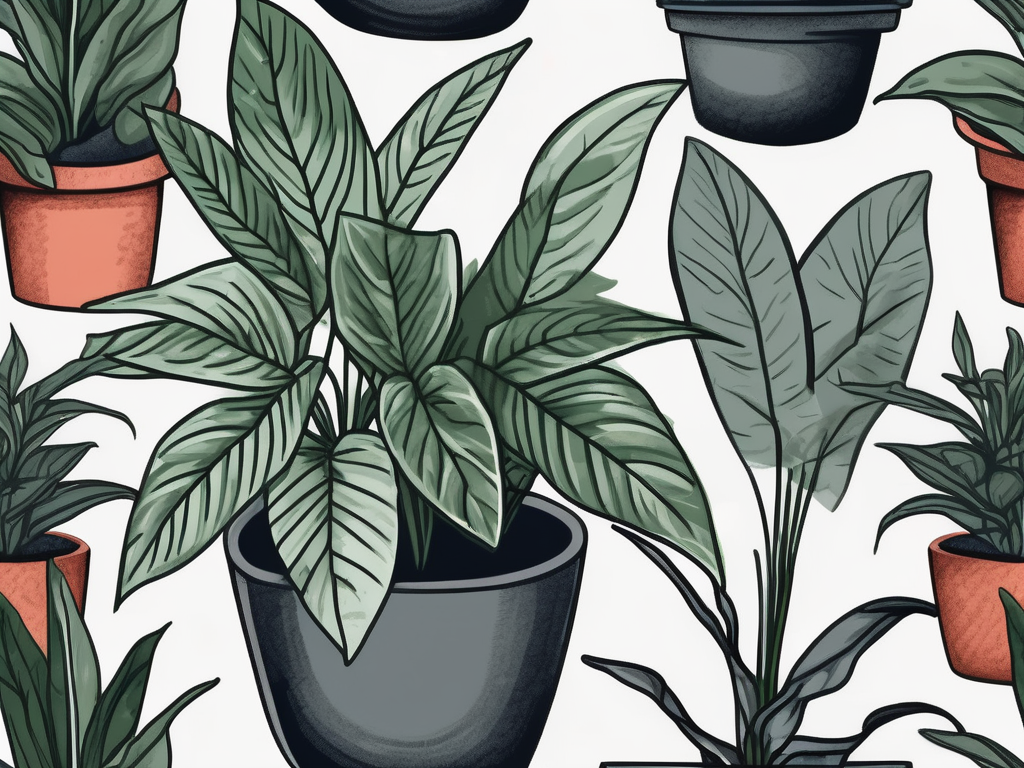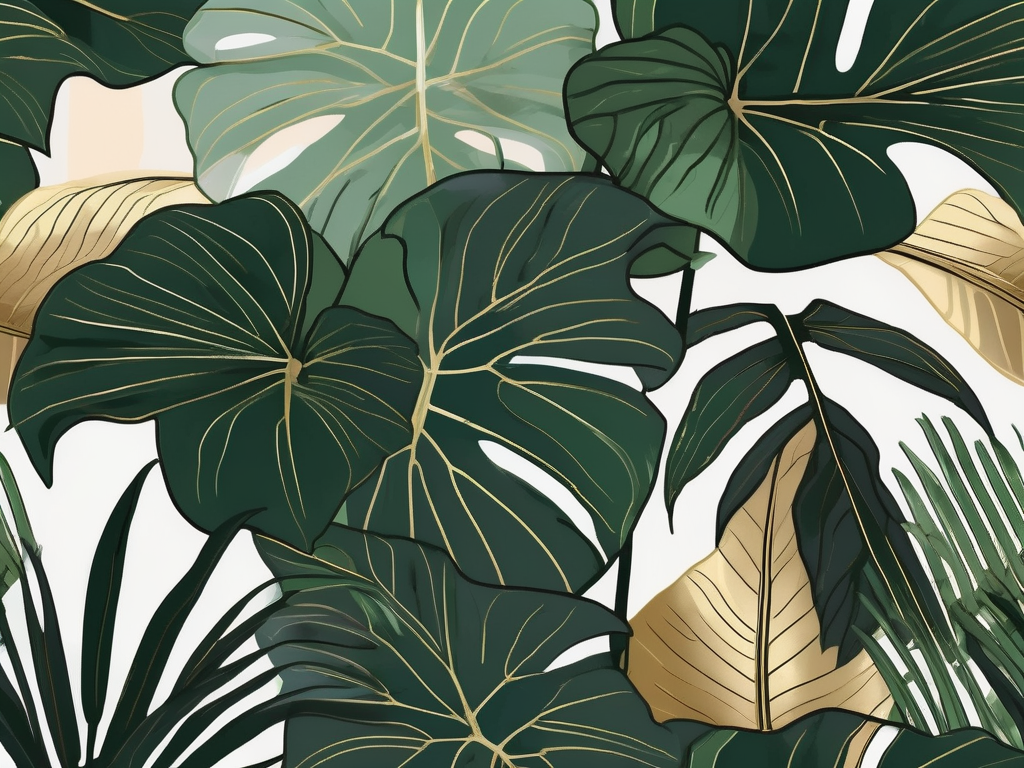
Philodendron Melanochrysum is a name synonymous with elegance and tropical allure. For many plant lovers, this beautiful species represents the pinnacle of houseplant sophistication. With its dark, velvet-like leaves and subtle golden veining, it's no wonder that so many are drawn to its charm. But what about its life outside the cozy confines of our homes?
This article takes you on a journey into the natural habitat of the Philodendron Melanochrysum. We'll explore how this plant thrives in the wild, its native environment, and how you can mimic these conditions to foster a happy, healthy plant at home.
The Origins of Philodendron Melanochrysum
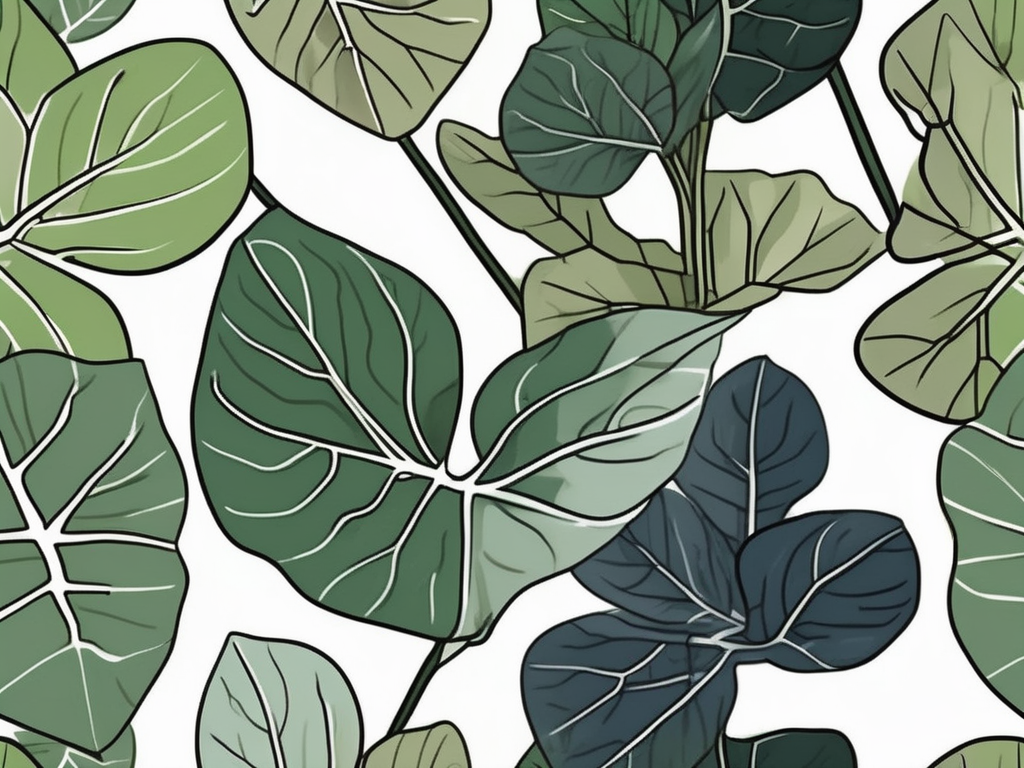
Philodendron Melanochrysum hails from the lush rainforests of Colombia, where it enjoys the warm, humid climate of the tropics. This environment provides the ideal conditions for its growth, allowing it to climb trees and spread its large, heart-shaped leaves. The plant belongs to the Araceae family, which includes other popular houseplants like the Monstera and Peace Lily.
In its native habitat, the Philodendron Melanochrysum can be found climbing up the trunks of large trees, seeking out the dappled sunlight that filters through the canopy above. It's a natural climber, using its aerial roots to secure itself as it ascends. This climbing behavior is something you can replicate at home, but more on that in a bit.
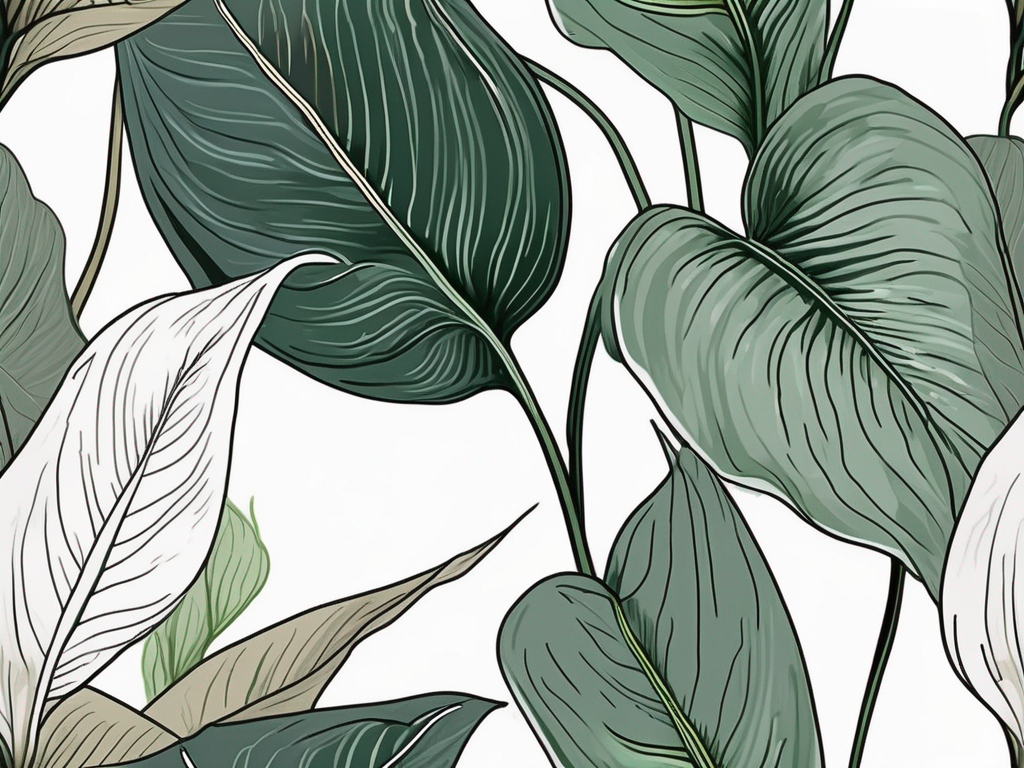
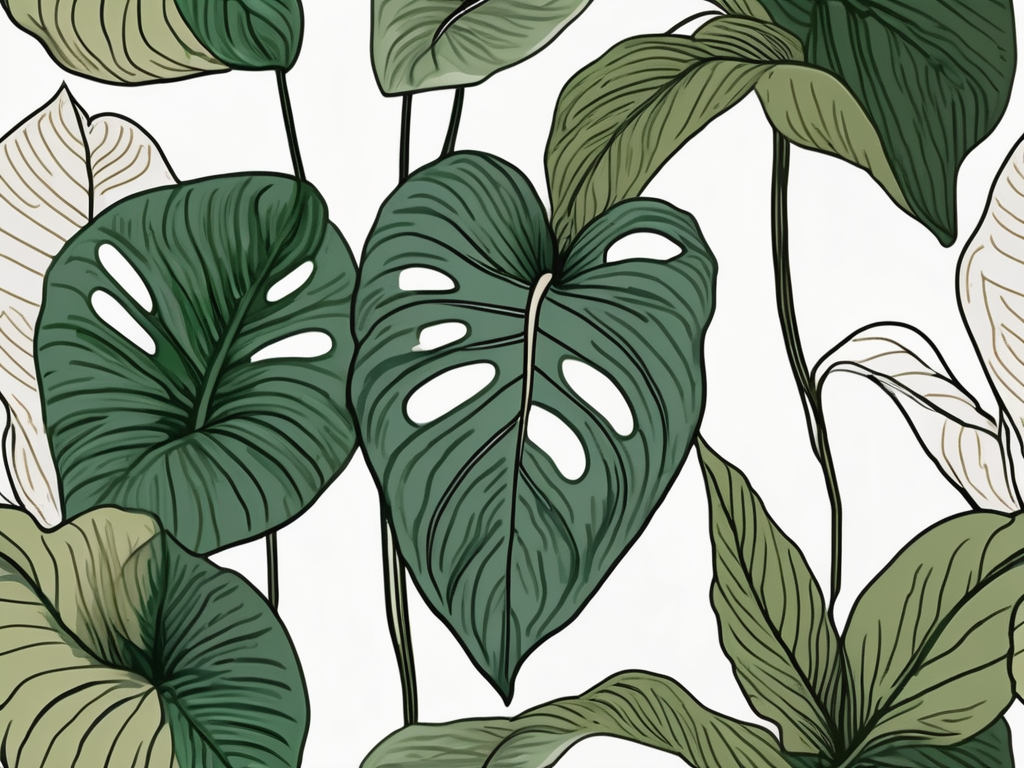
Interestingly enough, the name "Melanochrysum" is derived from Greek, where "melano" means black and "chrysum" means gold. This is a nod to the plant's distinctively dark leaves adorned with golden veins—truly a botanical masterpiece!
Understanding Its Natural Habitat
The rainforest environment is one of constant moisture and warmth. Temperatures typically range from 70 to 85 degrees Fahrenheit, with humidity levels often exceeding 70%. This steamy atmosphere is crucial for the Philodendron Melanochrysum's growth, as it relies on humidity to keep its leaves vibrant and healthy.
Another key aspect of its natural habitat is the soil. In the wild, the plant grows in well-draining, nutrient-rich soil. The rainforest floor is a dynamic environment, constantly replenished with organic matter from decaying leaves and other plant material. This rich, loose soil allows the plant's roots to breathe and prevents water from pooling, which can lead to root rot.
As a plant that's used to climbing, the Philodendron Melanochrysum also benefits from the support structures provided by trees and other tall plants. These natural supports keep the leaves elevated, allowing them to catch light more effectively. At home, a moss pole or trellis can offer similar support.
Recreating the Rainforest at Home
Bringing a piece of the rainforest into your living room might sound challenging, but with the right conditions, your Philodendron Melanochrysum can thrive just as it would in the wild. The key is to mimic its natural environment as closely as possible.
Start by placing your plant in a room with plenty of indirect sunlight. Direct sunlight can scorch the leaves, so it's best to keep it near a window with filtered light or in a bright room that's out of direct sunlight's reach. If you notice the leaves losing their vibrant color, it might be a sign that they're not getting enough light.
Humidity is another crucial factor. If your home tends to be dry, consider using a humidifier or placing a tray of water near the plant to increase the humidity level. Grouping plants together can also help create a microclimate that's more humid.
For soil, use a well-draining potting mix rich in organic matter. You can create your own mix by combining potting soil, perlite, and orchid bark. This will ensure that the roots have plenty of air circulation and prevent waterlogging.
Watering and Feeding Your Philodendron
Watering is all about balance. In the wild, Philodendron Melanochrysum benefits from consistent rainfall, but at home, you want to avoid overwatering. Allow the top inch of soil to dry out before watering again, and always use pots with drainage holes to prevent water from sitting at the bottom.
During the growing season, typically spring and summer, your plant will appreciate a little extra nourishment. A balanced, water-soluble fertilizer can be applied every month to support its growth. Just be careful not to over-fertilize, as this can lead to a salt buildup in the soil.
In the cooler months, the plant's growth will slow down, and it will require less water and fertilizer. Adjust your care routine accordingly to prevent overwatering and nutrient burn.
Pruning and Propagating
Pruning your Philodendron Melanochrysum not only keeps it looking tidy but also encourages new growth. Trim away any dead or yellowing leaves to direct the plant's energy toward healthy growth. If the plant starts to get leggy, you can pinch back the stems to promote bushier growth.
Propagation is a rewarding way to expand your plant collection or share a piece of your beloved plant with friends. The easiest method is through stem cuttings. Choose a healthy, mature stem and cut just below a node. Place the cutting in water or directly into moist soil, and wait for roots to develop. Once the roots are established, you can pot the new plant.
Common Pests and Problems
Like any houseplant, Philodendron Melanochrysum is susceptible to pests and diseases. The most common pests include spider mites, aphids, and mealybugs. Regularly inspect the leaves for any signs of infestation, such as webbing, sticky residue, or tiny insects.
If you do find pests, isolate the plant and treat it with insecticidal soap or neem oil. It's often a good idea to spray the plant down with water beforehand to remove as many pests as possible.
Root rot is another issue to watch out for, typically caused by overwatering. If you notice yellowing leaves and a musty smell from the soil, it's time to check the roots. Healthy roots should be white and firm, while rotting roots will be brown and mushy. If rot is present, trim away the affected roots and repot the plant in fresh soil.
Styling Your Home with Philodendron Melanochrysum
With its striking appearance, the Philodendron Melanochrysum can be a showstopper in any room. Its large, velvety leaves make it a perfect statement piece, especially when paired with sleek, modern decor.
Consider placing your plant in a decorative pot that complements your interior style. Whether it's a minimalist ceramic pot or a boho-chic woven basket, the right container can enhance the plant's natural beauty.
You can also use your Philodendron Melanochrysum to create a vertical garden by training it to climb a trellis or moss pole. This not only gives the plant a more natural growth habit but also adds an interesting visual element to your space.
Building a Plant Community
Philodendron Melanochrysum doesn't have to be a solitary star. It can play well with other plants, creating a lush, tropical vibe in any room. Consider pairing it with other humidity-loving plants like ferns, Calatheas, or orchids.
Grouping plants together can also help maintain higher humidity levels, which benefits all the plants involved. Just ensure that each plant has enough space to breathe and grow without competing for light or resources.
Mixing different textures, colors, and shapes can add depth and interest to your plant collection. With the right combination, you can create an indoor jungle that feels like a corner of the rainforest.
Final Thoughts
Philodendron Melanochrysum is a plant that truly shines when you understand its natural habitat and replicate those conditions at home. From its rainforest roots to its role as an indoor beauty, this plant offers a unique blend of elegance and tropical charm.
At Cafe Planta, we're passionate about helping you find the perfect plants for your home and lifestyle. Whether you need advice on plant care or want to explore our collection, feel free to email us or reach out on Instagram. We're here to support your plant journey and help you create a thriving, green haven at home.