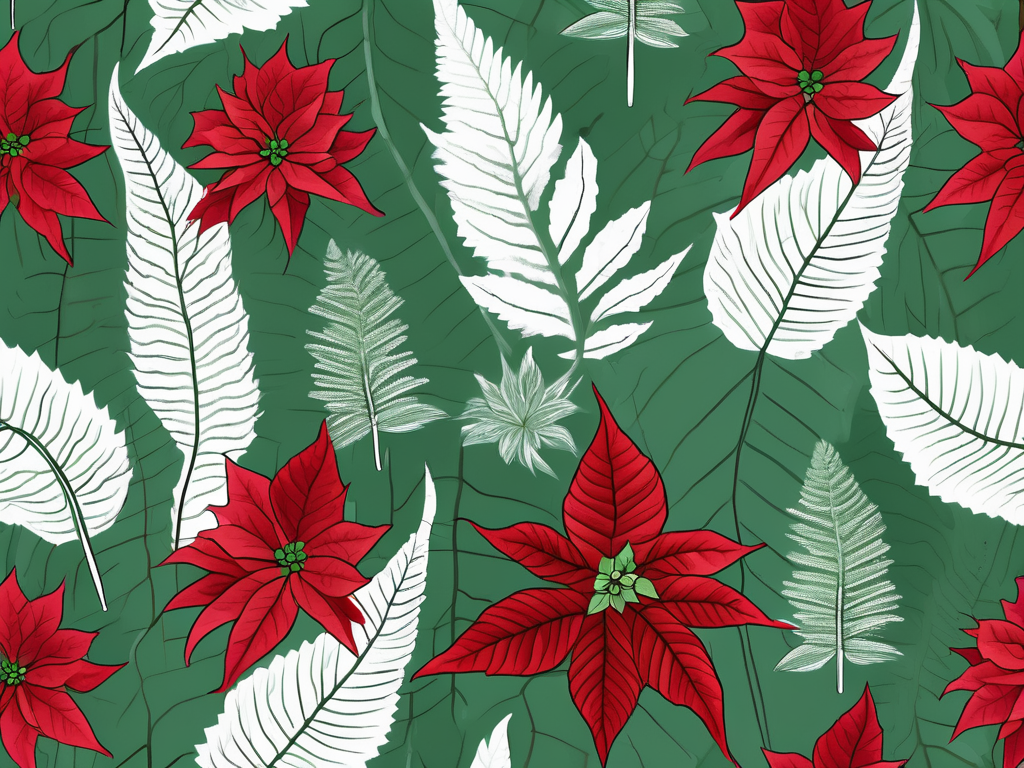
Comparing ferns and poinsettias is like comparing apples to oranges—or more aptly, comparing a delicate green forest to a festive holiday display. While both are popular houseplants, they have their own unique characteristics and care requirements that make them stand apart in the plant world.
In this article, we’ll look at the differences between these two plants, from their appearances and natural habitats to their specific care needs and roles in home decor. Whether you’re a seasoned plant parent or just getting started, you’ll find plenty of tips to help you pick the right plant for your space.
Appearance and Characteristics
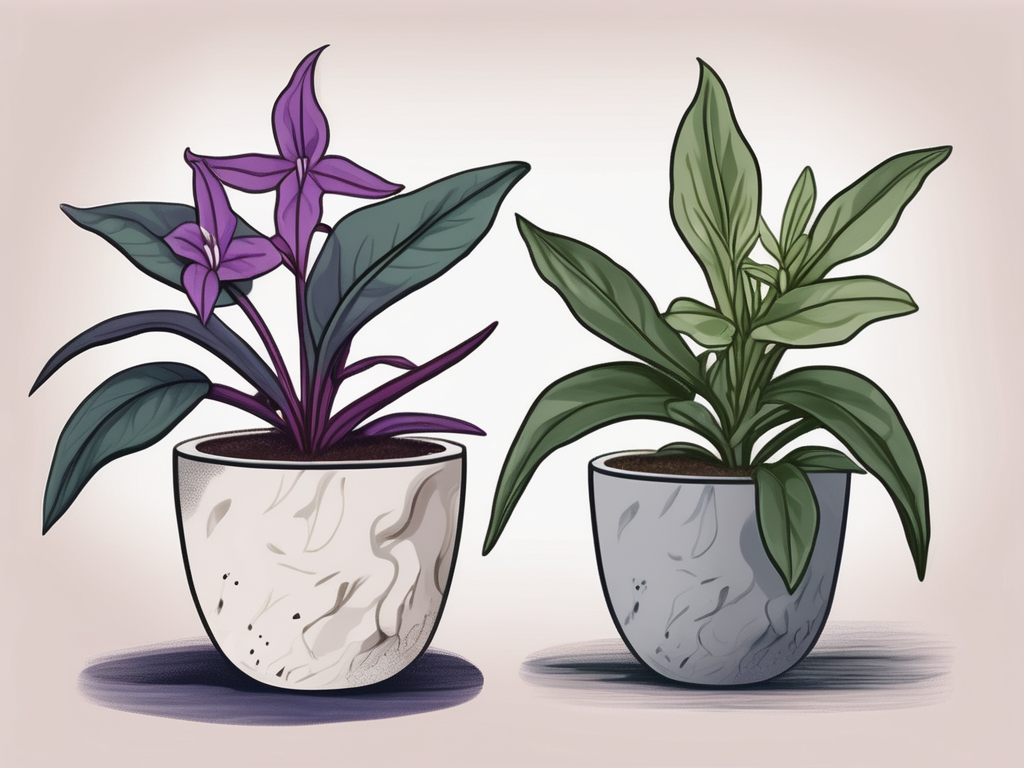
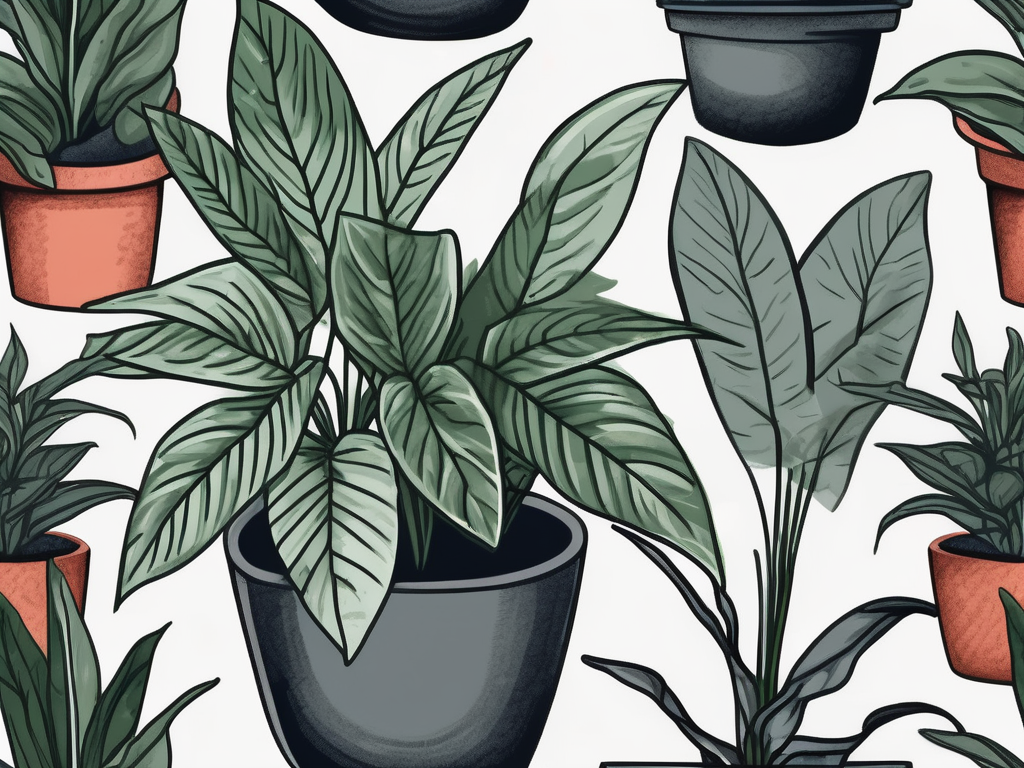
Let’s start with what you’ll notice first—the way these plants look. Ferns and poinsettias couldn’t be more different in this regard. Ferns are known for their lush, feathery foliage. They bring a touch of the forest into your home with their intricate leaf patterns and vibrant green shades. On the other hand, poinsettias are celebrated for their colorful bracts, which many people mistake for flowers. These bracts come in shades of red, white, pink, and even speckled combinations, making them a favorite during the festive season.
Ferns have a variety of species, each with its distinct leaf shape and size. You might have seen the Boston fern with its arching fronds or the maidenhair fern with its delicate, fan-shaped leaves. Meanwhile, poinsettias are more uniform in appearance, with their large, bold bracts standing out against the dark green foliage.
Interestingly enough, the poinsettia’s vibrant bracts are actually modified leaves. The true flowers are small, yellow, and located at the center of the bracts. This unique feature can be a surprise for many first-time poinsettia owners who expect the bracts to be the main floral display!
Natural Habitat
Understanding where a plant comes from can give us great insight into how to care for it. Ferns are ancient plants that thrive in woodland settings. They prefer humid environments, often growing on forest floors where they enjoy filtered light and consistent moisture. This love for humidity makes them perfect for bathrooms or kitchens where they can soak up the extra moisture in the air.
Poinsettias, in contrast, are native to Mexico and Central America. They love warmth and plenty of light, which explains their popularity as winter holiday plants when they can bask in the indoor warmth away from the cold. However, they do need protection from drafts and chilly windows, which can stress them out and cause leaf drop.
Both plants thrive in environments that mimic their natural habitats. For ferns, this means keeping them in areas with high humidity and indirect light. Poinsettias, however, prefer bright, indirect sunlight and a warm spot in your home.
Care Requirements
Caring for ferns and poinsettias involves understanding their unique needs. Ferns generally need more attention when it comes to humidity and moisture. They don’t like to dry out, so keeping their soil consistently moist is important. You might find yourself misting them regularly or even placing them on a pebble tray filled with water to increase the humidity around them.
Poinsettias, however, have different moisture needs. They prefer their soil to dry out between waterings. Overwatering can lead to root rot, which is a common problem with these plants. It’s best to water them when the top inch of soil feels dry to the touch.
Both plants benefit from regular feeding during their growing seasons. Ferns appreciate a balanced, water-soluble fertilizer applied every month during the spring and summer. Poinsettias also enjoy monthly feeding, but a fertilizer high in phosphorus will help them develop those stunning bracts.
Light Preferences
Light is another area where these plants differ. Ferns are typically understory plants, meaning they grow under the canopy of larger trees. As a result, they prefer indirect light or even partial shade. Too much direct sunlight can scorch their delicate leaves.
Poinsettias, on the other hand, are sun lovers. They need plenty of bright, indirect light to keep their bracts colorful. A south-facing window is ideal, but remember to protect them from harsh direct sunlight, which can cause fading or leaf burn.
If you’re trying to find the perfect spot for your fern, think about areas that mimic a shaded forest floor. Poinsettias, in contrast, will thrive in well-lit areas that stay warm and cozy.
Dealing with Pests
Unfortunately, houseplants are not immune to pests, and both ferns and poinsettias can fall victim to unwelcome visitors. Ferns are often targeted by pests like spider mites and mealybugs. These pests thrive in warm, dry conditions, so keeping your ferns humid can help deter them. If you notice pests, a good rinse with water or a gentle insecticidal soap can usually do the trick.
Poinsettias can also suffer from pest problems, with whiteflies and aphids being the usual culprits. Regularly check the undersides of the leaves for any signs of infestation. Insecticidal soap or neem oil can help keep these pests at bay. It’s always a good idea to isolate any infested plant to prevent the spread to your other houseplants.
Prevention is key when it comes to pests. Regularly inspect your plants and maintain their optimal growing conditions to keep them healthy and less susceptible to attacks.
Fungal Issues
Ferns, with their love for moisture, are sometimes prone to fungal issues like root rot and leaf spot. Ensuring that your fern is in well-draining soil and not overwatered is essential to prevent root rot. Leaf spot, characterized by brown or black spots on the leaves, can be minimized by avoiding water on the leaves and ensuring good air circulation.
Poinsettias aren’t as prone to fungal issues as ferns, but they can still suffer from root rot if overwatered. Proper watering practices and ensuring good drainage are vital. If you notice any wilting or yellowing leaves, it might be time to check the roots and let the soil dry out more between waterings.
Fungal issues can often be resolved with a bit of diligence in watering practices and ensuring your plants have good air circulation. Both ferns and poinsettias will thank you for keeping an eye on their growing conditions.
Decorative Uses
When it comes to decorating your space, both ferns and poinsettias offer unique advantages. Ferns, with their lush greenery, are excellent for adding a natural touch to any room. They look fantastic in hanging baskets or as part of a plant shelf display. Their delicate leaves can soften spaces and provide a calming, peaceful vibe.
Poinsettias, with their vibrant bracts, are often used as holiday decorations. They’re perfect for adding a pop of color to your home during the winter months. Whether placed on a mantel, in a centerpiece, or as a festive gift, they bring a sense of warmth and cheer.
Both plants can play a significant role in your home decor, depending on the mood you want to create. Ferns are great for a year-round, natural aesthetic, while poinsettias shine brightest during the holiday season.
Choosing the Right Plant for Your Home
Deciding between a fern and a poinsettia really depends on your home environment and personal preferences. If you’re looking for a plant that can thrive in a humid, low-light area, a fern might be your best bet. They’re perfect for bathrooms, kitchens, or any space that mimics their natural woodland habitat.
On the other hand, if you want a plant that can add a burst of color and thrive in a sunny spot, a poinsettia could be the one for you. Just keep in mind that they’re more seasonal and might require more specific care to rebloom for subsequent years.
Ultimately, both plants have their own charm and can bring joy to your home. Consider your home’s lighting, humidity, and the amount of care you’re willing to provide when making your choice.
Final Thoughts
In summary, ferns and poinsettias offer distinct advantages and challenges, each bringing its own charm and beauty to your home. Understanding these differences can help you choose the right plant for your lifestyle and decor needs.
At Cafe Planta, we're here to support you on your plant journey. Whether you're shopping for a new houseplant, need care tips, or want to connect with other plant lovers, we've got you covered. Feel free to email us or reach out on Instagram with your questions. We believe in the power of plants to bring people together, and we're excited to help you create a thriving plant collection in your home.