Choosing the right houseplant can be a bit like picking the perfect outfit—there's a lot to consider, and sometimes it's the smallest details that make the biggest difference. This is especially true when you're deciding between the Flamingo Flower and the Peace Lily. At first glance, they might seem similar, but these two plants have unique characteristics that can influence which one is best for your home.
In the following sections, we'll take a closer look at what sets the Flamingo Flower and the Peace Lily apart. From their appearance and growing conditions to their benefits and care requirements, you'll get the full scoop on these popular plants. By the end, you'll have a better sense of which plant will thrive in your space and bring a touch of green magic to your day-to-day life.
Appearance and Characteristics
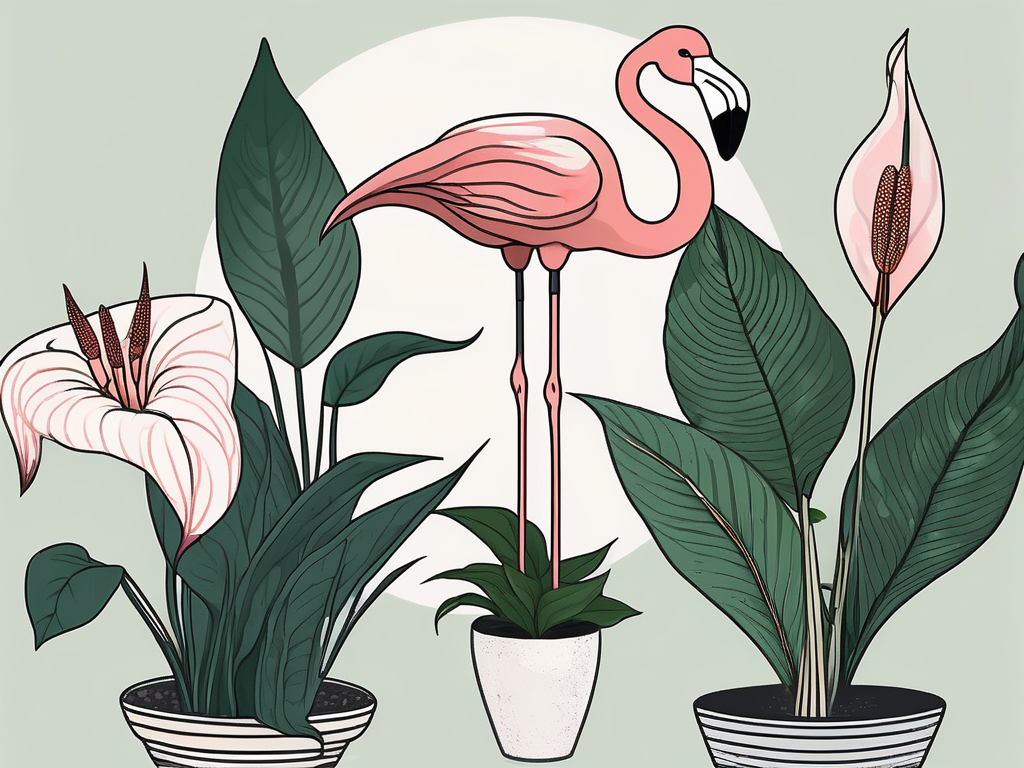
Let's start with how these plants look. The Flamingo Flower, also known as Anthurium, is famous for its vibrant, waxy blooms. These flowers, often red but sometimes pink, white, or even purple, are actually modified leaves called spathes. The true flowers are tiny and grow on the spadix, the central spike that juts out from the spathe. This makes the Flamingo Flower quite a showstopper in any room.
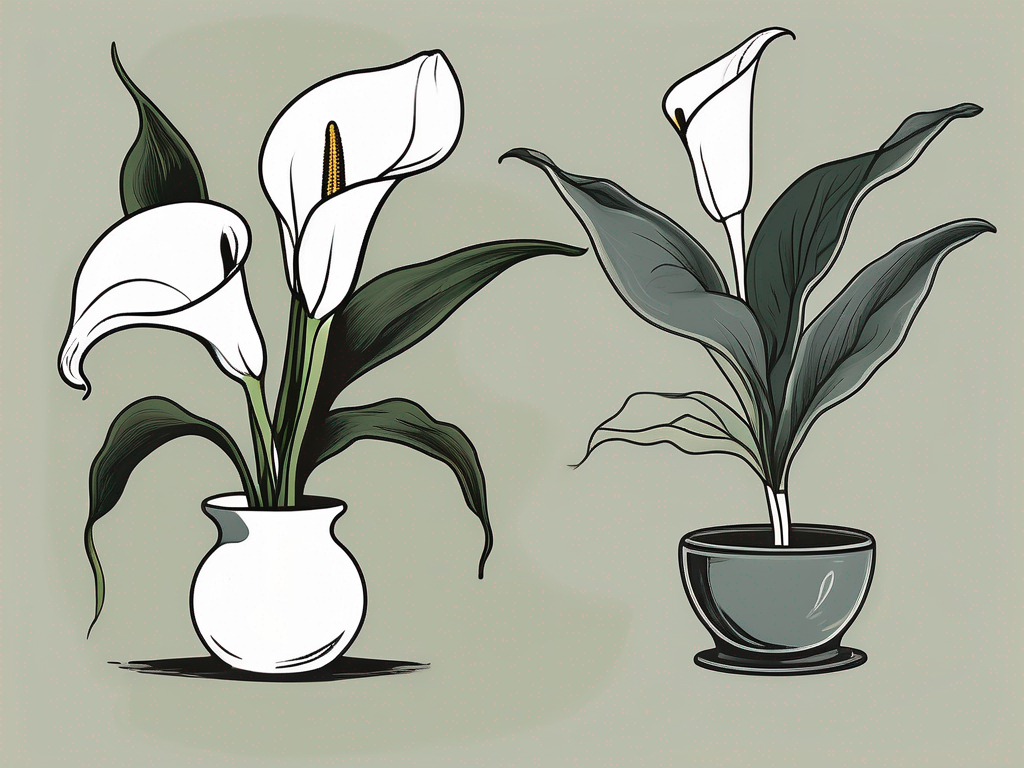
On the other hand, the Peace Lily, or Spathiphyllum, offers a more understated beauty. Its elegance lies in its simplicity: glossy, dark green leaves and white spathes that surround a yellow or cream spadix. The Peace Lily’s blooms are more muted compared to the Flamingo Flower, but they have a graceful charm that can complement any decor.
While both plants have spathes and spadices, their overall look is quite different. The Flamingo Flower's bright colors demand attention, while the Peace Lily provides a calming, soothing presence. Consider your room's color palette and the mood you want to create when choosing between these two.
Light and Growing Conditions
Both the Flamingo Flower and Peace Lily have specific light requirements that can affect their growth and flowering. Flamingo Flowers thrive in bright, indirect light. They love a sunny spot but don't do well with direct sunlight, which can scorch their leaves. If you're thinking of placing one near a window, make sure it's filtered or there are sheer curtains to soften the light.
Peace Lilies are a bit more forgiving when it comes to light. They can tolerate lower light conditions, which makes them ideal for offices or rooms with less natural light. However, they do appreciate brighter, indirect light for optimal growth and flowering. If you notice your Peace Lily isn't blooming, it might need a little more light.
When it comes to temperature, both plants prefer warmer environments, ideally between 65°F to 85°F (18°C to 29°C). They don't enjoy cold drafts or sudden temperature changes, so keep them away from open windows during chilly days and from air conditioning units in the summer.
Watering Needs
Watering can be one of the trickiest parts of plant care, and it's crucial to get it right. Flamingo Flowers like to be kept moist but not soggy. Water them when the top inch of soil feels dry to the touch. They enjoy a humid environment, so misting them occasionally can help mimic their natural tropical habitat and keep them happy.
Peace Lilies, meanwhile, are known for their telltale drooping when they need water—a helpful signal for busy plant parents. They like to dry out a bit between waterings. If the leaves start to droop, it's time to give them a drink. But be careful not to overwater, as Peace Lilies are prone to root rot. Ensure your pot has good drainage to prevent water from pooling at the bottom.
Both plants benefit from high humidity, so if your home has dry air, especially in winter, consider using a humidifier or placing a tray of water near the plants to boost humidity levels.
Soil Requirements
Soil is the foundation of any plant's health, and choosing the right type can make a big difference. For Flamingo Flowers, a well-draining, peat-based soil mix is ideal. You can also add some orchid bark or perlite to improve drainage and mimic their natural growing conditions, which are rich in organic matter.
Peace Lilies prefer a looser soil mix, similar to that used for African violets. A standard potting mix with added perlite or sand can work well, ensuring the soil doesn't compact and restrict root growth. Like Flamingo Flowers, Peace Lilies need good drainage to prevent root rot.
Both plants appreciate a slightly acidic to neutral pH level, so testing your soil can help give them the best environment to thrive. If you're unsure, many garden centers offer soil testing kits that can guide you in amending your soil as needed.
Fertilization Tips
Feeding your plants is like giving them a boost of energy, but too much of a good thing can be harmful. For Flamingo Flowers, a balanced fertilizer applied every six to eight weeks during the growing season (spring and summer) can help encourage those beautiful blooms. Look for a fertilizer with equal parts nitrogen, phosphorus, and potassium.
Peace Lilies also benefit from regular feeding, but they require a bit less than Flamingo Flowers. A diluted, balanced fertilizer every 6-8 weeks is sufficient. Be cautious with fertilizer, as too much can lead to leaf burn or even damage the plant. Always follow the instructions on the packaging and err on the side of under-fertilizing if you're unsure.
Both plants can benefit from organic options like compost tea or worm castings, which provide nutrients in a more natural and gentle way. These options also improve soil health over time, making them a great choice for environmentally conscious plant lovers.
Common Pests and Issues
Even the best-cared-for plants can fall victim to pests. Flamingo Flowers and Peace Lilies are no exception, though they tend to be less susceptible than some other houseplants. The most common pests include spider mites, aphids, and mealybugs.
Regularly inspecting your plants can help catch these pests early. If you notice any unwelcome visitors, a simple solution of water and mild dish soap can be sprayed on the leaves to remove them. For more stubborn infestations, neem oil or insecticidal soap are effective and safe options.
Both plants can also suffer from issues like leaf yellowing or browning, often due to improper watering or lighting conditions. Yellow leaves can indicate overwatering or too much direct sunlight, while brown tips are usually a sign of underwatering or low humidity. Adjusting your care routine can often resolve these issues quickly.
Benefits of Each Plant
Beyond their beauty, Flamingo Flowers and Peace Lilies offer several benefits that make them worthwhile additions to any home. Flamingo Flowers are known for their long-lasting blooms and vibrant colors, which can brighten up any space. They also have air-purifying qualities, helping to remove toxins like ammonia and formaldehyde from the air.
Peace Lilies are champions when it comes to improving indoor air quality. They're particularly effective at removing pollutants like benzene and trichloroethylene. Their ability to thrive in low-light conditions makes them perfect for spaces that need a touch of green but lack natural light.
Both plants can contribute to a sense of well-being by bringing a piece of nature inside, which has been shown to reduce stress and increase productivity. Whether you're looking to spruce up your home office or create a calming corner in your living room, either of these plants can be a great choice.
Choosing the Right Plant for Your Space
So, how do you decide which plant is right for you? It depends on a few factors: your home's lighting conditions, your availability to water and care for the plant, and the aesthetic you're aiming for.
If you have a bright spot and want a plant that makes a bold statement, the Flamingo Flower might be your best bet. Its bright blooms can add a pop of color and personality to any room. However, if your space is on the darker side or you prefer a more minimalist look, the Peace Lily’s elegant simplicity might be more your style.
Consider your lifestyle, too. If you're often away or forgetful about watering, the Peace Lily's forgiving nature could be a blessing. On the other hand, if you enjoy the ritual of plant care and have the time to mist and monitor your plants, you might find the challenge of caring for a Flamingo Flower rewarding.
Final Thoughts
Both the Flamingo Flower and Peace Lily bring their own unique charm and benefits to a home. From dazzling blooms to air-purifying powers, each offers something special. By understanding their differences in appearance, care needs, and benefits, you can make an informed decision that suits your living space and lifestyle.
At Cafe Planta, we believe that plants have the power to connect us with nature and each other. Whether you're an experienced plant parent or just starting your plant journey, we're here to help. If you have questions about plant care, feel free to email us or reach out on Instagram. Let's create beautiful, thriving plant collections together!